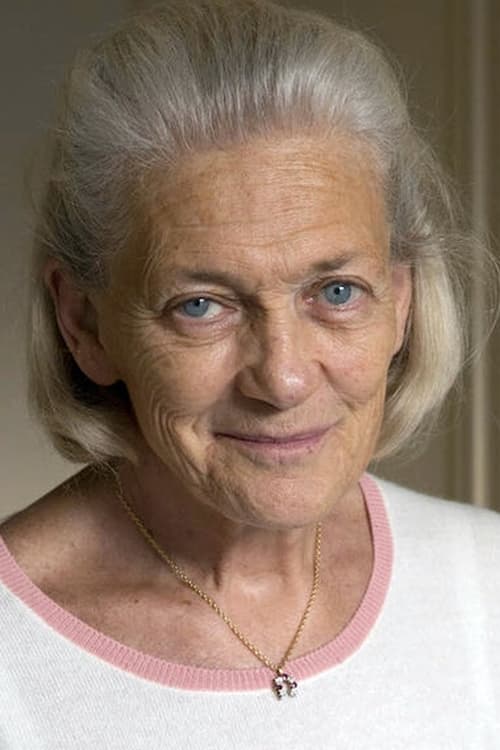
Élisabeth Badinter
ActingAbout Élisabeth Badinter
Élisabeth Badinter (née Bleustein-Blanchet; 5 March 1944) is a French philosopher, author and historian. She is best known for her philosophical treatises on feminism and women's role in society. She is an advocate of liberal feminism and women migrant workers' rights in France. Badinter is described as having a commitment to Enlightenment rationalism and universalism. She advocates for a "moderate feminism". A 2010 Marianne news magazine poll named her France's "most influential intellectual", primarily on the basis of her books on women's rights and motherhood. Badinter is the largest shareholder of Publicis Groupe, a multinational advertising and public relations company, and the chairwoman of its supervisory board. She received these shares in an inheritance from her father, Marcel Bleustein-Blanchet, who founded the company. According to Forbes, she is one of the wealthiest French citizens with a fortune of around US$1.8 billion in 2012. Badinter was born in Boulogne-Billancourt to Sophie Vaillant and Marcel Bleustein-Blanchet, founder of Publicis. Sophie Vaillant was the granddaughter of Édouard Vaillant, a French political leader and social activist. Elizabeth’s mother was raised as a Roman Catholic in a middle class upbringing, and later converted to Judaism following her marriage. She raised Élisabeth in the Jewish faith. Elisabeth and her two sisters were raised by parents who believed in the equality of the sexes. She received her secondary education from L'école alsacienne, a private school in Paris. During adolescence, Badinter read Simone de Beauvoir's the Second Sex, which profoundly influenced her views, inspiring her pursuit of a doctorate in philosophy at Sorbonne University. She is a specialist in French history of the Age of Enlightenment. After her studies, Badinter taught at the École Polytechnique. Her first book titled, L'Amour en plus, was published in 1980 and raises the question of whether maternal love is an exclusively natural instinct or a tendency reinforced in the cultural context, in which the behaviour of motherly affection is expected. In her critical work, L'un est l'autre, published in 1987, Badinter reflects upon the complementarities of masculine and feminine traits in gendered identities and the conflicts that arise when these complementarities are subjected to oppression. Badinter concludes that a new era of gendered resemblances will lead to a change in gender identities and a revolution of moral values. Her 2003 treatise, La fausse route, addresses misandry and victimisation of women by French contemporary feminists. "The systematic denial of women's power and violence, the constant portrayal of women as oppressed and therefore innocent is deepening the crevasses of a divided humanity: the victims of masculine oppression on one side and the almighty executioners on the other." She criticizes essentialists within the feminist movement, arguing that, "Man is not the enemy." ... Source: Article "Élisabeth Badinter" from Wikipedia in English, licensed under CC-BY-SA 3.0.
Career Statistics & Market Influence
Analyzing the cinematic journey of Élisabeth Badinter reveals a career defined by diverse artistic exploration. With a total of 10 major appearances, the actor has established a significant footprint in global cinema.
Genre Dominance: Documentary
The majority of Élisabeth Badinter's filmography leans towards the Documentary genre. Audience data suggests that viewers respond most favorably to this persona, though their versatility has allowed for successful crossovers into other categories.
The "Box Office" Signature
With a 40% Success Ratio (movies rated above 6.5), Élisabeth Badinter remains a reliable draw for studios. Their peak performance was recorded in Beauvoir, l'aventure d'être soi, which continues to be the benchmark for their career rating-wise.
Best Élisabeth Badinter Movies Ranked
Must-watch hits from Élisabeth Badinter's career based on audience ratings.




Complete Filmography & Success Status
Tracking the career evolution and box office verdicts of Élisabeth Badinter.
| Year | Movie | Character | Success | More |
|---|---|---|---|---|
| 2024 | Trouble in Paradise – The Myth of Motherhood | - | Flop | Similar → |
| 2022 | Racisé.e.s : Une histoire franco-américaine | Herself - philosopher | Flop | Similar → |
| 2022 | Beauvoir, l'aventure d'être soi | Self - Philosophe | Super Hit | Similar → |
| 2019 | Voltaire ou la liberté de penser | Élisabeth Badinter | Flop | Similar → |
| 2015 | Je suis Charlie | Self | Hit | Similar → |
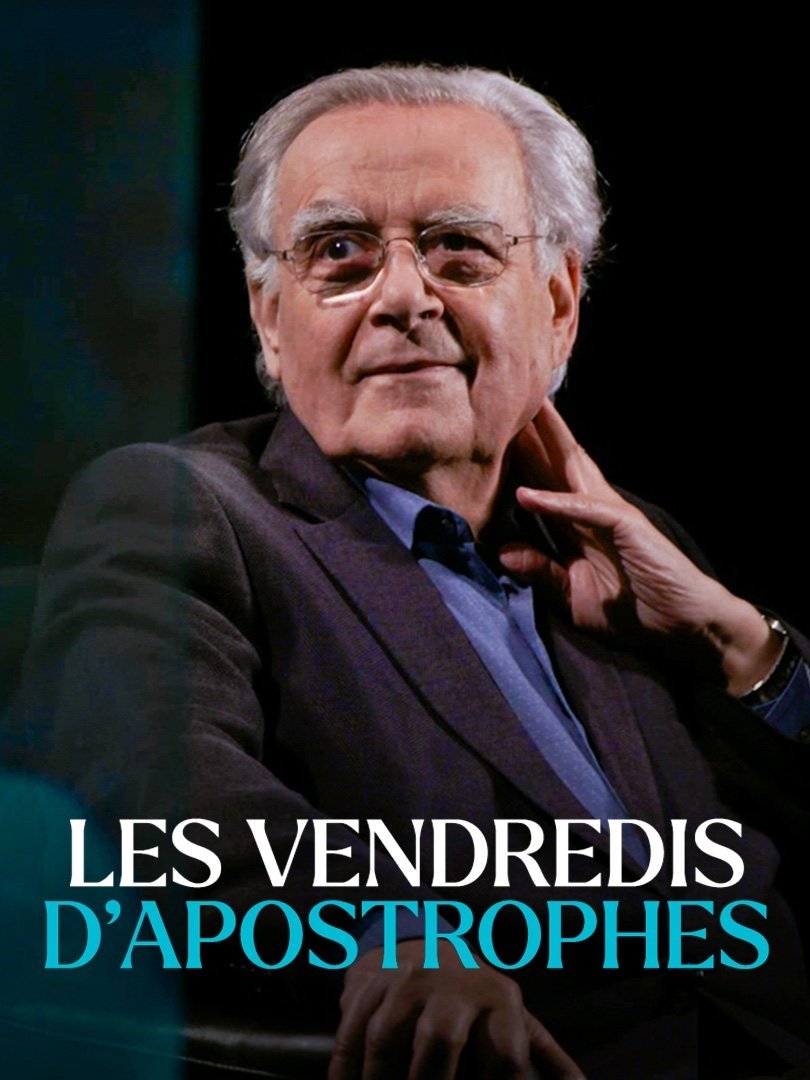
| 2015 | Les vendredis d'Apostrophes | Self (archive footage) | Average | Similar → |
| 2015 | Milk | Self | Super Hit | Similar → |
| 2008 | It's Hard Being Loved by Jerks | Self | Hit | Similar → |
| 2003 | Profession féministe? | Self - feminist, essayist | Flop | Similar → |
| 1999 | Muttertier - Muttermensch | self | Flop | Similar → |
Élisabeth Badinter - Frequently Asked Questions
What is the best movie of Élisabeth Badinter?
According to audience ratings, the best movie starring Élisabeth Badinter is "Beauvoir, l'aventure d'être soi" with a rating of 8.3/10.
How many movies has Élisabeth Badinter acted in?
Élisabeth Badinter has been featured in at least 10 major films throughout their career.
What are some other popular movies by Élisabeth Badinter?
Other notable films include "Milk", "It's Hard Being Loved by Jerks", and "Je suis Charlie".