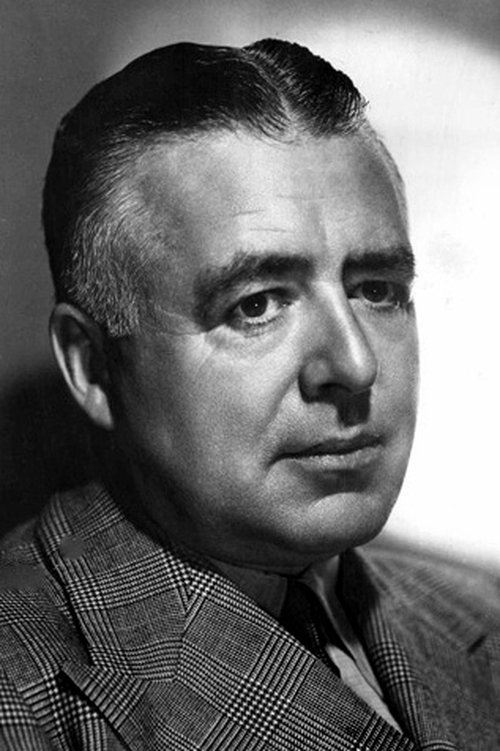
Clarence Brown
DirectingAbout Clarence Brown
Clarence Leon Brown (May 10, 1890 – August 17, 1987) was an American film director. After serving as a fighter pilot and flight instructor in the United States Army Air Service during World War I, Brown was given his first co-directing credit (with Tourneur) for The Great Redeemer (1920). Later that year, he directed a major portion of The Last of the Mohicans after Tourneur was injured in a fall. Brown moved to Universal in 1924, and then to Metro-Goldwyn-Mayer, where he remained until the mid-1950s. At MGM he was one of the main directors of their major female stars, he directed Joan Crawford six times and Greta Garbo seven. Brown was nominated five times for six films (see below) for an Academy Award as a director, but he never received an Oscar. However, he won Best Foreign Film for Anna Karenina, starring Garbo at the 1935 Venice International Film Festival. Brown's films gained a total of 38 Academy Award nominations and earned nine Oscars. Brown himself received five Academy Award nominations for six films and in 1949, he won the British Academy Award for the film version of William Faulkner's Intruder in the Dust. In 1957, Brown was awarded The George Eastman Award, given by George Eastman House for distinguished contribution to the art of film. Brown retired a wealthy man due to his real estate investments, but refused to watch new movies, as he feared they might cause him to restart his career. The Clarence Brown Theater, on the campus of the University of Tennessee, is named in his honor. He holds the record for most nominations for the Academy Award for Best Director without a win, with six.
Career Statistics & Market Influence
Analyzing the cinematic journey of Clarence Brown reveals a career defined by diverse artistic exploration. With a total of 6 major appearances, the actor has established a significant footprint in global cinema.
Genre Dominance: Drama
The majority of Clarence Brown's filmography leans towards the Drama genre. Audience data suggests that viewers respond most favorably to this persona, though their versatility has allowed for successful crossovers into other categories.
The "Box Office" Signature
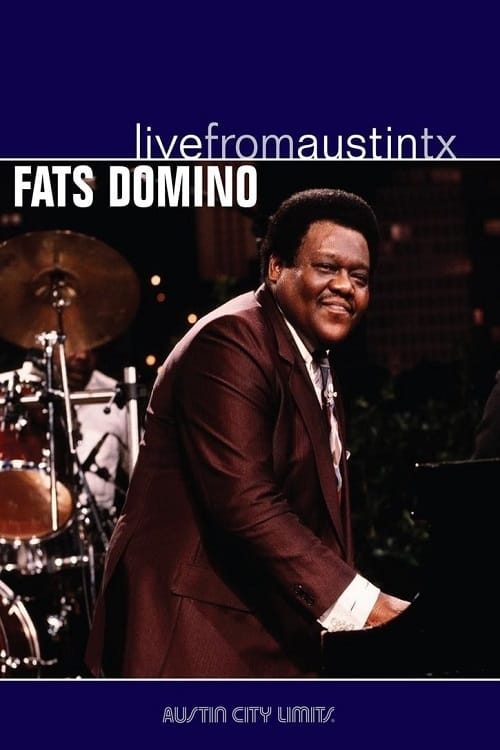
With a 67% Success Ratio (movies rated above 6.5), Clarence Brown remains a reliable draw for studios. Their peak performance was recorded in Fats Domino Live from Austin Texas, which continues to be the benchmark for their career rating-wise.
Best Clarence Brown Movies Ranked
Must-watch hits from Clarence Brown's career based on audience ratings.


Complete Filmography & Success Status
Tracking the career evolution and box office verdicts of Clarence Brown.
| Year | Movie | Character | Success | More |
|---|---|---|---|---|
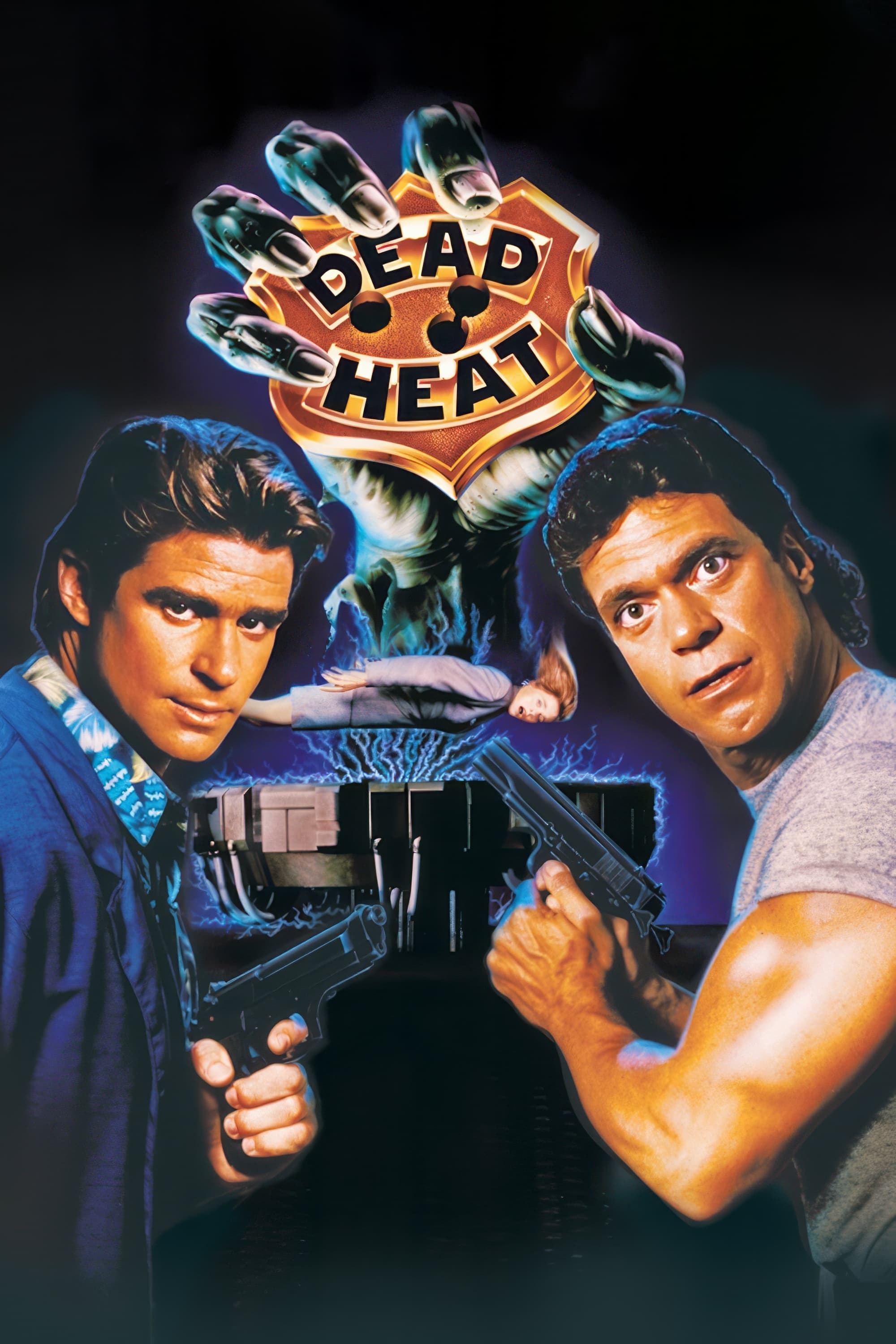
| 1988 | Dead Heat | Harry Latham | Average | Similar → |
| 1986 | Fats Domino Live from Austin Texas | Batterie | Super Hit | Similar → |
| 1938 | Hollywood Goes to Town | Self | Hit | Similar → |
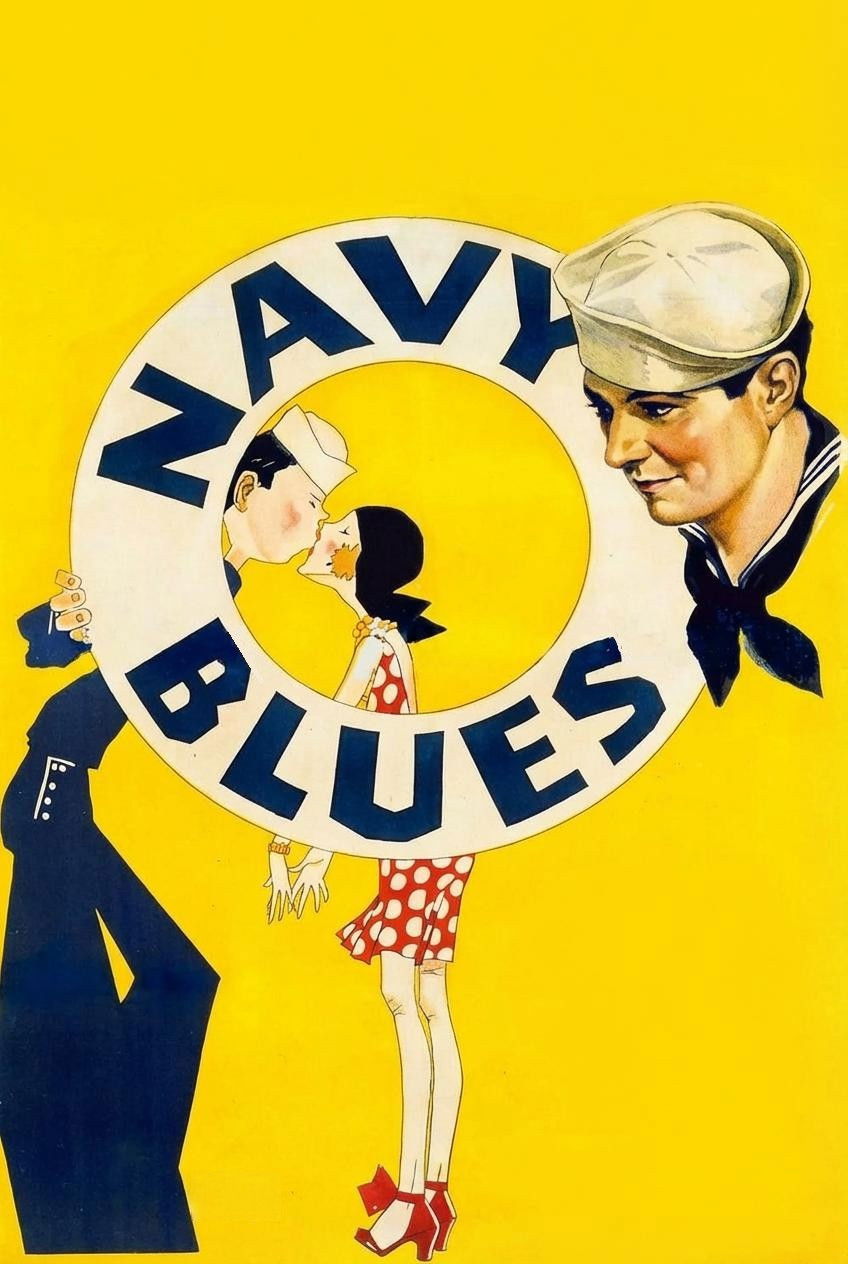
| 1929 | Navy Blues | Roller Coaster Rider | Hit | Similar → |
| 1925 | Ben-Hur: A Tale of the Christ | Chariot Race Spectator (uncredited) | Hit | Similar → |
| 1924 | The Signal Tower | Switch Man | Flop | Similar → |
Clarence Brown - Frequently Asked Questions
What is the best movie of Clarence Brown?
According to audience ratings, the best movie starring Clarence Brown is "Fats Domino Live from Austin Texas" with a rating of 10.0/10.
How many movies has Clarence Brown acted in?
Clarence Brown has been featured in at least 6 major films throughout their career.
What are some other popular movies by Clarence Brown?
Other notable films include "Ben-Hur: A Tale of the Christ", "Navy Blues", and "Hollywood Goes to Town".