
Claude Lévi-Strauss
ActingAbout Claude Lévi-Strauss
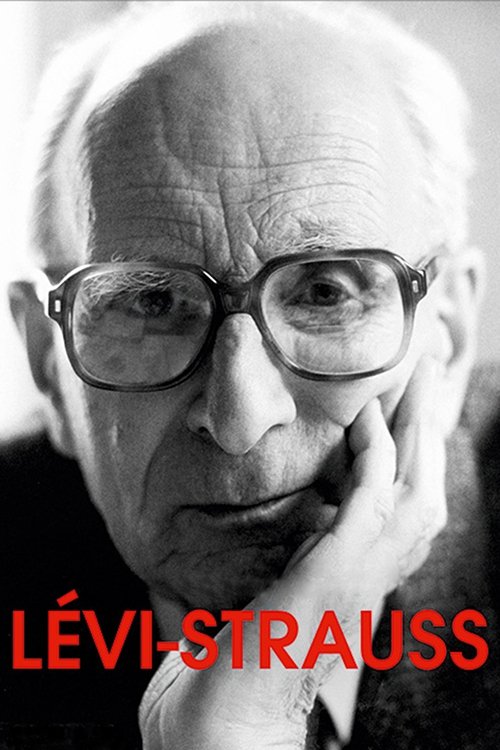
Claude Lévi-Strauss (28 November 1908 – 30 October 2009) was a French anthropologist and ethnologist, born in Belgium to French-Jewish parents living in Bruxelles, whose work was key in the development of the theories of structuralism and structural anthropology. He held the chair of Social Anthropology at the Collège de France between 1959 and 1982, was elected a member of the Académie française in 1973 and was a member of the School for Advanced Studies in the Social Sciences in Paris. He received numerous honors from universities and institutions throughout the world. Lévi-Strauss argued that the "savage" mind had the same structures as the "civilized" mind and that human characteristics are the same everywhere. These observations culminated in his famous book Tristes Tropiques (1955) that established his position as one of the central figures in the structuralist school of thought. As well as sociology, his ideas reached into many fields in the humanities, including philosophy. Structuralism has been defined as "the search for the underlying patterns of thought in all forms of human activity." He won the 1986 International Nonino Prize in Italy. Gustave Claude Lévi-Strauss was born in 1908 to French-Jewish (turned agnostic) parents who were living in Brussels at the time, where his father was working as a portrait painter. He grew up in Paris, living on a street of the upscale 16th arrondissement named after the artist Claude Lorrain, whose work he admired and later wrote about. During the First World War, from age 6 to 10, he lived with his maternal grandfather, who was the rabbi of (the synagogue of) Versailles. Despite his religious environment early on, Claude Lévi-Strauss was an atheist or agnostic, at least in his adult life. From 1918 to 1925 he studied at Lycée Janson de Sailly middle school, receiving a baccalaureate in June 1925 (age of 16). In his last year (1924), he was introduced to philosophy, including the works of Marx[citation needed] and Kant, and began shifting to the political left (however, unlike many other socialists, he never became communist). From 1925, he spent the next two years at the prestigious Lycée Condorcet preparing for the entrance exam to the highly selective École normale supérieure. However, for reasons that are not entirely clear, he decided not to take the exam. In 1926, he went to Sorbonne in Paris, studying law and philosophy, as well as engaging in socialist politics and activism. In 1929, he opted for philosophy over law (which he found boring), and from 1930 to 1931, put politics aside to focus on preparing for the agrégation in philosophy, in order to qualify as a professor. In 1931, he passed the agrégation, coming in 3rd place, and youngest in his class at age 22. By this time, the Great Depression had hit France, and Lévi-Strauss found himself needing to provide not only for himself, but his parents as well. In 1935, after a few years of secondary-school teaching, he took up a last-minute offer to be part of a French cultural mission to Brazil in which he would serve as a visiting professor of sociology at the University of São Paulo while his then wife, Dina, served as a visiting professor of ethnology. ... Source: Article "Claude Lévi-Strauss" from Wikipedia in English, licensed under CC-BY-SA 3.0.
Career Statistics & Market Influence
Analyzing the cinematic journey of Claude Lévi-Strauss reveals a career defined by diverse artistic exploration. With a total of 7 major appearances, the actor has established a significant footprint in global cinema.
Genre Dominance: Documentary
The majority of Claude Lévi-Strauss's filmography leans towards the Documentary genre. Audience data suggests that viewers respond most favorably to this persona, though their versatility has allowed for successful crossovers into other categories.
The "Box Office" Signature
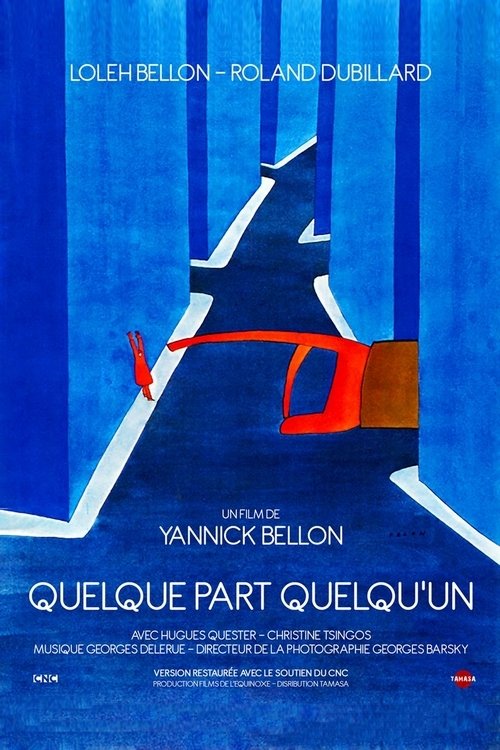
With a 0% Success Ratio (movies rated above 6.5), Claude Lévi-Strauss remains a reliable draw for studios. Their peak performance was recorded in Somewhere, Someone, which continues to be the benchmark for their career rating-wise.
Best Claude Lévi-Strauss Movies Ranked
Must-watch hits from Claude Lévi-Strauss's career based on audience ratings.

Complete Filmography & Success Status
Tracking the career evolution and box office verdicts of Claude Lévi-Strauss.
| Year | Movie | Character | Success | More |
|---|---|---|---|---|
| 2016 | The Lévi-Strauss Century | Self (archive footage) | Flop | Similar → |
| 1988 | O Brasil, Os Índios e, Finalmente, A USP | Self | Flop | Similar → |
| 1980 | In Search of Identity | - | Flop | Similar → |
| 1974 | Une approche de Claude Lévi-Strauss | - | Flop | Similar → |
| 1973 | Behind the Masks | Self | Flop | Similar → |
| 1972 | Somewhere, Someone | - | Average | Similar → |
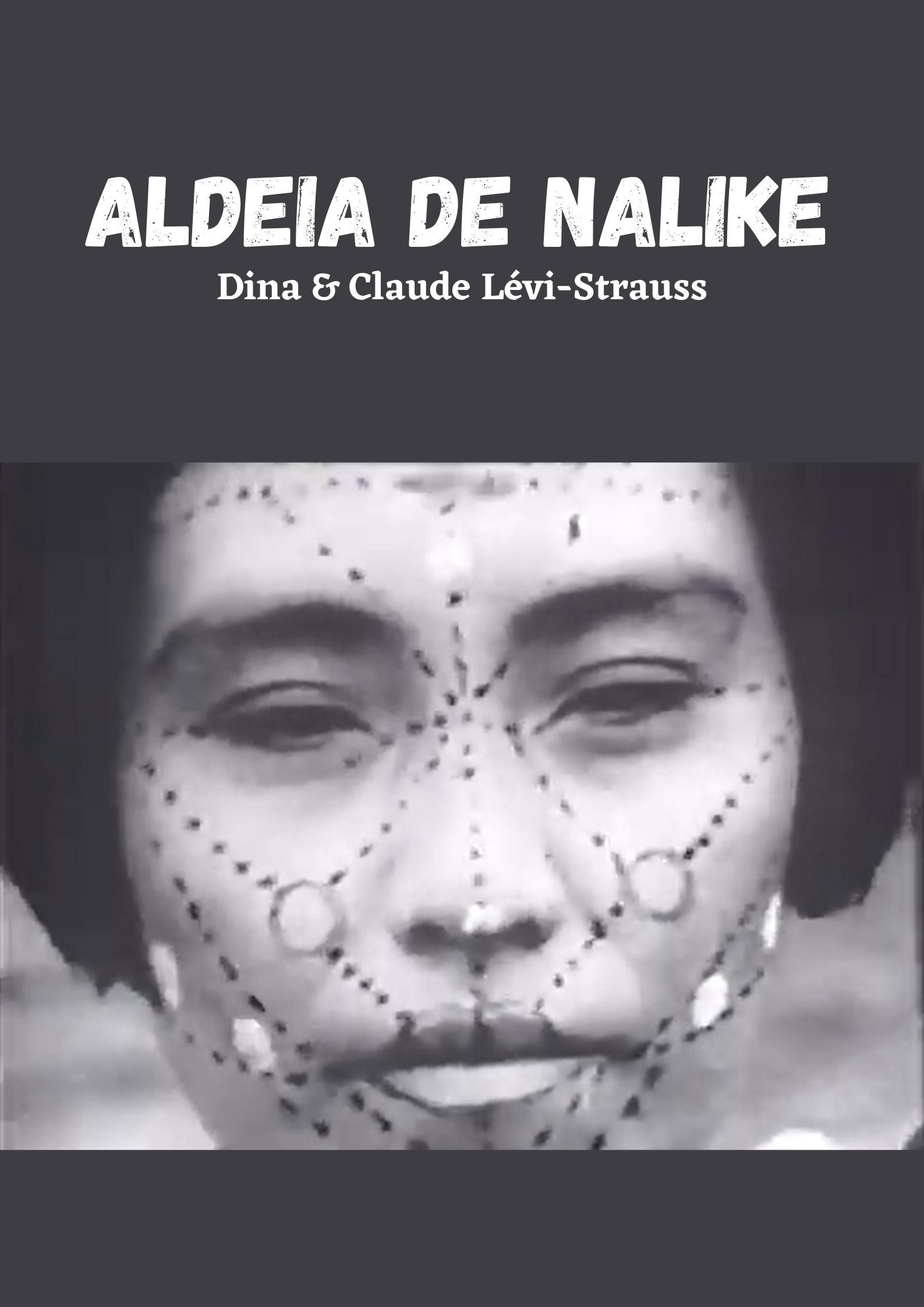
| 1936 | Aldeia de Nalike | Self | Flop | Similar → |
Claude Lévi-Strauss - Frequently Asked Questions
What is the best movie of Claude Lévi-Strauss?
According to audience ratings, the best movie starring Claude Lévi-Strauss is "Somewhere, Someone" with a rating of 6.1/10.
How many movies has Claude Lévi-Strauss acted in?
Claude Lévi-Strauss has been featured in at least 7 major films throughout their career.
What are some other popular movies by Claude Lévi-Strauss?
Other notable films include "O Brasil, Os Índios e, Finalmente, A USP", "Aldeia de Nalike", and "Behind the Masks".