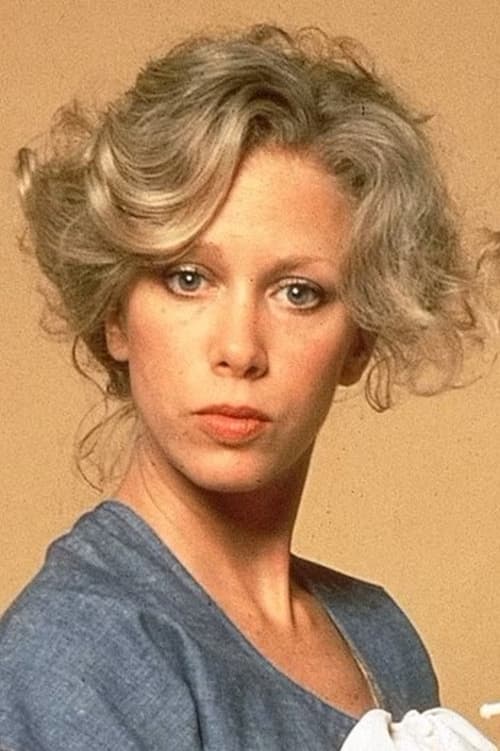
Connie Booth
ActingAbout Connie Booth
Constance "Connie" Booth (born 2 December 1940) is an American writer and actress, known for appearances on British television and particularly for her portrayal of Polly Sherman in the popular 1970s television show Fawlty Towers, which she co-wrote with her then husband John Cleese. In 1995, she quit acting and worked as a psychotherapist until her retirement. Booth was born in Indianapolis, Indiana, on December 2, 1940. Her father was a Wall Street stockbroker and her mother was an actress. The family later moved to New York State. Booth entered acting and worked as a Broadway understudy and waitress. She met John Cleese while he was working in New York City; they married on February 20, 1968. Booth secured parts in episodes of Monty Python's Flying Circus (1969–74) and in the Python films And Now for Something Completely Different (1971) and Monty Python and the Holy Grail (1975, as a woman accused of being a witch). She also appeared in How to Irritate People (1968), a pre-Monty Python film starring Cleese and other future Monty Python members; a short film titled Romance with a Double Bass (1974) which Cleese adapted from a short story by Anton Chekhov; and The Strange Case of the End of Civilization as We Know It (1977), Cleese's Sherlock Holmes spoof, as Mrs. Hudson Booth and Cleese co-wrote and co-starred in Fawlty Towers (1975 and 1979), in which she played waitress and chambermaid Polly. For thirty years Booth declined to talk about the show until she agreed to participate in a documentary about the series for the digital channel Gold in 2009. Booth played various roles on British television, including Sophie in Dickens of London (1976), Mrs. Errol in a BBC adaptation of Little Lord Fauntleroy (1980) and Miss March in a dramatisation of Edith Wharton's The Buccaneers (1995). She also starred in the lead role of a drama called The Story of Ruth (1981), in which she played the role of the schizophrenic daughter of an abusive father. In 1994, she played a supporting role in "The Culex Experiment", an episode of the children's science fiction TV series The Tomorrow People. Booth also had a stage career, primarily in the London theatre, appearing in 10 productions from the mid-1970s through the mid-1990s, notably starring with John Mills in the 1983–1984 West End production of Little Lies at Wyndham's Theatre
Career Statistics & Market Influence
Analyzing the cinematic journey of Connie Booth reveals a career defined by diverse artistic exploration. With a total of 38 major appearances, the actor has established a significant footprint in global cinema.
Genre Dominance: Comedy
The majority of Connie Booth's filmography leans towards the Comedy genre. Audience data suggests that viewers respond most favorably to this persona, though their versatility has allowed for successful crossovers into other categories.
The "Box Office" Signature
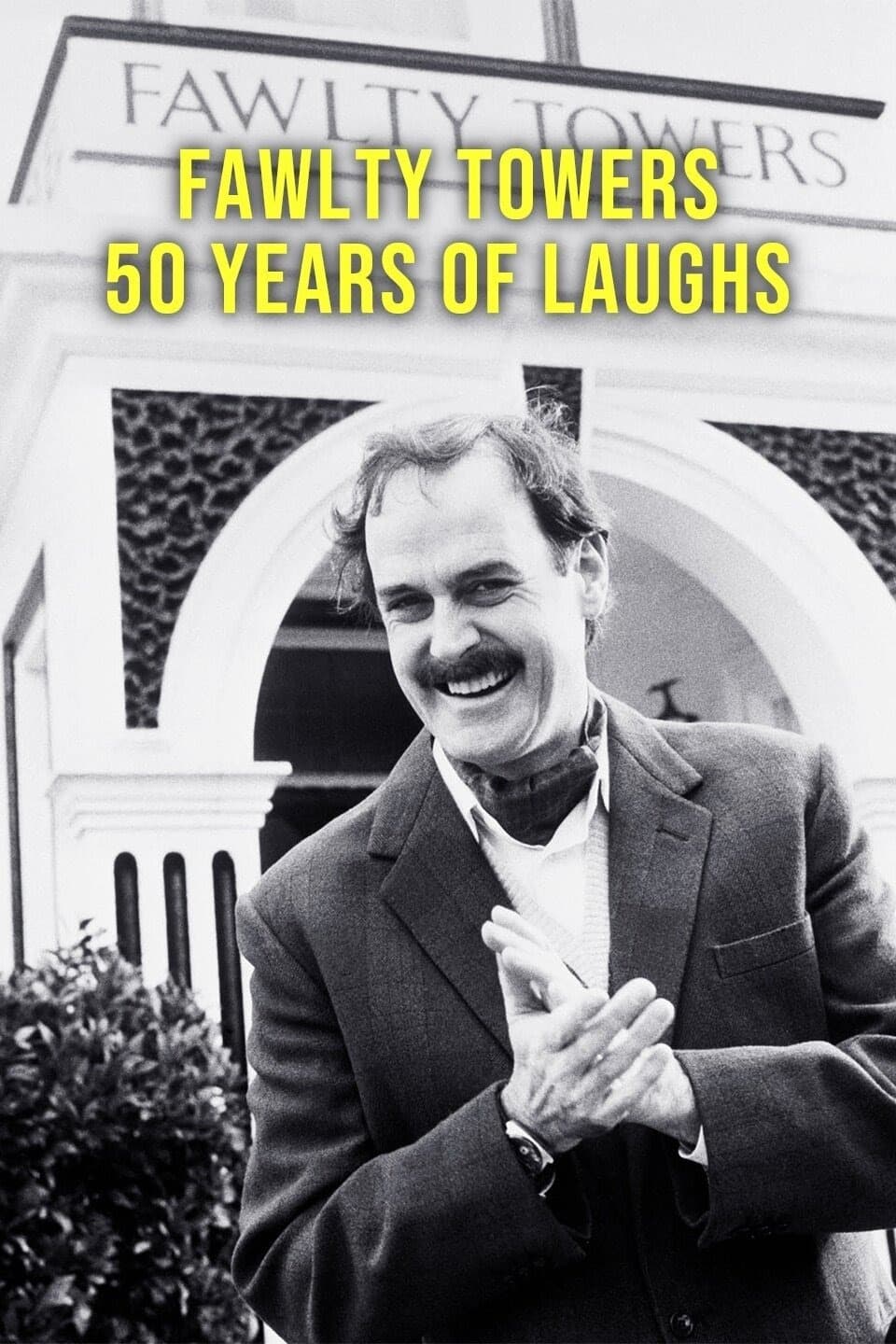
With a 34% Success Ratio (movies rated above 6.5), Connie Booth remains a reliable draw for studios. Their peak performance was recorded in Fawlty Towers: 50 Years of Laughs, which continues to be the benchmark for their career rating-wise.
Best Connie Booth Movies Ranked
Must-watch hits from Connie Booth's career based on audience ratings.

Complete Filmography & Success Status
Tracking the career evolution and box office verdicts of Connie Booth.
Connie Booth - Frequently Asked Questions
What is the best movie of Connie Booth?
According to audience ratings, the best movie starring Connie Booth is "Fawlty Towers: 50 Years of Laughs" with a rating of 9.0/10.
How many movies has Connie Booth acted in?
Connie Booth has been featured in at least 38 major films throughout their career.
What are some other popular movies by Connie Booth?
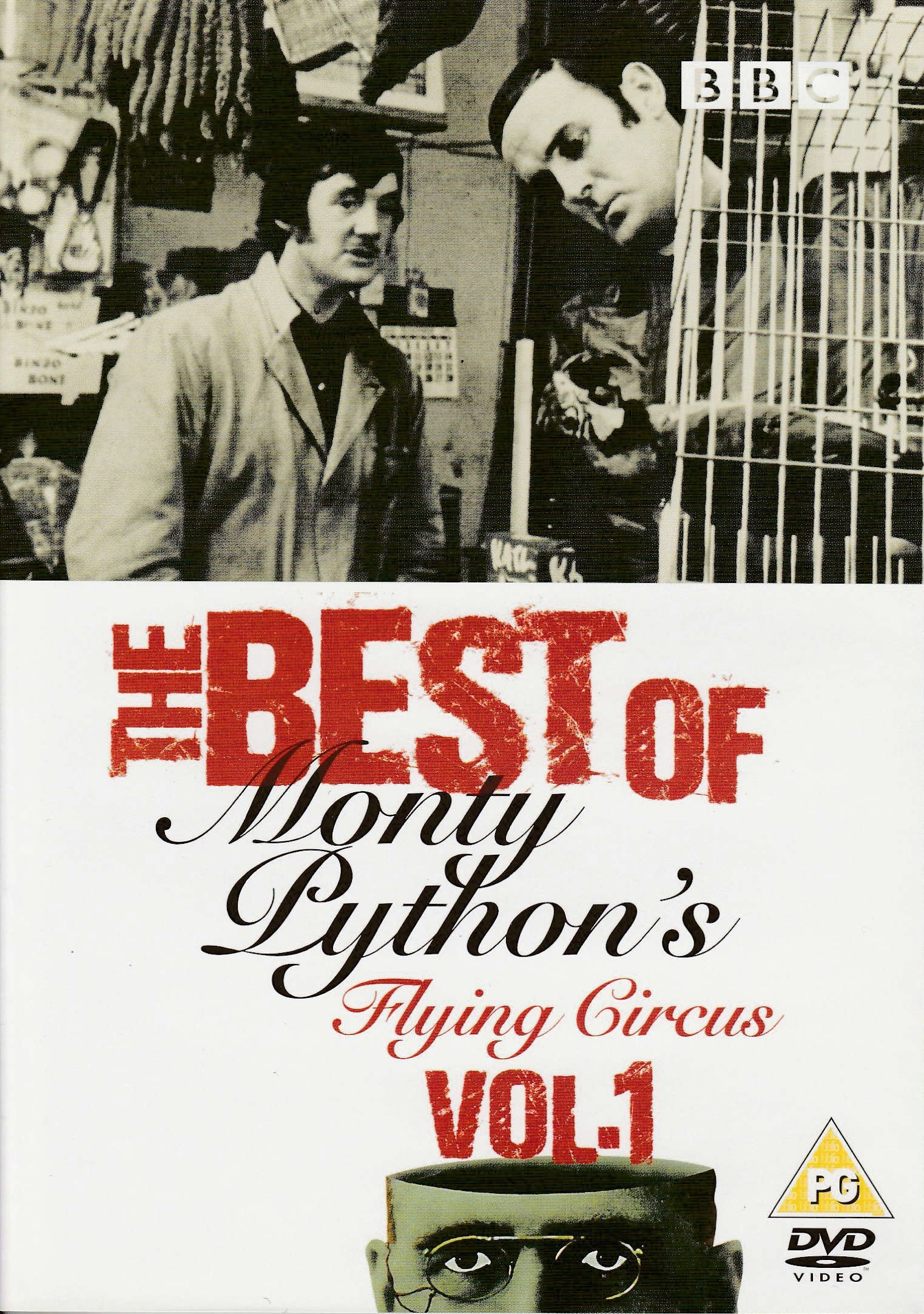
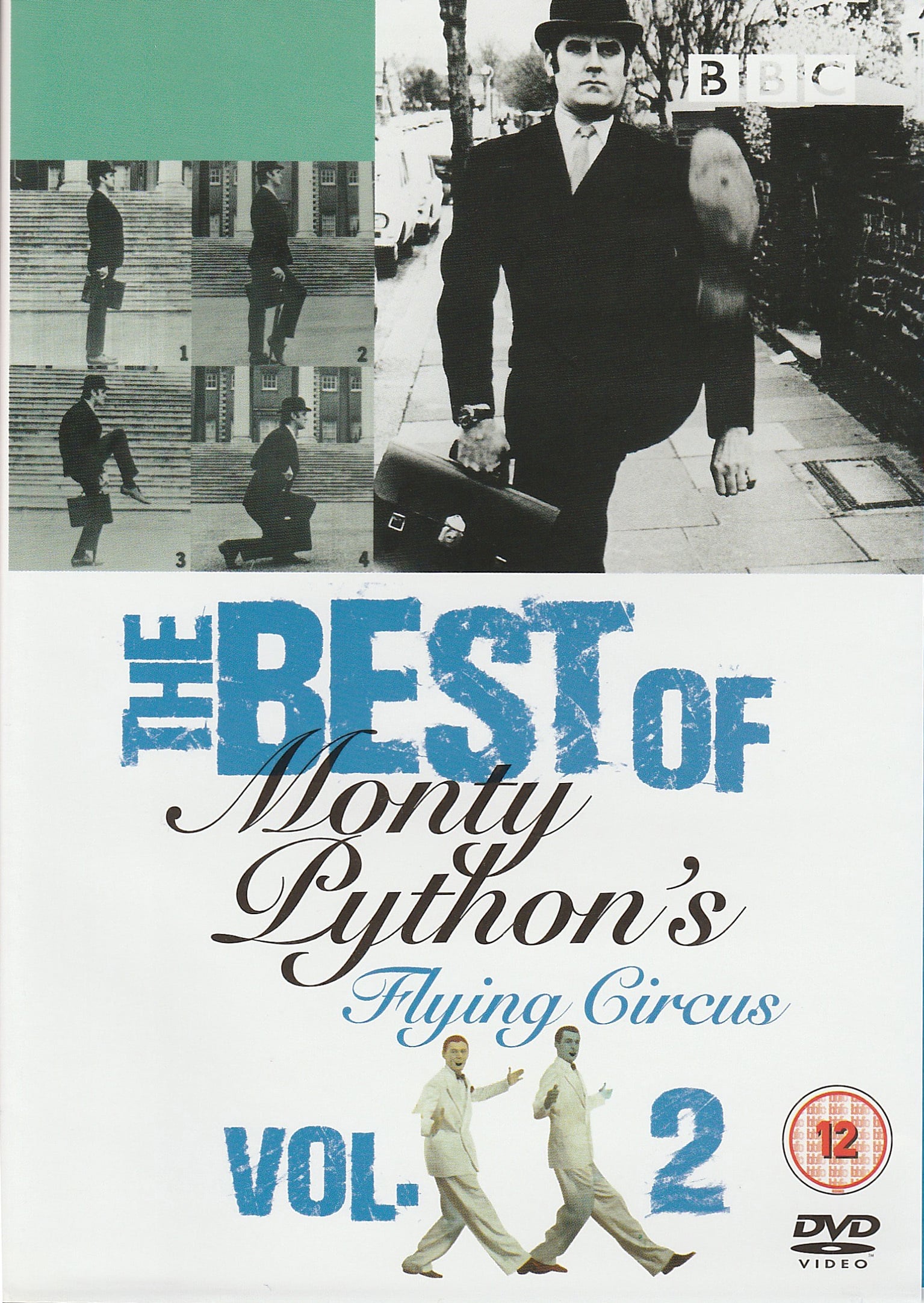
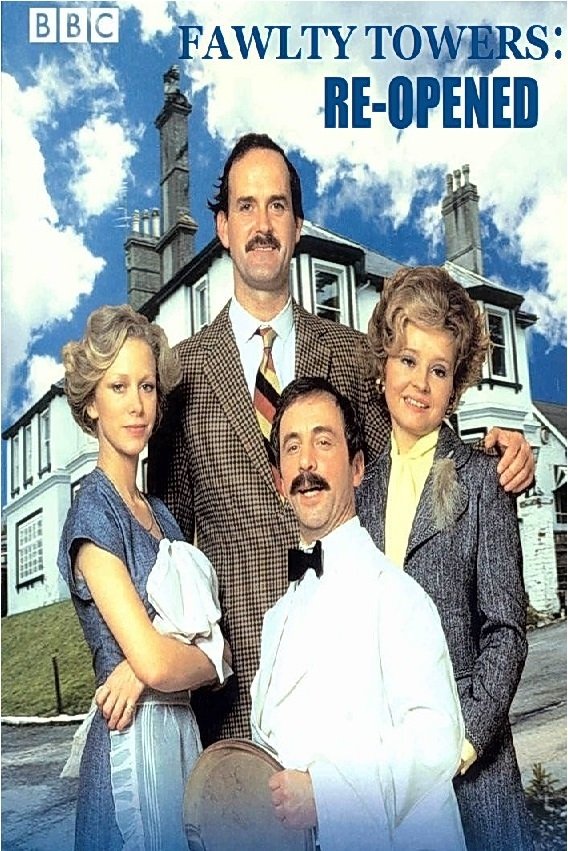
Other notable films include "The Best of Monty Python's Flying Circus Volume 1", "The Best of Monty Python's Flying Circus Volume 2", and "Fawlty Towers: Re-Opened".