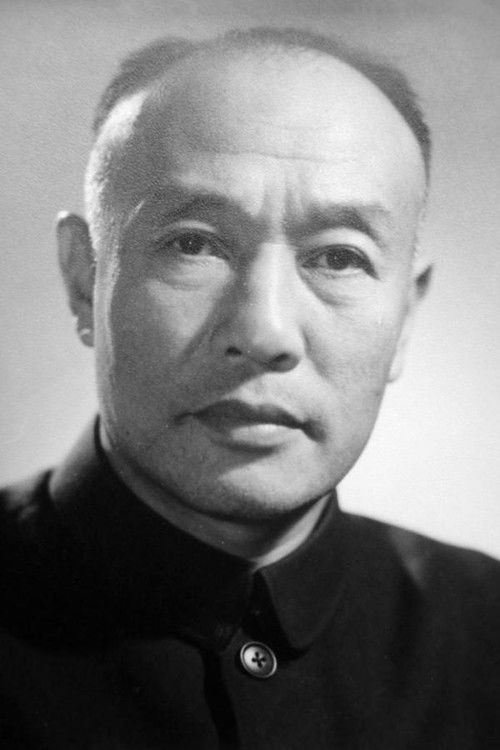
Cui Wei
DirectingAbout Cui Wei
Cui Wei (14 October 1912 – 7 February 1979), born Cui Jingwen, was a Chinese film director and actor. In 1962, Cui won the Hundred Flowers Award for Best Actor as Zhu Laogong in Keep Red Flag Flying (1960). Cui Jingwen was born on 14 October, 1912 into a poor peasant family. He started working at the age of twelve. Cui was able to attend a school in Qingdao due to the help of a relative but was expelled due to his Communist political activities. In 1930, having briefly studied scriptwriting at Shandong Provincial Experimental Theatre, he organized the Seagull Theatrical Troupe and wrote stage play scripts. In 1932, he joined the League of Left-Wing Dramatists and traveled to the east and north of China, performing in leftist activities to promote patriontism against the Japanese invasion. After studying theatre, Cui moved to Shanghai in 1935 and was a part of the leftist theatre movement. He adapted the play Lay Down Your Whip for street performances. In 1938, Cui joined the Chinese Communist Party (CCP) and taught at the Lu Xun College of Arts in Yan'an. In 1949, he was appointed as director of the Cultural Bureau of the Central and South China District. He was also elected deputy of the Third National People's Congress, member of the 5th National Committee of the Chinese People's Political Consultive Conference, and the China Federation of Literature and Art Circles. In 1954, Cui made his acting debut as the male lead in The Rebels (1955). In 1955, he quit his job at the CCP to join Beijing Film Studio and starred and multiple other films such as The Spirit of the Sea (1957), New Story of an Old Soldier (1959), and Keep Red Flag Flying (1960). For his performance in the latter, he won Best Actor at the 1st Hundred Flowers Awards. He also directed and co-directed films such as Song of Youth (1959), an adaptation from Yang Mo's novel of the same name, Zhang Ga, a Boy Soldier (1963), a children's film, and Women Warriors of the Yang Family (1960), which was an adaptation of a traditional opera. In 1966, Cui was repeatedly subjected to censorship and, in 1968, was imprisoned and sent to reform through labor. He was released in 1972.
Career Statistics & Market Influence
Analyzing the cinematic journey of Cui Wei reveals a career defined by diverse artistic exploration. With a total of 7 major appearances, the actor has established a significant footprint in global cinema.
Genre Dominance: Drama
The majority of Cui Wei's filmography leans towards the Drama genre. Audience data suggests that viewers respond most favorably to this persona, though their versatility has allowed for successful crossovers into other categories.
The "Box Office" Signature
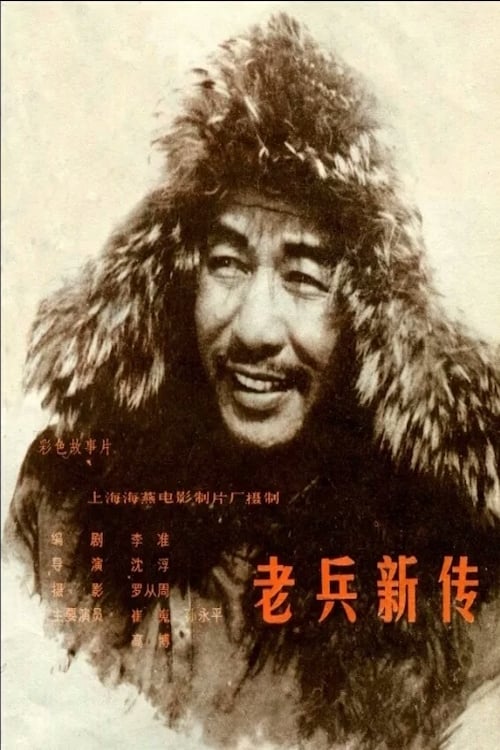
With a 0% Success Ratio (movies rated above 6.5), Cui Wei remains a reliable draw for studios. Their peak performance was recorded in New Story of an Old Soldier, which continues to be the benchmark for their career rating-wise.
Best Cui Wei Movies Ranked
Must-watch hits from Cui Wei's career based on audience ratings.

Complete Filmography & Success Status
Tracking the career evolution and box office verdicts of Cui Wei.
| Year | Movie | Character | Success | More |
|---|---|---|---|---|
| 1960 | Keep the Red Flag Flying | Zhu Laogong | Flop | Similar → |
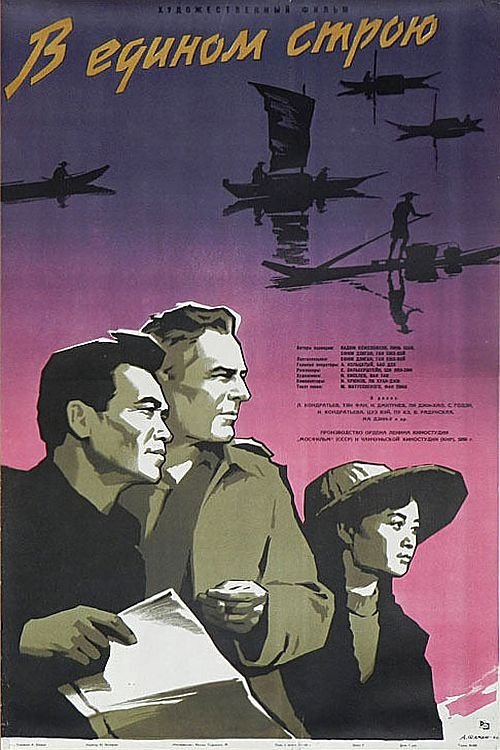
| 1959 | Wind from the East | city committee secretary | Average | Similar → |
| 1959 | New Story of an Old Soldier | Farm head Zhan | Average | Similar → |
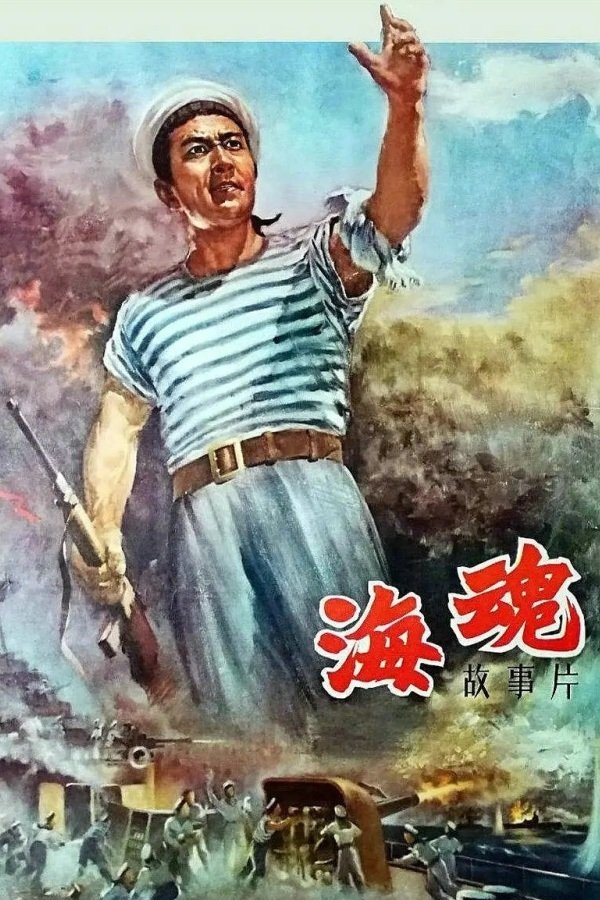
| 1958 | Soul of the Sea | Erpeng Dou | Flop | Similar → |
| 1956 | 黄花岭 | 李洪奎 | Flop | Similar → |
| 1955 | Song Jing Shi | Jingshi Song | Flop | Similar → |
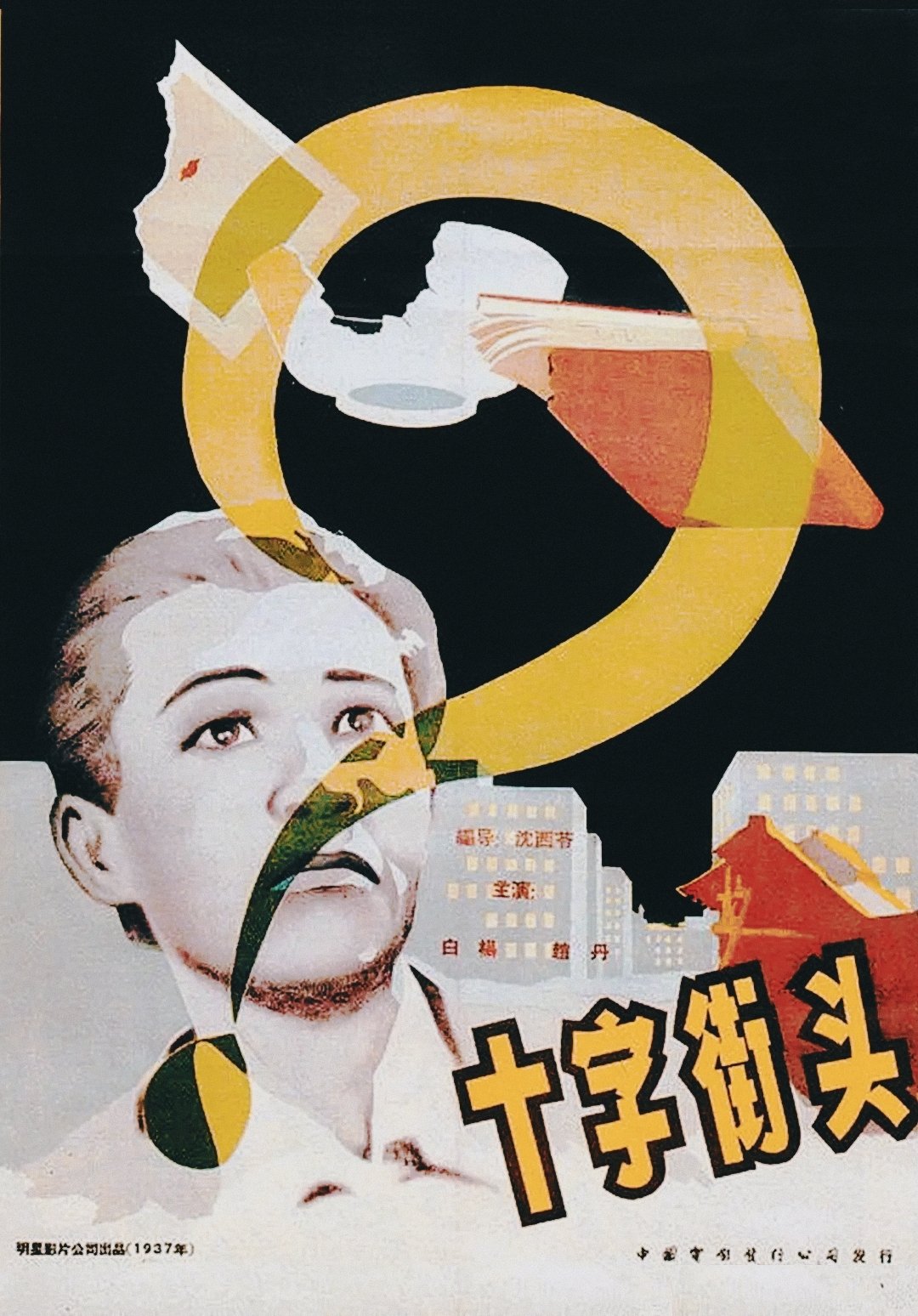
| 1937 | Crossroads | - | Average | Similar → |
Cui Wei - Frequently Asked Questions
What is the best movie of Cui Wei?
According to audience ratings, the best movie starring Cui Wei is "New Story of an Old Soldier" with a rating of 6.0/10.
How many movies has Cui Wei acted in?
Cui Wei has been featured in at least 7 major films throughout their career.
What are some other popular movies by Cui Wei?
Other notable films include "Wind from the East", "Crossroads", and "Song Jing Shi".