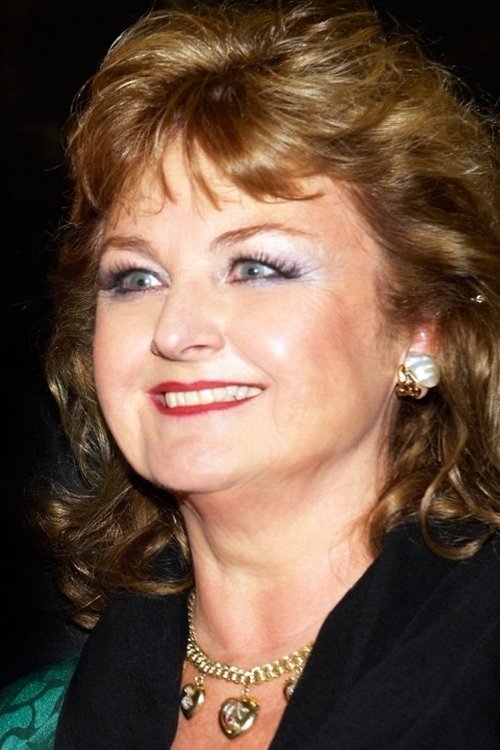
Edita Gruberova
ActingAbout Edita Gruberova
Edita Gruberová (23 December 1946 – 18 October 2021) was a Slovak coloratura soprano. She made her stage debut in Bratislava in 1968 as Rosina in Rossini's Il barbiere di Siviglia, and successfully auditioned at the Vienna State Opera the following year, which became her base. She received international recognition for roles such as Mozart's Queen of the Night in Die Zauberflöte and Zerbinetta in Ariadne auf Naxos by Richard Strauss. In her later career, she explored heavier roles in the Italian bel canto repertoire, such as the title role in Donizetti's Lucia di Lammermoor, and Elvira in Bellini's I puritani. In 2019, she portrayed Elisabetta in Donizetti's Roberto Devereux, who leaves her throne, concluding a stage career performing leading roles over 51 years. She is remembered as the "Slowakische Nachtigall" (Slovak Nightingale), and as prima donna assoluta. Edita Gruberová was born on 23 December 1946 in Rača, Bratislava, to a German father and a Hungarian mother. As an anti-communist, her father survived a five-year prison sentence for treason. Her father drank and she developed a close relationship with her mother. She sang in a school choir and in the children's choir of the broadcaster. The pastor of the parish where she prepared for Confirmation accompanied her when she sang solos at church, and prepared her in piano playing to pass the exam to enter the conservatory. Gruberová began her musical studies at the Bratislava Conservatory (Konzervatórium v Bratislave), where she was a student of Mária Medvecká. She then continued at the Academy of Performing Arts in Bratislava (VŠMU). While studying there, she was a singer of the Lúčnica folk ensemble and appeared several times in the Slovak National Theatre. She would later study with Ruthilde Boesch in Vienna. In 1968, Gruberová made her operatic debut at the National Theatre in Bratislava as Rosina in Rossini's Il barbiere di Siviglia. After winning a singing competition in Toulouse, she was then engaged as a soloist of the opera ensemble of the J. G. Tajovský Theatre in Banská Bystrica, Slovakia, from 1968 to 1970. Among her roles was Eliza Doolittle in Loewe's musical My Fair Lady. Since communist Czechoslovakia was going through normalisation, during which the borders to non-communist countries were closed, Medvecká surreptitiously arranged for an audition for Gruberová at the Vienna State Opera in the summer of 1969. She was immediately engaged, and made her breakthrough the following year when she appeared as the Queen of the Night in Mozart's Die Zauberflöte. In 1971, Gruberová decided to emigrate to the West. She became a member of the Vienna State Opera in 1972, where she was only given secondary and supporting roles in her early years. She was invited to perform at many of the most important opera houses in the world, especially in coloratura roles. Gruberová made her debut at Glyndebourne in 1973 as the Queen of the Night. She became an Austrian citizen in 1974. ... Source: Article "Edita Gruberová" from Wikipedia in English, licensed under CC-BY-SA 3.0.
Career Statistics & Market Influence
Analyzing the cinematic journey of Edita Gruberova reveals a career defined by diverse artistic exploration. With a total of 21 major appearances, the actor has established a significant footprint in global cinema.
Genre Dominance: Music
The majority of Edita Gruberova's filmography leans towards the Music genre. Audience data suggests that viewers respond most favorably to this persona, though their versatility has allowed for successful crossovers into other categories.
The "Box Office" Signature
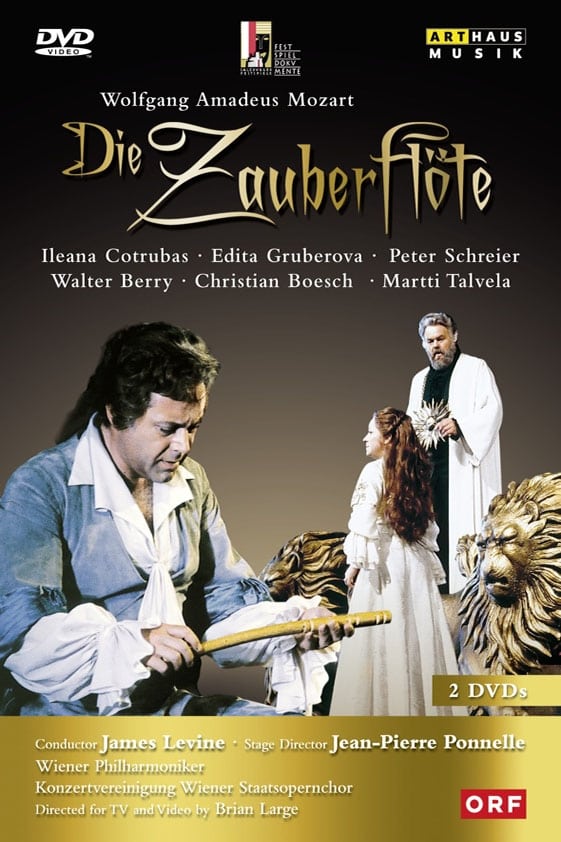
With a 24% Success Ratio (movies rated above 6.5), Edita Gruberova remains a reliable draw for studios. Their peak performance was recorded in The Magic Flute, which continues to be the benchmark for their career rating-wise.
Best Edita Gruberova Movies Ranked
Must-watch hits from Edita Gruberova's career based on audience ratings.
Complete Filmography & Success Status
Tracking the career evolution and box office verdicts of Edita Gruberova.
Edita Gruberova - Frequently Asked Questions
What is the best movie of Edita Gruberova?
According to audience ratings, the best movie starring Edita Gruberova is "The Magic Flute" with a rating of 10.0/10.
How many movies has Edita Gruberova acted in?
Edita Gruberova has been featured in at least 21 major films throughout their career.
What are some other popular movies by Edita Gruberova?
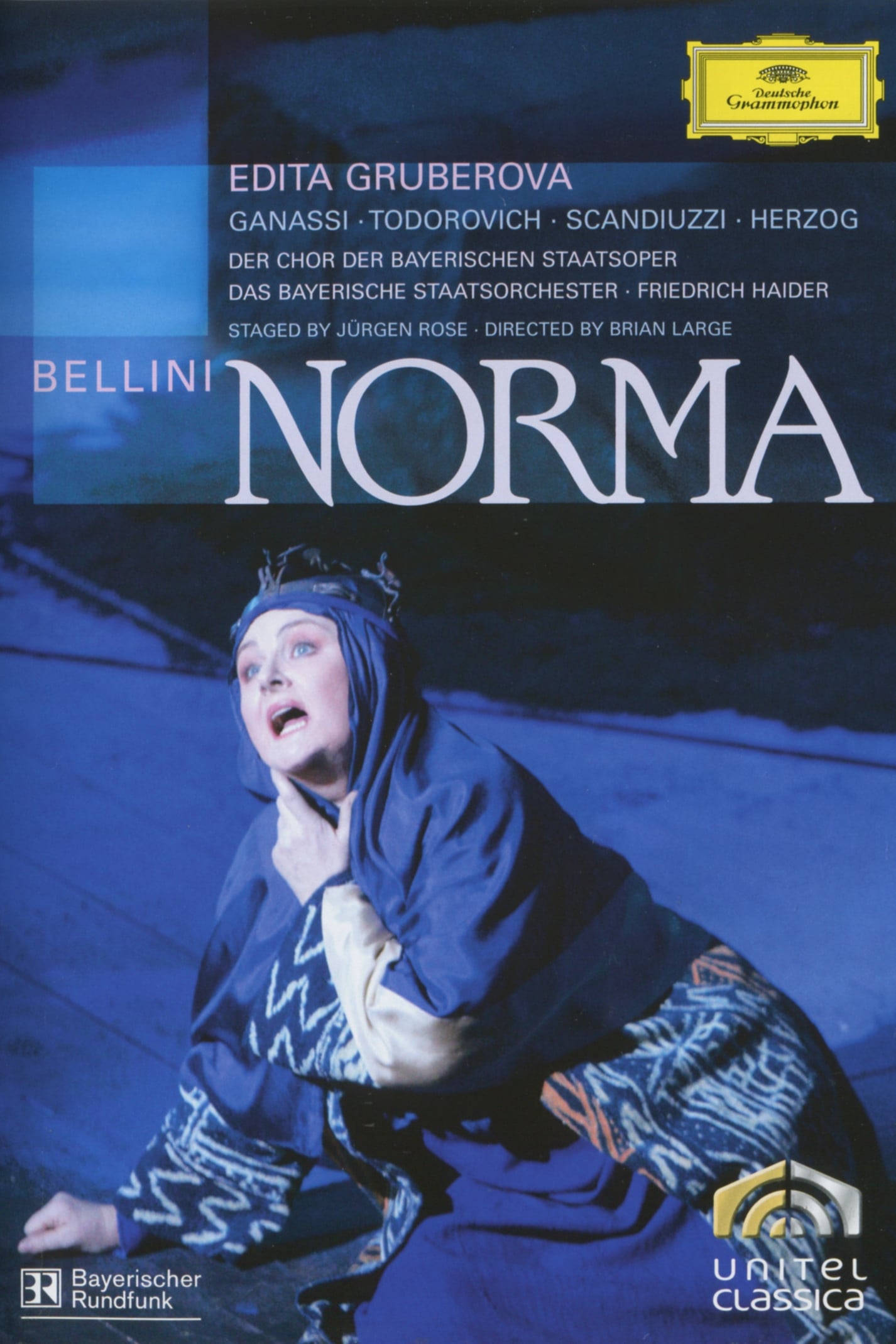
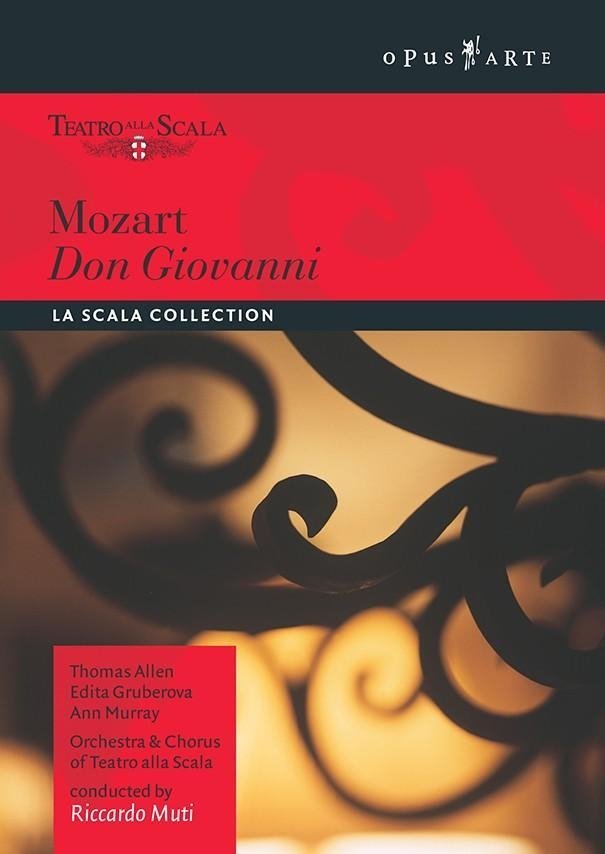
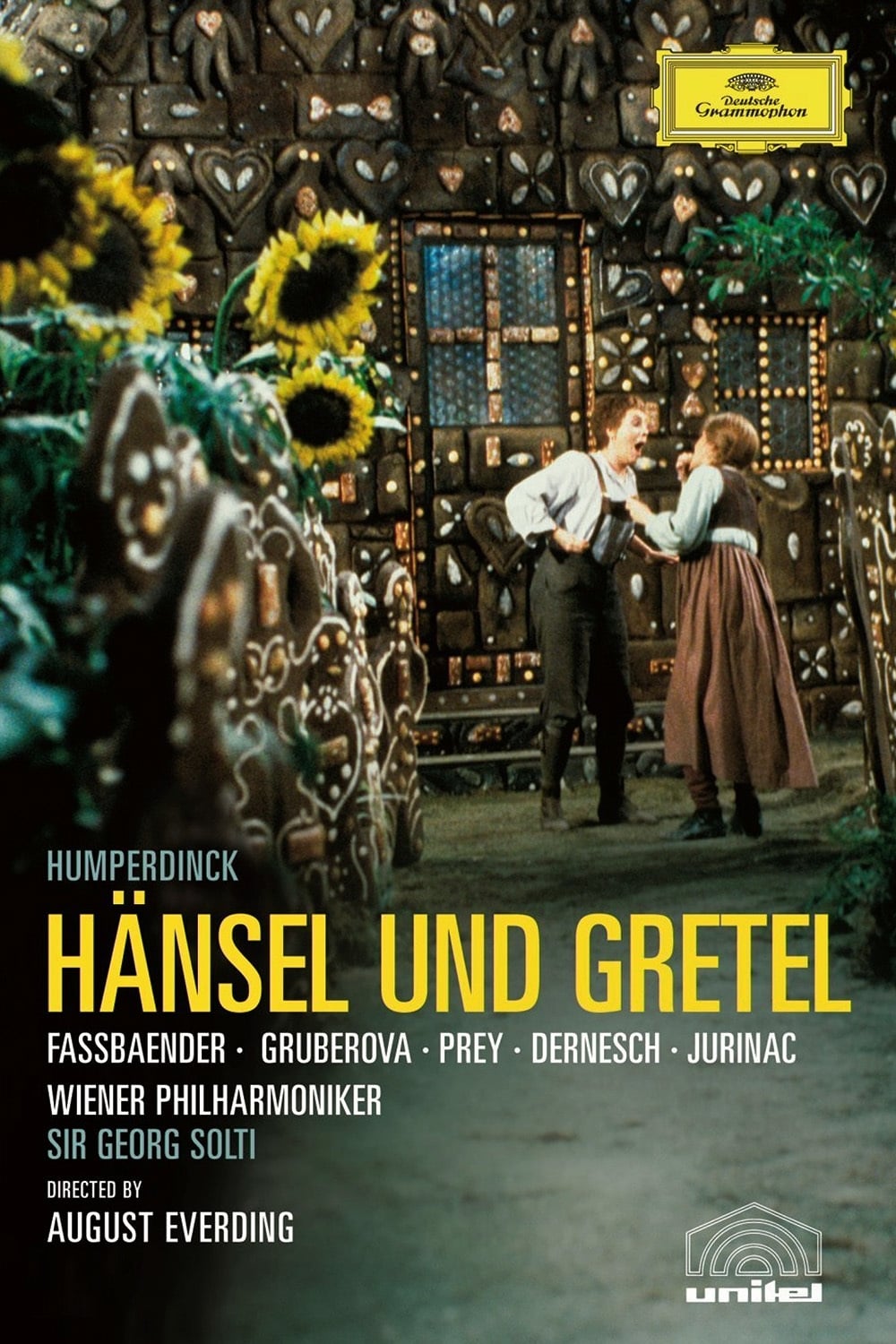
Other notable films include "Norma", "Don Giovanni", and "Hänsel und Gretel".