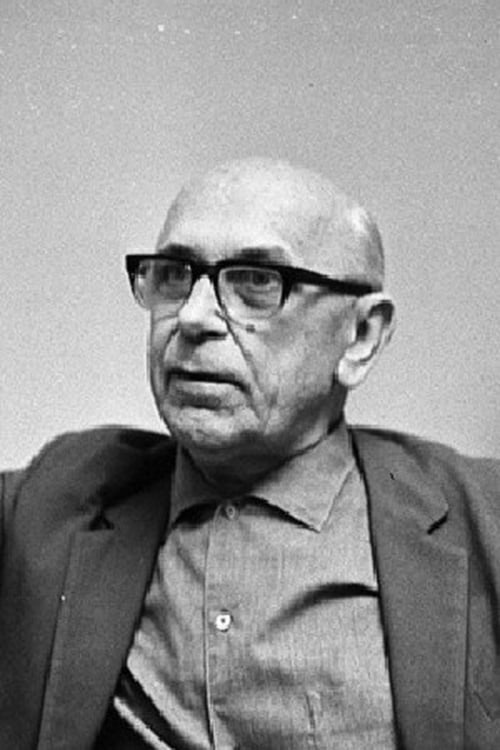
Eugenio Kusnet
ActingAbout Eugenio Kusnet
Eugene Shamansky Kuznetsov, Cyrillic: Евгений Шаманский-Кузнецов) (Kherson Oblast, Russian Empire, December 29, 1898 — São Paulo, August 29, 1975), better known as Eugene Kusnet, was an actor, Russian theater director and teacher based in Brazil, considered the promoter of the Stanislavski method in the country and the most prominent actor to use this method on Brazilian stages.
Career Statistics & Market Influence
Analyzing the cinematic journey of Eugenio Kusnet reveals a career defined by diverse artistic exploration. With a total of 14 major appearances, the actor has established a significant footprint in global cinema.
Genre Dominance: Comedy
The majority of Eugenio Kusnet's filmography leans towards the Comedy genre. Audience data suggests that viewers respond most favorably to this persona, though their versatility has allowed for successful crossovers into other categories.
The "Box Office" Signature
With a 7% Success Ratio (movies rated above 6.5), Eugenio Kusnet remains a reliable draw for studios. Their peak performance was recorded in Hitler in the Third World, which continues to be the benchmark for their career rating-wise.
Best Eugenio Kusnet Movies Ranked
Must-watch hits from Eugenio Kusnet's career based on audience ratings.



Complete Filmography & Success Status
Tracking the career evolution and box office verdicts of Eugenio Kusnet.
| Year | Movie | Character | Success | More |
|---|---|---|---|---|
| 2021 | Desire Machine: 60 Years of Teatro Oficina | Self | Flop | Similar → |
| 1974 | Gente Que Transa | - | Flop | Similar → |
| 1968 | The Man Who Bought the World | Chefe do SC | Flop | Similar → |
| 1968 | Hitler in the Third World | - | Super Hit | Similar → |
| 1967 | A Derrota | - | Flop | Similar → |
| 1965 | Crônica da Cidade Amada | - | Flop | Similar → |
| 1961 | Tristeza do Jeca | Coronel Bonifácio | Average | Similar → |
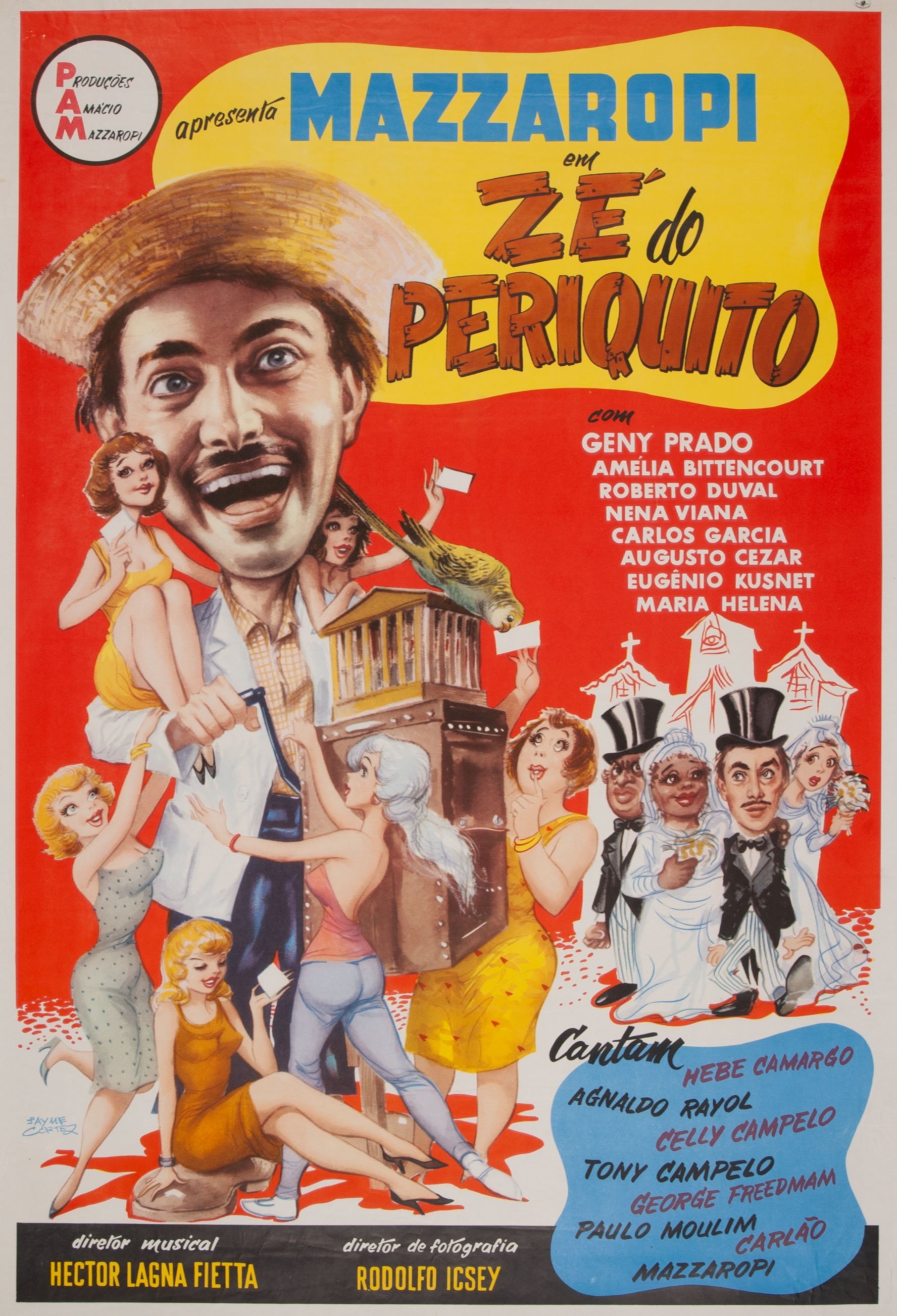
| 1961 | Zé do Periquito | Professor | Average | Similar → |
| 1960 | Cidade Ameaçada | - | Flop | Similar → |
| 1958 | Cara de Fogo | Tonico Pereira | Flop | Similar → |
| 1958 | I Married a Xavante | Cientista | Flop | Similar → |
| 1957 | Uma Certa Lucrécia | Alexandre | Average | Similar → |
| 1955 | A Estrada | Tomás | Flop | Similar → |
| 1953 | The Landowner's Daughter | Frei José | Flop | Similar → |
Eugenio Kusnet - Frequently Asked Questions
What is the best movie of Eugenio Kusnet?
According to audience ratings, the best movie starring Eugenio Kusnet is "Hitler in the Third World" with a rating of 8.4/10.
How many movies has Eugenio Kusnet acted in?
Eugenio Kusnet has been featured in at least 14 major films throughout their career.
What are some other popular movies by Eugenio Kusnet?
Other notable films include "Zé do Periquito", "Uma Certa Lucrécia", and "Tristeza do Jeca".