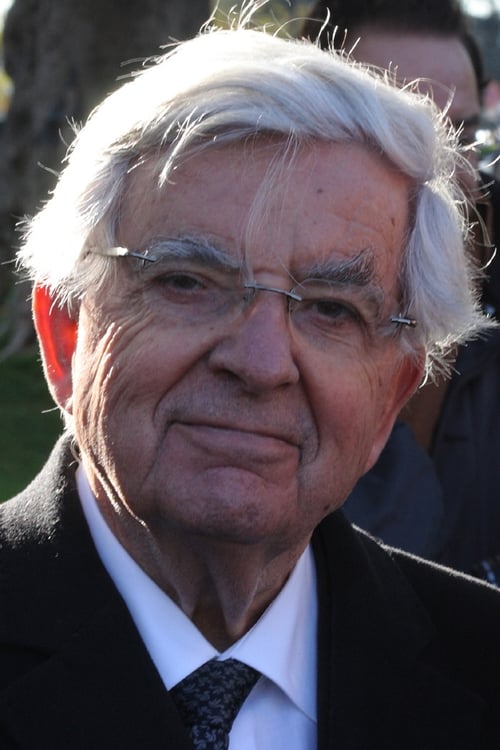
Jean-Pierre Chevènement
ActingAbout Jean-Pierre Chevènement
Jean-Pierre Chevènement (born 9 March 1939) is a French politician who served as a minister in the 1980s and 1990s best known for his candidacy in the 2002 French presidential election. After serving as mayor of Belfort, he was elected to the Senate for the Territoire de Belfort in 2008. As a cofounder of the PS and founder of the Republican and Citizen Movement (MRC), he is a significant figure of the French left. The Chevènement family is of Swiss origin, with their original name, Schwennemann, having been gallicized to Chevènement in the 18th century. He was born in Belfort near the Swiss border, speaks German, and studied in Vienna. Chevènement's idiosyncratic left-wing nationalism has led to comparison with the late British politician Peter Shore. He describes his Eurosceptic and Gaullist position as "republican". He was Mayor of Belfort from 1983 to 2008 and was a Deputy in the National Assembly from 1973 to 2002. He joined the French Section of the Workers' International (SFIO) and founded the Center for Socialist Studies, Research and Education (Centre d'études, de recherche et d'éducation socialistes or CERES). The organization constituted the left wing of the party, and promoted an alliance with the French Communist Party. In 1969 the SFIO was superseded by the Socialist Party (Parti socialiste or PS). Two years later, CERES supported the takeover of the party by François Mitterrand. It played a major role in drawing up the Socialist plan for victory in the 1981 elections. Chevènement was Minister of Research and Industry from 1981 to 1983, when he resigned, for the first of three times in his career. He disagreed with the change in economic policy made by President Mitterrand in order to stay in the European Monetary System. He has said that "a minister has to keep his mouth shut; if he wants to open it, he resigns". However, he returned to the cabinet as Minister of National Education from 1984 to 1986. Appointed Minister of Defence in 1988, he served until 1991, when he resigned due to his opposition to the Gulf War. After this he opposed the Maastricht Treaty, an issue on which Mitterrand and the PS led the "yes" campaign. In 1993 he left the PS and founded a new political party: the Citizens' Movement (Mouvement des citoyens or MDC). Chevènement and the MDC participated in the formation of the Plural Left coalition. When it won the 1997 legislative election he became Minister of the Interior in the government of Lionel Jospin. On 2 September 1998, Chevènement underwent surgery on his gall bladder. He then had a severe allergic reaction to the anesthetic, causing him to lapse into a coma for 8 days. He began to recover, leaving the hospital on 22 October, but he could not work in his ministry for another four months. As a result of this episode he gained the nickname "the miracle of the republic". For the third time, Chevènement resigned from the government in 2000 because of his opposition to giving increased autonomy to Corsica and in order to prepare his candidacy to the 2002 presidential elections. ... Source: Article "Jean-Pierre Chevènement" from Wikipedia in English, licensed under CC-BY-SA 3.0.
Career Statistics & Market Influence
Analyzing the cinematic journey of Jean-Pierre Chevènement reveals a career defined by diverse artistic exploration. With a total of 7 major appearances, the actor has established a significant footprint in global cinema.
Genre Dominance: Documentary
The majority of Jean-Pierre Chevènement's filmography leans towards the Documentary genre. Audience data suggests that viewers respond most favorably to this persona, though their versatility has allowed for successful crossovers into other categories.
The "Box Office" Signature
With a 29% Success Ratio (movies rated above 6.5), Jean-Pierre Chevènement remains a reliable draw for studios. Their peak performance was recorded in Gisèle Halimi : La Cause des femmes, which continues to be the benchmark for their career rating-wise.
Best Jean-Pierre Chevènement Movies Ranked
Must-watch hits from Jean-Pierre Chevènement's career based on audience ratings.


Complete Filmography & Success Status
Tracking the career evolution and box office verdicts of Jean-Pierre Chevènement.
| Year | Movie | Character | Success | More |
|---|---|---|---|---|
| 2022 | Gisèle Halimi : La Cause des femmes | Self | Super Hit | Similar → |
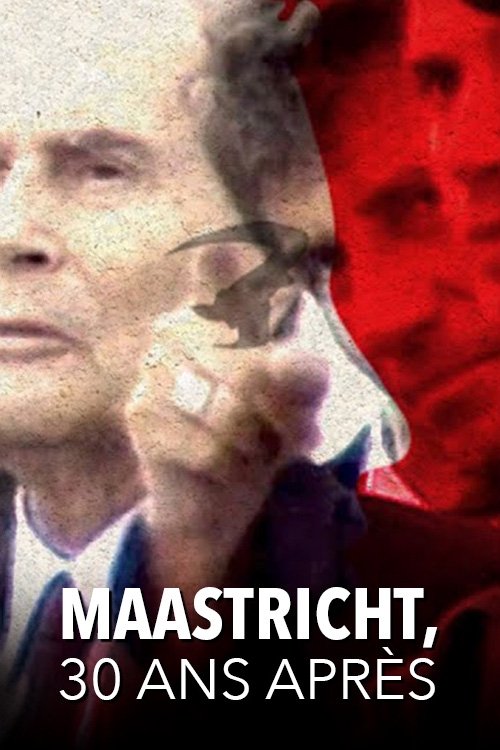
| 2022 | Maastricht, 30 ans après | Self | Flop | Similar → |
| 2021 | L'ENA - Pourquoi tant de haine ? | Self - Guest | Flop | Similar → |
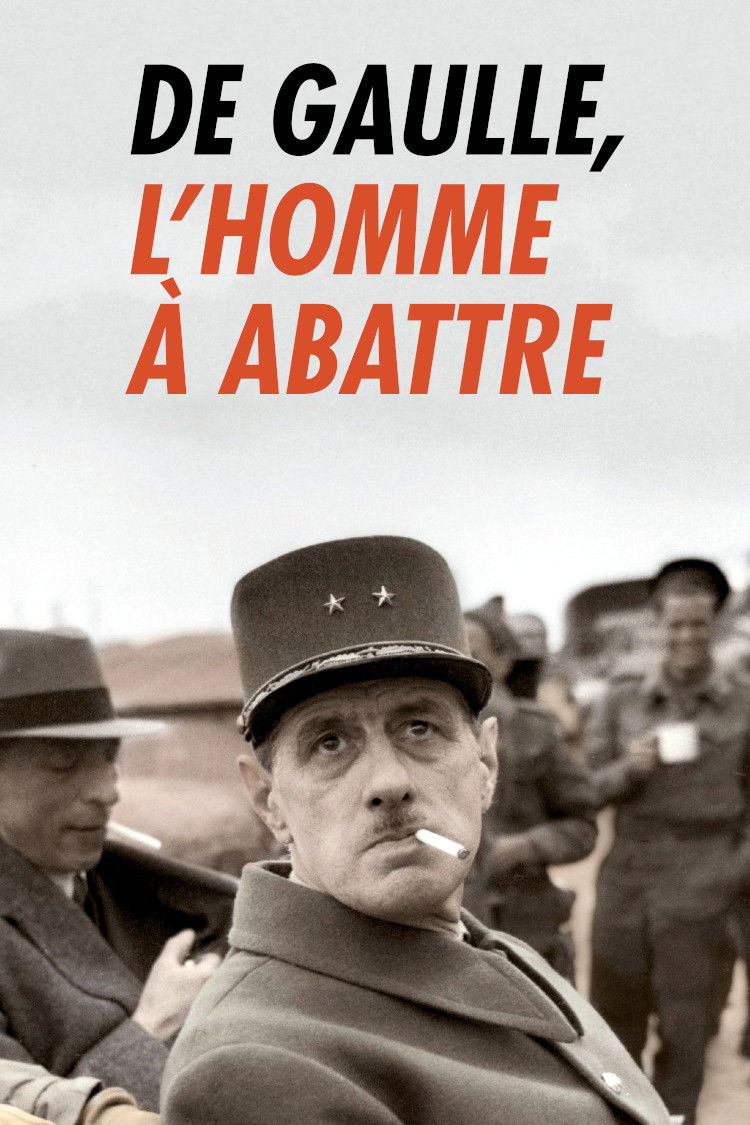
| 2020 | De Gaulle, l'homme à abattre | Self | Hit | Similar → |
| 2016 | Mitterrand, the impossible legacy | self | Flop | Similar → |
| 2014 | Ministre ou rien | Self | Flop | Similar → |
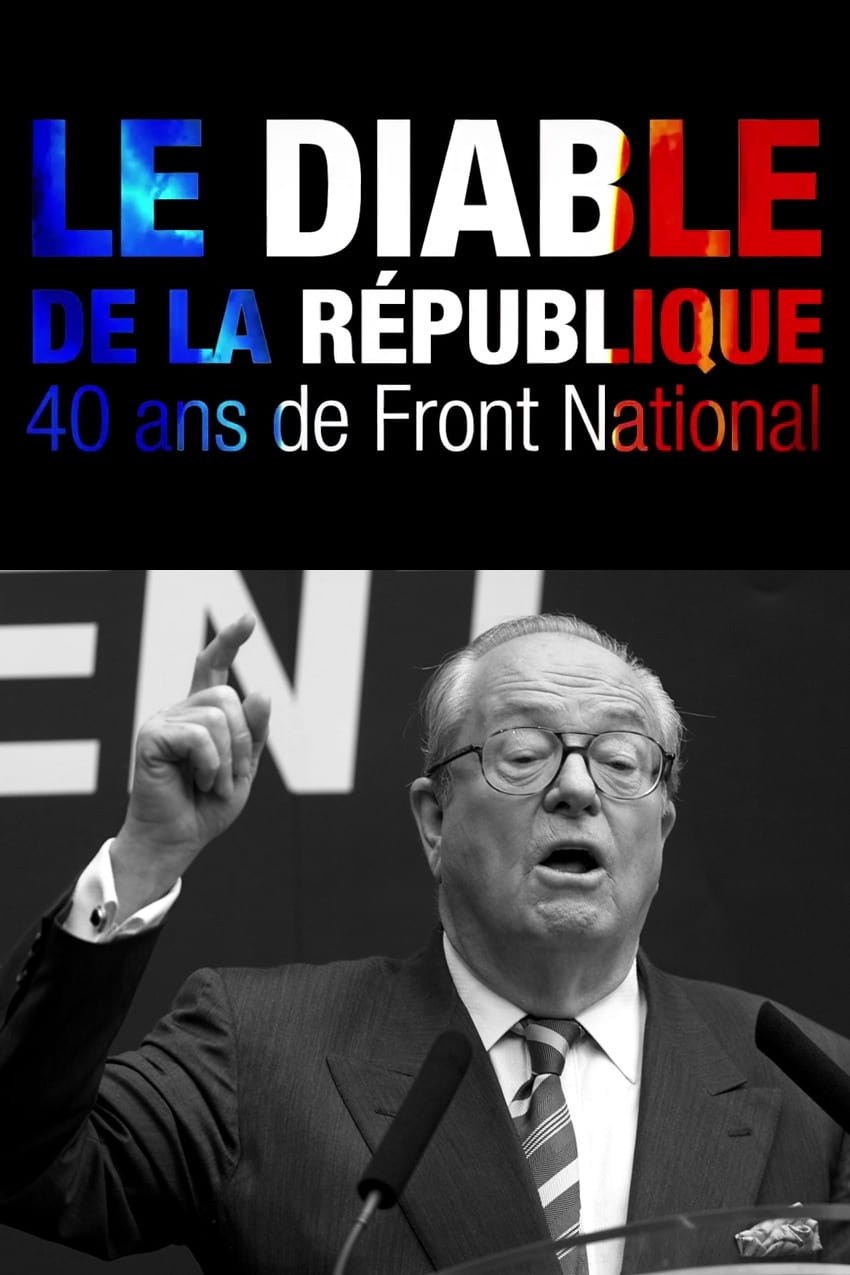
| 2011 | Le Diable de la République : 40 ans de Front national | Self | Flop | Similar → |
Jean-Pierre Chevènement - Frequently Asked Questions
What is the best movie of Jean-Pierre Chevènement?
According to audience ratings, the best movie starring Jean-Pierre Chevènement is "Gisèle Halimi : La Cause des femmes" with a rating of 8.0/10.
How many movies has Jean-Pierre Chevènement acted in?
Jean-Pierre Chevènement has been featured in at least 7 major films throughout their career.
What are some other popular movies by Jean-Pierre Chevènement?
Other notable films include "De Gaulle, l'homme à abattre", "Le Diable de la République : 40 ans de Front national", and "L'ENA - Pourquoi tant de haine ?".