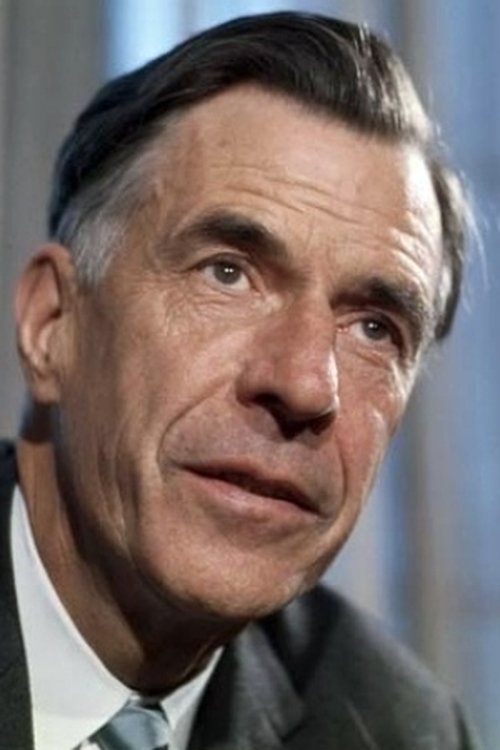
John Kenneth Galbraith
ActingAbout John Kenneth Galbraith
John Kenneth Galbraith OC (October 15, 1908 – April 29, 2006), also known as Ken Galbraith, was a Canadian American economist, diplomat, public official, and intellectual. His books on economic topics were bestsellers from the 1950s through the 2000s. As an economist, he leaned toward post-Keynesian economics from an institutionalist perspective. Galbraith was a long-time Harvard faculty member and stayed with Harvard University for half a century as a professor of economics. He was a prolific author and wrote four dozen books, including several novels, and published more than a thousand articles and essays on various subjects. Among his works was a trilogy on economics, American Capitalism (1952), The Affluent Society (1958), and The New Industrial State (1967). Some of his work has been criticized by economists Milton Friedman, Paul Krugman, Robert Solow, and Thomas Sowell. Galbraith was active in Democratic Party politics, serving in the administrations of Franklin D. Roosevelt, Harry S. Truman, John F. Kennedy, and Lyndon B. Johnson. He served as United States Ambassador to India under the Kennedy administration. His political activism, literary output and outspokenness brought him wide fame during his lifetime. Galbraith was one of the few to receive both the World War II Medal of Freedom (1946) and the Presidential Medal of Freedom (2000) for his public service and contributions to science. Galbraith was born on October 15, 1908, to Canadians of Scottish descent, Sarah Catherine (Kendall) and Archibald "Archie" Galbraith, in Iona Station, Ontario, Canada, and was raised in Dunwich Township, Ontario. He had three siblings: Alice, Catherine, and Archibald William (Bill). By the time he was a teenager, he had adopted the name Ken, and later disliked being called John. Galbraith grew to be a very tall man, attaining a height of 6 feet 9 inches (206 cm). His father was a farmer, school teacher, head of a cooperative insurance company, and local official of the Liberal Party. His mother, a homemaker and a community activist, died when he was fourteen years old. The family farm was located on Thomson Line. Both of his parents were supporters of the United Farmers of Ontario in the 1920s. His early years were spent at a one-room school which is still standing, on 9468 Willey Road, in Iona Station. Later, he went to Dutton High School and St. Thomas High School. In 1931, Galbraith graduated with a Bachelor of Science in Agriculture from the Ontario Agricultural College, which was then an associate agricultural college of the University of Toronto. He majored in animal husbandry. He was awarded a Giannini Scholarship in Agricultural Economics (receiving $60 per month) that allowed him to travel to Berkeley, California, where he received masters and Doctor of Philosophy degrees in agricultural economics from the University of California, Berkeley. Galbraith was taught economics by Professor George Martin Peterson, and together they wrote an economics paper titled "The Concept of Marginal Land" in 1932 that was published in the American Journal of Agricultural Economics. ... Source: Article "John Kenneth Galbraith" from Wikipedia in English, licensed under CC-BY-SA 3.0.
Career Statistics & Market Influence
Analyzing the cinematic journey of John Kenneth Galbraith reveals a career defined by diverse artistic exploration. With a total of 11 major appearances, the actor has established a significant footprint in global cinema.
Genre Dominance: Documentary
The majority of John Kenneth Galbraith's filmography leans towards the Documentary genre. Audience data suggests that viewers respond most favorably to this persona, though their versatility has allowed for successful crossovers into other categories.
The "Box Office" Signature
With a 18% Success Ratio (movies rated above 6.5), John Kenneth Galbraith remains a reliable draw for studios. Their peak performance was recorded in John F. Kennedy: A Personal Story, which continues to be the benchmark for their career rating-wise.
Best John Kenneth Galbraith Movies Ranked
Must-watch hits from John Kenneth Galbraith's career based on audience ratings.



Complete Filmography & Success Status
Tracking the career evolution and box office verdicts of John Kenneth Galbraith.
| Year | Movie | Character | Success | More |
|---|---|---|---|---|
| 2001 | On Common Ground | Self - Commentator | Flop | Similar → |
| 2000 | Life Under Mike | Self | Flop | Similar → |
| 1996 | John F. Kennedy: A Personal Story | Self (archive footage) | Hit | Similar → |
| 1995 | Who’s Counting? Marilyn Waring on Sex, Lies and Global Economics | Self | Flop | Similar → |
| 1991 | Bill Moyers: Beyond Hate | - | Flop | Similar → |
| 1990 | The Crash of 1929 | - | Flop | Similar → |
| 1982 | Desert Island Discs | Self | Flop | Similar → |
| 1982 | Race to Oblivion | Self - PhD. (archive footage) | Flop | Similar → |
| 1976 | The Memory of Justice | Self | Hit | Similar → |
| 1973 | Year of the Woman | - | Flop | Similar → |
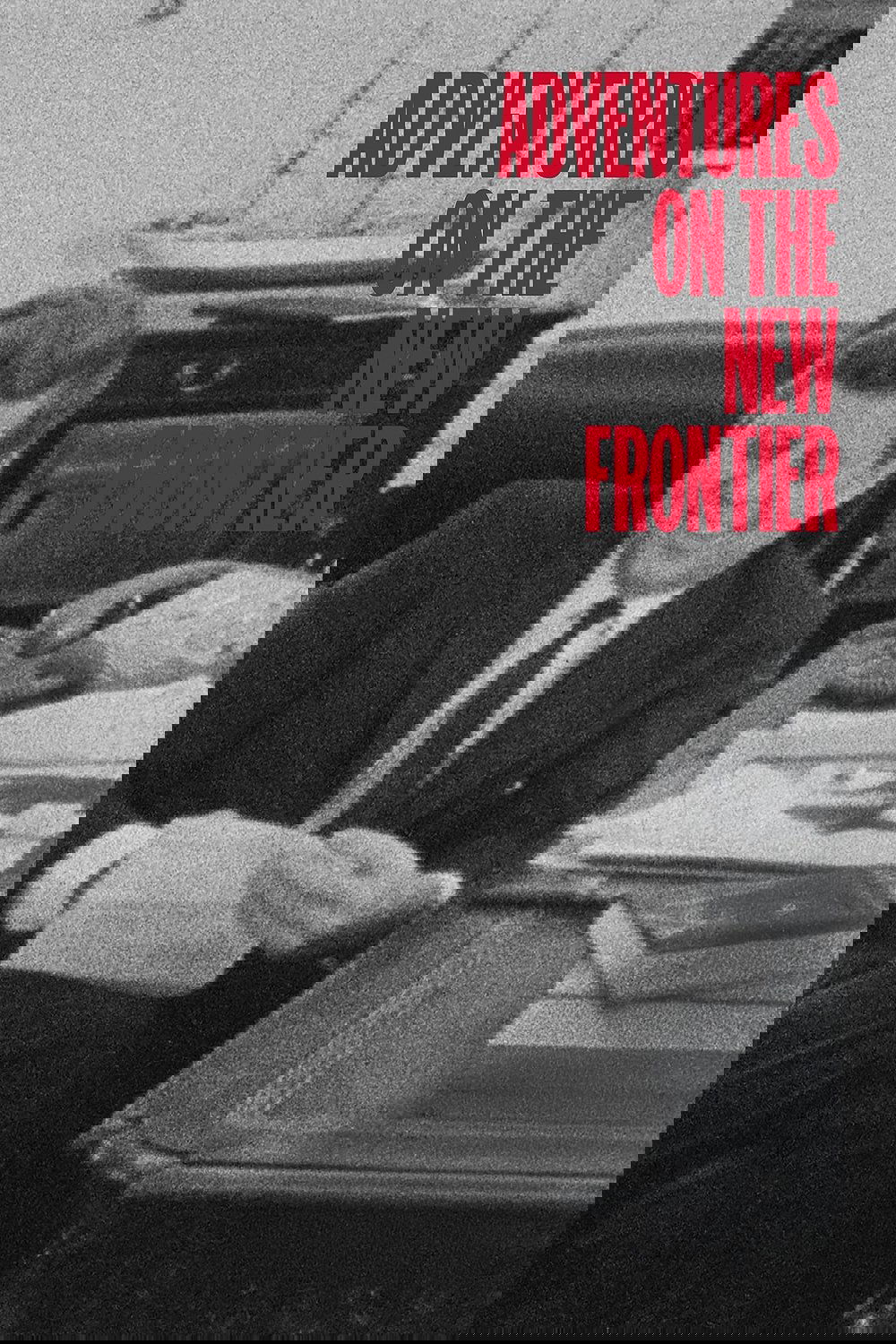
| 1961 | Adventures on the New Frontier | Self | Average | Similar → |
John Kenneth Galbraith - Frequently Asked Questions
What is the best movie of John Kenneth Galbraith?
According to audience ratings, the best movie starring John Kenneth Galbraith is "John F. Kennedy: A Personal Story" with a rating of 7.0/10.
How many movies has John Kenneth Galbraith acted in?
John Kenneth Galbraith has been featured in at least 11 major films throughout their career.
What are some other popular movies by John Kenneth Galbraith?
Other notable films include "The Memory of Justice", "Adventures on the New Frontier", and "Desert Island Discs".