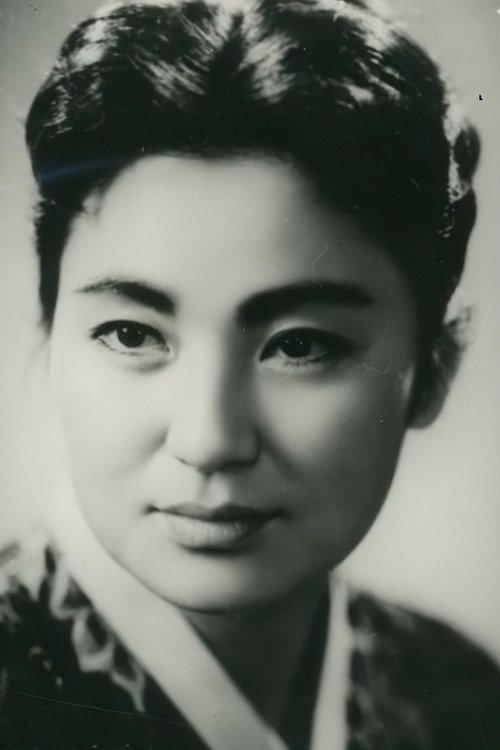
Ju Jeung-nyeo
ActingAbout Ju Jeung-nyeo
Ju Jeung-ryu (February 11, 1926 – 1980) was South Korean actress whose fame peaked in the 1950s and 1960s. She starred in about 400 films. Ju was born in Yonghung, Hamkyongnam-do, nowadays in North Korea. While attending Hamnam Girls' High School, Ju became an ardent play fan. When she became eighteen, she ran away from home and joined in the theater company, Gohyeop. Her first role as an actress was a maid in Muyeongtap (무영탑) written by Yu Chi-jin. Wikipedia contributors. "Ju Jeung-ryu." Wikipedia, The Free Encyclopedia. Wikipedia, The Free Encyclopedia, 10 Mar. 2021. Web. 26 May. 2021.
Career Statistics & Market Influence
Analyzing the cinematic journey of Ju Jeung-nyeo reveals a career defined by diverse artistic exploration. With a total of 50 major appearances, the actor has established a significant footprint in global cinema.
Genre Dominance: Drama
The majority of Ju Jeung-nyeo's filmography leans towards the Drama genre. Audience data suggests that viewers respond most favorably to this persona, though their versatility has allowed for successful crossovers into other categories.
The "Box Office" Signature
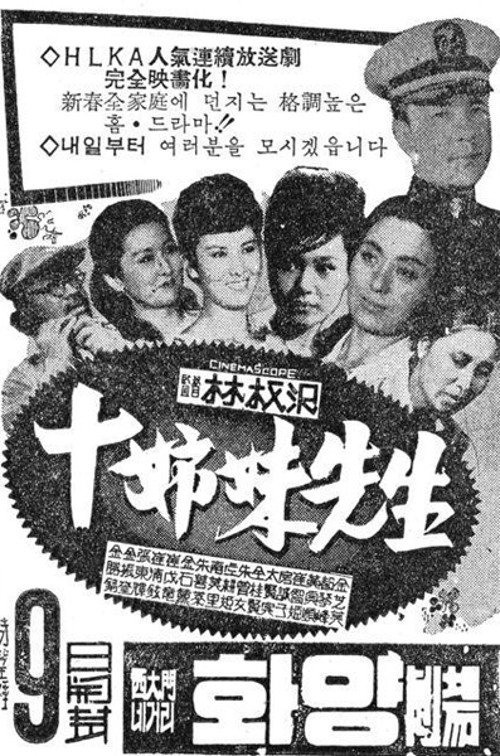
With a 18% Success Ratio (movies rated above 6.5), Ju Jeung-nyeo remains a reliable draw for studios. Their peak performance was recorded in The Teacher with Ten Daughters, which continues to be the benchmark for their career rating-wise.
Best Ju Jeung-nyeo Movies Ranked
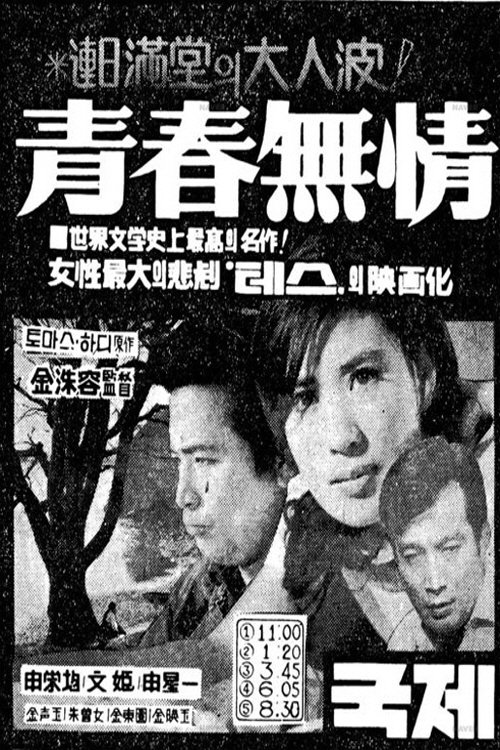
Must-watch hits from Ju Jeung-nyeo's career based on audience ratings.
Complete Filmography & Success Status
Tracking the career evolution and box office verdicts of Ju Jeung-nyeo.
Ju Jeung-nyeo - Frequently Asked Questions
What is the best movie of Ju Jeung-nyeo?
According to audience ratings, the best movie starring Ju Jeung-nyeo is "The Teacher with Ten Daughters" with a rating of 10.0/10.
How many movies has Ju Jeung-nyeo acted in?
Ju Jeung-nyeo has been featured in at least 50 major films throughout their career.
What are some other popular movies by Ju Jeung-nyeo?
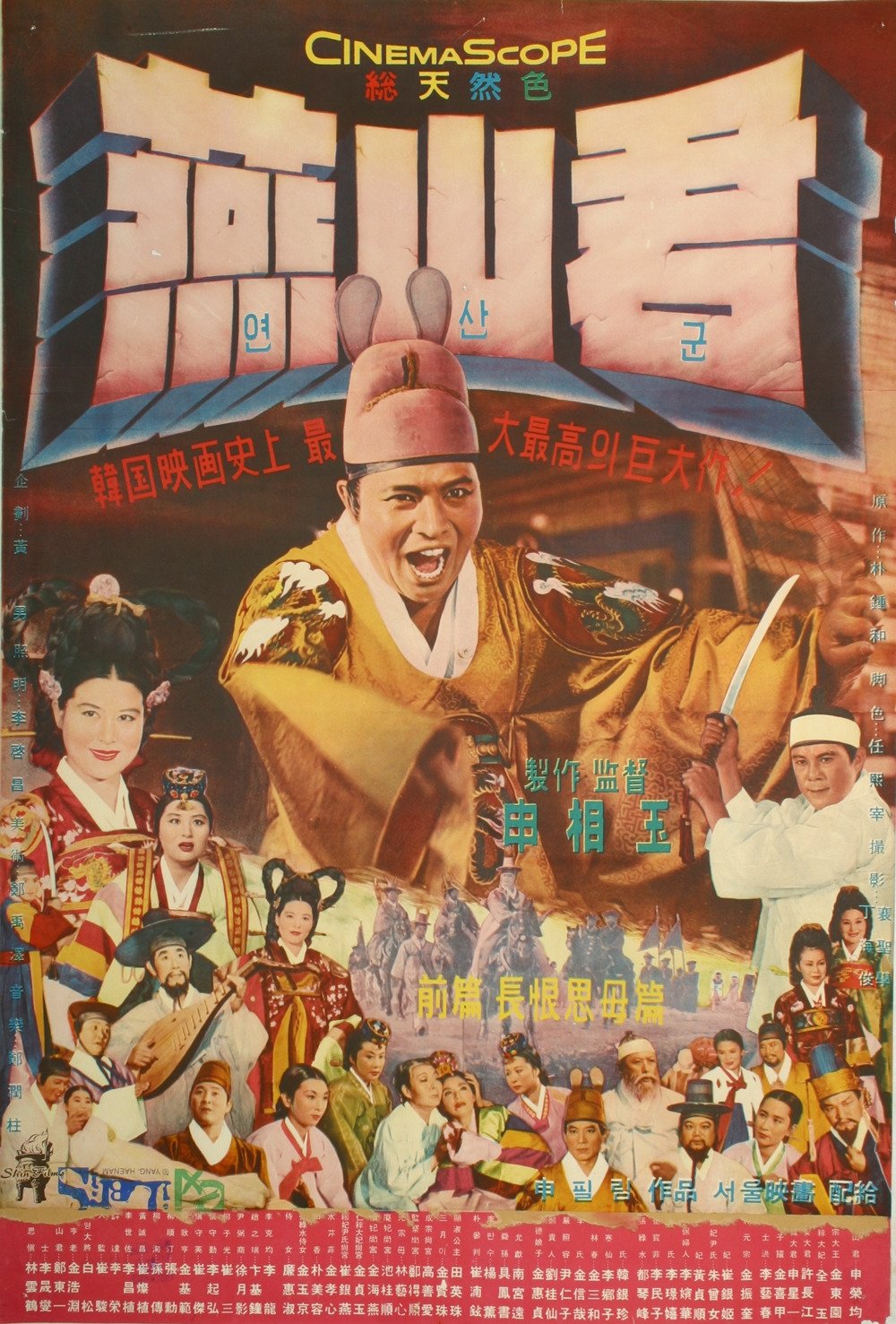
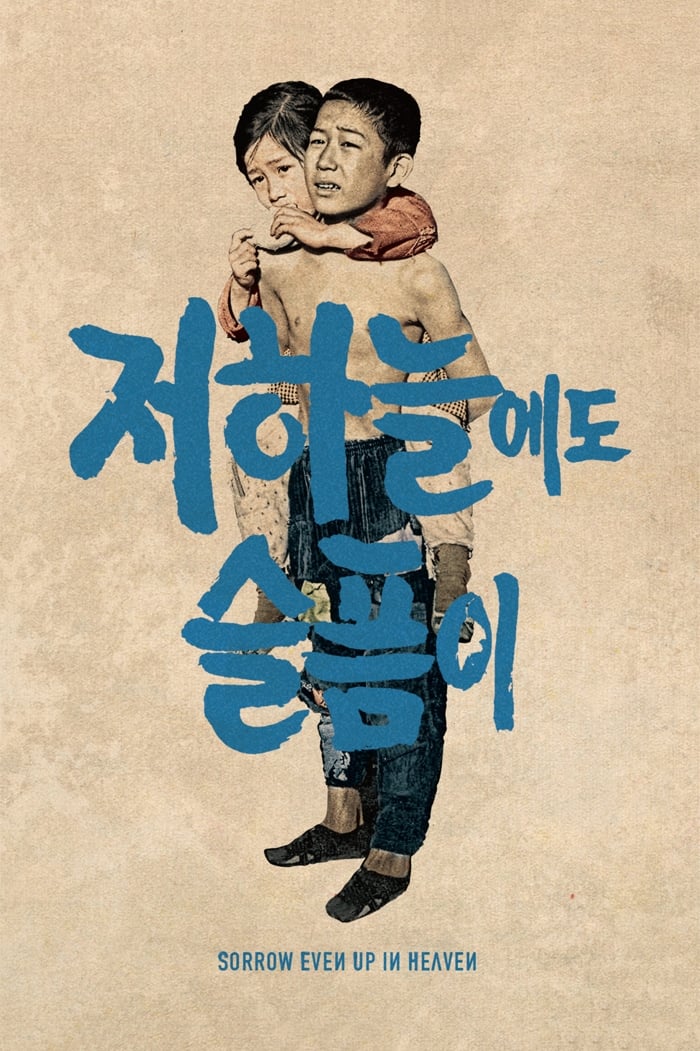
Other notable films include "Prince Yeonsan", "Mi-ae", and "Sorrow Even Up in Heaven".