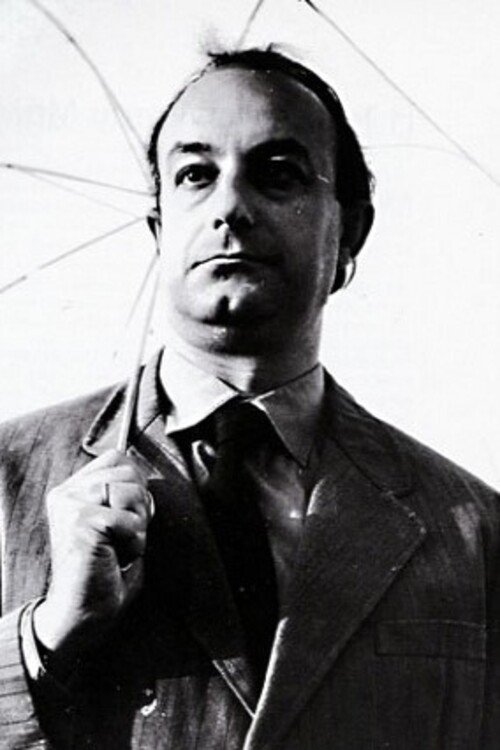
Kostas Sfikas
DirectingAbout Kostas Sfikas
Kostas Sfikas (Athens, 1927 - Athens 25 May 2009) was a Greek film director, screenwriter and actor. For his film The Model he won half the award for best feature film at the 15th Greek Film Festival. In 1961 he started as a documentary filmmaker with his short films Inauguration (1962), which is recorded as a directed documentary, Waiting (1963) and Theraic Morning (1968), co-directed by Stavros Tornes, which was later purchased by the MOMA in New York. During the years of the dictatorship he seems to have developed a completely different cinematic approach - problematic, completely outside of anything that had been seen in domestic cinema up to that point. Dedicated to experimental cinema, Kostas Sfikas directed documentaries and fiction films, constituting a consistent alternative voice in the field of Greek cinema, the "last ideal of our solitary cinema". Kostas Sfikas is a director who tested, one might say to the extreme, the tolerances and endurance of cinematic creativity, he reflected and labored for another, completely radical and deviating from the usual narrative cinema, approach to cinematic culture. In other times and under other circumstances he would have been an outcast. In those times and in those circumstances, it was treated as an admittedly extreme but respected and existing trend, which enriched the reflections on what it is, how it is constructed, how it is read, how cinematographic creation is accepted. The Model is a film, outside the Greek data and established norms, which surprises from the beginning. It is silent, without sound and music – basically it has no actors, although there are human figures, dozens of figures, moving in the frame –, consisting of a single shot! The film is based on an idea related to Eisenstein's idea of filming economic relations as described in Karl Marx's Capital. After this pioneering start, Sfikas would continue with the film Metropolises (1975), Allegory (1986), The Prophetic Bird of Sorrows by Paul Klee (1995), Prometheus of Opposite Directions (1998), The Woman of... and the Collector (2002), Metamorphosis (2007). Sfikas' translation work is significant. He translated the works of Sergei Eisenstein: Cinema and Painting, Beyond the Stars, and The Form of Film, André Bazin: What is Cinema (Ontology and Language, An Aesthetic of Realism and Neorealism), Noel Birch: The Act of Cinema. The highlight of his translation work is his work on Dante Alighieri's Divine Comedy. He has also translated Honoré de Balzac's works The Splendor and the Misery of Companies and Lost Dreams. Kostas Sfikas' visits to the Cinetic offices for 30 years have created a tradition of high-level discussions with Lakis Papastathis and Takis Hatzopoulos, creators of the show, and led to the creation of ten of his shows for Paraskenio: The Violinist Tatsis Apostolidis, Notation in the Work of Yannis Christos, The Gospel According to Mark, The Circus, Voices and Haunts of Rebetiko, Expressionism in Cinema, Molière's Misanthrope, Montage in Eisenstein, An Allegory of Power, The Enigmatic Monsieur Jules Verne.
Career Statistics & Market Influence
Analyzing the cinematic journey of Kostas Sfikas reveals a career defined by diverse artistic exploration. With a total of 13 major appearances, the actor has established a significant footprint in global cinema.
Genre Dominance: Drama
The majority of Kostas Sfikas's filmography leans towards the Drama genre. Audience data suggests that viewers respond most favorably to this persona, though their versatility has allowed for successful crossovers into other categories.
The "Box Office" Signature
With a 15% Success Ratio (movies rated above 6.5), Kostas Sfikas remains a reliable draw for studios. Their peak performance was recorded in The Woman Who Dreamed, which continues to be the benchmark for their career rating-wise.
Best Kostas Sfikas Movies Ranked
Must-watch hits from Kostas Sfikas's career based on audience ratings.
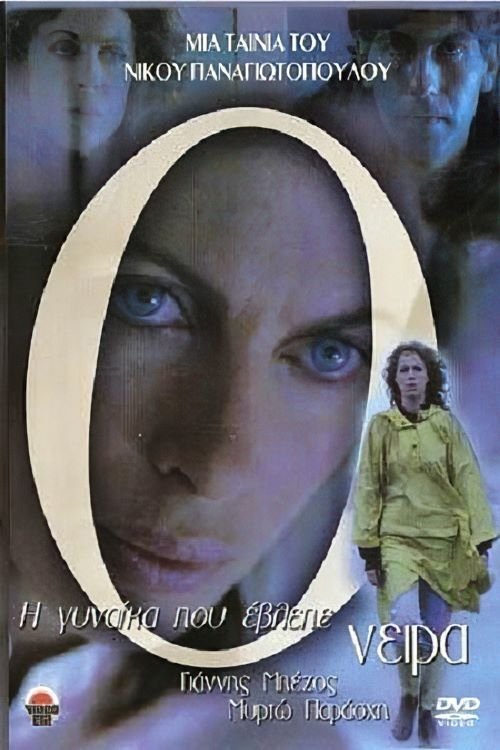

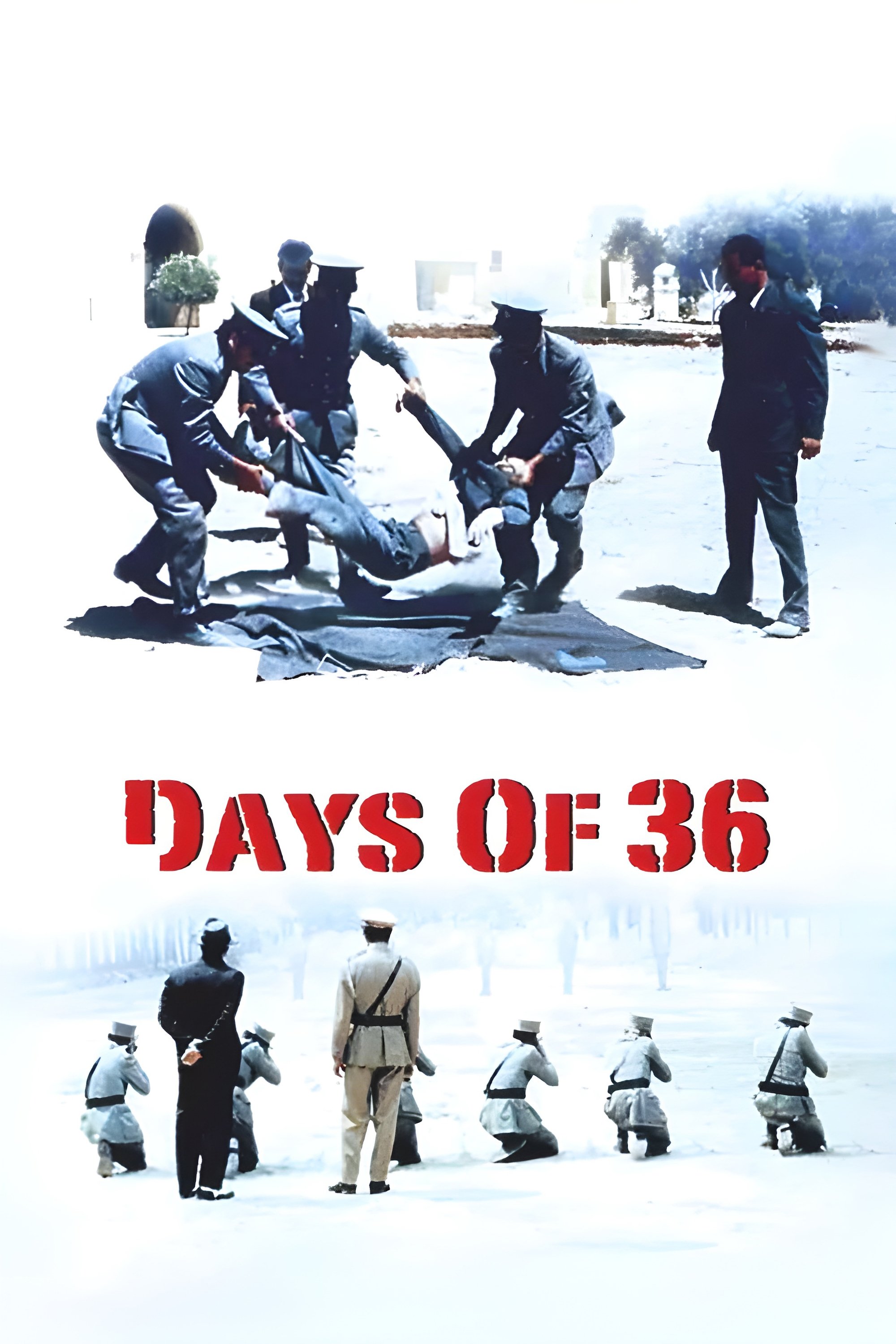
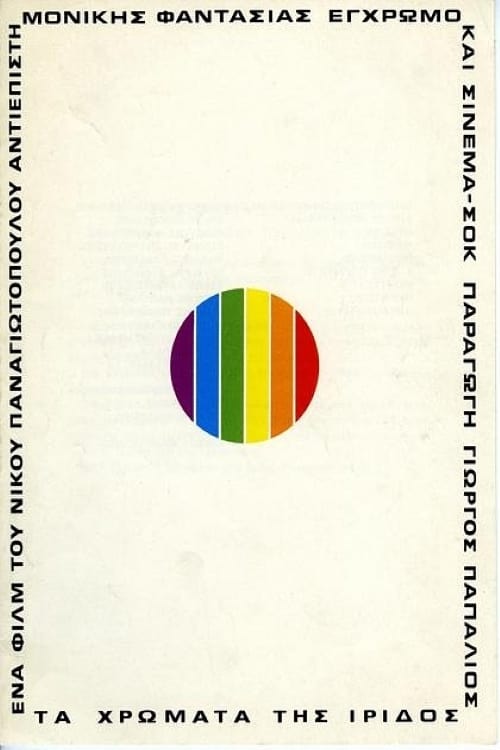
Complete Filmography & Success Status
Tracking the career evolution and box office verdicts of Kostas Sfikas.
| Year | Movie | Character | Success | More |
|---|---|---|---|---|
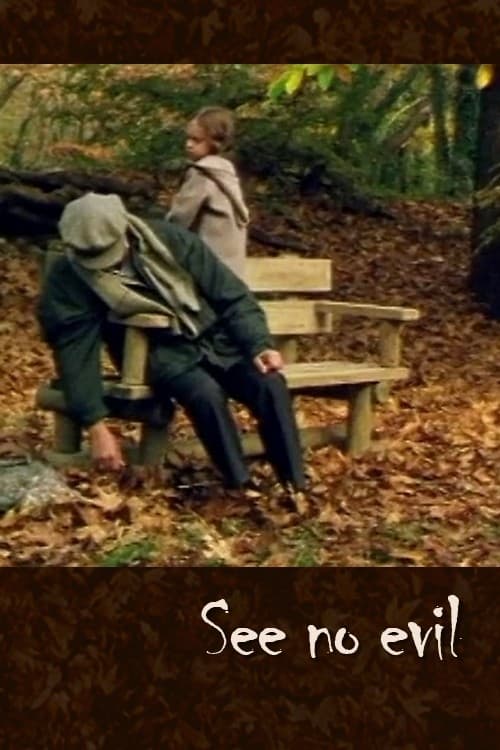
| 2001 | See No Evil | - | Average | Similar → |
| 1998 | Prometheus Retrogressing | - | Flop | Similar → |
| 1996 | Touch Me Not | - | Flop | Similar → |
| 1996 | The Triumph of Time | Narrator | Flop | Similar → |
| 1996 | A Drop in the Ocean | - | Flop | Similar → |
| 1988 | The Woman Who Dreamed | Man in Dream | Hit | Similar → |
| 1980 | Melodrama? | - | Average | Similar → |
| 1978 | The Idlers of the Fertile Valley | - | Average | Similar → |
| 1974 | Kierion | - | Average | Similar → |
| 1974 | The Colors of Iris | Man with Umbrella | Average | Similar → |
| 1973 | John the Violent | - | Hit | Similar → |
| 1972 | Days of '36 | Prosecutor's Assistant | Average | Similar → |
| N/A | Μετά σαράντα μέρες | - | Flop | Similar → |
Kostas Sfikas - Frequently Asked Questions
What is the best movie of Kostas Sfikas?
According to audience ratings, the best movie starring Kostas Sfikas is "The Woman Who Dreamed" with a rating of 6.7/10.
How many movies has Kostas Sfikas acted in?
Kostas Sfikas has been featured in at least 13 major films throughout their career.
What are some other popular movies by Kostas Sfikas?
Other notable films include "John the Violent", "Days of '36", and "The Colors of Iris".