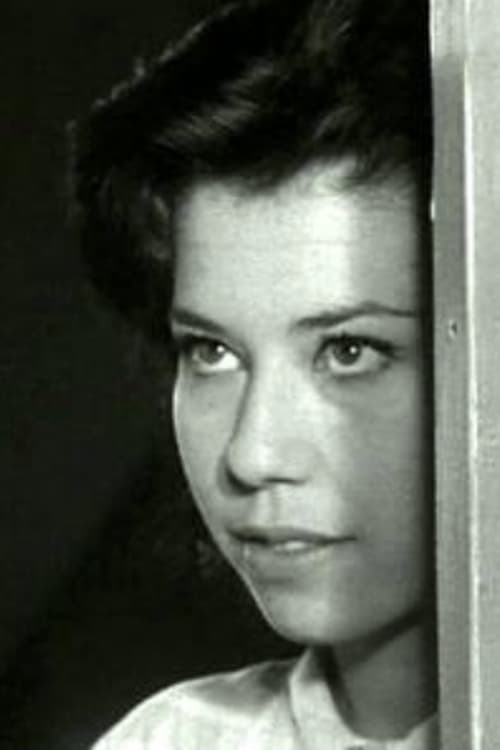
Liliane Dreyfus
ActingAbout Liliane Dreyfus
Liliane Dreyfus was born on 31 March 1937 in Paris, France. She was an actress and director, known for Femmes au soleil (1974), Les femmes d'abord (1963) and The Road to Shame (1959). She was married to Michel Dreyfus. She died on 31 July 2018 in Lisieux, Calvados, France.
Career Statistics & Market Influence
Analyzing the cinematic journey of Liliane Dreyfus reveals a career defined by diverse artistic exploration. With a total of 11 major appearances, the actor has established a significant footprint in global cinema.
Genre Dominance: Drama
The majority of Liliane Dreyfus's filmography leans towards the Drama genre. Audience data suggests that viewers respond most favorably to this persona, though their versatility has allowed for successful crossovers into other categories.
The "Box Office" Signature
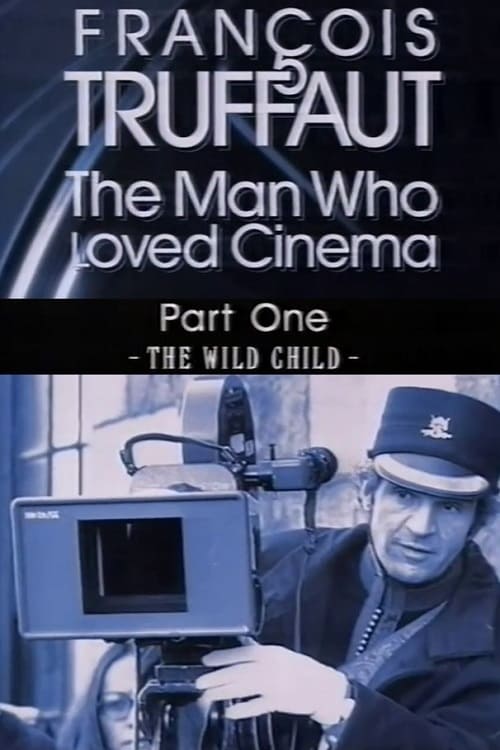
With a 36% Success Ratio (movies rated above 6.5), Liliane Dreyfus remains a reliable draw for studios. Their peak performance was recorded in François Truffaut: The Man Who Loved Cinema - The Wild Child, which continues to be the benchmark for their career rating-wise.
Best Liliane Dreyfus Movies Ranked
Must-watch hits from Liliane Dreyfus's career based on audience ratings.
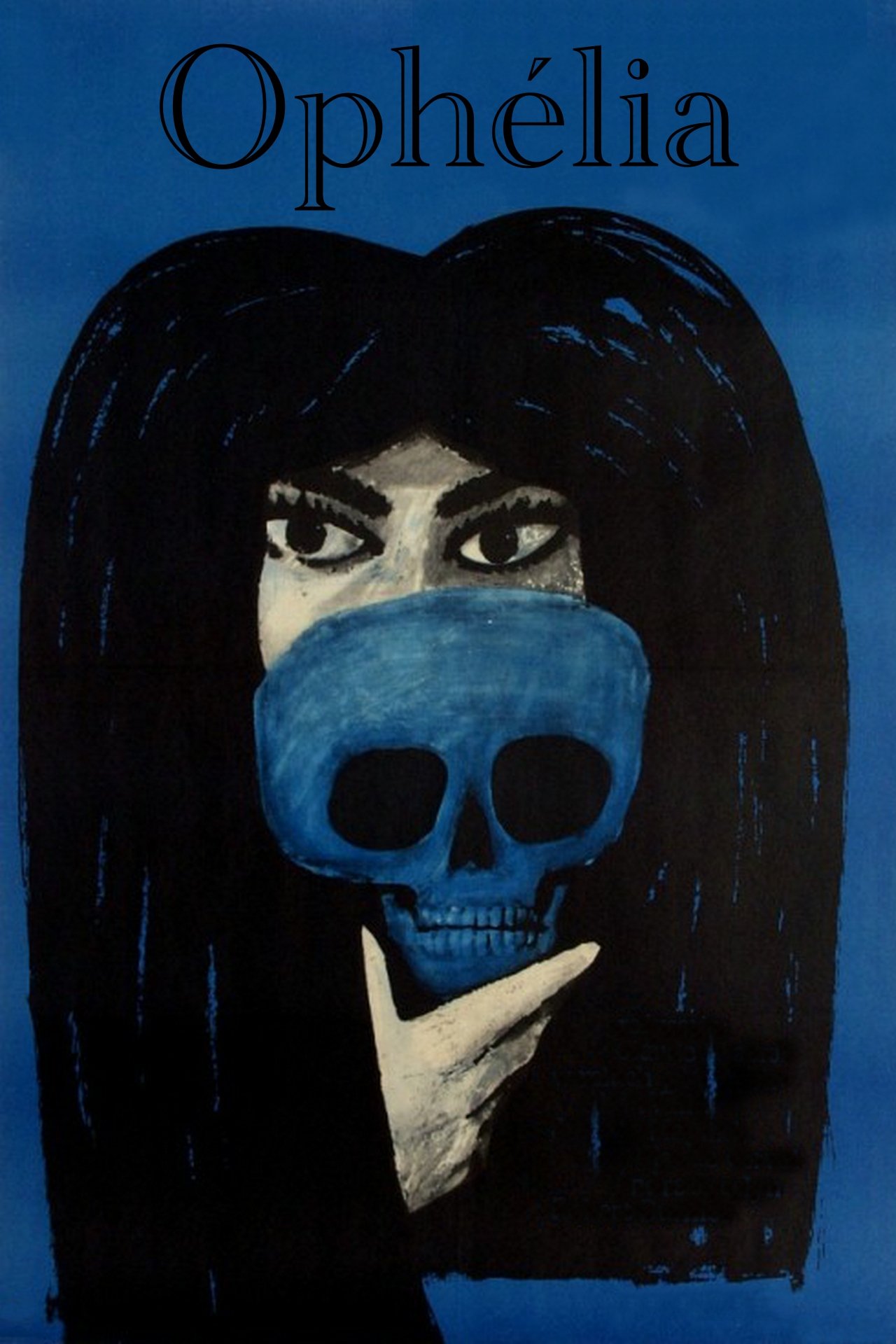
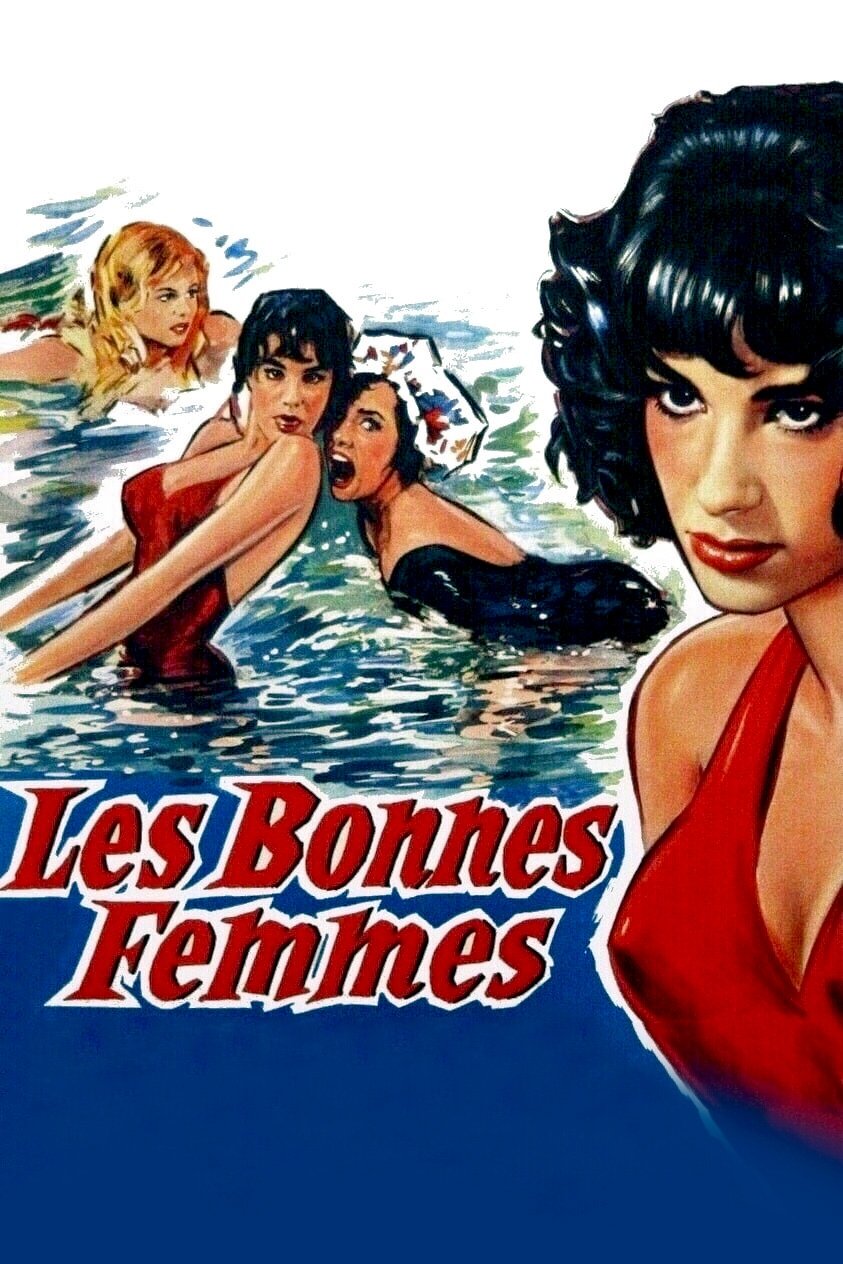
Complete Filmography & Success Status
Tracking the career evolution and box office verdicts of Liliane Dreyfus.
| Year | Movie | Character | Success | More |
|---|---|---|---|---|
| 1996 | François Truffaut: The Man Who Loved Cinema - The Wild Child | Self | Super Hit | Similar → |
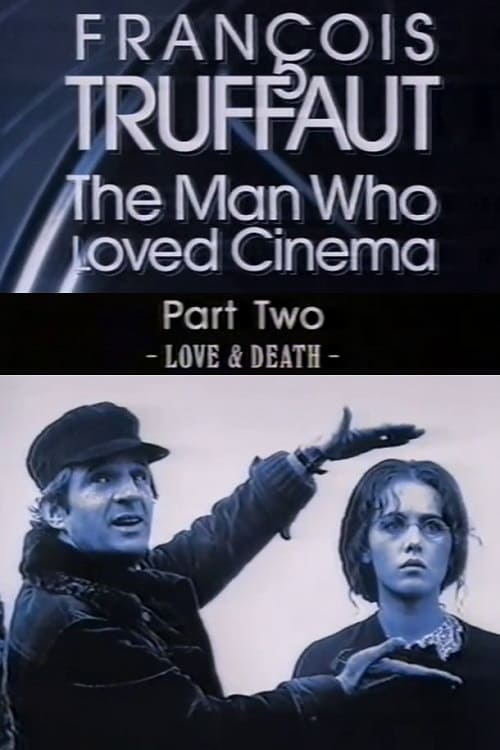
| 1996 | François Truffaut: The Man Who Loved Cinema - Love & Death | Self | Super Hit | Similar → |
| 1994 | Under the Stars | - | Flop | Similar → |
| 1993 | Chambre 12, Hôtel de Suède | Self | Flop | Similar → |
| 1963 | Ladies First | - | Flop | Similar → |
| 1963 | Ophélia | Ginette | Hit | Similar → |
| 1960 | Les Bonnes Femmes | Jane & Jacqueline's girlfriend (uncredited) | Average | Similar → |
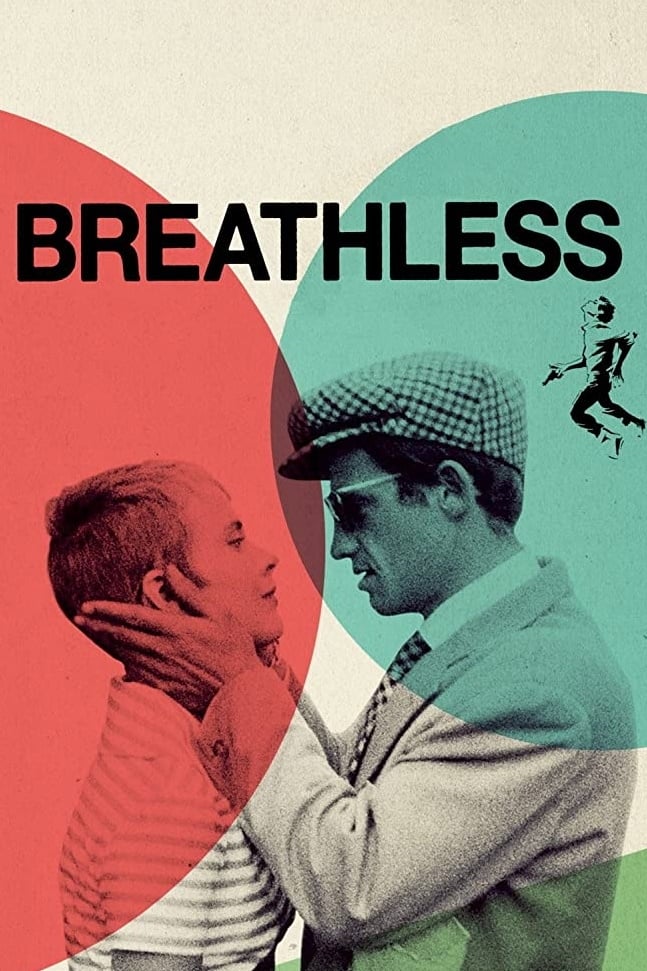
| 1960 | Breathless | Liliane / Minouche | Super Hit | Similar → |
| 1959 | The Road to Shame | Madeleine | Average | Similar → |
| 1959 | The Chasers | Une fille au Lido | Average | Similar → |
| 1957 | Les Lavandières du Portugal | - | Flop | Similar → |
Liliane Dreyfus - Frequently Asked Questions
What is the best movie of Liliane Dreyfus?
According to audience ratings, the best movie starring Liliane Dreyfus is "François Truffaut: The Man Who Loved Cinema - The Wild Child" with a rating of 7.7/10.
How many movies has Liliane Dreyfus acted in?
Liliane Dreyfus has been featured in at least 11 major films throughout their career.
What are some other popular movies by Liliane Dreyfus?
Other notable films include "François Truffaut: The Man Who Loved Cinema - Love & Death", "Breathless", and "Ophélia".