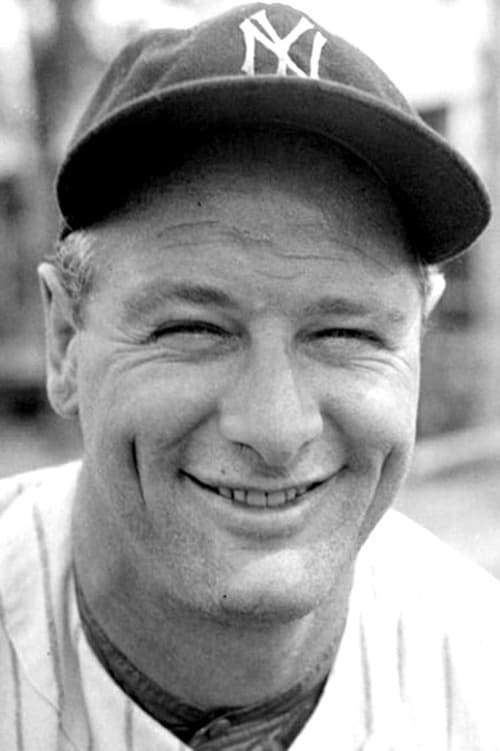
Lou Gehrig
ActingAbout Lou Gehrig
Henry Louis 'Lou' Gehrig (born Heinrich Ludwig Gehrig; June 19, 1903 – June 2, 1941) was an American professional baseball first baseman who played 17 seasons in Major League Baseball (MLB) for the New York Yankees (1923–1939). He was renowned for his prowess as a hitter and for his durability, which earned him his nickname "the Iron Horse". He is widely regarded as one of the greatest baseball players of all time. He was an All-Star seven consecutive times, a Triple Crown winner once, an American League (AL) Most Valuable Player twice, and a member of six World Series champion teams. He had a career (.340) batting average, (.632) slugging average, and a (.447) on base average. He hit 493 home runs and had 1,995 runs batted in (RBI). He still has the highest ratio of runs scored plus runs batted in per 100 plate appearances (35.08) and per 100 games (156.7) among Hall of Fame players. In 1939, he was elected to the Baseball Hall of Fame and was the first MLB player to have his uniform number (4) retired by a team. A native of New York City and a student at Columbia University, he signed with the Yankees on April 29, 1923. He set several major-league records during his career, including the most career grand slams (23; since broken by Alex Rodriguez) and most consecutive games played (2,130), a record that stood for 56 years and was long considered unbreakable until it was surpassed by Cal Ripken Jr. in 1995. His consecutive game streak ended on May 2, 1939, when he voluntarily took himself out of the lineup, stunning both players and fans, after his performance on the field became hampered by an undiagnosed ailment subsequently confirmed to be amyotrophic lateral sclerosis (ALS), which is an incurable neuromuscular illness, now commonly referred to as "Lou Gehrig's disease". The disease forced him to retire at age 36, and claimed his life two years later. The pathos of his farewell from baseball was capped off by his iconic 1939 "Luckiest Man on the Face of the Earth" speech at Yankee Stadium. In 1969, the Baseball Writers' Association of America voted Gehrig the greatest first baseman of all time, and he was the leading vote-getter on the MLB All-Century Team chosen by fans in 1999. A monument in his honor, originally dedicated by the Yankees in 1941, currently resides in Monument Park at Yankee Stadium. The Lou Gehrig Memorial Award is given annually to the MLB player who best exhibits Gehrig's integrity and character. In October 1939, he accepted Mayor Fiorello La Guardia's appointment to a 10-year term as a New York City parole commissioner (Gehrig had moved from New Rochelle to Riverdale to satisfy a residency requirement for the job) and was sworn into office on January 2, 1940. The Parole Commission commended Gehrig for his "firm belief in parole, properly administered", stating that Gehrig "indicated he accepted the parole post because it represented an opportunity for public service. He had rejected other job offers—including lucrative speaking and guest appearance opportunities—worth far more financially than the $5,700 a year commissionership." When his deteriorating physical condition made it impossible for him to continue, he quietly resigned from the position, about a month before his death. From Wikipedia, the free encyclopedia.
Career Statistics & Market Influence
Analyzing the cinematic journey of Lou Gehrig reveals a career defined by diverse artistic exploration. With a total of 9 major appearances, the actor has established a significant footprint in global cinema.
Genre Dominance: Documentary
The majority of Lou Gehrig's filmography leans towards the Documentary genre. Audience data suggests that viewers respond most favorably to this persona, though their versatility has allowed for successful crossovers into other categories.
The "Box Office" Signature
With a 33% Success Ratio (movies rated above 6.5), Lou Gehrig remains a reliable draw for studios. Their peak performance was recorded in Springfield of Dreams: The Legend of Homer Simpson, which continues to be the benchmark for their career rating-wise.
Best Lou Gehrig Movies Ranked
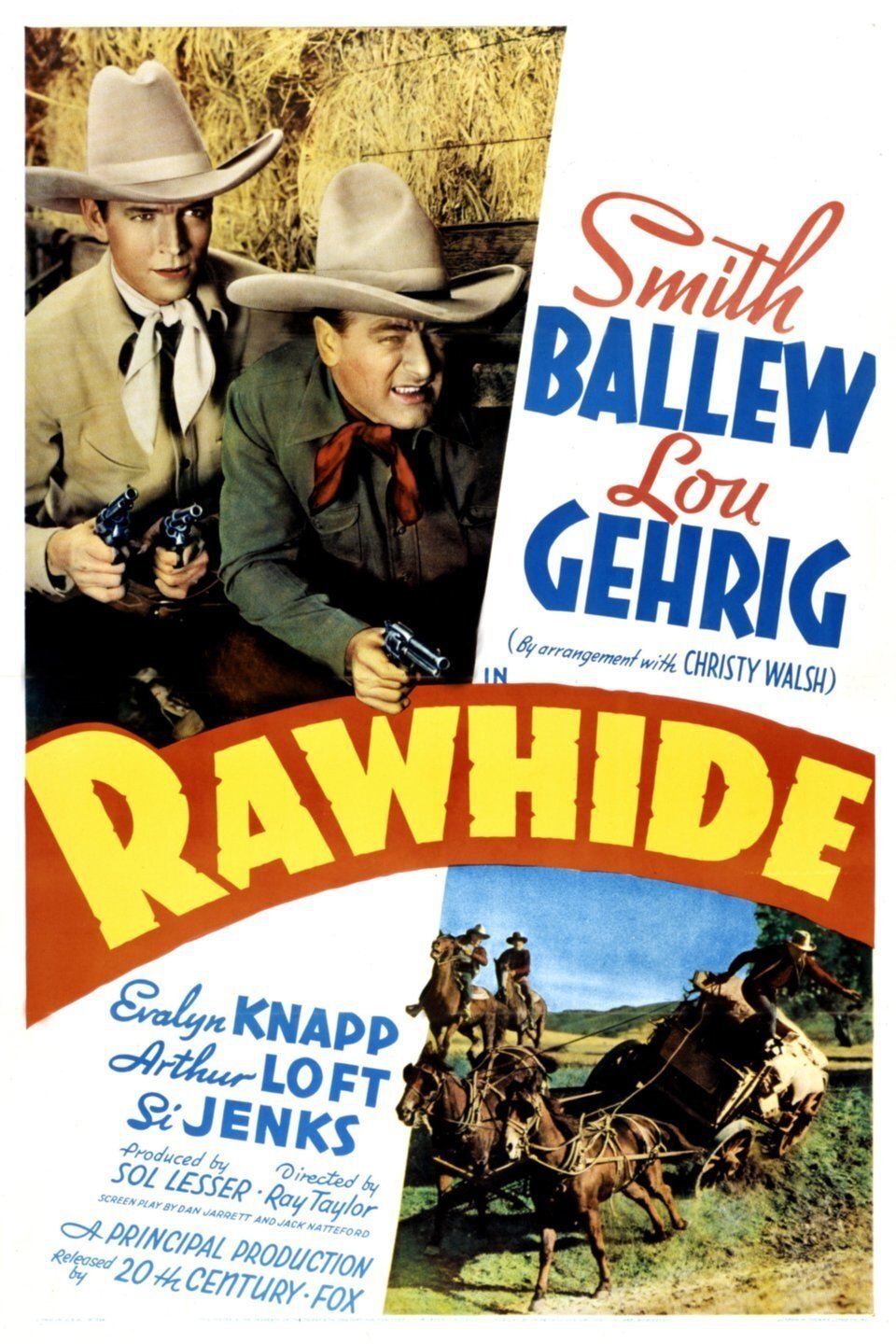
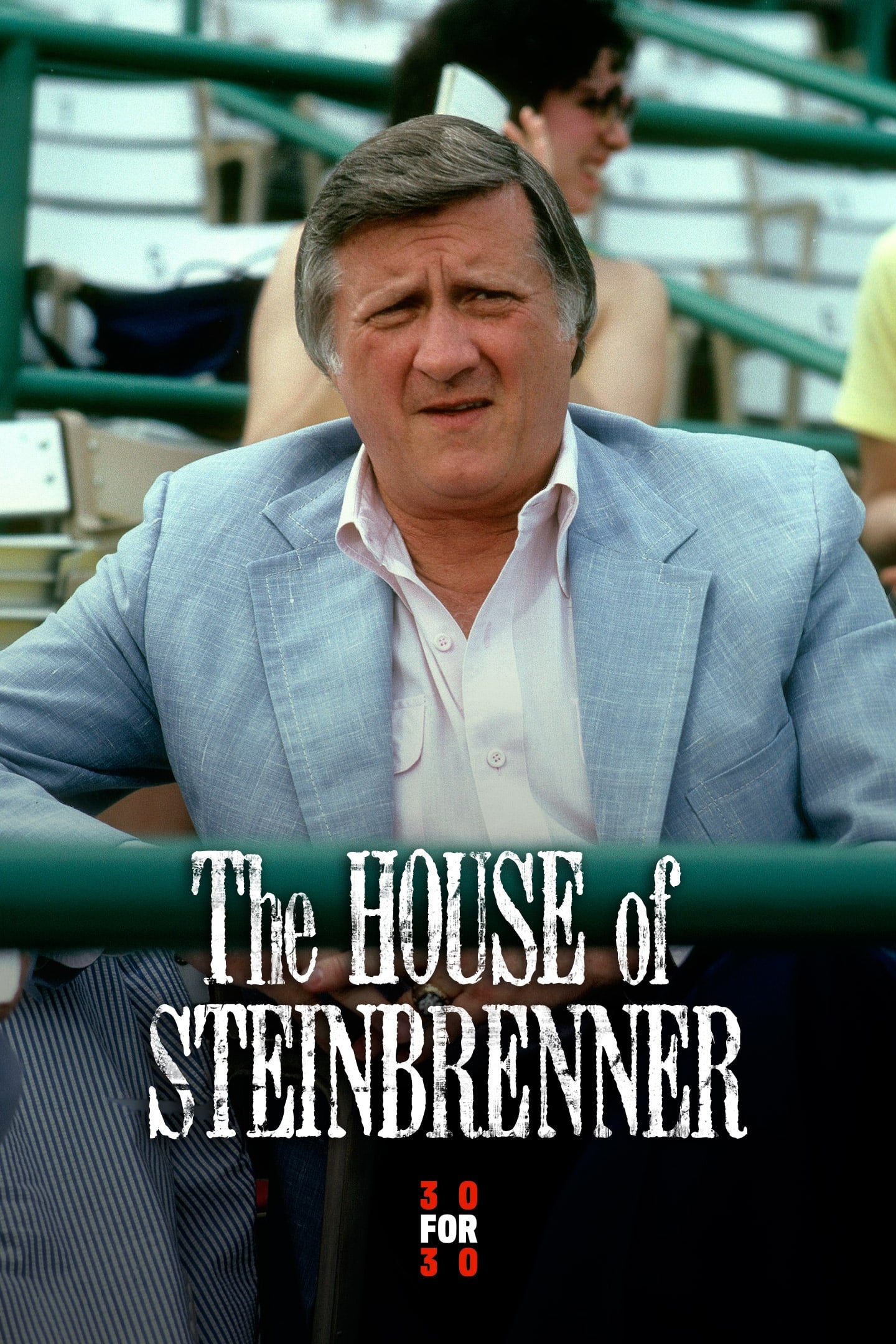
Must-watch hits from Lou Gehrig's career based on audience ratings.


Complete Filmography & Success Status
Tracking the career evolution and box office verdicts of Lou Gehrig.
| Year | Movie | Character | Success | More |
|---|---|---|---|---|
| 2017 | Springfield of Dreams: The Legend of Homer Simpson | Self (archive footage) | Super Hit | Similar → |
| 2012 | Reel Baseball: Baseball's Golden Era the Way Americans Witnessed It | Self (archive footage) | Flop | Similar → |
| 2010 | The House of Steinbrenner | Self (archive footage) | Average | Similar → |
| 2003 | The True Story of Seabiscuit | Self (archive footage) | Flop | Similar → |
| 1991 | Super Stars of Sports: Baseball | Self (archive footage) | Flop | Similar → |
| 1990 | Babe Ruth: The Man, the Myth, the Legend | himself | Flop | Similar → |
| 1962 | Babe Ruth Story: That Ever Livin' Babe | Self (archive footage) | Flop | Similar → |
| 1938 | Rawhide | Lou Gehrig | Hit | Similar → |
| 1928 | Speedy | Lou Gehrig (uncredited) | Hit | Similar → |
Lou Gehrig - Frequently Asked Questions
What is the best movie of Lou Gehrig?
According to audience ratings, the best movie starring Lou Gehrig is "Springfield of Dreams: The Legend of Homer Simpson" with a rating of 8.4/10.
How many movies has Lou Gehrig acted in?
Lou Gehrig has been featured in at least 9 major films throughout their career.
What are some other popular movies by Lou Gehrig?
Other notable films include "Speedy", "Rawhide", and "The House of Steinbrenner".