
Mapita Cortés
ActingAbout Mapita Cortés
Mapita Cortés (August 4, 1939 – January 1, 2006, born as María del Pilar Mercado Cordero in 1939 in the Santurce neighborhood of San Juan, Puerto Rico, passed away in Mexico City) was a Puerto Rican telenovela and film actress in Mexico. She is the mother of Mexican actor Luis Gatica, wife of Lucho Gatica, niece of Puerto Rican actress Mapy Cortés, and niece-in-law of Mexican actor Fernando Cortés. Mapita Cortés was also the cousin of the famous Paquito Cordero, who was two years younger than her. Cortés was Miss Puerto Rico in the 1957 Miss Universe pageant and finished as one of the five finalists. Mapita Cortés had shown a desire to become an actress since she was a child. As she and her cousin grew up, her cousin became a well-known personality in Puerto Rico. Mapita Cortés, however, tried her luck in Mexico, as her aunt had adopted her and was a celebrity there. Mapita Cortés took her last name from her uncle and aunt. Cortés became a sensation in the Mexican film industry during the 1950s when she appeared in *Misterios de Ultratumba* (1958, "Mysteries of the Beyond," also known as *The Black Pit of Dr. M*). This film became a contemporary Mexican classic. Later, Cortés starred in or played significant roles in several films, following in her uncle and aunt's footsteps by becoming a celebrity in her own right in Mexico. She decided to settle permanently in the North American country after enjoying success there. While making films, another celebrity, Chilean singer Lucho Gatica, fell in love with her, and the two began a romance that would lead to marriage on May 21, 1960. They had five children: Luis, Mapy (María del Pilar), Aída, Juanita, and Alfredo. Their son Luis Gatica (born in 1961) would also eventually become a celebrity as a telenovela actor and rock singer during the 1980s. Mapita Cortés and Lucho Gatica divorced after 18 years of marriage. After marrying Lucho Gatica, Mapita Cortés semi-retired from the entertainment world, becoming a housewife and caring for her children. However, she occasionally returned to acting, becoming known as a character actress in some of Mexico's most famous telenovelas. In 1989, she appeared alongside Verónica Castro in *Mi pequeña Soledad* by Televisa, which became a huge success in Mexico, the United States, and even Europe, giving Mapita Cortés a level of fame in countries like Russia and others. Mapita Cortés also had the opportunity to work with Mariana Levy, who passed away in 2005.
Career Statistics & Market Influence
Analyzing the cinematic journey of Mapita Cortés reveals a career defined by diverse artistic exploration. With a total of 11 major appearances, the actor has established a significant footprint in global cinema.
Genre Dominance: Comedy
The majority of Mapita Cortés's filmography leans towards the Comedy genre. Audience data suggests that viewers respond most favorably to this persona, though their versatility has allowed for successful crossovers into other categories.
The "Box Office" Signature
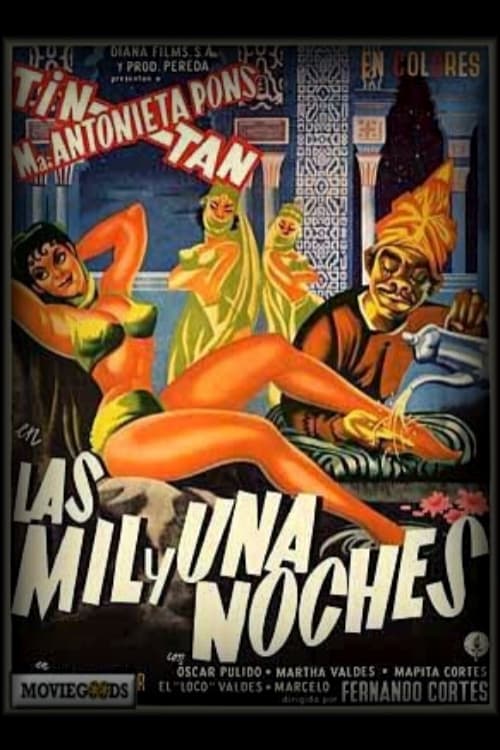
With a 9% Success Ratio (movies rated above 6.5), Mapita Cortés remains a reliable draw for studios. Their peak performance was recorded in Las mil y una noches, which continues to be the benchmark for their career rating-wise.
Best Mapita Cortés Movies Ranked
Must-watch hits from Mapita Cortés's career based on audience ratings.

Complete Filmography & Success Status
Tracking the career evolution and box office verdicts of Mapita Cortés.
| Year | Movie | Character | Success | More |
|---|---|---|---|---|
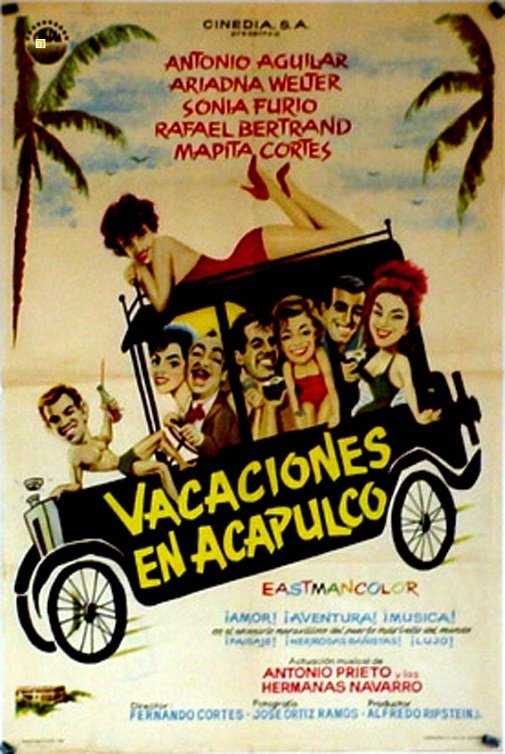
| 1961 | Vacaciones en Acapulco | Ana María | Flop | Similar → |
| 1960 | Póker de reinas | - | Flop | Similar → |
| 1960 | Dormitorio para señoritas | - | Flop | Similar → |
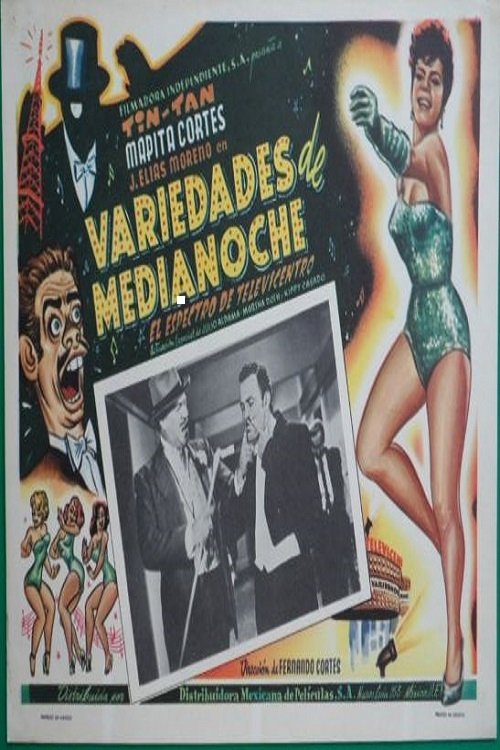
| 1960 | Variedades de medianoche | - | Average | Similar → |
| 1959 | Escuela de verano | - | Flop | Similar → |
| 1959 | Black Pit of Dr. M | Patricia Aldama | Average | Similar → |
| 1959 | Señoritas | - | Flop | Similar → |
| 1959 | La edad de la tentación | - | Flop | Similar → |
| 1959 | 3 Lessons of Love | Señorita Severa Morales | Flop | Similar → |
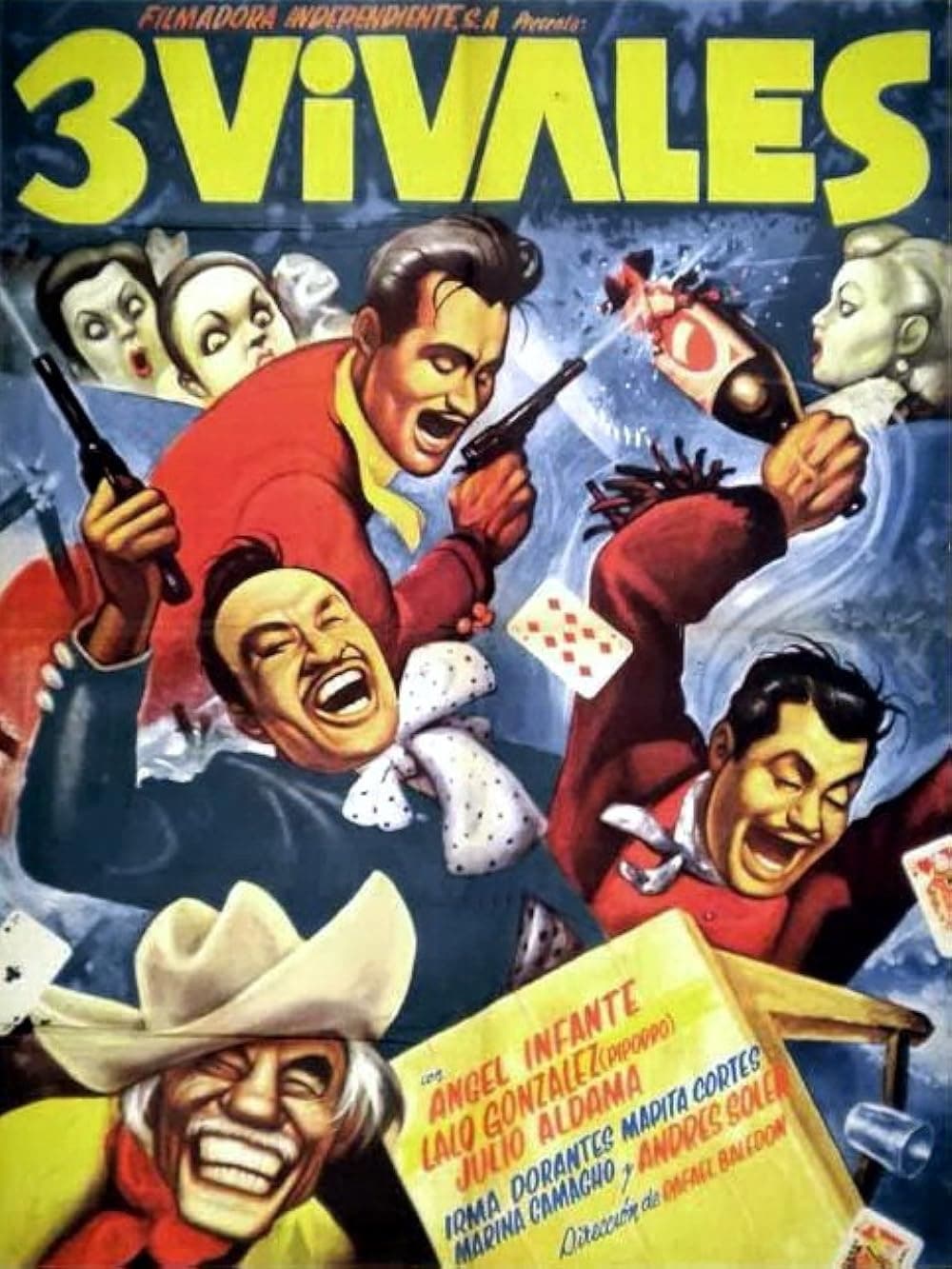
| 1958 | Los tres vivales | Rosa | Average | Similar → |
| 1958 | Las mil y una noches | - | Hit | Similar → |
Mapita Cortés - Frequently Asked Questions
What is the best movie of Mapita Cortés?
According to audience ratings, the best movie starring Mapita Cortés is "Las mil y una noches" with a rating of 6.5/10.
How many movies has Mapita Cortés acted in?
Mapita Cortés has been featured in at least 11 major films throughout their career.
What are some other popular movies by Mapita Cortés?
Other notable films include "Black Pit of Dr. M", "Los tres vivales", and "Variedades de medianoche".