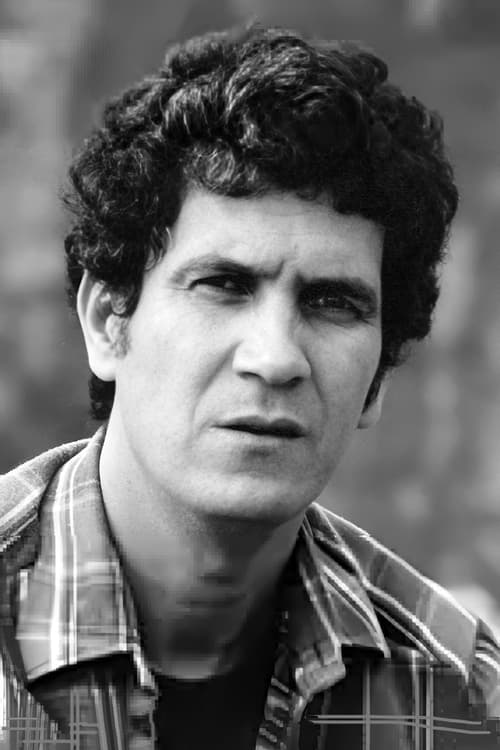
Mazouz Ould-Abderrahmane
ActingAbout Mazouz Ould-Abderrahmane
Mazouz Ould Abderrahmane, born January 27, 1941 in Mostaganem, and died November 24, 2012 in Montreal, Quebec, is an Algerian actor, director, screenwriter, editor and writer. Mazouz Ould Abderrahmane was a member of the theater troupe Les Garagouzes founded by Abderrahmane Kaki (Stanislavski method). He was also a founding member of the Algerian National Theater in 1962 and he played as an actor in several films in Algeria (Les hors la Loi, La Bataille d'Alger, etc.). He also directed Slimane by Jean Pélégri with the troupe as well as Diwan el Mejdoub by A. Kaki. In 1977, he moved to Canada where he wrote and directed several short and feature films, designed numerous productions (La Dernière Bande, La Voix Humaine (1974), L'oiseau Vert (1980), La Planète Baobab (1999), Le Carnaval des Animaux (1996), Le Tango (1990), etc.) and designed mini-digital research films. In 1984, Mazouz and his wife, Sylvie, adapted Marie-Claire Blais' novel Le Sourd dans la ville for the Ubu Repertory Theater in New York, Mazouz would later write a screenplay for the cinema. Following several productions at the National Film Board, including the documentary on Félix Leclerc "C'est la première fois que je la chante" (It's the first time I sing it), Mazouz began a period of joint creation with writer and screenwriter Pierre-Yves Pépin that would last over ten years. Together, they would write a trilogy of epic films: La Sirène de Val d'Or, La tour de l'Horloge and Le Dernier Train pour Windigo (The Sirens of Val d'Or), La tour de l'Horloge (The Clock Tower) and Le Dernier Train pour Windigo (The Last Train to Windigo). At the request of the Société Générale du Cinéma, the two creators quickly began work on La Fille du maquignon (The Horse Dealer's Daughter). The film opened the Quebec section at the Namur Festival in 1991. In the 1990s and 2000s, Mazouz directed several theater projects, notably with L'Arsenal à musique and the Tango X4 company. His most personal work is undoubtedly the novel Le Café Maure, which he wrote in the 1990s. A time when he regularly went to the Atlantic Ocean on the coast of Maine, rediscovering the sounds and smells of his childhood in the port of Mostaganem and his father's trawlers. The novel was published posthumously on January 30, 2013 by Triptyque.
Career Statistics & Market Influence
Analyzing the cinematic journey of Mazouz Ould-Abderrahmane reveals a career defined by exceptional commercial consistency. With a total of 10 major appearances, the actor has established a significant footprint in global cinema.
Genre Dominance: Drama
The majority of Mazouz Ould-Abderrahmane's filmography leans towards the Drama genre. Audience data suggests that viewers respond most favorably to this persona, though their versatility has allowed for successful crossovers into other categories.
The "Box Office" Signature
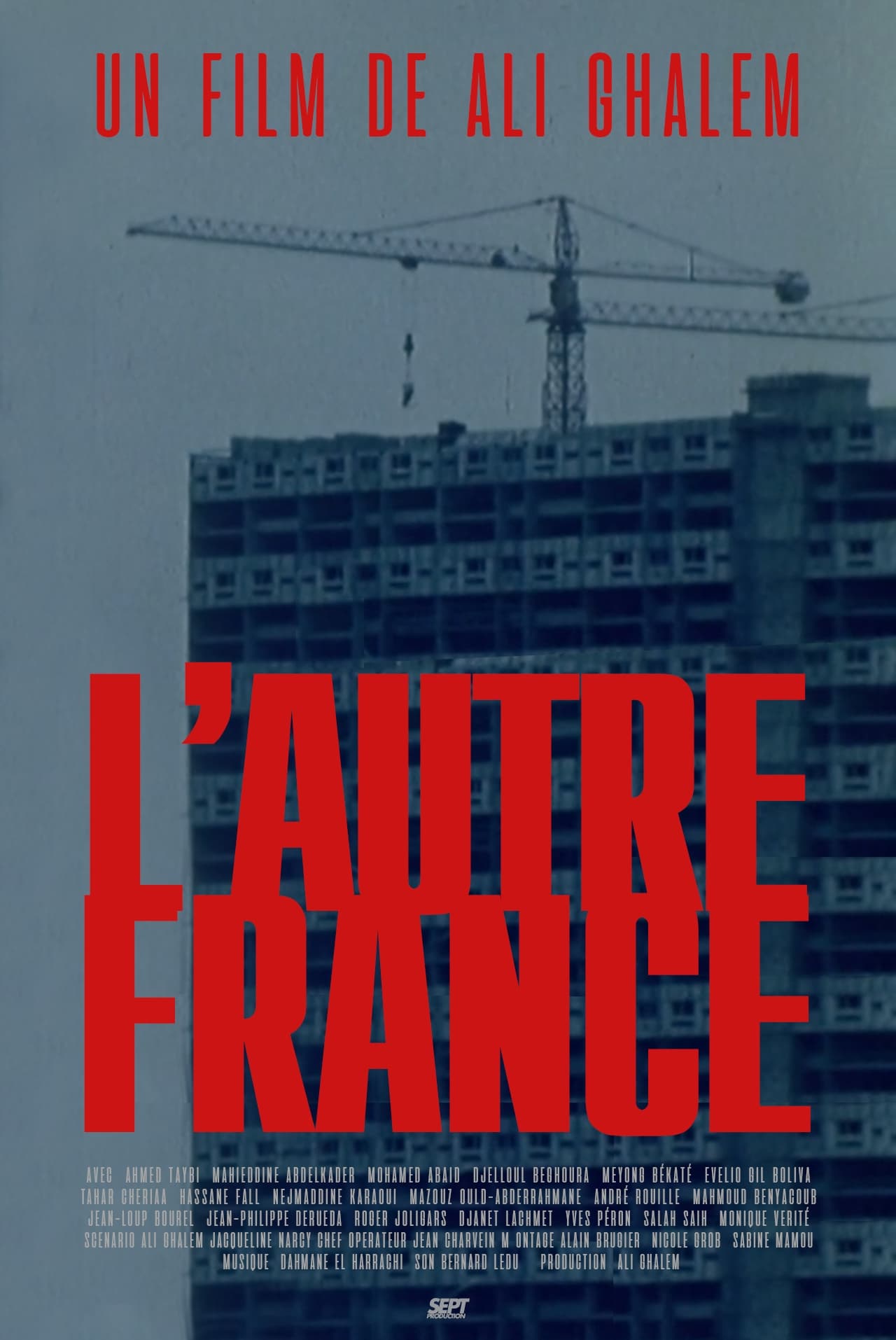
With a 80% Success Ratio (movies rated above 6.5), Mazouz Ould-Abderrahmane remains a reliable draw for studios. Their peak performance was recorded in L'autre France, which continues to be the benchmark for their career rating-wise.
Best Mazouz Ould-Abderrahmane Movies Ranked
Must-watch hits from Mazouz Ould-Abderrahmane's career based on audience ratings.
Complete Filmography & Success Status
Tracking the career evolution and box office verdicts of Mazouz Ould-Abderrahmane.
| Year | Movie | Character | Success | More |
|---|---|---|---|---|
| 1997 | 100% Arabica | L'Imam de Barbès | Flop | Similar → |
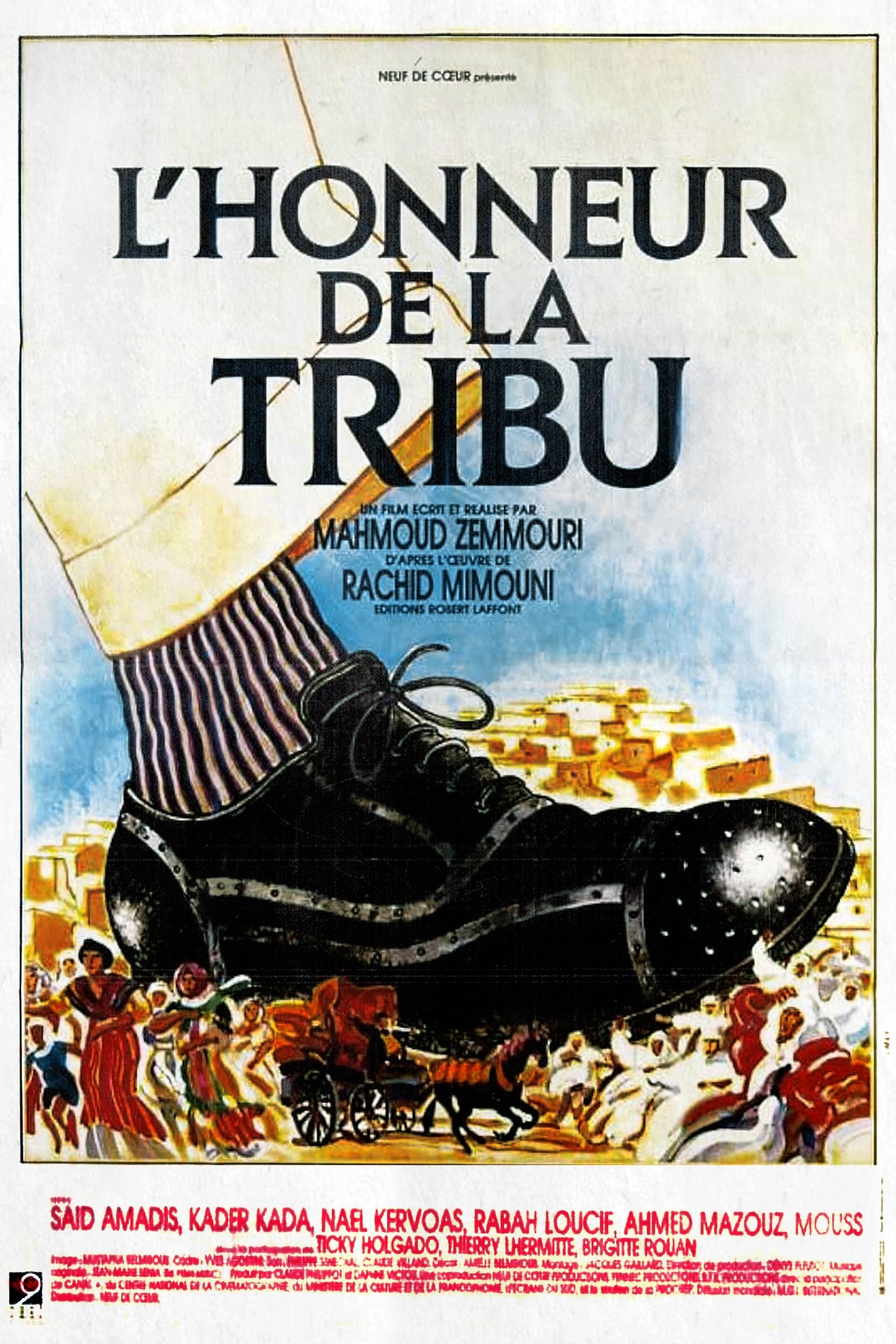
| 1993 | The Honour of the Tribe | L'Imam | Super Hit | Similar → |
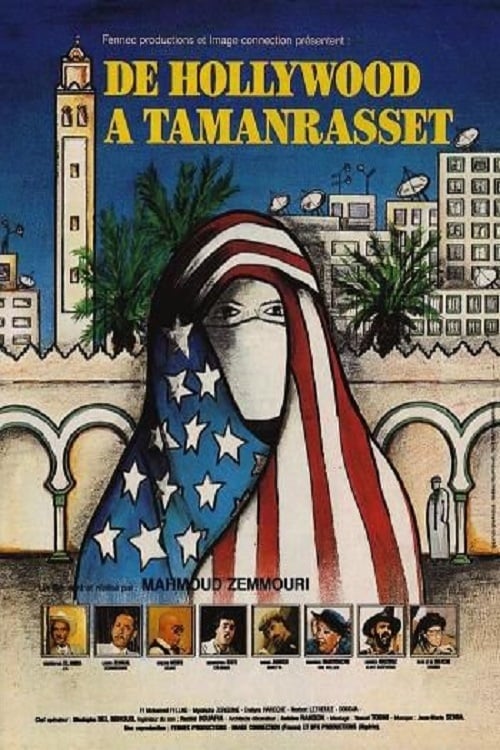
| 1990 | From Hollywood to Tamanrasset | Clint Eastwood | Super Hit | Similar → |
| 1989 | Radio corbeau | Ouvrier de Vinatier | Average | Similar → |
| 1985 | Tea in the Harem | - | Hit | Similar → |
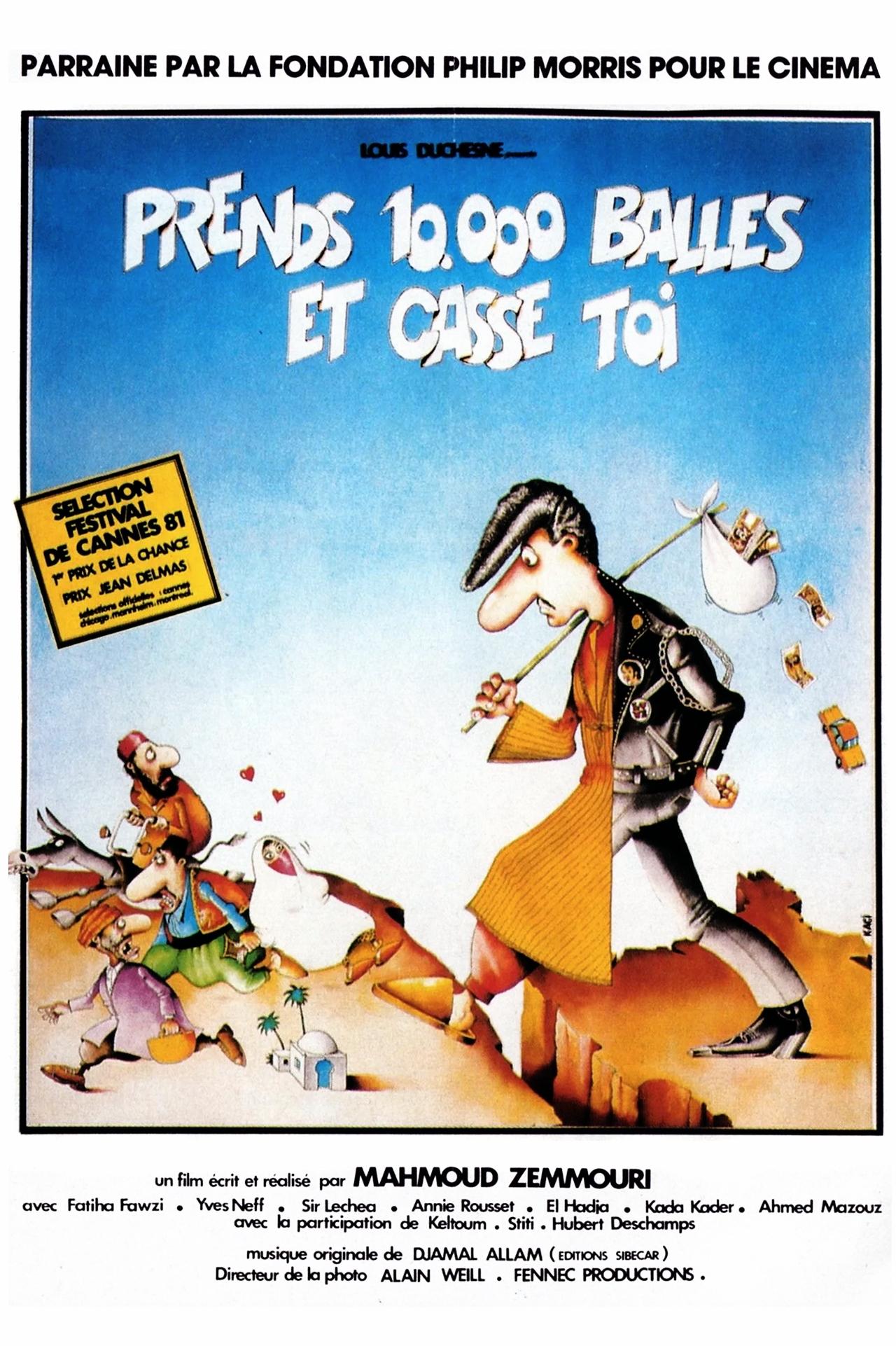
| 1981 | Take Your Ten Thousand Francs and Get Out | Mokrane | Super Hit | Similar → |
| 1977 | L'autre France | - | Super Hit | Similar → |
| 1969 | The Outlaws | - | Super Hit | Similar → |
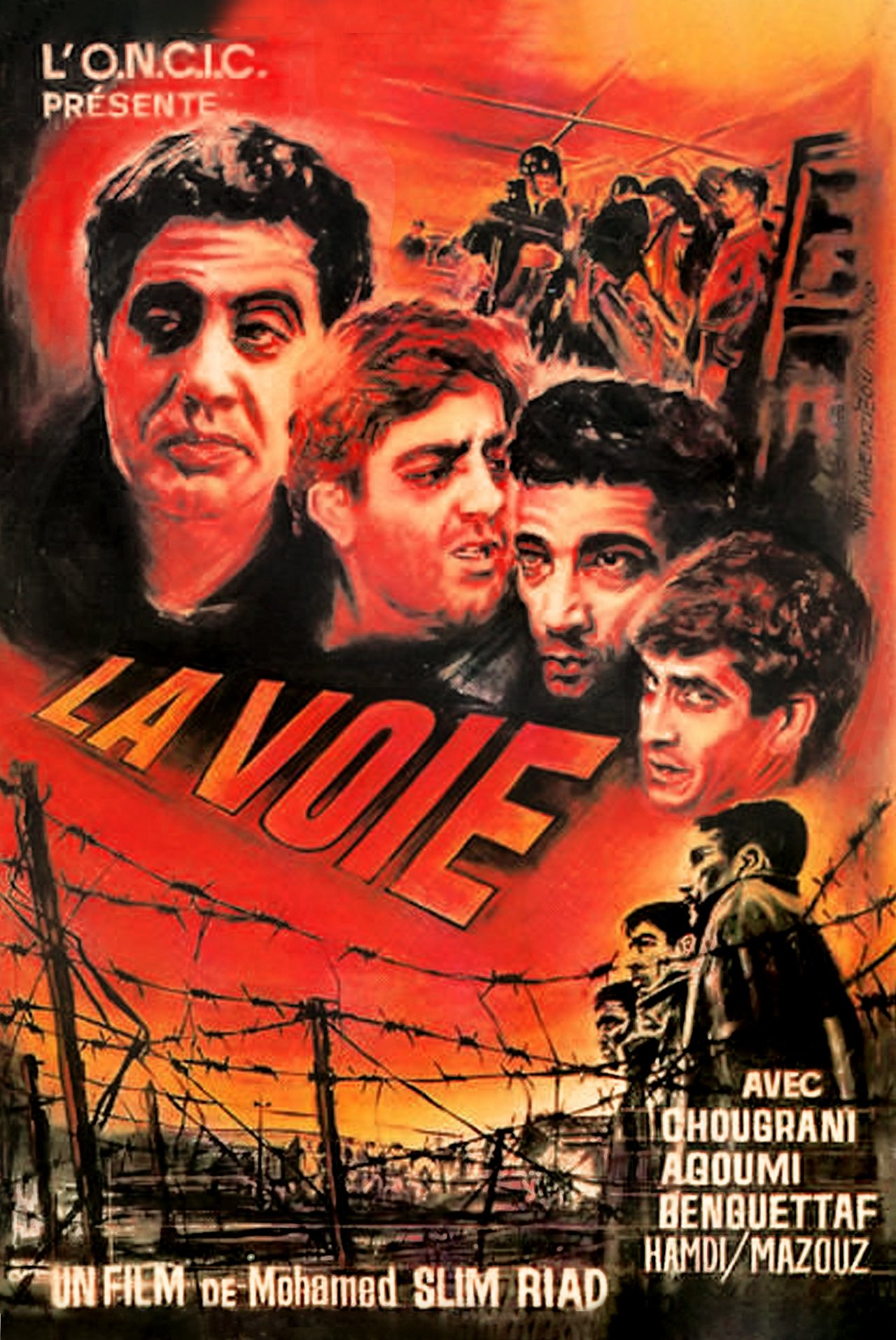
| 1967 | The Way | - | Super Hit | Similar → |
| 1965 | Dawn of the Damned | - | Hit | Similar → |
Mazouz Ould-Abderrahmane - Frequently Asked Questions
What is the best movie of Mazouz Ould-Abderrahmane?
According to audience ratings, the best movie starring Mazouz Ould-Abderrahmane is "L'autre France" with a rating of 10.0/10.
How many movies has Mazouz Ould-Abderrahmane acted in?
Mazouz Ould-Abderrahmane has been featured in at least 10 major films throughout their career.
What are some other popular movies by Mazouz Ould-Abderrahmane?
Other notable films include "Take Your Ten Thousand Francs and Get Out", "The Honour of the Tribe", and "The Way".