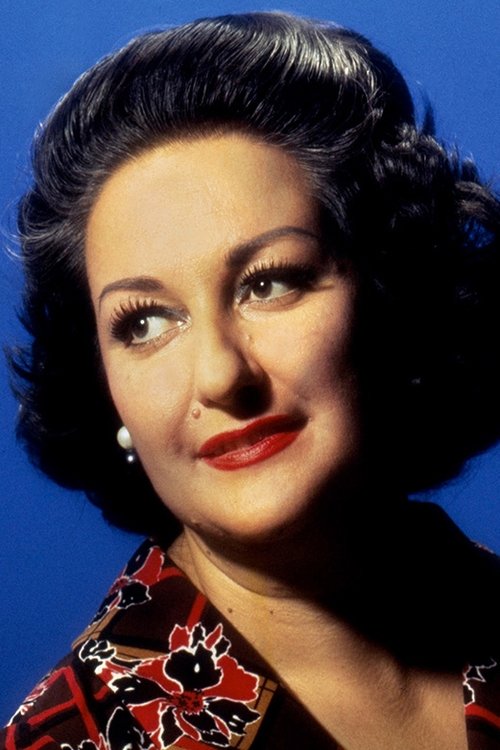
Montserrat Caballé
ActingAbout Montserrat Caballé
Montserrat Caballé i Folch or Folc (full name: María de Montserrat Bibiana Concepción Caballé i Folch (12 April 1933 – 6 October 2018), known simply as Montserrat Caballé, was a Catalan Spanish operatic soprano. She sang a wide variety of roles, but is best known as an exponent of the works of Verdi and of the bel canto repertoire, notably the works of Rossini, Bellini, and Donizetti. She was noticed internationally when she stepped in for a performance of Donizetti's Lucrezia Borgia at Carnegie Hall in 1965, and then appeared at leading opera houses. Her voice was described as pure but powerful, with superb control of vocal shadings and exquisite pianissimo. Caballé became popular to non-classical music audiences in 1987, when she recorded, at the request of the International Olympic Committee, "Barcelona", a duet with Freddie Mercury, which became an official theme song for the 1992 Olympic Games. She received several international awards and also Grammy Awards for a number of her recordings. Caballé was born in Barcelona on 12 April 1933. Her family was of humble financial circumstances due to the Civil War. She studied music at the Liceu Conservatory, and singing technique with Napoleone Annovazzi, Eugenia Kemény and Conchita Badía. She graduated with a gold medal in 1954. She subsequently moved to Basel, Switzerland, where she made her professional debut in 1956 as a last minute replacement as Mimì in Puccini's La bohème. She became part of the Basel Opera company between 1957 and 1959, singing a repertoire that included Mozart (Erste Dame in Die Zauberflöte) and Strauss (Salome) in German, unusual for Spanish singers, but which proved useful for her next engagement at the Bremen Opera (1959–1962). In 1961, she starred as Iphigénie in Gluck's Iphigénie en Tauride at the National Theatre of S. Carlos in Lisbon, alongside Raymond Wolansky, Jean Cox, Paul Schöffler and others. In 1962, Caballé returned to Barcelona and debuted at the Liceu, singing the title role in Strauss's Arabella. From the fall of 1962 through the spring of 1963 she toured Mexico, at one point singing the title role in Massenet's Manon at the Palacio de Bellas Artes. This was followed by several more successful appearances at the Liceu in 1963. Caballé's international breakthrough came in 1965 when she replaced a pregnant Marilyn Horne in a semi-staged performance of Donizetti's Lucrezia Borgia at New York's Carnegie Hall, which earned her a 25-minute standing ovation. While this was her first engagement in a bel canto opera and she had to learn the role in less than one month, her performance made her famous throughout the opera world. Later that year, Caballé made her debut at the Glyndebourne Festival singing her first Marschallin in Richard Strauss' Der Rosenkavalier and portraying the role of Countess Almaviva in Mozart's Le nozze di Figaro. ... Source: Article "Montserrat Caballé" from Wikipedia in English, licensed under CC-BY-SA 3.0.
Career Statistics & Market Influence
Analyzing the cinematic journey of Montserrat Caballé reveals a career defined by diverse artistic exploration. With a total of 12 major appearances, the actor has established a significant footprint in global cinema.
Genre Dominance: Music
The majority of Montserrat Caballé's filmography leans towards the Music genre. Audience data suggests that viewers respond most favorably to this persona, though their versatility has allowed for successful crossovers into other categories.
The "Box Office" Signature
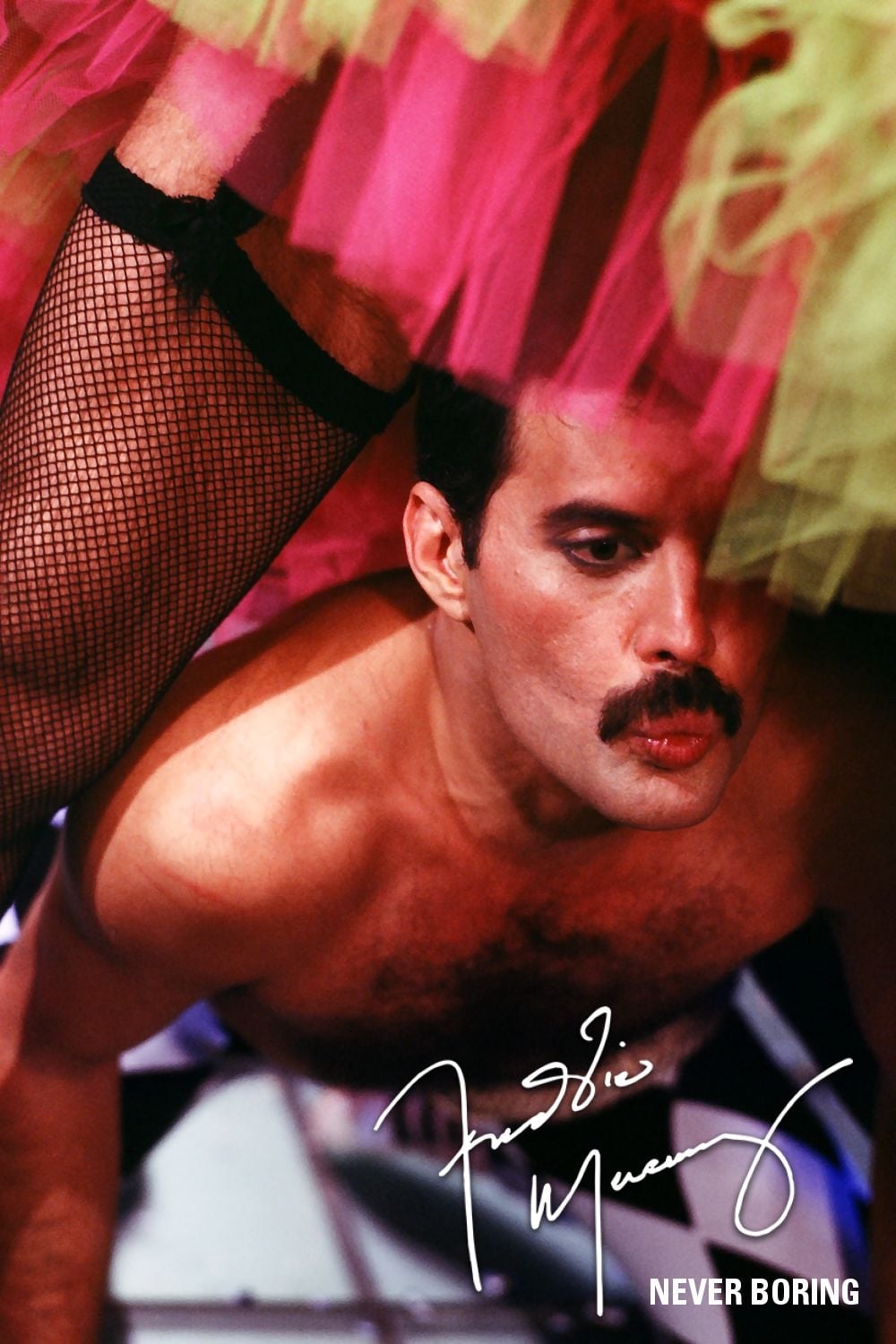
With a 25% Success Ratio (movies rated above 6.5), Montserrat Caballé remains a reliable draw for studios. Their peak performance was recorded in Never Boring - The videos, which continues to be the benchmark for their career rating-wise.
Best Montserrat Caballé Movies Ranked
Must-watch hits from Montserrat Caballé's career based on audience ratings.

Complete Filmography & Success Status
Tracking the career evolution and box office verdicts of Montserrat Caballé.
| Year | Movie | Character | Success | More |
|---|---|---|---|---|
| 2019 | Never Boring - The videos | Self (archive footage) | Super Hit | Similar → |
| 2012 | Freddie Mercury: The Great Pretender | Self | Hit | Similar → |
| 2003 | Caballe beyond music | Herself | Flop | Similar → |
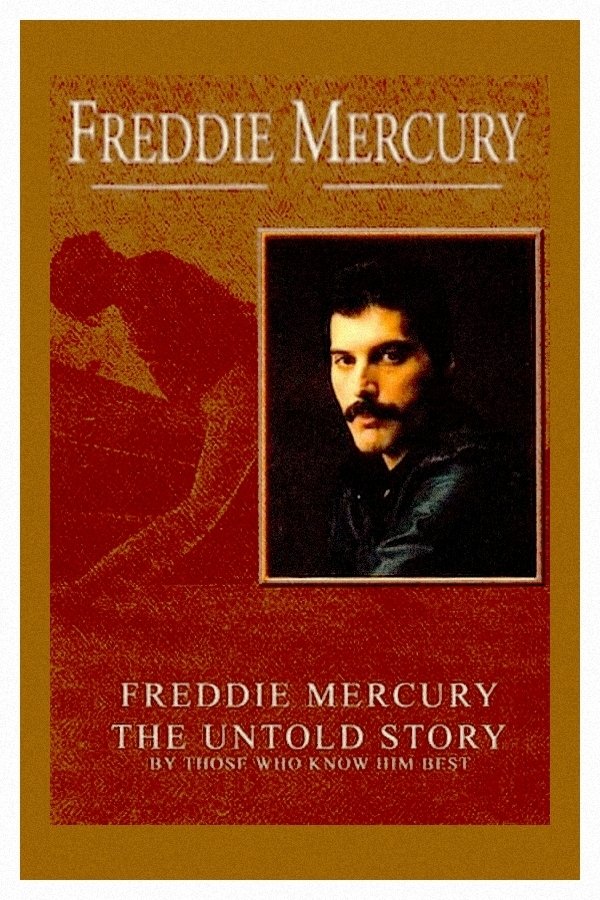
| 2000 | Freddie Mercury: The Untold Story | Self | Super Hit | Similar → |
| 1988 | Freddie Mercury & Montserrat Caballé - La Nit | Self - Performer | Flop | Similar → |
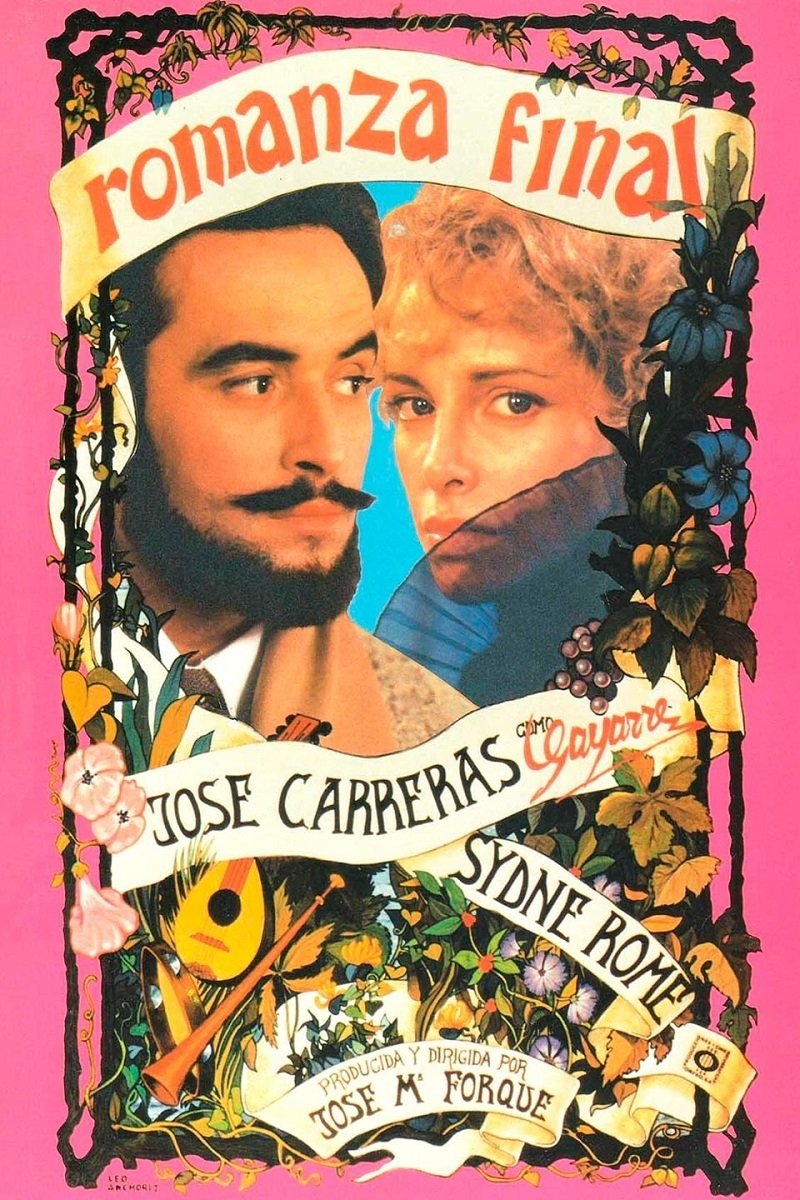
| 1986 | Romanza final (Gayarre) | Soprano | Average | Similar → |
| 1985 | Verdi: Simon Boccanegra | Maria Boccanegra | Flop | Similar → |
| 1984 | Hérodiade - Gran Teatro del Liceo | Salomé | Flop | Similar → |
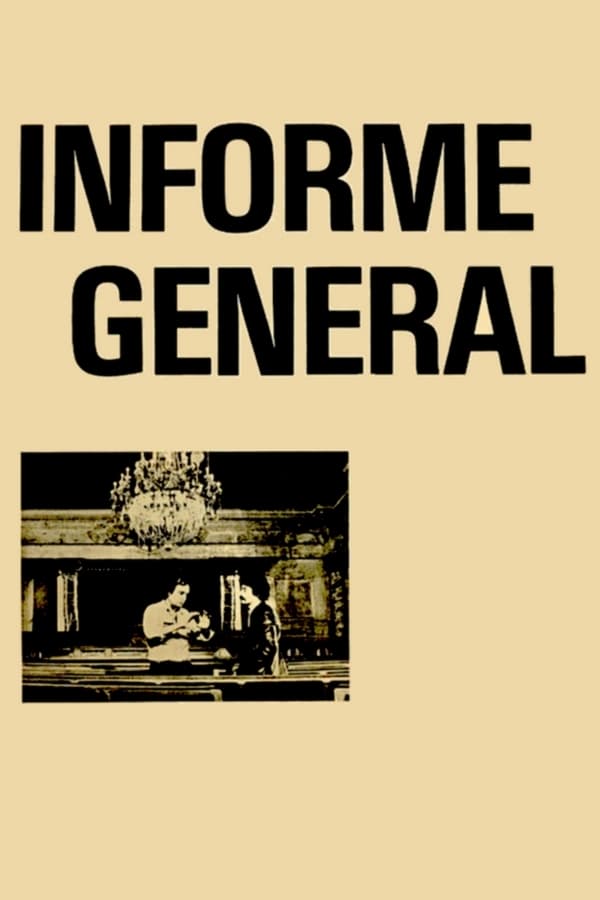
| 1977 | General Report | Self - Opera Singer | Average | Similar → |
| 1974 | Norma | Norma | Flop | Similar → |
| N/A | José Carreras Collection: Montserrat Caballé & José Carreras | - | Flop | Similar → |
| N/A | Cilea - Adriana Lecouvreur - Caballe, Cossotto, Carreras (NHK 1976) | - | Flop | Similar → |
Montserrat Caballé - Frequently Asked Questions
What is the best movie of Montserrat Caballé?
According to audience ratings, the best movie starring Montserrat Caballé is "Never Boring - The videos" with a rating of 8.3/10.
How many movies has Montserrat Caballé acted in?
Montserrat Caballé has been featured in at least 12 major films throughout their career.
What are some other popular movies by Montserrat Caballé?
Other notable films include "Freddie Mercury: The Untold Story", "Freddie Mercury: The Great Pretender", and "General Report".