
Richard Quine
DirectingAbout Richard Quine
Richard Quine (November 12, 1920 – June 10, 1989) was an American stage, film, and radio actor and film director. Quine was born in Detroit. He made his Broadway debut in the Jerome Kern/Oscar Hammerstein II musical Very Warm for May in 1939 and appeared in My Sister Eileen the following year. His screen acting credits include The World Moves On (1934), Jane Eyre (1934), Babes on Broadway (1941), My Sister Eileen (1942), and Words and Music (1948), among others. At MGM he became friends with Mickey Rooney and later directed several of Rooney's films. During World War II, Quine served in the United States Coast Guard, He married actress Susan Peters in November 1943. After the war, he tried directing, first as co-producer and co-director on Leather Gloves (1948), with William Asher, before his first solo effort on the musical The Sunny Side of the Street (1951). His directing credits include Pushover (1954), My Sister Eileen (1955), Operation Mad Ball (1957), Bell, Book and Candle (1958), Strangers When We Meet (1960), and The World of Suzie Wong (1960). He also produced such films as the comedy Paris, When It Sizzles (1964) with Audrey Hepburn and William Holden, How to Murder Your Wife (1965) with Jack Lemmon, Synanon (1966), and Hotel (1967). By the late 1960s, his output fell, and in the 1970s, Quine made only a few disappointing films. Turning to television, he had in the 1954-1955 season created with Blake Edwards the first Mickey Rooney series, The Mickey Rooney Show: Hey, Mulligan, which aired on NBC. Quine later directed three episodes of Peter Falk's Columbo, including Dagger Of The Mind, an episode set in Britain which some UK fans of that series regard as an embarrassment. He also worked on, another, much less successful NBC Mystery Movie series, McCoy starring Tony Curtis. His final work was on The Prisoner of Zenda (1979) with Peter Sellers, although he was briefly part of the crew for another Sellers film, The Fiendish Plot of Dr. Fu Manchu (1980), for which he received no credit. His first wife, whom he married on 11 July 1943, was actress Susan Peters, who was crippled from the waist down on a hunting trip with Quine in 1945 when her 22-caliber rifle accidentally discharged. The bullet lodged in her spine. On 17 April 1946, the couple adopted an infant, whom they named Timothy Richard Quine. They divorced in 1948, and she died of the effects of anorexia nervosa in 1952, at age 31. Quine was later engaged to Kim Novak, but the two did not marry. He also married actresses Barbara Bushman (with whom he had two daughters, Katherine and Victoria), Fran Jeffries, and Diana Balfour. After an extended period of depression and poor health, Quine committed suicide by shooting himself in Los Angeles on June 10, 1989. A rifle injury eerily reminiscent of his first wife's hunting accident. Description above from the Wikipedia article Richard Quine, licensed under CC-BY-SA, full list of contributors on Wikipedia.
Career Statistics & Market Influence
Analyzing the cinematic journey of Richard Quine reveals a career defined by diverse artistic exploration. With a total of 25 major appearances, the actor has established a significant footprint in global cinema.
Genre Dominance: Drama
The majority of Richard Quine's filmography leans towards the Drama genre. Audience data suggests that viewers respond most favorably to this persona, though their versatility has allowed for successful crossovers into other categories.
The "Box Office" Signature
With a 28% Success Ratio (movies rated above 6.5), Richard Quine remains a reliable draw for studios. Their peak performance was recorded in Twiggy, which continues to be the benchmark for their career rating-wise.
Best Richard Quine Movies Ranked
Must-watch hits from Richard Quine's career based on audience ratings.

Complete Filmography & Success Status
Tracking the career evolution and box office verdicts of Richard Quine.
| Year | Movie | Character | Success | More |
|---|---|---|---|---|
| 2025 | Twiggy | (archival footage) | Super Hit | Similar → |
| 1960 | The Wackiest Ship in the Army | Narrator (uncredited) | Average | Similar → |
| 1950 | The Flying Missile | Amn. Hank Weber | Flop | Similar → |
| 1950 | No Sad Songs for Me | Brownie | Average | Similar → |
| 1949 | The Clay Pigeon | Ted Niles | Average | Similar → |
| 1948 | Words and Music | Ben Feiner Jr. | Average | Similar → |
| 1948 | Command Decision | Maj. George Rockton | Average | Similar → |
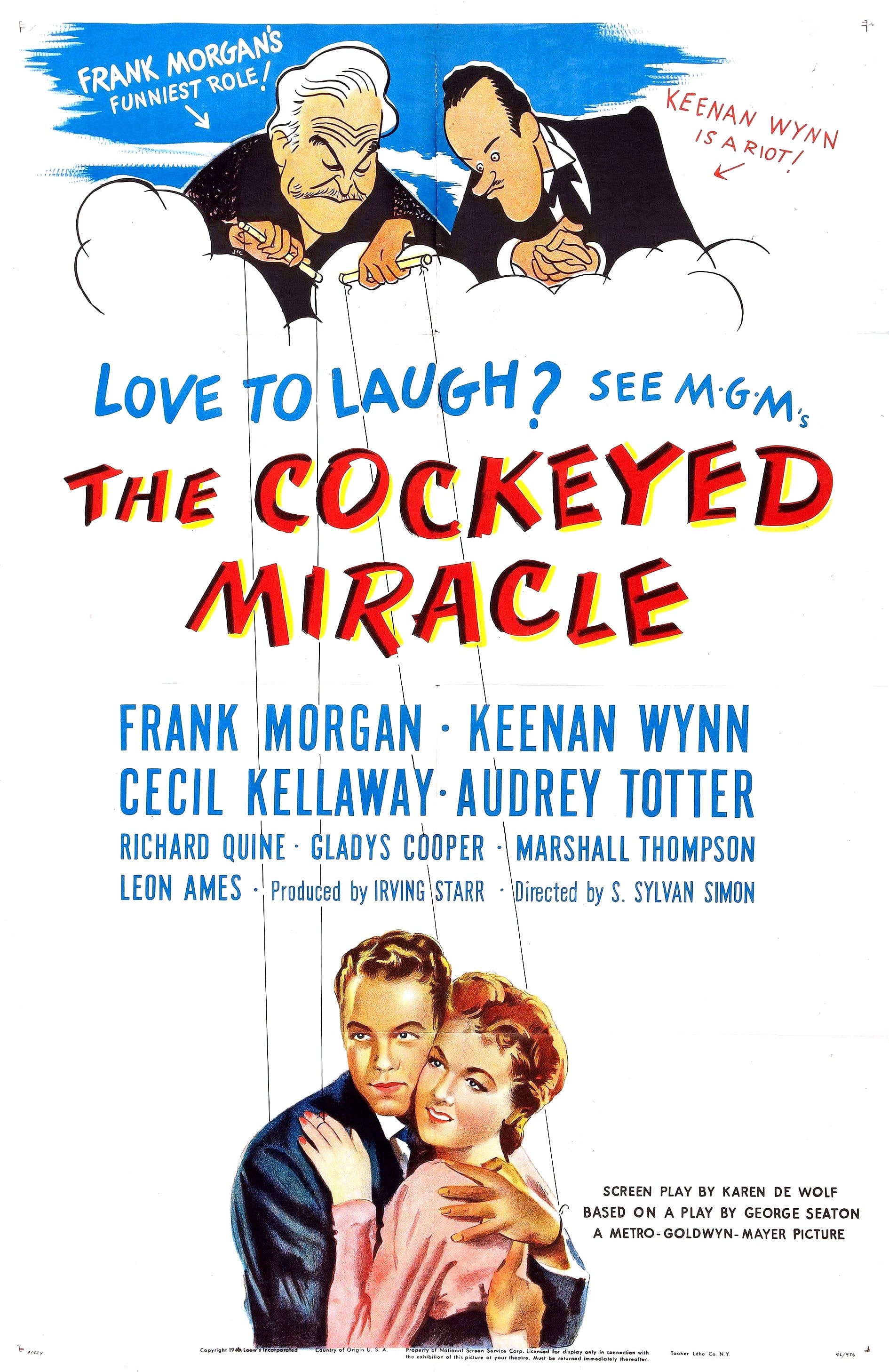
| 1946 | The Cockeyed Miracle | Howard Bankson | Hit | Similar → |
| 1943 | We've Never Been Licked | Brad Craig | Flop | Similar → |
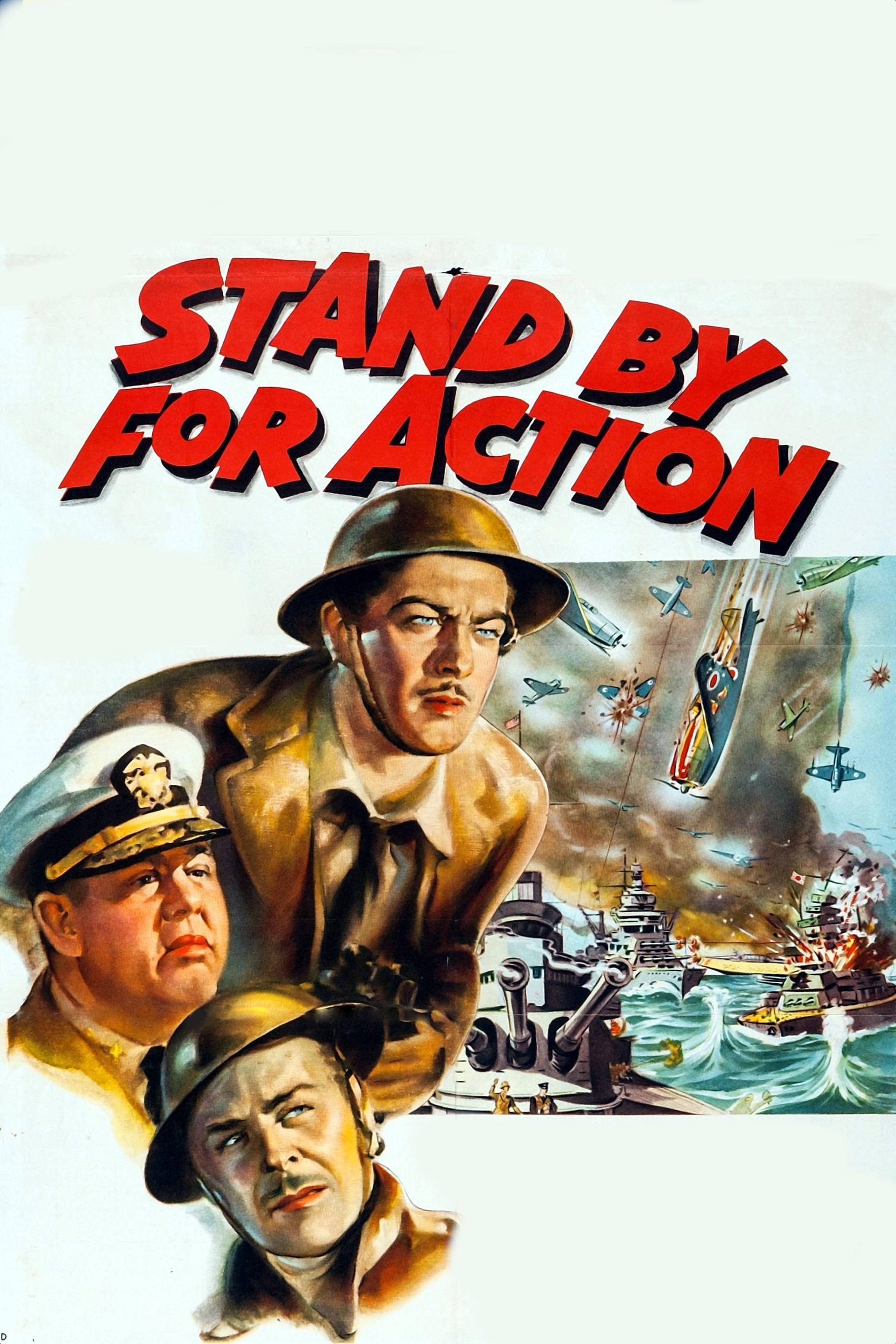
| 1942 | Stand by for Action | Ensign Lindsay | Hit | Similar → |
| 1942 | Dr. Gillespie's New Assistant | Dr. Dennis Lindsey | Flop | Similar → |
| 1942 | For Me and My Gal | Danny Hayden (uncredited) | Average | Similar → |
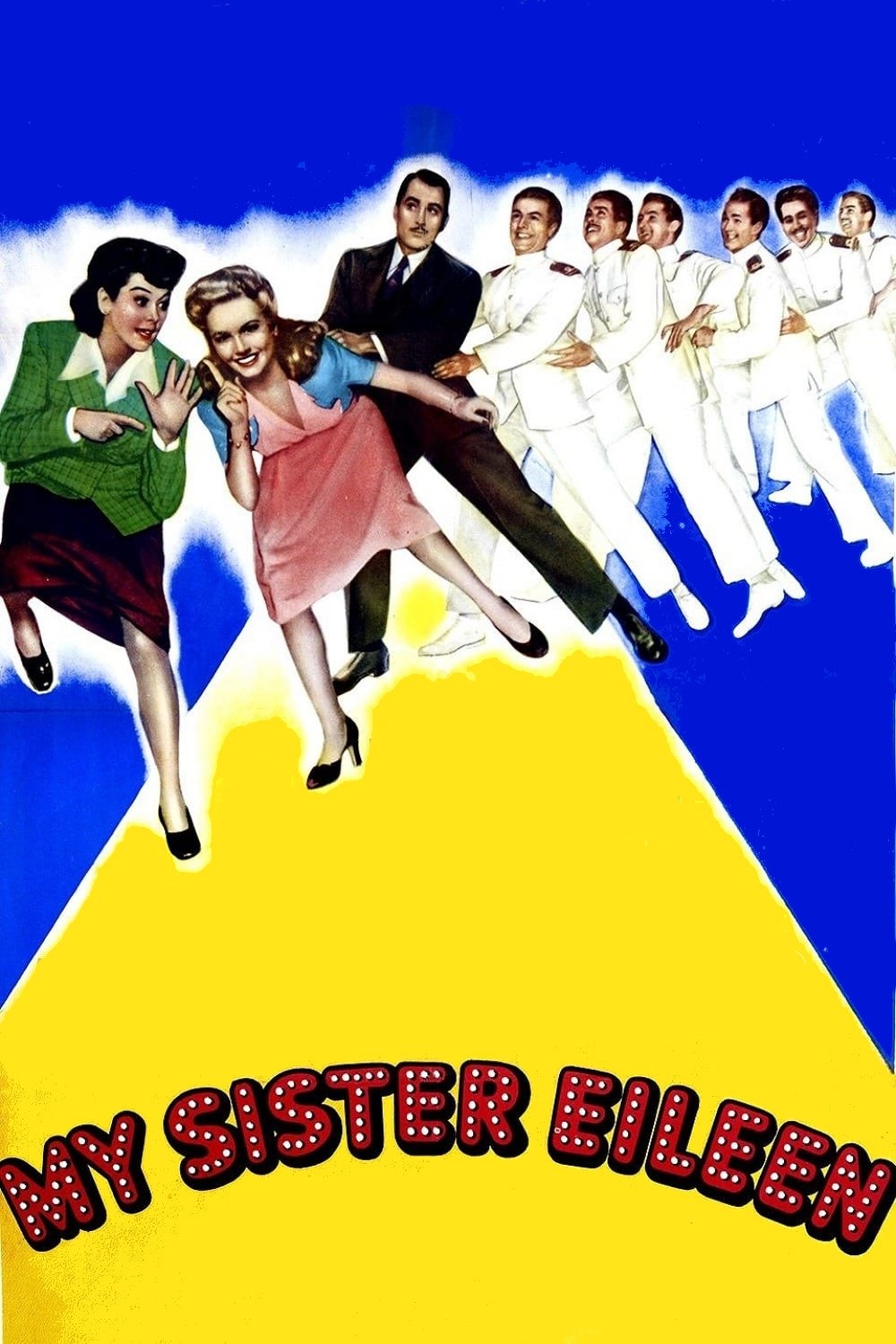
| 1942 | My Sister Eileen | Frank Lippincott | Hit | Similar → |
| 1942 | Tish | Theodore 'Ted' Bowser | Average | Similar → |
| 1941 | Babes on Broadway | Morton Hammond | Hit | Similar → |
| 1939 | King of the Underworld | Medical Student (uncredited) | Average | Similar → |
| 1935 | Dinky | Jackie Shaw | Hit | Similar → |
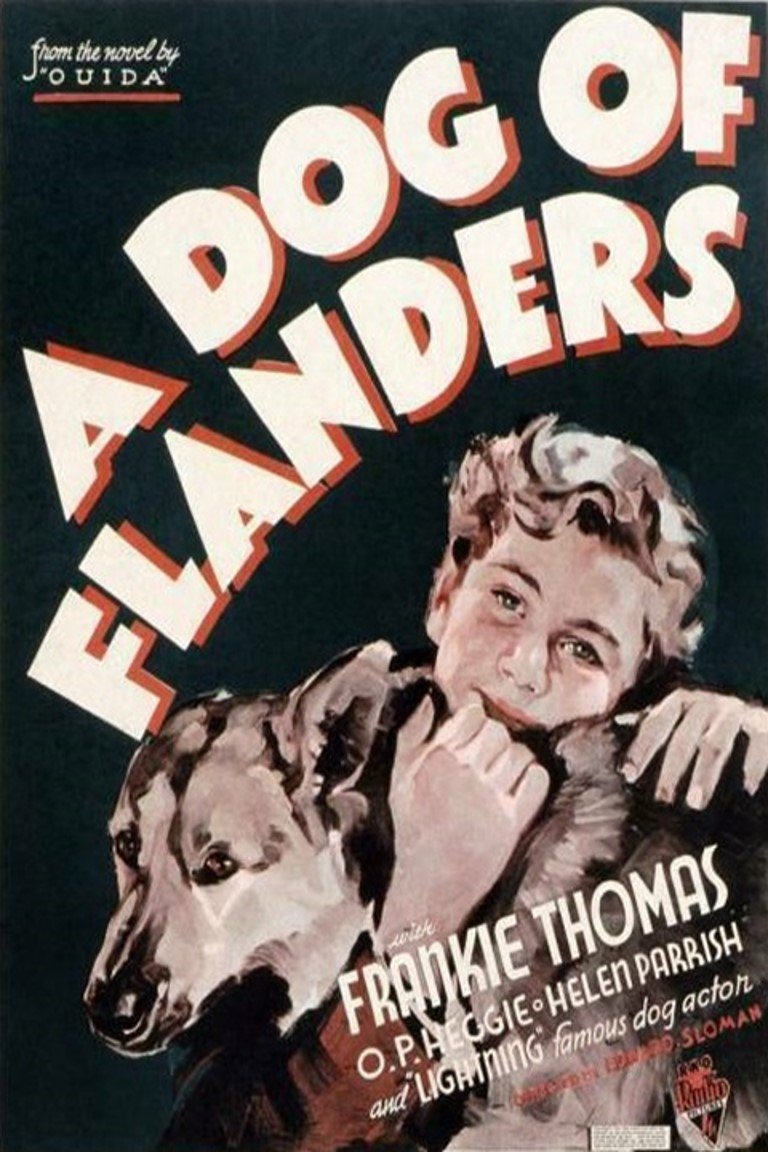
| 1935 | A Dog of Flanders | Pieter Vanderkloot | Hit | Similar → |
| 1935 | Life Returns | Mickey | Flop | Similar → |
| 1934 | Wednesday's Child | Young Boy (uncredited) | Flop | Similar → |
| 1934 | Jane Eyre | John Reed | Flop | Similar → |
| 1934 | Little Men | Ned | Flop | Similar → |
| 1933 | Counsellor at Law | Richard Dwight Jr. | Average | Similar → |
| 1933 | The World Changes | Young Richard (uncredited) | Flop | Similar → |
| 1933 | Cavalcade | Undetermined Secondary Role (uncredited) | Average | Similar → |
Richard Quine - Frequently Asked Questions
What is the best movie of Richard Quine?
According to audience ratings, the best movie starring Richard Quine is "Twiggy" with a rating of 7.9/10.
How many movies has Richard Quine acted in?
Richard Quine has been featured in at least 25 major films throughout their career.
What are some other popular movies by Richard Quine?
Other notable films include "A Dog of Flanders", "My Sister Eileen", and "Stand by for Action".