
Roy Orbison
ActingAbout Roy Orbison
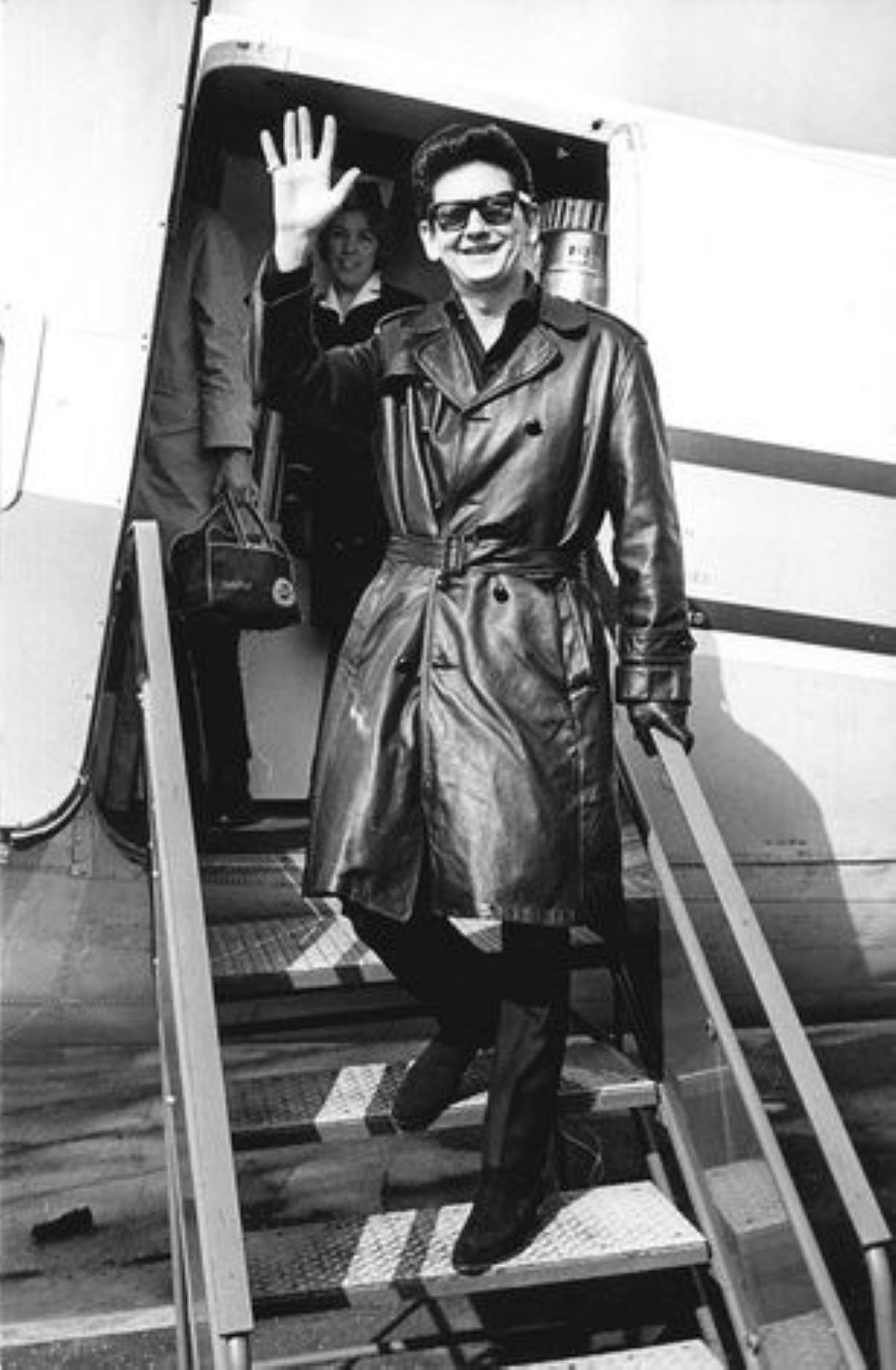
Roy Kelton Orbison (April 23, 1936 – December 6, 1988) was an American singer, songwriter, and guitarist known for his distinctive and powerful voice, complex song structures, and dark, emotional ballads. Orbison's most successful periods were in the early 1960s and the late 1980s. Many of Orbison's songs conveyed vulnerability at a time when most male performers projected strength. He performed with minimal motion and in black clothes, matching his dyed black hair and dark sunglasses. Born in Texas, Orbison began singing in a country-and-western band as a teenager. He was signed by Sam Phillips of Sun Records in 1956 after being urged by Johnny Cash. Elvis Presley was leaving Sun and Phillips was looking to replace him. His first Sun recording, "Ooby Dooby", was musically akin of Presley's early Sun recordings. He had moderate success at Sun, but enjoyed his greatest success with Monument Records. From 1960 to 1966, 22 of Orbison's singles reached the Billboard top 40. He wrote or co-wrote almost all of his own top-10 hits, including "Only the Lonely" (1960), "Running Scared" (1961), "Crying" (1961), "In Dreams" (1963), "Oh, Pretty Woman" (1964), "I Drove All Night" (1987), "She's a Mystery to Me" (1988), "You Got It" (1988), and "California Blue" (1988). After the mid-1960s, Orbison suffered a number of personal tragedies, and his career faltered. He experienced a resurgence in popularity in the 1980s, following the success of several cover versions of his songs. In 1988, he co-founded the Traveling Wilburys supergroup with George Harrison, Bob Dylan, Tom Petty, and Jeff Lynne. Orbison died of a heart attack that December at age 52. One month later, his song "You Got It" (1989) was released as a solo single, becoming his first hit to reach the top 10 in both the US and UK in nearly 25 years. Orbison's honors include inductions into the Rock and Roll Hall of Fame and Nashville Songwriters Hall of Fame in 1987, the Songwriters Hall of Fame in 1989, and the Musicians Hall of Fame and Museum in 2014. He received a Grammy Lifetime Achievement Award and five other Grammy Awards. Rolling Stone placed him at number 37 on its list of the "Greatest Artists of All Time" and number 13 on its list of the "100 Greatest Singers of All Time". In 2002, Billboard magazine listed him at number 74 on its list of the Top 600 recording artists. Description above from the Wikipedia article Roy Orbison, licensed under CC-BY-SA, full list of contributors on Wikipedia.
Career Statistics & Market Influence
Analyzing the cinematic journey of Roy Orbison reveals a career defined by diverse artistic exploration. With a total of 34 major appearances, the actor has established a significant footprint in global cinema.
Genre Dominance: Music
The majority of Roy Orbison's filmography leans towards the Music genre. Audience data suggests that viewers respond most favorably to this persona, though their versatility has allowed for successful crossovers into other categories.
The "Box Office" Signature
With a 50% Success Ratio (movies rated above 6.5), Roy Orbison remains a reliable draw for studios. Their peak performance was recorded in Roy Orbison: Love Hurts, which continues to be the benchmark for their career rating-wise.
Best Roy Orbison Movies Ranked
Must-watch hits from Roy Orbison's career based on audience ratings.
Complete Filmography & Success Status
Tracking the career evolution and box office verdicts of Roy Orbison.
Roy Orbison - Frequently Asked Questions
What is the best movie of Roy Orbison?
According to audience ratings, the best movie starring Roy Orbison is "Roy Orbison: Love Hurts" with a rating of 10.0/10.
How many movies has Roy Orbison acted in?
Roy Orbison has been featured in at least 34 major films throughout their career.
What are some other popular movies by Roy Orbison?
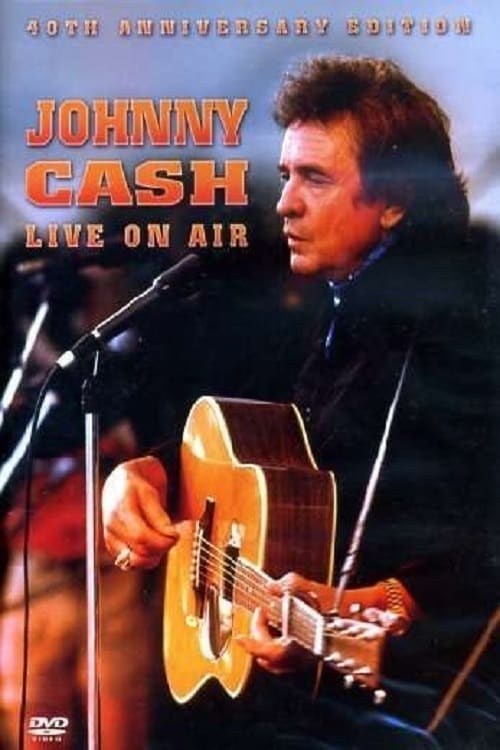
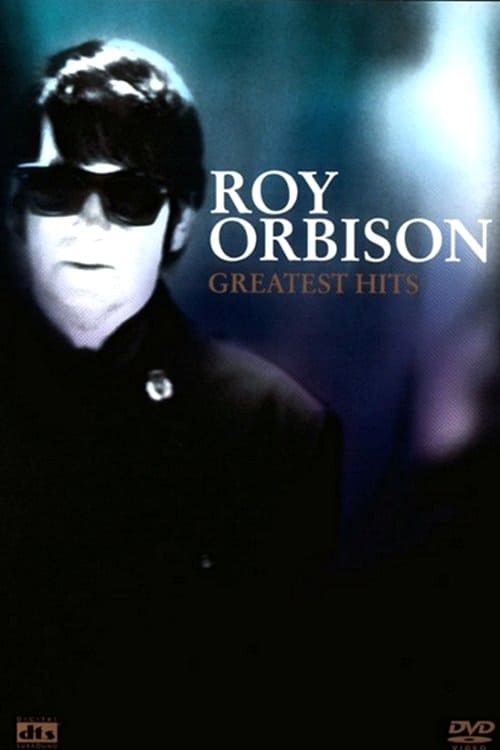
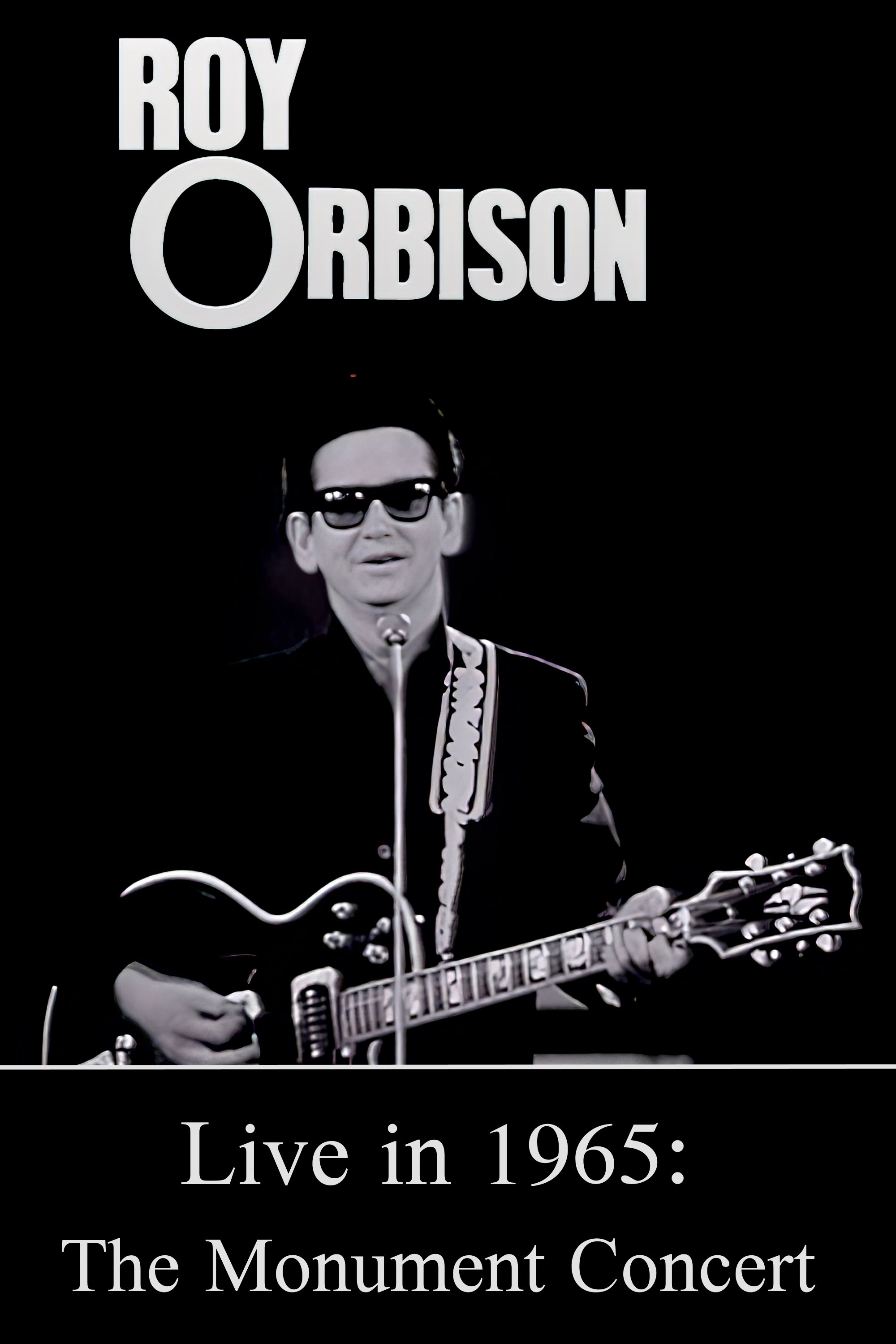
Other notable films include "Johnny Cash: Live On Air", "Roy Orbison: Greatest Hits", and "Roy Orbison Live in 1965: The Monument Concert".