Santiago García Galván
DirectingAbout Santiago García Galván
Film and theater actor, playwright, theater director and painter born in Bogotá in 1928. Santiago García studied architecture at the National University, the School of Fine Arts in Paris and at the University Institute of Venice. His acting training began in 1957 in Bogotá, with the Japanese director SekiSano; later it continued it in the University of the Prague, in the Actor's Studio of New York and, in 1963, in the University of Theater of the Nations in Vincennes (France). García was one of the founders, in 1958, of El Búho, and later, in 1966, together with artists and intellectuals from the capital, founded the House of Culture, today Teatro La Candelaria, of which he has always been director. He directed the theater group of the National University in Bogotá and the National School of Dramatic Art. He has directed innumerable theatrical productions both in the country and in Cuba, Mexico, the United States and Costa Rica. He has received various national and international awards, among which is the Ollantay Prize in 1985, for his creative and pedagogical work. From 1983 until now, he directs the permanent theater research and training workshop, and is an executive member of the Colombian Theater Corporation. Santiago García is the author of the works: Dialogue of the search (1981), based on several works by Francisco de Quevedo, especially in called Don Pablos, where, in García's words, he maintained Quevedo's style, especially the satirical and violent spirit of all his work; The montage is inspired by the paintings of the painter El Bosco and the street folklore. He is also the author of Corre, Chasqui Carigueta (1982), based on the tragedy of the end of Ataw Wallpan, written by an anonymous author in the Quechua language in approximately 1555, where García tried his best to respect the original structure of the tragedy, but for above all its spirit of ritual testimony of a culture devastated by the conqueror; Maravilla Estar (1983), and The brawl (1984). He wrote the texts of the works of collective creation: We the Commons (1972), The Golden City (1973), Guadalupe Years Without Account (1975) The ten days that shook the world, based on the work of the same name, commissioned by members of the Central Union of Workers of Colombia (CSTC). He has published numerous articles in the press and in national and international magazines, and also the book Theory and Practice of Theater (1983) In March 2012, he was declared a World Theater Ambassador by Unesco's International Theater Institute (ITI).
Career Statistics & Market Influence
Analyzing the cinematic journey of Santiago García Galván reveals a career defined by diverse artistic exploration. With a total of 1 major appearances, the actor has established a significant footprint in global cinema.
Genre Dominance: Drama
The majority of Santiago García Galván's filmography leans towards the Drama genre. Audience data suggests that viewers respond most favorably to this persona, though their versatility has allowed for successful crossovers into other categories.
The "Box Office" Signature
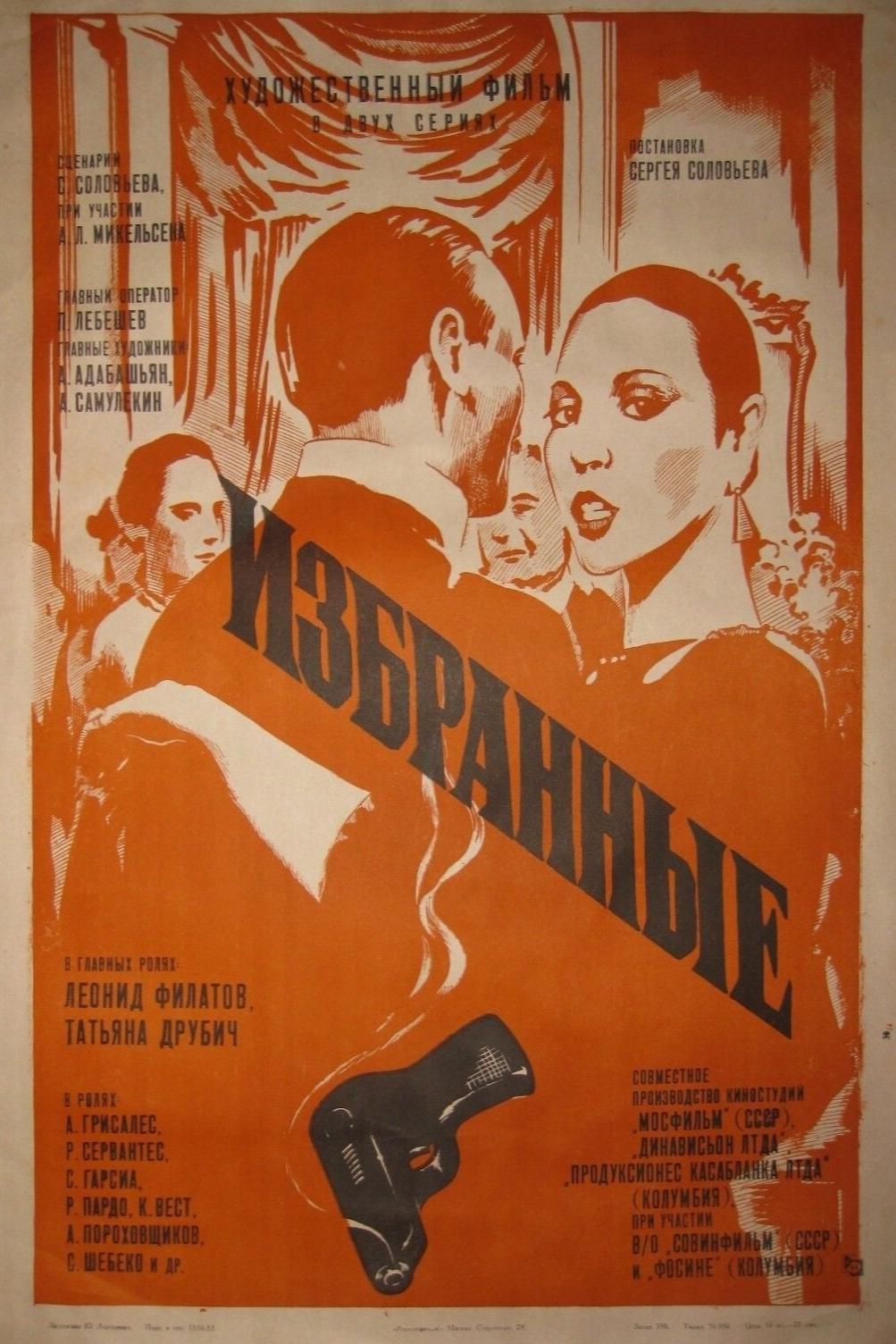
With a 0% Success Ratio (movies rated above 6.5), Santiago García Galván remains a reliable draw for studios. Their peak performance was recorded in The Chosen Ones, which continues to be the benchmark for their career rating-wise.
Best Santiago García Galván Movies Ranked
Must-watch hits from Santiago García Galván's career based on audience ratings.
Complete Filmography & Success Status
Tracking the career evolution and box office verdicts of Santiago García Galván.
| Year | Movie | Character | Success | More |
|---|---|---|---|---|
| 1983 | The Chosen Ones | доктор Фаусто | Flop | Similar → |
Santiago García Galván - Frequently Asked Questions
What is the best movie of Santiago García Galván?
According to audience ratings, the best movie starring Santiago García Galván is "The Chosen Ones" with a rating of 4.2/10.
How many movies has Santiago García Galván acted in?
Santiago García Galván has been featured in at least 1 major films throughout their career.