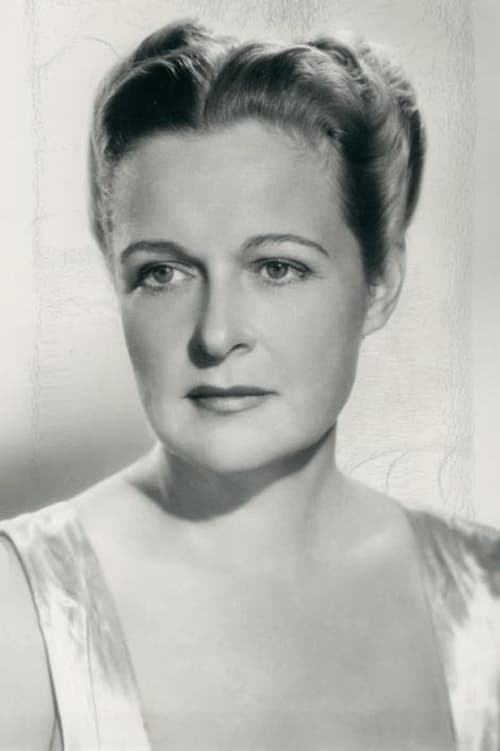
Selena Royle
ActingAbout Selena Royle
From Wikipedia, the free encyclopedia Selena Royle (November 6, 1904 – April 23, 1983) was an American actress (of stage, radio, television and film), and later, an author. Royle was born in New York City to playwright Edwin Milton Royle and actress Selena Fetter (April 12, 1860 - May 10, 1955). She had an older sister, Josephine Fetter Royle (1901–1992). Her mother recounted in a newspaper article that she used to take Selena along with her to her rehearsals and performances. One night, then seven-year-old Selena went missing. While the mother frantically searched for her, holding up act two, the audience became restless. The youngster finally turned up - she had gone on stage dressed in her mother's second-act costume; she made a bow, much to the audience's amusement. She later remarked, "And that is the first time I was ever on stage, and I liked it so well I stayed." Her father wrote the 1921 Broadway play Lancelot and Elaine to provide both her and sister Josephine with their first professional roles, as Guinevere and Elaine respectively. Eventually, she landed a part on her own in the 1923 Theatre Guild production of Peer Gynt, with Joseph Schildkraut, and became a respected Broadway actress. She made one film in the 1930s, Misleading Lady, but otherwise worked on the stage and on radio. Royle began her radio career in 1926 or 1927 and performed "almost continuously since", according to a 1939 newspaper item. Her body of work includes playing the title role in Hilda Hope, M.D. She also played Martha Jackson in Woman of Courage, Mrs. Allen in Against the Storm, Joan in The O'Neills, and Mrs. Gardner in Betty and Bob, and appeared in Kate Hopkins. In the 1940s, she returned to film and had a successful run, mainly playing maternal characters such as the bereaved mother of The Fighting Sullivans (1944), mother to Jane Powell in the big screen adaptation of A Date with Judy (1948) and the title character's mother opposite Ingrid Bergman as Joan of Arc (1948). She made several appearances on early television. However, in 1951, when she refused to testify before the House Un-American Activities Committee. She sued the American Legion, which had published Red Channels, in which her name was listed, and won but her acting career ended. She made only three more roles, the last being Murder Is My Beat (1955). She also wrote several books, including Guadalajara: as I Know It, Live It, Love It (which went through several editions) and a couple of cookbooks, and some magazine articles. She was the "radio editor" of the short-lived New York periodical Swank.
Career Statistics & Market Influence
Analyzing the cinematic journey of Selena Royle reveals a career defined by diverse artistic exploration. With a total of 35 major appearances, the actor has established a significant footprint in global cinema.
Genre Dominance: Drama
The majority of Selena Royle's filmography leans towards the Drama genre. Audience data suggests that viewers respond most favorably to this persona, though their versatility has allowed for successful crossovers into other categories.
The "Box Office" Signature
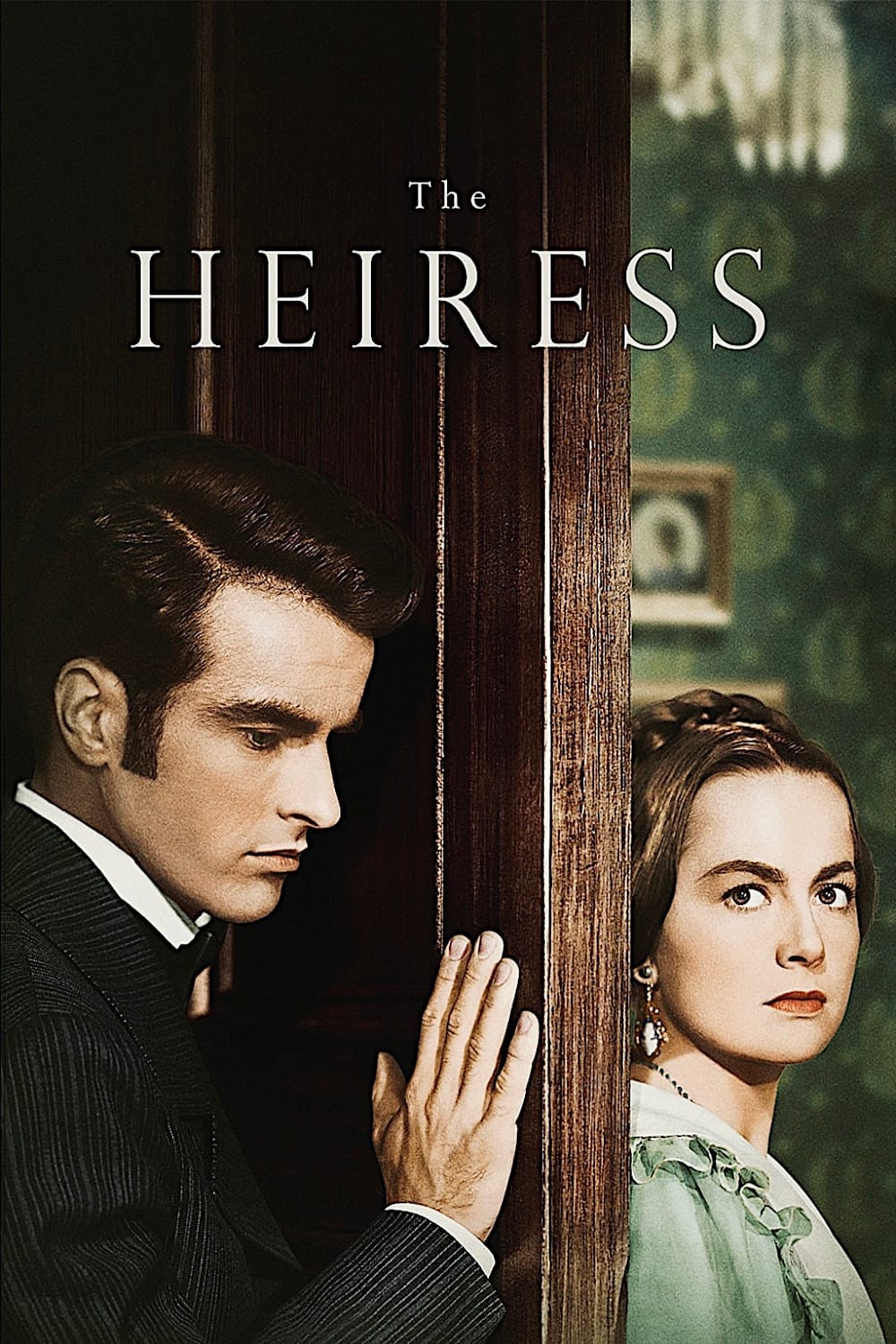
With a 26% Success Ratio (movies rated above 6.5), Selena Royle remains a reliable draw for studios. Their peak performance was recorded in The Heiress, which continues to be the benchmark for their career rating-wise.
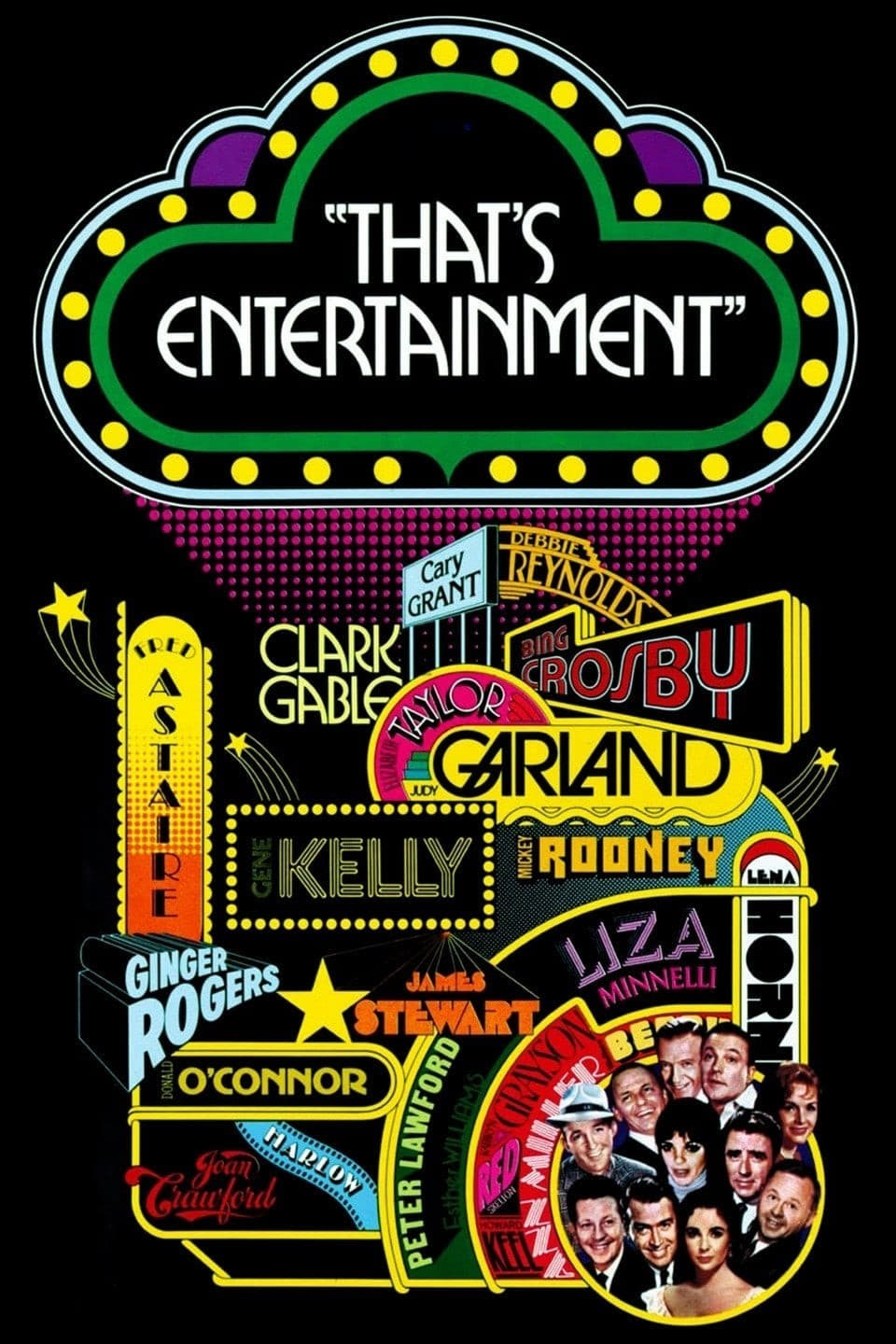
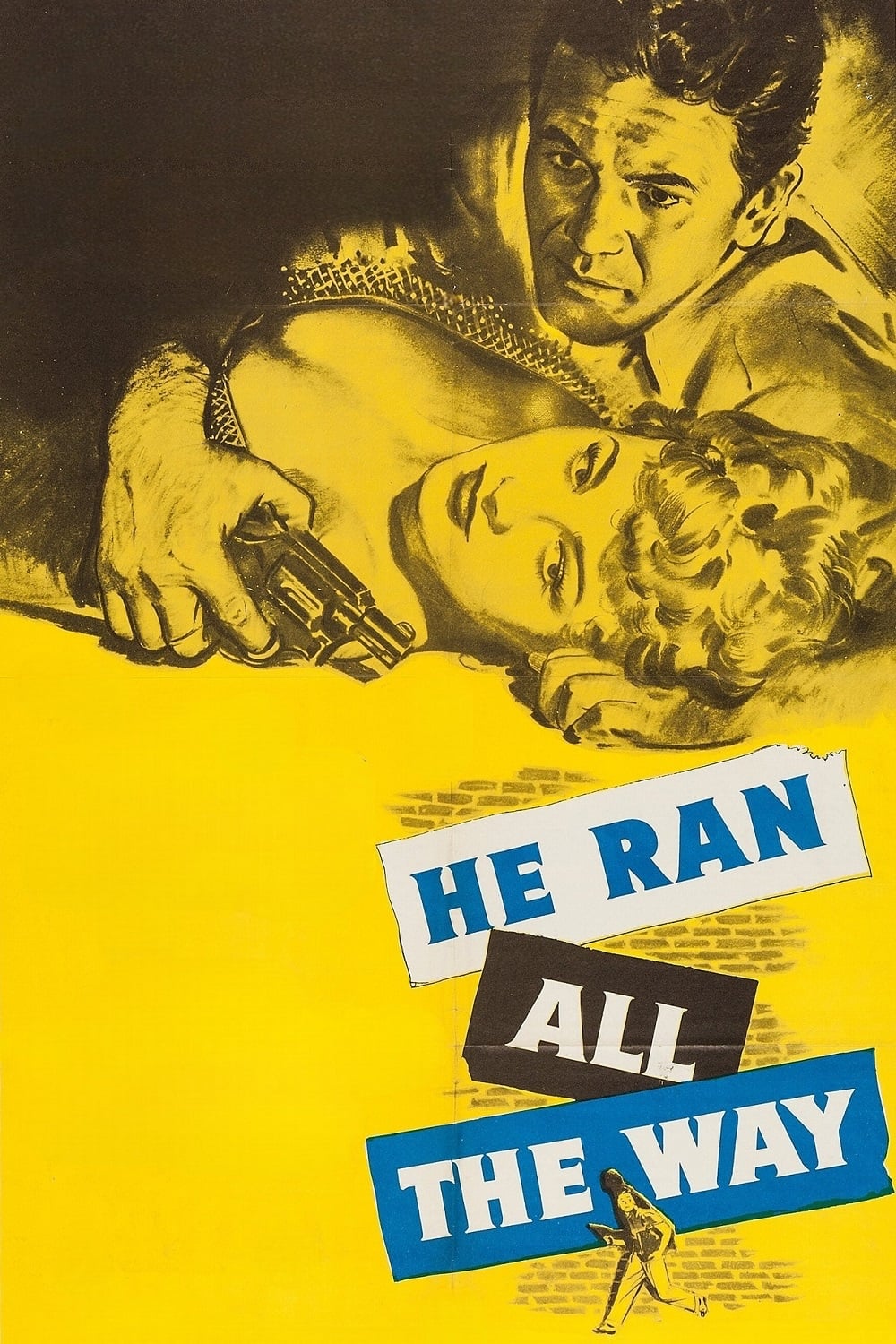
Best Selena Royle Movies Ranked
Must-watch hits from Selena Royle's career based on audience ratings.
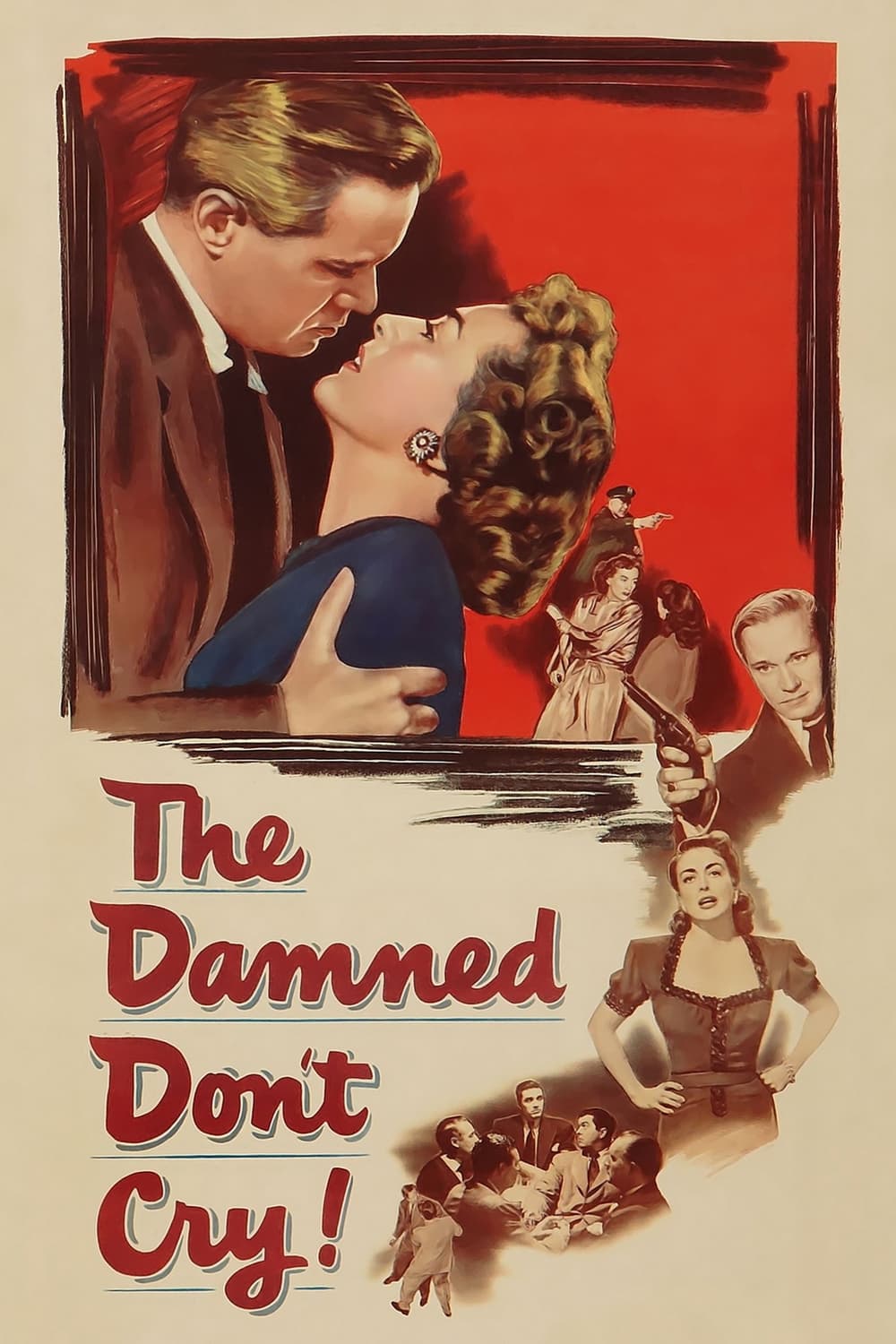
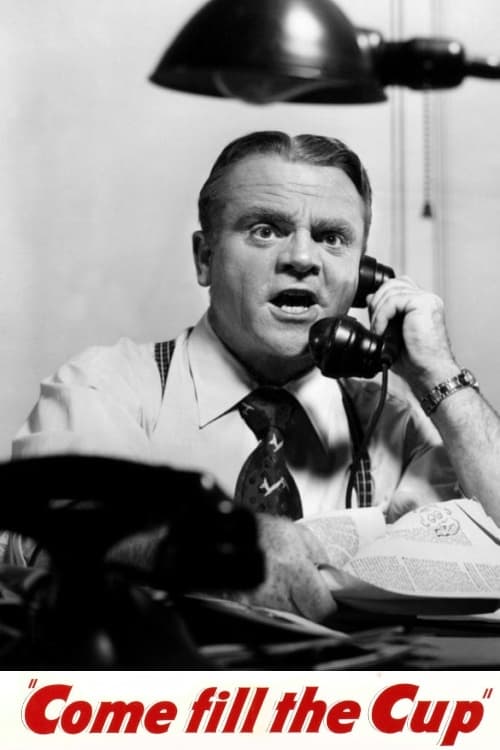
Complete Filmography & Success Status
Tracking the career evolution and box office verdicts of Selena Royle.
| Year | Movie | Character | Success | More |
|---|---|---|---|---|
| 1986 | TerrorVision | Archive Footage (Robot Monster) | Average | Similar → |
| 1974 | That's Entertainment! | (archive footage) (uncredited) | Hit | Similar → |
| 1955 | Murder Is My Beat | Beatrice Abbott | Average | Similar → |
| 1953 | Robot Monster | Mother | Flop | Similar → |
| 1951 | Come Fill the Cup | Mrs. Dolly Copeland | Hit | Similar → |
| 1951 | He Ran All the Way | Mrs. Dobbs | Hit | Similar → |
| 1950 | Branded | Mrs. Lavery | Average | Similar → |
| 1950 | The Big Hangover | Kate Mahoney | Average | Similar → |
| 1950 | The Damned Don't Cry | Patricia Longworth | Hit | Similar → |
| 1949 | The Heiress | Elizabeth Almond | Super Hit | Similar → |
| 1949 | You're My Everything | Mrs. Adams | Flop | Similar → |
| 1949 | My Dream Is Yours | Freda Hofer | Average | Similar → |
| 1949 | Bad Boy | Judge Florence Prentiss | Hit | Similar → |
| 1948 | Joan of Arc | Isabelle d'Arc, Joan's Mother | Average | Similar → |
| 1948 | Moonrise | Aunt Jessie | Average | Similar → |
| 1948 | A Date with Judy | Mrs. Foster | Average | Similar → |
| 1948 | Smart Woman | Mrs. Wayne | Flop | Similar → |
| 1948 | Summer Holiday | Mrs. Essie Miller | Flop | Similar → |
| 1948 | You Were Meant for Me | Cora Mayhew | Average | Similar → |
| 1947 | Cass Timberlane | Louise Wargate | Average | Similar → |
| 1947 | The Romance of Rosy Ridge | Sairy MacBean | Hit | Similar → |
| 1946 | Courage of Lassie | Mrs. Merrick | Average | Similar → |
| 1946 | Gallant Journey | Mrs. Zachary Montgomery | Average | Similar → |
| 1946 | Till the End of Time | Mrs. Kincheloe | Average | Similar → |
| 1946 | The Green Years | Mama Leckie | Average | Similar → |
| 1946 | Night and Day | Kate Porter | Average | Similar → |
| 1946 | No Leave, No Love | Mrs. Hanlon | Average | Similar → |
| 1946 | The Harvey Girls | Miss Bliss | Hit | Similar → |
| 1945 | Main Street After Dark | 'Ma' Abby Dibson | Flop | Similar → |
| 1945 | This Man's Navy | Maude Weaver | Average | Similar → |
| 1944 | Thirty Seconds Over Tokyo | Mrs. Reynolds | Hit | Similar → |
| 1944 | Mrs. Parkington | Mattie Trounson | Average | Similar → |
| 1944 | The Fighting Sullivans | Mrs. Alleta Sullivan | Average | Similar → |
| 1943 | Stage Door Canteen | Selena Royle | Average | Similar → |
| 1932 | The Misleading Lady | Alice Connell | Flop | Similar → |
Selena Royle - Frequently Asked Questions
What is the best movie of Selena Royle?
According to audience ratings, the best movie starring Selena Royle is "The Heiress" with a rating of 7.7/10.
How many movies has Selena Royle acted in?
Selena Royle has been featured in at least 35 major films throughout their career.
What are some other popular movies by Selena Royle?
Other notable films include "That's Entertainment!", "He Ran All the Way", and "The Damned Don't Cry".