
Steve Lamacq
ActingAbout Steve Lamacq
Stephen Paul Lamacq (born 16 October 1965), sometimes known by his nicknames Lammo (given to him by John Peel) or "The Cat" (due to his ability as a goalkeeper) is an English disc jockey, currently working with the BBC radio station BBC Radio 6 Music. He was born in Bournemouth. His family soon moved to Essex and he grew up in the Halstead area in a village called Colne Engaine. Lamacq's career in journalism began as a junior reporter at the West Essex Gazette, after studying Journalism at Harlow College, Essex. In similar fashion to other music journalists who started fanzines during their teenage years, Lamacq started one called A Pack of Lies. It was during his time at NME that he began DJing on XFM, when it was still a pirate radio station. He formed a record label in 1992 with Alan James and Tony Smith, called Deceptive Records. The majority of the label's releases shared a punk-pop sensibility, with Elastica being their most successful signing, before the label eventually folded in 2001. In 1991, Lamacq was unwittingly involved in one of the most infamous events in British rock music of recent times during a post-gig interview at the Norwich Arts Centre with Welsh rock band Manic Street Preachers for the NME. After repeated attempts by the band's co-lyricist Richey James Edwards to convince Lamacq that they were "for real", Edwards gave up and carved 4 Real into his forearm with a razor blade. The editorial meeting in which the story was discussed was recorded for a BBC Radio 5 documentary, "Sleeping With the NME", which later appeared as the B-side to the Manics' 1992 charity record "Theme From M*A*S*H (Suicide Is Painless)". Between 1995 and 1997, Lamacq occasionally presented Top of the Pops on BBC 1 with fellow Radio 1 DJ Jo Whiley. He presented the show alone on several occasions. Lamacq is a well-known fan of Colchester United, has written an autobiography, entitled Going Deaf for a Living and has also acted as a compere on the main stage at the Carling Reading Festival Weekend on several occasions.
Career Statistics & Market Influence
Analyzing the cinematic journey of Steve Lamacq reveals a career defined by diverse artistic exploration. With a total of 5 major appearances, the actor has established a significant footprint in global cinema.
Genre Dominance: Documentary
The majority of Steve Lamacq's filmography leans towards the Documentary genre. Audience data suggests that viewers respond most favorably to this persona, though their versatility has allowed for successful crossovers into other categories.
The "Box Office" Signature
With a 40% Success Ratio (movies rated above 6.5), Steve Lamacq remains a reliable draw for studios. Their peak performance was recorded in When Nirvana Came to Britain, which continues to be the benchmark for their career rating-wise.
Best Steve Lamacq Movies Ranked
Must-watch hits from Steve Lamacq's career based on audience ratings.


Complete Filmography & Success Status
Tracking the career evolution and box office verdicts of Steve Lamacq.
| Year | Movie | Character | Success | More |
|---|---|---|---|---|
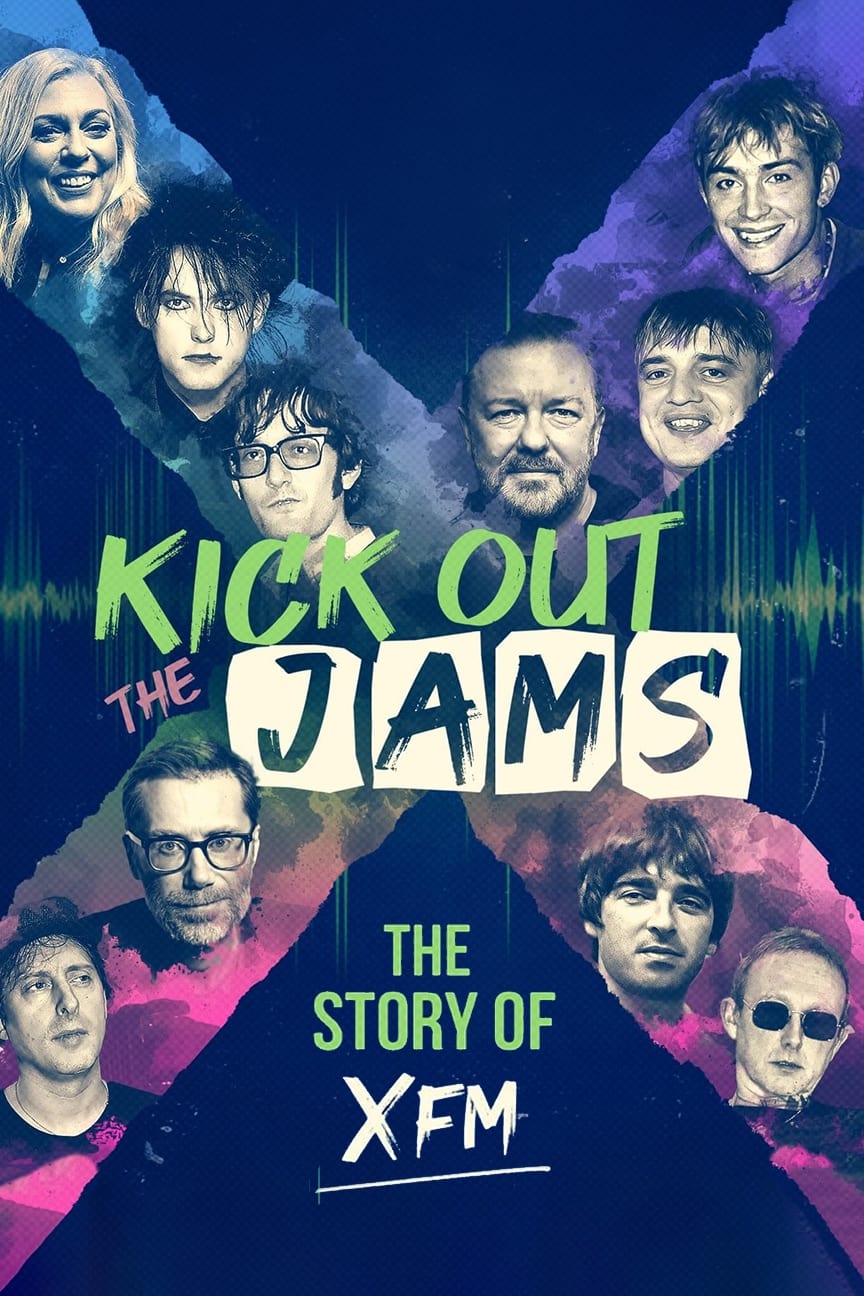
| 2022 | Kick Out the Jams: The Story of XFM | Self | Hit | Similar → |
| 2021 | When Nirvana Came to Britain | Self (archive footage) | Super Hit | Similar → |
| 2019 | Taylor Hawkins Drumming Masterclass with Steve Lamacq | Self | Flop | Similar → |
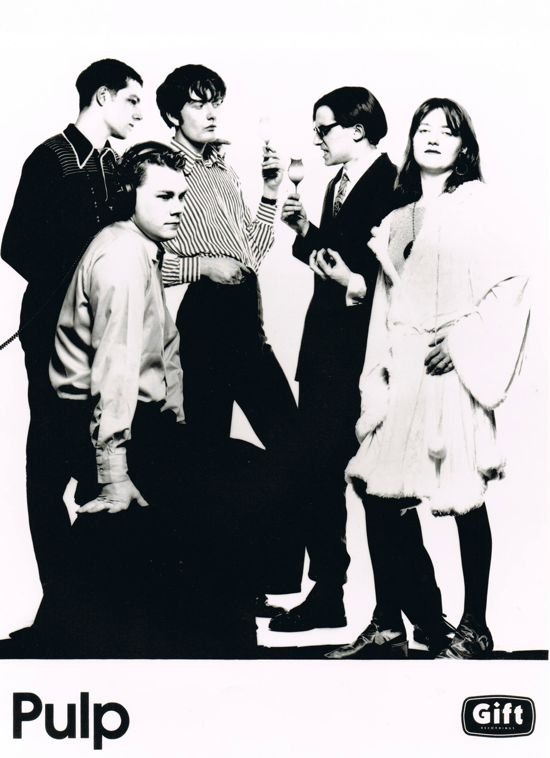
| 2006 | Pulp: The Story of Common People | Himself | Average | Similar → |
| N/A | Nobody Cares When You're Gone | Himself | Flop | Similar → |
Steve Lamacq - Frequently Asked Questions
What is the best movie of Steve Lamacq?
According to audience ratings, the best movie starring Steve Lamacq is "When Nirvana Came to Britain" with a rating of 7.9/10.
How many movies has Steve Lamacq acted in?
Steve Lamacq has been featured in at least 5 major films throughout their career.
What are some other popular movies by Steve Lamacq?
Other notable films include "Kick Out the Jams: The Story of XFM", "Pulp: The Story of Common People", and "Nobody Cares When You're Gone".