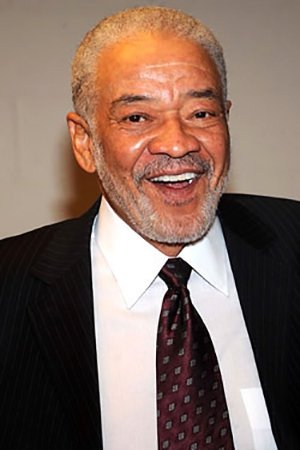
Bill Withers
ActingAbout Bill Withers
From Wikipedia, the free encyclopedia William Harrison "Bill" Withers, Jr. (July 4, 1938 - March 30, 2020) was an American singer-songwriter and musician who performed and recorded from 1970 until 1985. Some of his best-known songs are "Lean on Me", "Ain't No Sunshine", "Use Me", "Just the Two of Us", "Lovely Day", and "Grandma's Hands". Description above from the Wikipedia article Bill Withers, licensed under CC-BY-SA, full list of contributors on Wikipedia.
Bill Withers Movies & Career Overview
The filmography of Bill Withers reflects a career marked by diverse experimentation. Across 15 major appearances, the actor has built a reputation through performances in multiple genres and storytelling styles.
Dominant Genre
A large portion of Bill Withers's work falls within the Music genre, where audiences tend to respond most strongly to their on-screen presence.
Success Ratio
Approximately 47% of Bill Withers's films maintain ratings above 6.5, indicating a consistent level of audience approval.
One of the most highly rated entries in their career remains Kings of Soul, which stands out as a key performance.
Best Bill Withers Movies Ranked
Must-watch hits from Bill Withers's career based on audience ratings.

Full Filmography
Every movie Bill Withers has appeared in, with audience ratings and verdicts.
| Year | Movie | Character | Success | More |
|---|---|---|---|---|
| 2023 | Heartbreakers at the BBC | Self (archive footage) | Hit | Similar → |
| 2021 | Nueva York: A Musical History of Latin New York | Self (archive footage) | Super Hit | Similar → |
| 2019 | The Black Godfather | Self | Hit | Similar → |
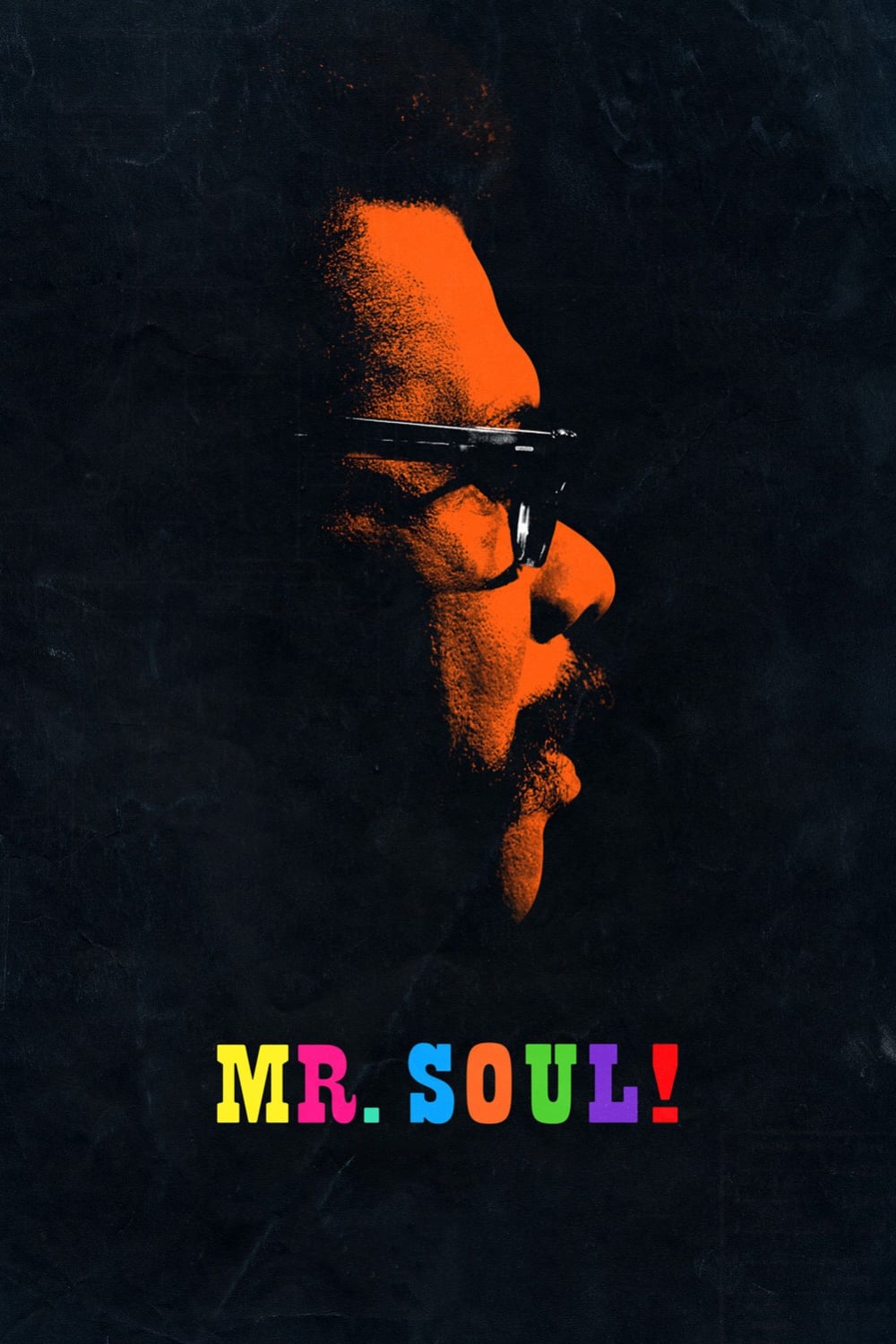
| 2018 | Mr. SOUL! | Self (archive footage) | Hit | Similar → |
| 2018 | Rock And Roll Hall Of Fame: In Concert 2014-2017 | Self | Flop | Similar → |
| 2015 | Kings of Soul | Self | Super Hit | Similar → |
| 2010 | Still Bill | Self | Hit | Similar → |
| 2010 | Kenny Rogers and Friends | Self | Flop | Similar → |
| 2009 | Soul Power | Self (archive footage) | Average | Similar → |
| 2007 | Classic Soul at the BBC | Self (archive footage) | Average | Similar → |
| 1986 | The Boy King | Bill Withers | Flop | Similar → |
| 1974 | The Midnight Special Legendary Performances: More 1974 | - | Hit | Similar → |
| 1974 | The Midnight Special Legendary Performances 1974 | Self | Flop | Similar → |
| 1973 | Bill Withers in Concert - Live at BBC 1973 | - | Flop | Similar → |
| 1973 | Save the Children | Self | Average | Similar → |
Bill Withers - Frequently Asked Questions
What is the best movie of Bill Withers?
According to audience ratings, the best movie starring Bill Withers is "Kings of Soul" with a rating of 8.3/10.
How many movies has Bill Withers acted in?
Bill Withers has been featured in at least 15 major films throughout their career.
What are some other popular movies by Bill Withers?
Other notable films include "Nueva York: A Musical History of Latin New York", "Still Bill", and "The Midnight Special Legendary Performances: More 1974".