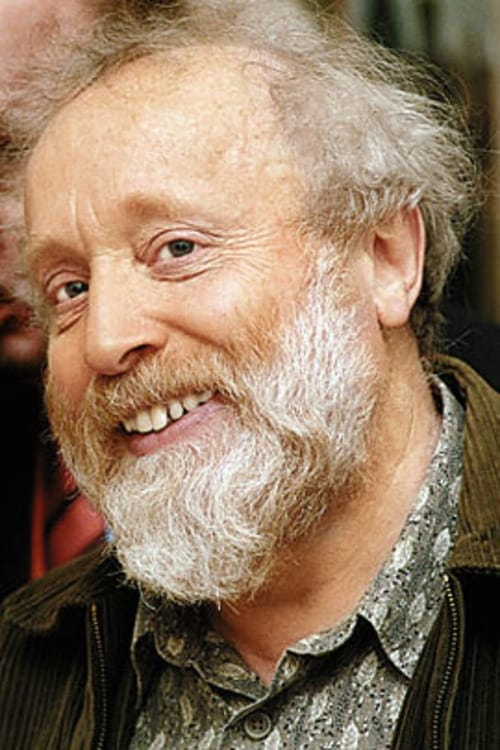
Yuri Norstein
DirectingAbout Yuri Norstein
PAR Yuri Norstein (Russian: Ю́рий Бори́сович Норште́йн, Yuriy Borisovich Norshteyn; born 15 September 1941), is a Soviet and Russian animator best known for his animated shorts, Hedgehog in the Fog and Tale of Tales. Since 1981 he has been working on a feature film called The Overcoat, based on the short story by Nikolai Gogol of the same name. According to the Washington Post, "He is considered by many to be not just the best animator of his era, but the best of all time". Yuri Norstein was born to a Jewish family in the village of Andreyevka, Penza Oblast, during his parents' World War II evacuation. He grew up in the Maryina Roshcha suburb of Moscow. After studying at an art school, Norstein initially found work at a furniture factory. Then he finished a two-year animation course and found employment at studio Soyuzmultfilm in 1961. The first film that he participated in as an animator was Who Said "Meow"? (1962). After working as an animation artist in some fifty films, Norstein got the chance to direct his own. In 1968 he debuted with 25th October, the First Day, sharing directorial credit with Arkadiy Tyurin. The film used the artwork of 1920s-era Soviet artists Nathan Altman and Kuzma Petrov-Vodkin. The next film in which he had a major role was The Battle of Kerzhenets (1971), a co-production with Russian animation director Ivan Ivanov-Vano under whose direction Norstein had earlier worked on 1969's Times of the Year. Throughout the 1970s Norstein continued to work as an animator in many films, and also directed several. As the decade progressed his animation style became ever more sophisticated, looking less like flat cut-outs and more like smoothly-moving paintings or sophisticated pencil sketches. His most famous film is Tale of Tales, a non-linear, autobiographical film about growing up in the postwar Soviet world. Norstein uses a special technique in his animation, involving multiple glass planes to give his animation a three-dimensional look. The camera is placed at the top looking down on a series of glass planes about a meter deep (one every 25–30 cm). The individual glass planes can move horizontally as well as toward and away from the camera (to give the effect of a character moving closer or further away). For many years he has collaborated with his wife, the artist Francheska Yarbusova, and the cinematographer Aleksandr Zhukovskiy. Source: Wikipedia
Career Statistics & Market Influence
Analyzing the cinematic journey of Yuri Norstein reveals a career defined by diverse artistic exploration. With a total of 14 major appearances, the actor has established a significant footprint in global cinema.
Genre Dominance: Documentary
The majority of Yuri Norstein's filmography leans towards the Documentary genre. Audience data suggests that viewers respond most favorably to this persona, though their versatility has allowed for successful crossovers into other categories.
The "Box Office" Signature
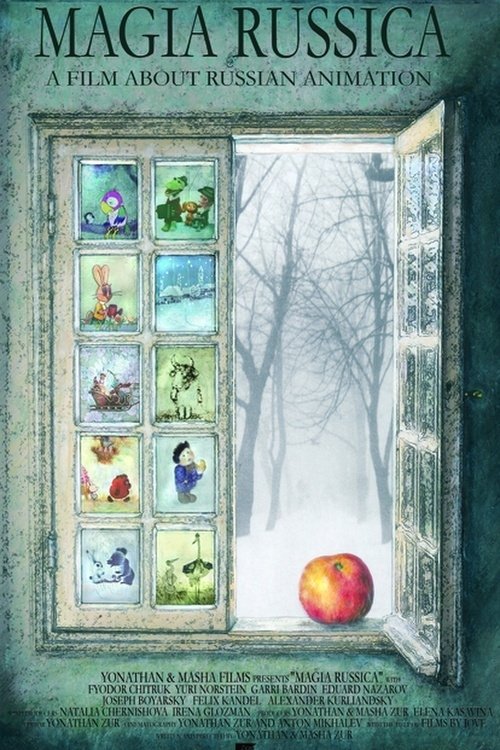
With a 14% Success Ratio (movies rated above 6.5), Yuri Norstein remains a reliable draw for studios. Their peak performance was recorded in Magia Russica, which continues to be the benchmark for their career rating-wise.
Best Yuri Norstein Movies Ranked
Must-watch hits from Yuri Norstein's career based on audience ratings.
Complete Filmography & Success Status
Tracking the career evolution and box office verdicts of Yuri Norstein.
| Year | Movie | Character | Success | More |
|---|---|---|---|---|
| 2021 | The Animators Who've Spent 40 Years on a Single Film | - | Flop | Similar → |
| 2021 | Oleg: The Oleg Vidov Story | Self | Flop | Similar → |
| 2019 | Yuriy Norshteyn: Making the Overcoat | Himself | Flop | Similar → |
| 2017 | Gennady Shpalikov. Life Of A Charming Man | himself | Flop | Similar → |
| 2012 | We Come From Cartoons. 100 Years of Russian Animation | Self | Flop | Similar → |
| 2011 | A Hedgehog Came Out of the Fog | - | Flop | Similar → |
| 2010 | Rob Saakyanc. The Last Hippy of the Pink City | - | Flop | Similar → |
| 2007 | Islands: Georgy Rerberg | Self | Flop | Similar → |
| 2005 | Miracle Factory. Animation Director | - | Flop | Similar → |
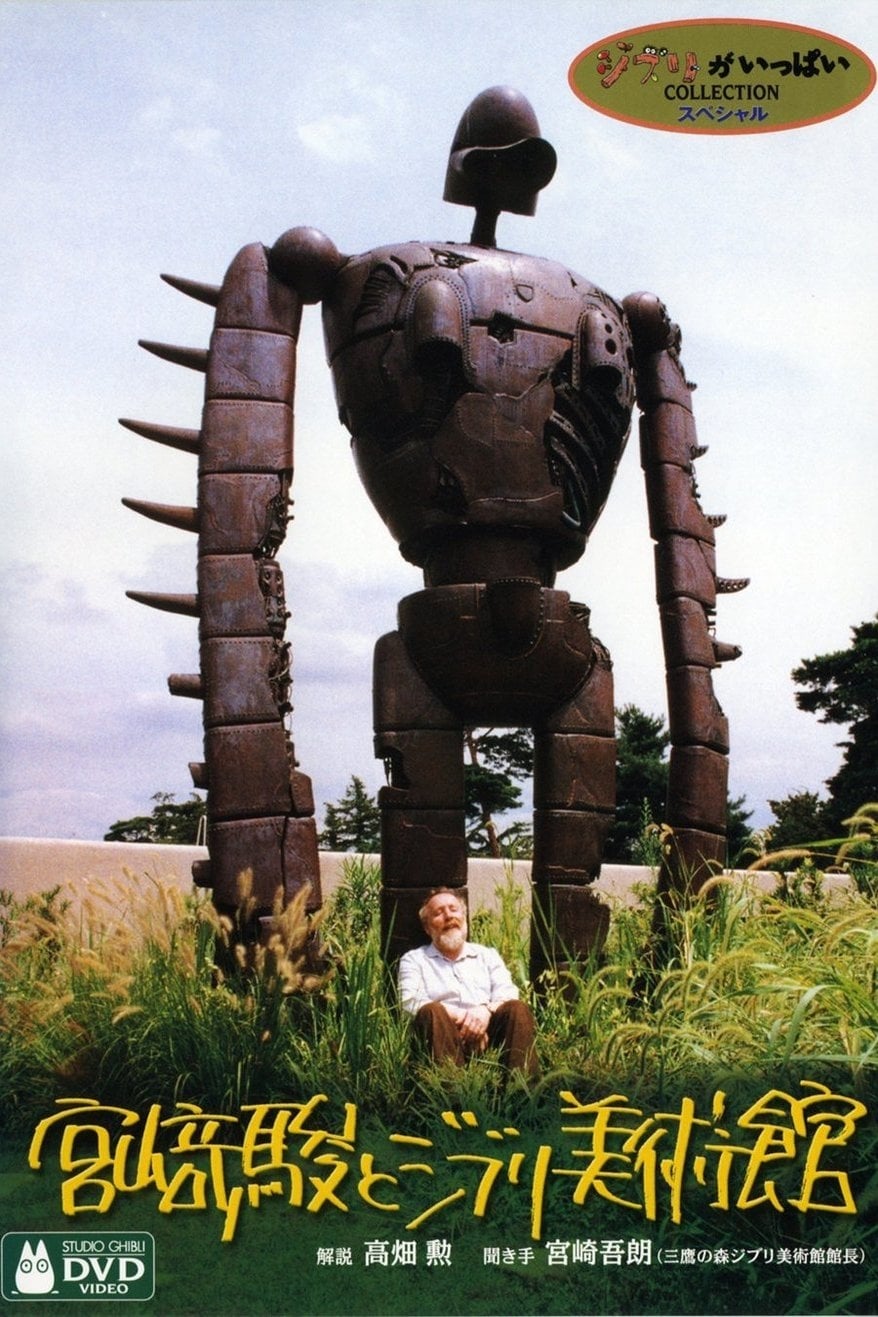
| 2005 | Hayao Miyazaki and the Ghibli Museum | Self | Super Hit | Similar → |
| 2004 | Magia Russica | - | Super Hit | Similar → |
| 2002 | Dreams about Alfeoni | Self - ditector-animator | Flop | Similar → |
| 1997 | The Spirit of Genius - Fedor Khitruk and His Films | Self | Flop | Similar → |
| 1980 | With You I Am Again... | Narrator (voice) | Flop | Similar → |
Yuri Norstein - Frequently Asked Questions
What is the best movie of Yuri Norstein?
According to audience ratings, the best movie starring Yuri Norstein is "Magia Russica" with a rating of 10.0/10.
How many movies has Yuri Norstein acted in?
Yuri Norstein has been featured in at least 14 major films throughout their career.
What are some other popular movies by Yuri Norstein?
Other notable films include "Hayao Miyazaki and the Ghibli Museum", "Islands: Georgy Rerberg", and "Oleg: The Oleg Vidov Story".