Borhane Alaouié
DirectingAbout Borhane Alaouié
Borhane Alaouié, along with Maroun Baghdadi, made a bet for Lebanese cinema to the world. Starting from Paris, in which they lived for a period of time due to the repercussions of the war in Lebanon and moving between it and Beirut, but Burhan was haunted by the Arab cause. The first: Palestine (he said: "Palestine is the one that brought me to cinema"), and he found open sponsorship from the General Foundation for Cinema in Syria, which previously opened the door to many Arab creatives and funded their projects, and with it he completed his most important tape: Kafr Kassem, about the massacre committed by the Israeli occupation. The film was a resounding success, winning in the same year the Golden Tanit from the Carthage Film Festival, and this work remains linked to Burhan’s name throughout his cinematic career. The music of the film was composed by Walid Gholmieh, and he participated in playing the characters: Abdullah Abbasi, Ahmed Ayoub, Salim Sabry, and Shafiq Manfaluti. Alaouié lived for a long time in Belgium. He received his film degree from INSAS in Brussels and was the first to deal with the Lebanese war that broke out in 1975 in a beautiful tape that was well-received publicly and critically, entitled: 'Beirut: the Encounter'. More notable titles are: 'It Is Not Enough for God to Be With the Poor'; 'A Message from the Time of War'; 'A Message from the Time of Banishment'; and due to his strong support for the late President Gamal Abdel Nasser, he made a remarkable tape; 'Aswan and the High Dam' (1990). The director was known for his direct opinions on everything, in cinema as in life: "I am temperamental to the bone and I never want to bother myself with work that is not in line with my convictions, and everything I filmed is a picture of my thoughts and convictions." The Jesuit University in Beirut knew him as an attractive lecturer for film students, and he spent among them, as he says: "The most enjoyable times, and I do not deny that I learned from them, as they learned from me."
Career Statistics & Market Influence
Analyzing the cinematic journey of Borhane Alaouié reveals a career defined by diverse artistic exploration. With a total of 4 major appearances, the actor has established a significant footprint in global cinema.
Genre Dominance: Documentary
The majority of Borhane Alaouié's filmography leans towards the Documentary genre. Audience data suggests that viewers respond most favorably to this persona, though their versatility has allowed for successful crossovers into other categories.
The "Box Office" Signature
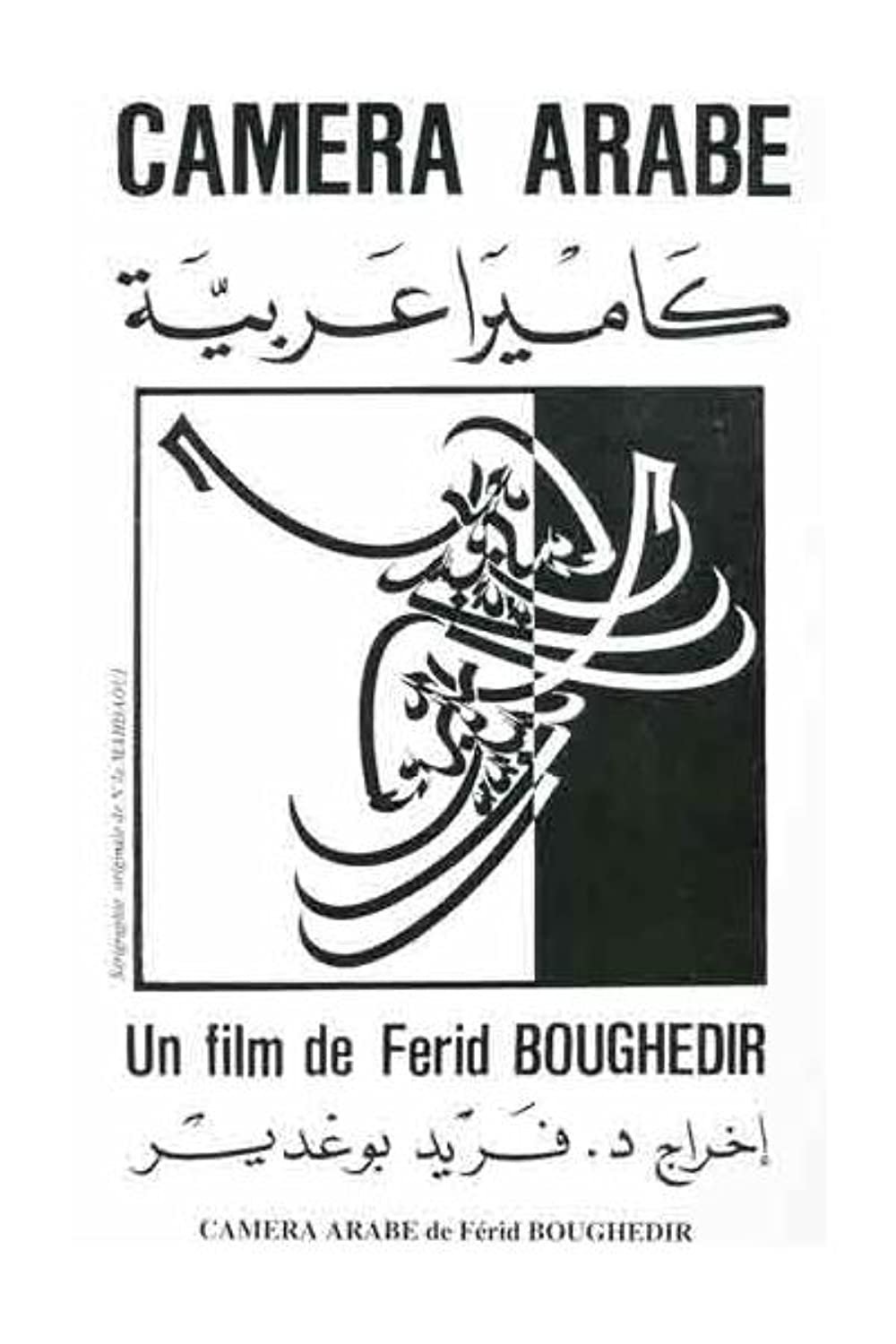
With a 0% Success Ratio (movies rated above 6.5), Borhane Alaouié remains a reliable draw for studios. Their peak performance was recorded in Arab Camera, which continues to be the benchmark for their career rating-wise.
Best Borhane Alaouié Movies Ranked
Must-watch hits from Borhane Alaouié's career based on audience ratings.
Complete Filmography & Success Status
Tracking the career evolution and box office verdicts of Borhane Alaouié.
| Year | Movie | Character | Success | More |
|---|---|---|---|---|
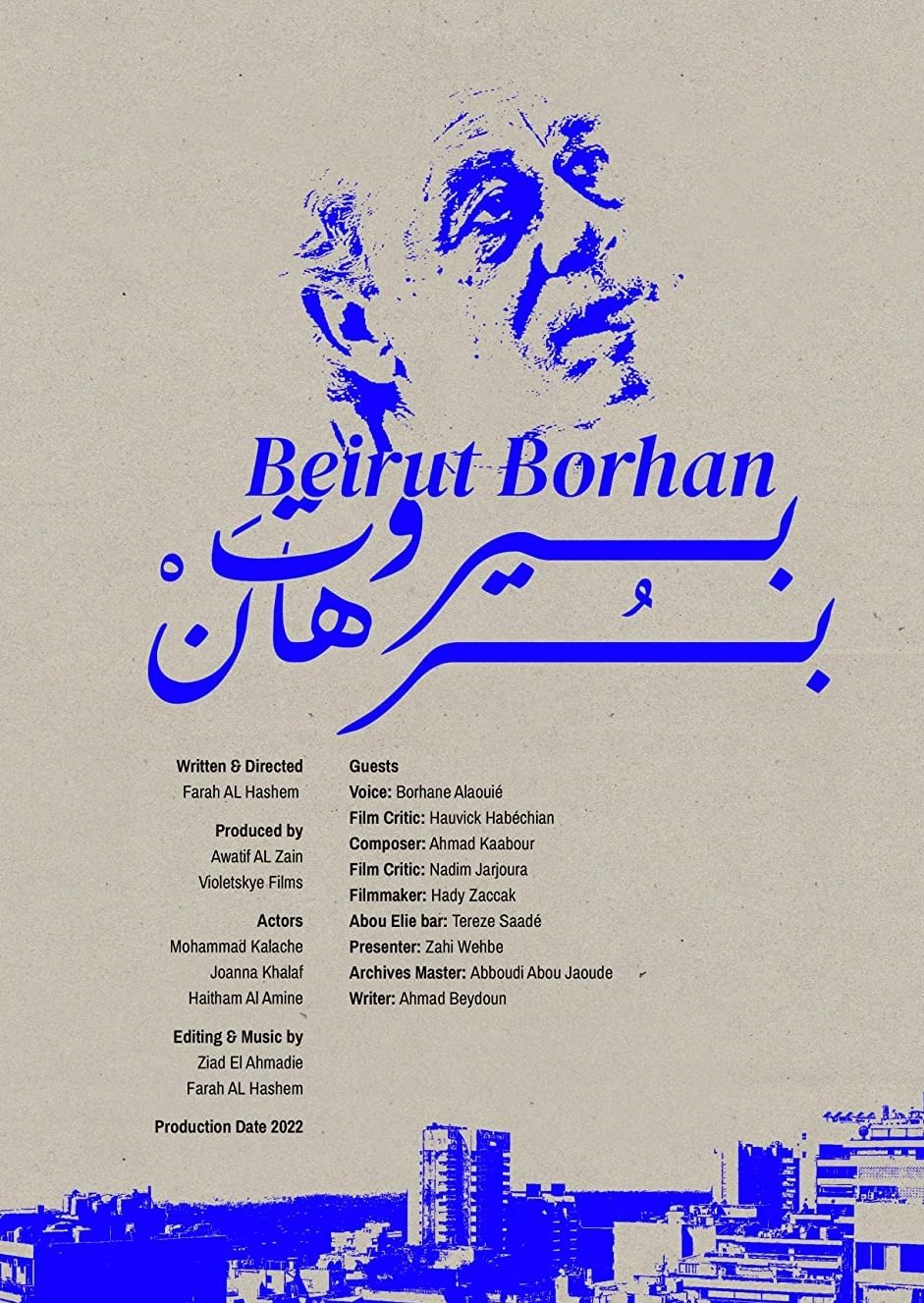
| 2022 | Beirut Borhan | self (voice) | Flop | Similar → |
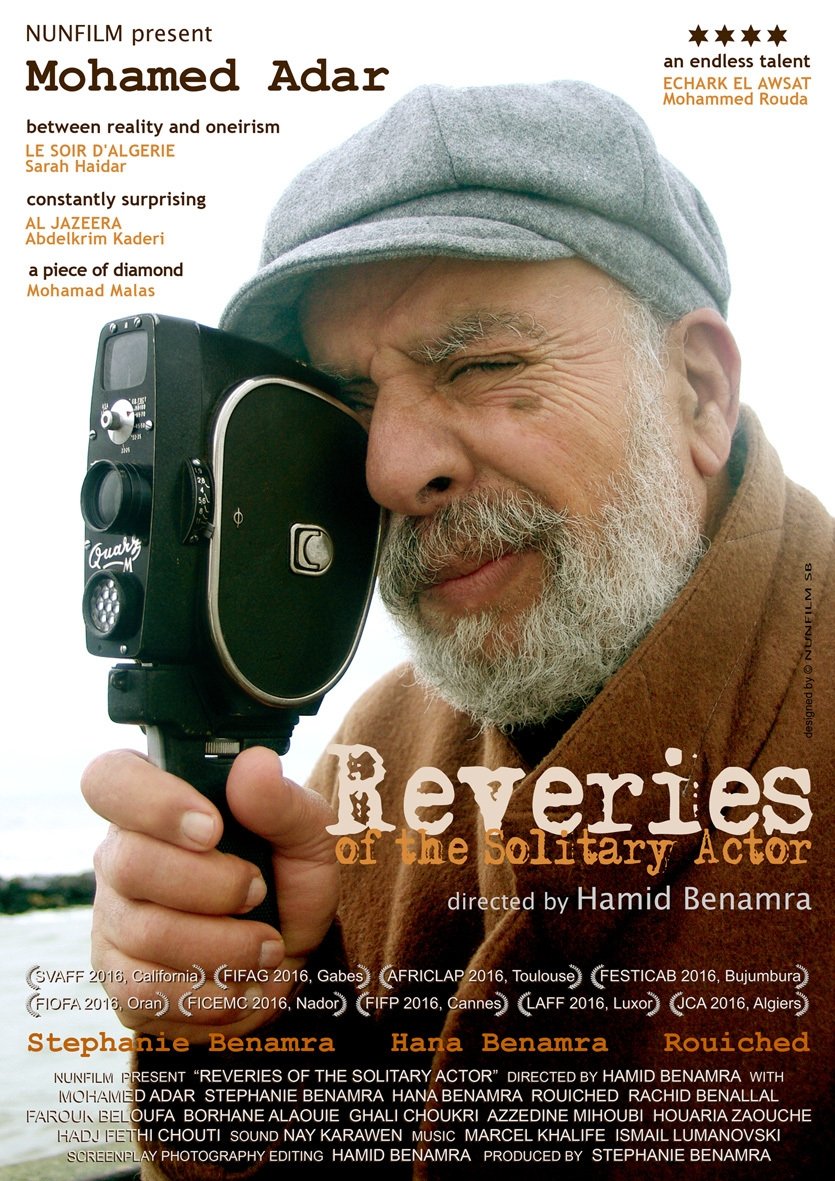
| 2016 | Reveries of the Solitary Actor | Borhane Alaouié | Flop | Similar → |
| 1987 | Arab Camera | Self | Average | Similar → |
| 1984 | A Letter from a Time of War | Director | Flop | Similar → |
Borhane Alaouié - Frequently Asked Questions
What is the best movie of Borhane Alaouié?
According to audience ratings, the best movie starring Borhane Alaouié is "Arab Camera" with a rating of 5.7/10.
How many movies has Borhane Alaouié acted in?
Borhane Alaouié has been featured in at least 4 major films throughout their career.
What are some other popular movies by Borhane Alaouié?
Other notable films include "A Letter from a Time of War", "Beirut Borhan", and "Reveries of the Solitary Actor".