
Clyde Barrow
ActingAbout Clyde Barrow
Clyde Chestnut Barrow was born in 1909 into a poor farming family in the town of Telico in Ellis County, Texas. He was the fifth of seven children of Henry Basil Barrow (1874–1957) and Cumie Talitha Walker (1874–1942). The family moved to Dallas in the early 1920s as part of a wider migration pattern from rural areas to the city, where many settled in the urban slum of West Dallas. The Barrows spent their first months in West Dallas living under their wagon until they got enough money to buy a tent. Barrow was first arrested in late 1926, at age 17, after running when police confronted him over a rental car that he had failed to return on time. His second arrest was with his brother Buck Barrow soon after, for possession of stolen turkeys. Barrow had some legitimate jobs from 1927 through 1929, but he also cracked safes, robbed stores, and stole cars. There are several different accounts of Barrow's first meeting with Bonnie Parker. One of the more credible versions is that they met on January 5, 1930, at the West Dallas home of Barrow's friend, Clarence Clay. Barrow was 20 years old, and Parker was 19. Parker was out of work and staying with a female friend to assist her during her recovery from a broken arm. Barrow dropped by the girl's house while Parker was in the kitchen making hot chocolate. Their romance was interrupted when Barrow was arrested by Dallas County Sheriff's Deputy Bert Whisnand and convicted of auto theft. He escaped from the McLennan County Jail in Waco, TX, on March 11, 1930, using a gun Parker smuggled into the jail. The duo became the most infamous outlaws in history, who traveled the Central United States with their gang during the Great Depression, committing a series of criminal acts such as bank robberies, kidnappings, and murders between 1932 and 1934. The couple were known for their bank robberies and multiple murders, although they preferred to rob small stores or rural gas stations. Their exploits captured the attention of the American press and its readership during what is occasionally referred to as the 'public enemy era' between 1931 and 1934. On May 23, 1934, they were ambushed and killed on Louisiana Highway 154 in Bienville Parish, Louisiana by a law enforcement posse led by retired Texas Ranger Frank Hamer. They are believed to have murdered at least nine police officers and three civilians.
Clyde Barrow Movies & Career Overview
The filmography of Clyde Barrow reflects a career marked by diverse experimentation. Across 2 major appearances, the actor has built a reputation through performances in multiple genres and storytelling styles.
Dominant Genre
A large portion of Clyde Barrow's work falls within the Documentary genre, where audiences tend to respond most strongly to their on-screen presence.
Success Ratio
Approximately 0% of Clyde Barrow's films maintain ratings above 6.5, indicating a consistent level of audience approval.
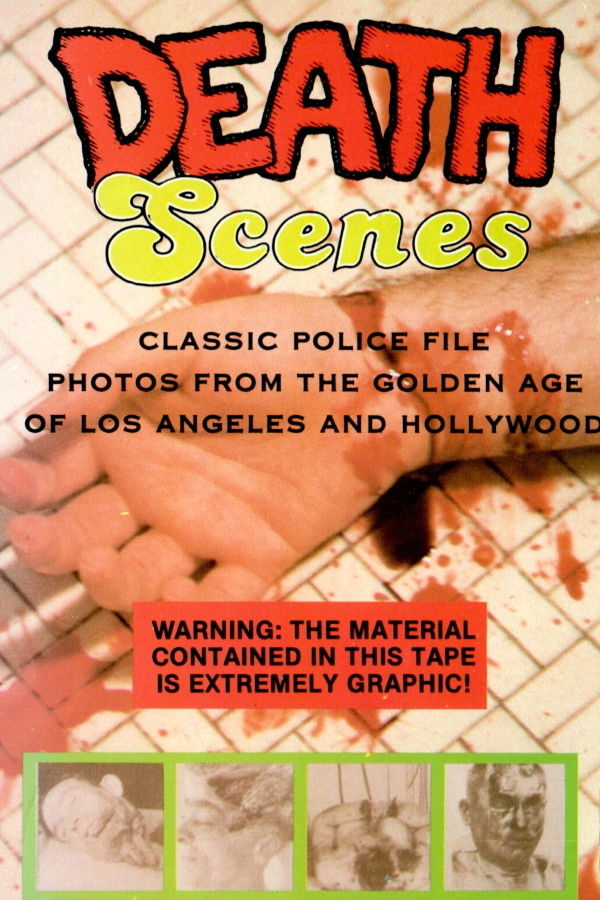
One of the most highly rated entries in their career remains Death Scenes, which stands out as a key performance.
Best Clyde Barrow Movies Ranked
Must-watch hits from Clyde Barrow's career based on audience ratings.
Full Filmography
Every movie Clyde Barrow has appeared in, with audience ratings and verdicts.
| Year | Movie | Character | Success | More |
|---|---|---|---|---|
| 1989 | Death Scenes | Self (archive footage) | Flop | Similar → |
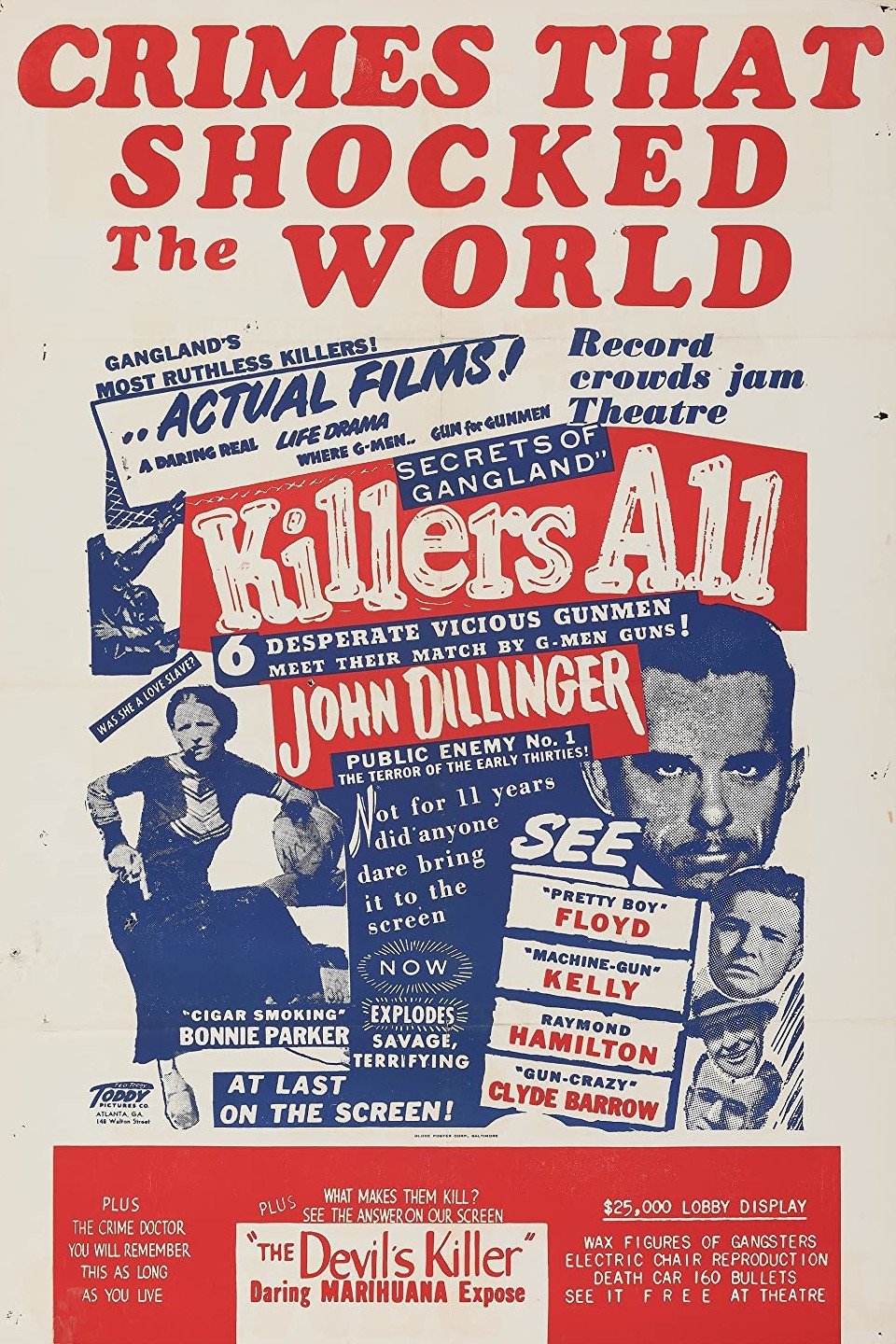
| 1947 | Killers All | Clyde Barrow (archival footage) | Flop | Similar → |
Clyde Barrow - Frequently Asked Questions
What is the best movie of Clyde Barrow?
According to audience ratings, the best movie starring Clyde Barrow is "Death Scenes" with a rating of 4.6/10.
How many movies has Clyde Barrow acted in?
Clyde Barrow has been featured in at least 2 major films throughout their career.