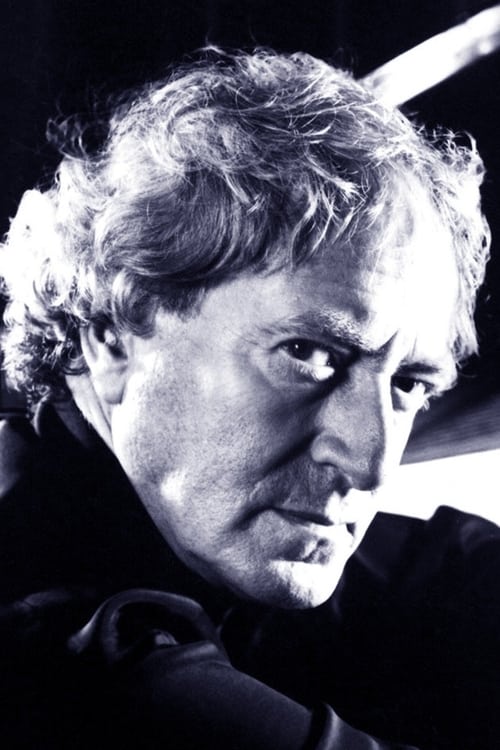
John Barry
SoundAbout John Barry
John Barry Prendergast OBE (3 November 1933 – 30 January 2011) was an English composer and conductor of film music. He composed the scores for eleven of the James Bond films between 1963 and 1987, as well as arranging and performing the "James Bond Theme" for the first film in the series, 1962's Dr. No. He wrote the Grammy- and Academy Award-winning scores to the films Dances with Wolves and Out of Africa, as well as the scores of The Scarlet Letter; Chaplin; The Cotton Club; The Tamarind Seed; Mary, Queen of Scots; Game of Death; and the theme for the television series The Persuaders!, in a career spanning over 50 years. In 1999, he was appointed with an OBE for services to music. Born in York, Barry spent his early years working in cinemas owned by his father. During his national service with the British Army in Cyprus, Barry began performing as a musician after learning to play the trumpet. Upon completing his national service, he formed a band in 1957, the John Barry Seven. He later developed an interest in composing and arranging music, making his début for television in 1958. He came to the notice of the makers of the first James Bond film Dr. No, who were dissatisfied with a theme for James Bond given to them by Monty Norman. Noel Rogers, the head of music at United Artists, approached Barry. This started a successful association between Barry and the Bond series that lasted for 25 years. Barry received awards including five Academy Awards: two for Born Free and one each for The Lion in Winter (for which he also won the first BAFTA Award for Best Film Music), Dances with Wolves and Out of Africa (both of which also won him Grammy Awards). He also received ten Golden Globe Award nominations, winning once for Best Original Score for Out of Africa in 1986. Barry completed his last film score, Enigma, in 2001 and recorded the successful album Eternal Echoes the same year. He then concentrated chiefly on live performances and co-wrote the music to the musical Brighton Rock in 2004 alongside Don Black. In 2001, Barry became a Fellow of the British Academy of Songwriters, Composers and Authors, and, in 2005, he was made a Fellow of the British Academy of Film and Television Arts. Barry was married four times and had four children. He moved to the United States in 1975 and lived there until his death in 2011. Description above from the Wikipedia page John Barry, licensed under CC-BY-SA, full list of contributors on Wikipedia.
Career Statistics & Market Influence
Analyzing the cinematic journey of John Barry reveals a career defined by diverse artistic exploration. With a total of 20 major appearances, the actor has established a significant footprint in global cinema.
Genre Dominance: Documentary
The majority of John Barry's filmography leans towards the Documentary genre. Audience data suggests that viewers respond most favorably to this persona, though their versatility has allowed for successful crossovers into other categories.
The "Box Office" Signature
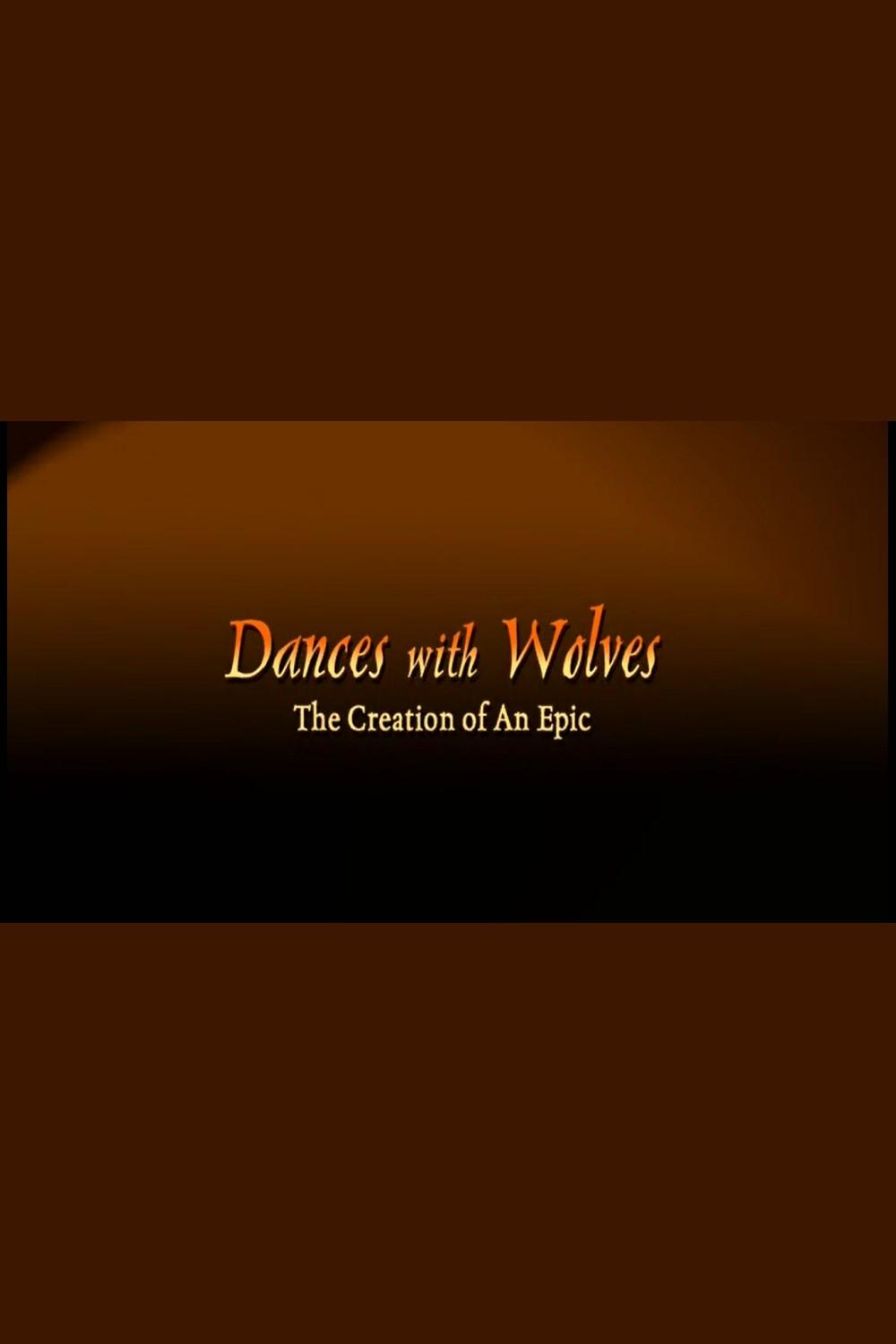
With a 60% Success Ratio (movies rated above 6.5), John Barry remains a reliable draw for studios. Their peak performance was recorded in Dances with Wolves: The Creation of an Epic, which continues to be the benchmark for their career rating-wise.
Best John Barry Movies Ranked
Must-watch hits from John Barry's career based on audience ratings.
Complete Filmography & Success Status
Tracking the career evolution and box office verdicts of John Barry.
John Barry - Frequently Asked Questions
What is the best movie of John Barry?
According to audience ratings, the best movie starring John Barry is "Dances with Wolves: The Creation of an Epic" with a rating of 8.3/10.
How many movies has John Barry acted in?
John Barry has been featured in at least 20 major films throughout their career.
What are some other popular movies by John Barry?
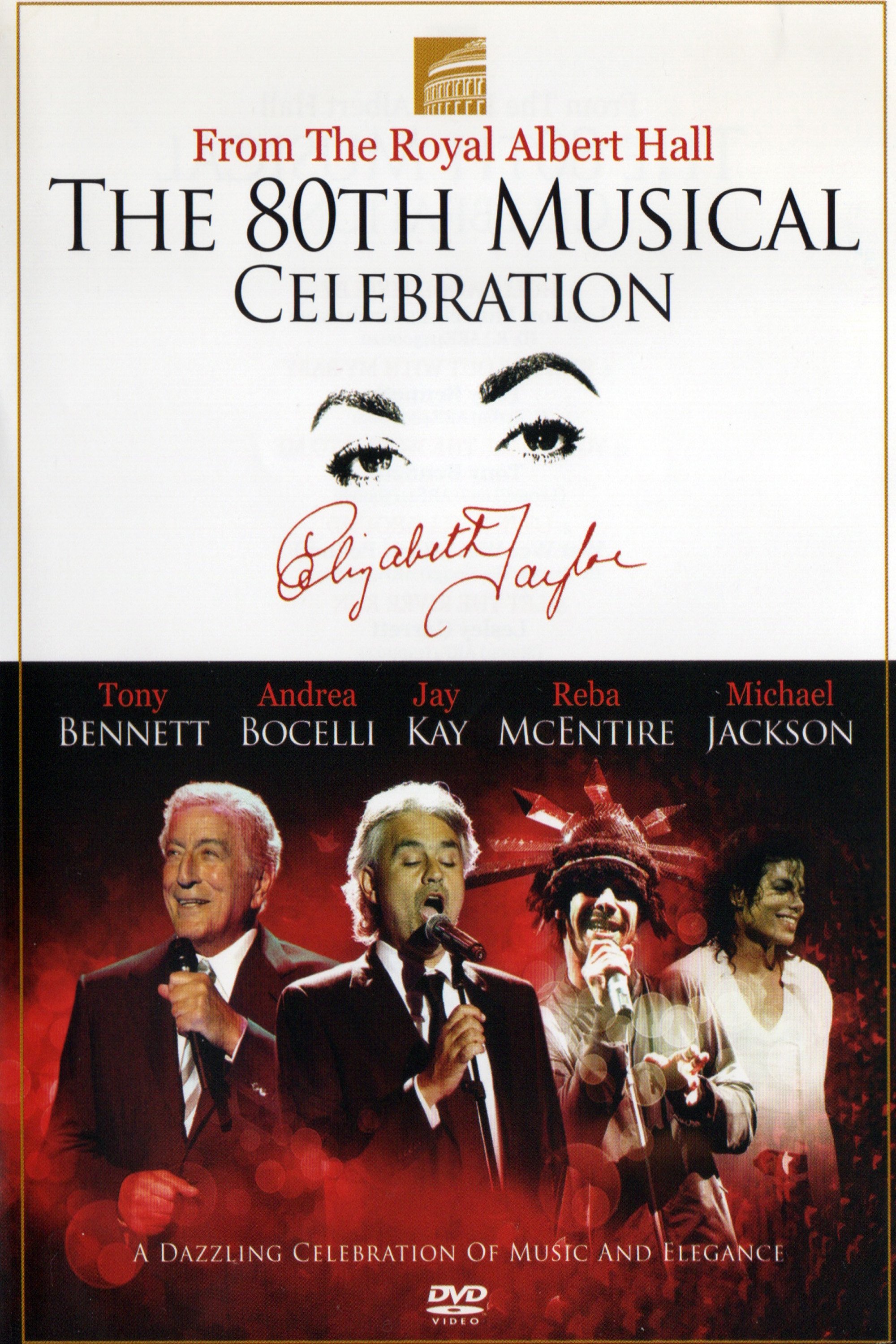
Other notable films include "Elizabeth Taylor: A Musical Celebration", "A Song of Africa", and "The Sound of 007".