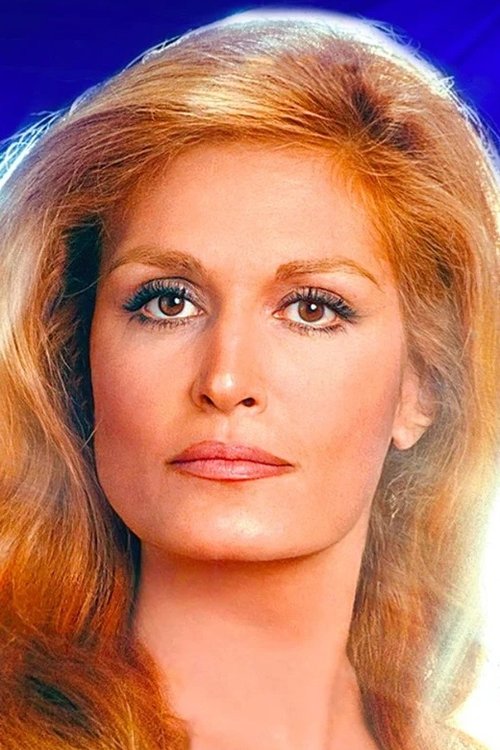
Dalida
ActingAbout Dalida
Iolanda Cristina Gigliotti (17 January 1933 – 3 May 1987), professionally known as Dalida, was an Italian naturalized French singer and actress. Leading an international career, Dalida has sold over 140 million records worldwide. Some of her best known songs include "Bambino", "Ciao amore, ciao", "Gigi l'amoroso", "Il venait d'avoir 18 ans", "Laissez-moi danser", "Salma ya salama", "Helwa ya baladi", "Mourir sur scène", and "Paroles, paroles" featuring spoken word by film star Alain Delon. Initially an actress, she made her debut in the film A Glass and a Cigarette by Niazi Mustapha in 1955. A year later, having signed with the Barclay record company, Dalida achieved her first success as a singer with "Bambino". Following this, she became the top-selling recording artist in France between 1957 and 1961. Her music charted in many countries in Europe and Latin America. She collaborated with singers such as Julio Iglesias, Charles Aznavour, Johnny Mathis and Petula Clark. Although she made a few films during her career as a singer, she effectively reconnected with cinema with The Sixth Day, a film by Youssef Chahine released in 1986. In France, although the film was hailed by critics, it was a commercial failure. Dalida was deeply disturbed by the suicide of her partner Luigi Tenco in 1967. Despite this, she forged ahead with her career, forming the record label International Show with her brother Orlando, recording more music and performing at concerts and music competitions. After struggling with bouts of depression for many years, Dalida killed herself by drug overdose on 3 May 1987. Dalida was born Iolanda Cristina Gigliotti in Cairo, Kingdom of Egypt, on 17 January 1933. Her father Pietro Gigliotti (1904–1945) and mother Filomena Giuseppina (née d'Alba; 1904–1971) were both born in Serrastretta, Calabria, Italy, and were then taken by their emigrant parents to Egypt. Pietro studied music at school and played the violin in taverns; Giuseppina was a seamstress and homemaker. By birth, Dalida automatically gained Italian nationality through jus sanguinis of both Italian parents. It has been suggested that Dalida had Jewish roots, with her family's hometown of Serrastretta having been founded by Spanish Jews and her grandfather Enrico reportedly being of Algerian Jewish ancestry. The year they were married, the Gigliottis settled in the Shubra district of Cairo, where, between the births of Iolanda's older brother Orlando (1930–1992) and younger brother Bruno (1936), the Gigliotti family became well established in the community. In addition to earnings from Giuseppina's work, their social status benefited when Pietro became primo violino at Cairo's Khedivial Opera House, and the family bought a two-storey house. ... Source: Article "Dalida" from Wikipedia in English, licensed under CC-BY-SA.
Career Statistics & Market Influence
Analyzing the cinematic journey of Dalida reveals a career defined by diverse artistic exploration. With a total of 44 major appearances, the actor has established a significant footprint in global cinema.
Genre Dominance: Music
The majority of Dalida's filmography leans towards the Music genre. Audience data suggests that viewers respond most favorably to this persona, though their versatility has allowed for successful crossovers into other categories.
The "Box Office" Signature
With a 23% Success Ratio (movies rated above 6.5), Dalida remains a reliable draw for studios. Their peak performance was recorded in Dalida pour toujours, which continues to be the benchmark for their career rating-wise.
Best Dalida Movies Ranked
Must-watch hits from Dalida's career based on audience ratings.
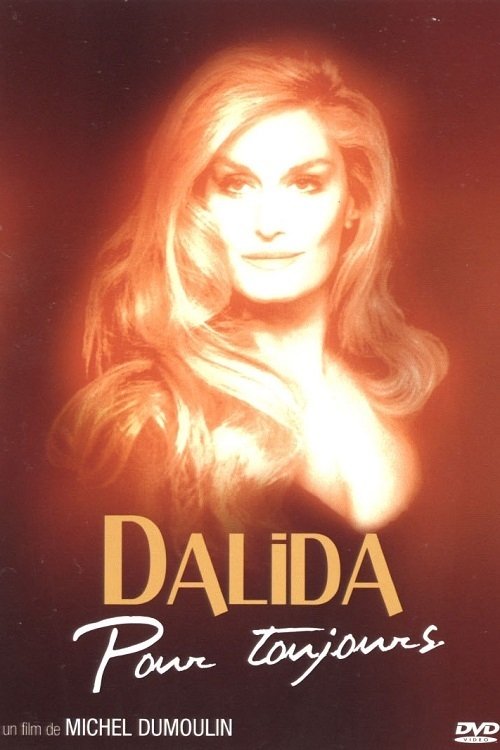
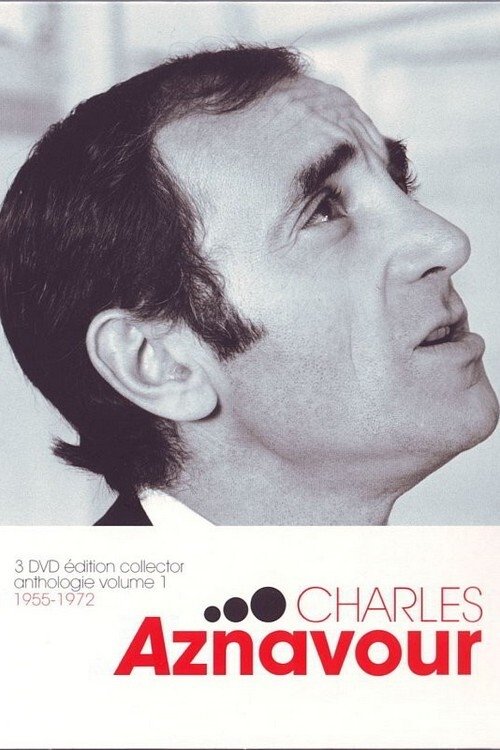
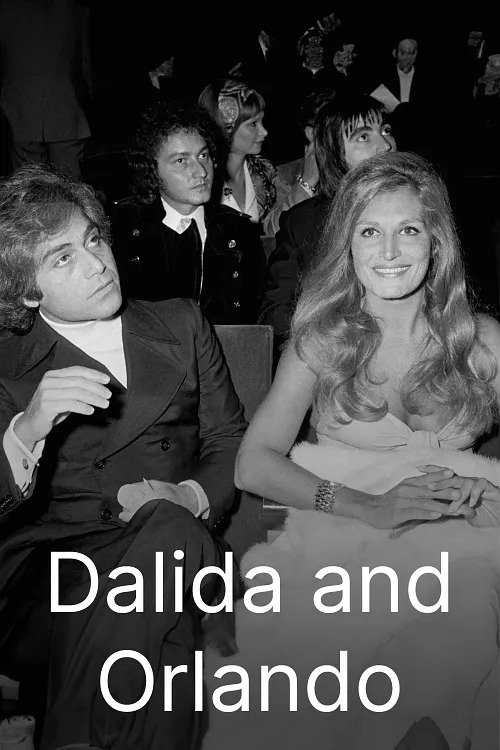
Complete Filmography & Success Status
Tracking the career evolution and box office verdicts of Dalida.
Dalida - Frequently Asked Questions
What is the best movie of Dalida?
According to audience ratings, the best movie starring Dalida is "Dalida pour toujours" with a rating of 10.0/10.
How many movies has Dalida acted in?
Dalida has been featured in at least 44 major films throughout their career.
What are some other popular movies by Dalida?
Other notable films include "Charles Aznavour – Anthologie Volume 1 - 1955-1972", "Dalida & Orlando: Brother and Sister Forever", and "Mosaïque".