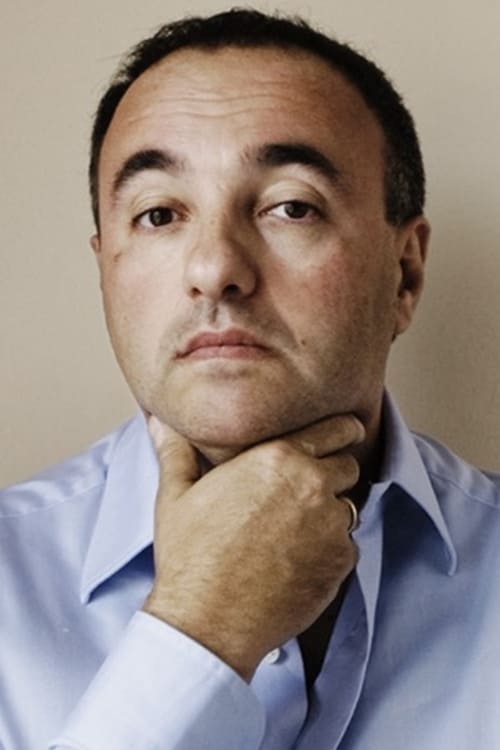
Alexander Rodnyansky
ProductionAbout Alexander Rodnyansky
Alexander Yefimovych Rodnyansky (Ukrainian: Олекса́ндр Юхи́мович Родня́нський, romanized: Oleksandr Yukhymovych Rodnianskyi, Russian: Александр Ефимович Роднянский; born July 2, 1961) is a Ukrainian film director, film producer, television executive and businessman. As a media manager, Rodnyansky founded the first Ukrainian independent television network, 1+1, and ran Russian CTC Media, which, under his management, became the first Russian media company to trade on NASDAQ publicly. Rodnyansky has produced over 30 films and more than 20 television series during his career. Some of his most notable projects include Elena (2011), Leviathan (2014) and Loveless(2017), directed by Andrey Zvyagintsev, The Duelist (2016) directed by Aleksey Mizgirev, The Man Who Surprised Everyone (2018) directed by Aleksey Chupov and Natasha Merkulova, Beanpole (2019) directed by Kantemir Balagov, Mama, I'm Home (2021) directed by Vladimir Bitokov and Unclenching the Fists (2021) directed by Kira Kovalenko. Films produced by Rodnyansky many times won top prizes at the Cannes Film Festival. Among the awards won by his films are – the Golden Globe Award for Leviathan, the Grand Prix of Un Certain Regard program for Unclenching the Fists and the César Award for Loveless. Rodnyansky won the GQ Russia Man of the Year (producer) award three times. He is a European Film Academy and Asia Pacific Screen Awards member. Rodnyansky is a Member of the Academy of Motion Picture Arts and Sciences. Four of his films were nominated for an Oscar in the Best Foreign Film category: A Chef in Love, East/West, Leviathan, and Loveless. Among other films that Alexander Rodnyansky produced was Stalingrad (2013), the highest-grossing Russian film at the time. Among other movies produced by Rodnyansky: A Chef in Love (1997), East/West (1999), A Driver for Vera (2004), The 9th Company (2005), The Sun (2005), Heat (2006), Piter FM (2006) and The Inhabited Island (2009). He created the Ukrainian TV network 1+1 and was the CEO of a Russian media company, CTC Media, for seven years. Variety500 index names Alexander Rodnyansky as one of the 500 most influential business leaders shaping the global media industry. Description above from the Wikipedia article Alexander Rodnyansky, licensed under CC-BY-SA, full list of contributors on Wikipedia.
Career Statistics & Market Influence
Analyzing the cinematic journey of Alexander Rodnyansky reveals a career defined by diverse artistic exploration. With a total of 6 major appearances, the actor has established a significant footprint in global cinema.
Genre Dominance: Documentary
The majority of Alexander Rodnyansky's filmography leans towards the Documentary genre. Audience data suggests that viewers respond most favorably to this persona, though their versatility has allowed for successful crossovers into other categories.
The "Box Office" Signature
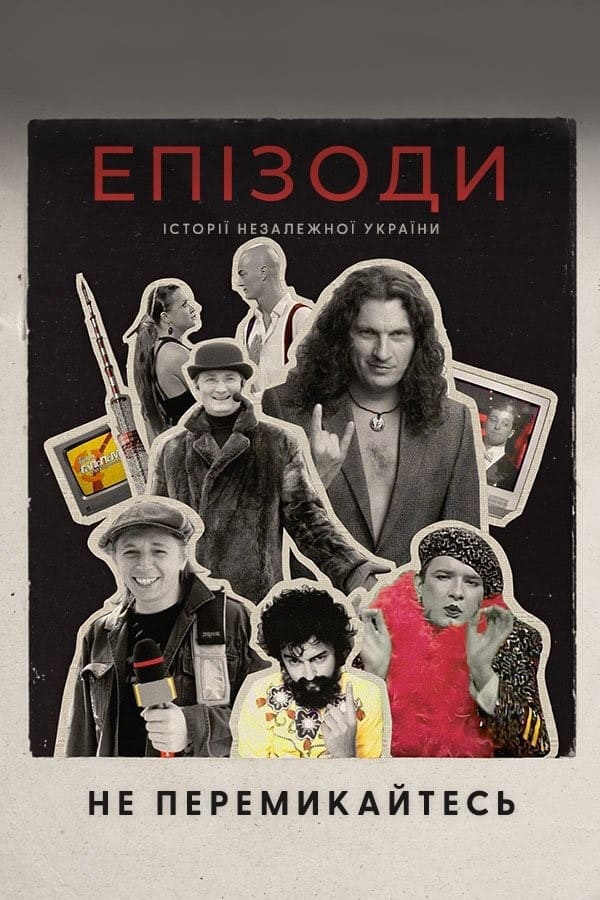
With a 33% Success Ratio (movies rated above 6.5), Alexander Rodnyansky remains a reliable draw for studios. Their peak performance was recorded in Episodes: Don't Switch!, which continues to be the benchmark for their career rating-wise.
Best Alexander Rodnyansky Movies Ranked
Must-watch hits from Alexander Rodnyansky's career based on audience ratings.


Complete Filmography & Success Status
Tracking the career evolution and box office verdicts of Alexander Rodnyansky.
| Year | Movie | Character | Success | More |
|---|---|---|---|---|
| 2024 | Episodes: Don't Switch! | Self | Super Hit | Similar → |
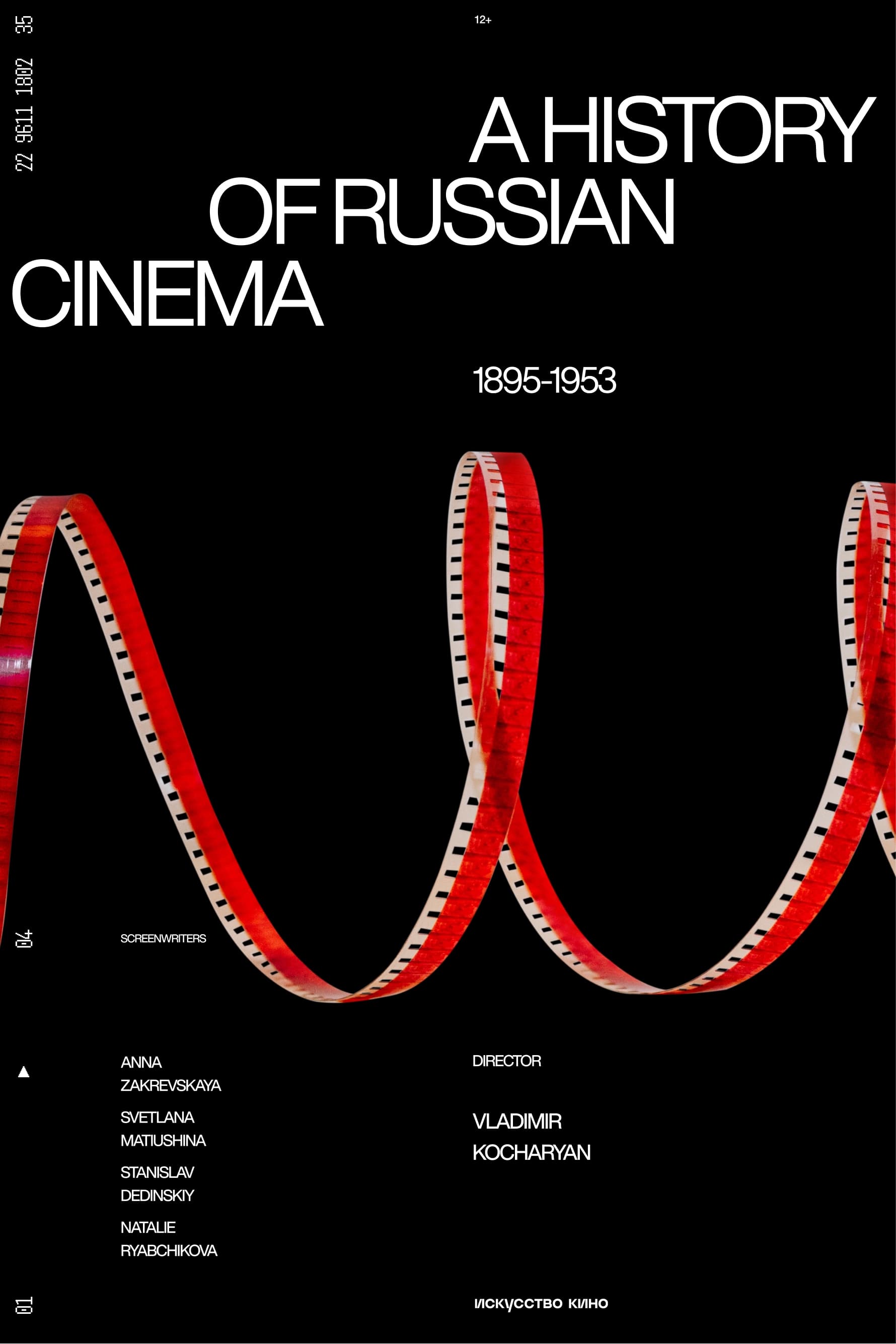
| 2023 | A History of Russian Cinema. The Birth of the Myth. | Self | Flop | Similar → |
| 2021 | Rastorhuev | self | Flop | Similar → |
| 2013 | Machete Kills | Radio Guest (uncredited) | Average | Similar → |
| 2011 | Exporting Raymond | - | Hit | Similar → |
| N/A | The Bridge | - | Flop | Similar → |
Alexander Rodnyansky - Frequently Asked Questions
What is the best movie of Alexander Rodnyansky?
According to audience ratings, the best movie starring Alexander Rodnyansky is "Episodes: Don't Switch!" with a rating of 8.5/10.
How many movies has Alexander Rodnyansky acted in?
Alexander Rodnyansky has been featured in at least 6 major films throughout their career.
What are some other popular movies by Alexander Rodnyansky?
Other notable films include "Exporting Raymond", "Machete Kills", and "A History of Russian Cinema. The Birth of the Myth.".