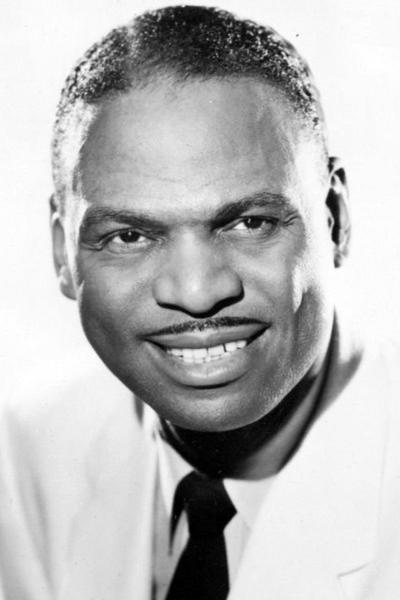
Earl Hines
ActingAbout Earl Hines
Earl Kenneth Hines, also known as Earl "Fatha" Hines (December 28, 1903 – April 22, 1983), was an American jazz pianist and bandleader. He was one of the most influential figures in the development of jazz piano and, according to one source, "one of a small number of pianists whose playing shaped the history of jazz". The trumpeter Dizzy Gillespie (a member of Hines's big band, along with Charlie Parker) wrote: "The piano is the basis of modern harmony. This little guy came out of Chicago, Earl Hines. He changed the style of the piano. You can find the roots of Bud Powell, Herbie Hancock, all the guys who came after that. If it hadn't been for Earl Hines blazing the path for the next generation to come, it's no telling where or how they would be playing now. There were individual variations but the style of … the modern piano came from Earl Hines." The pianist Lennie Tristano said, "Earl Hines is the only one of us capable of creating real jazz and real swing when playing all alone." Horace Silver said, "He has a completely unique style. No one can get that sound, no other pianist". Erroll Garner said, "When you talk about greatness, you talk about Art Tatum and Earl Hines". Count Basie said that Hines was "the greatest piano player in the world". Earl Hines was born in Duquesne, Pennsylvania, 12 miles from the center of Pittsburgh, in 1903. His father, Joseph Hines, played cornet and was the leader of the Eureka Brass Band in Pittsburgh, and his stepmother was a church organist. Hines intended to follow his father on cornet, but "blowing" hurt him behind the ears, whereas the piano did not. The young Hines took lessons in playing classical piano. By the age of eleven he was playing the organ in his Baptist church. He had a "good ear and a good memory" and could replay songs after hearing them in theaters and park concerts: "I'd be playing songs from these shows months before the song copies came out. That astonished a lot of people and they'd ask where I heard these numbers and I'd tell them at the theatre where my parents had taken me." Later, Hines said that he was playing piano around Pittsburgh "before the word 'jazz' was even invented". ... Source: Article "Earl Hines" from Wikipedia in English, licensed under CC-BY-SA 3.0.
Earl Hines Movies & Career Overview
The filmography of Earl Hines reflects a career marked by diverse experimentation. Across 5 major appearances, the actor has built a reputation through performances in multiple genres and storytelling styles.
Dominant Genre
A large portion of Earl Hines's work falls within the Music genre, where audiences tend to respond most strongly to their on-screen presence.
Success Ratio
Approximately 0% of Earl Hines's films maintain ratings above 6.5, indicating a consistent level of audience approval.
One of the most highly rated entries in their career remains The Strip, which stands out as a key performance.
Best Earl Hines Movies Ranked
Must-watch hits from Earl Hines's career based on audience ratings.
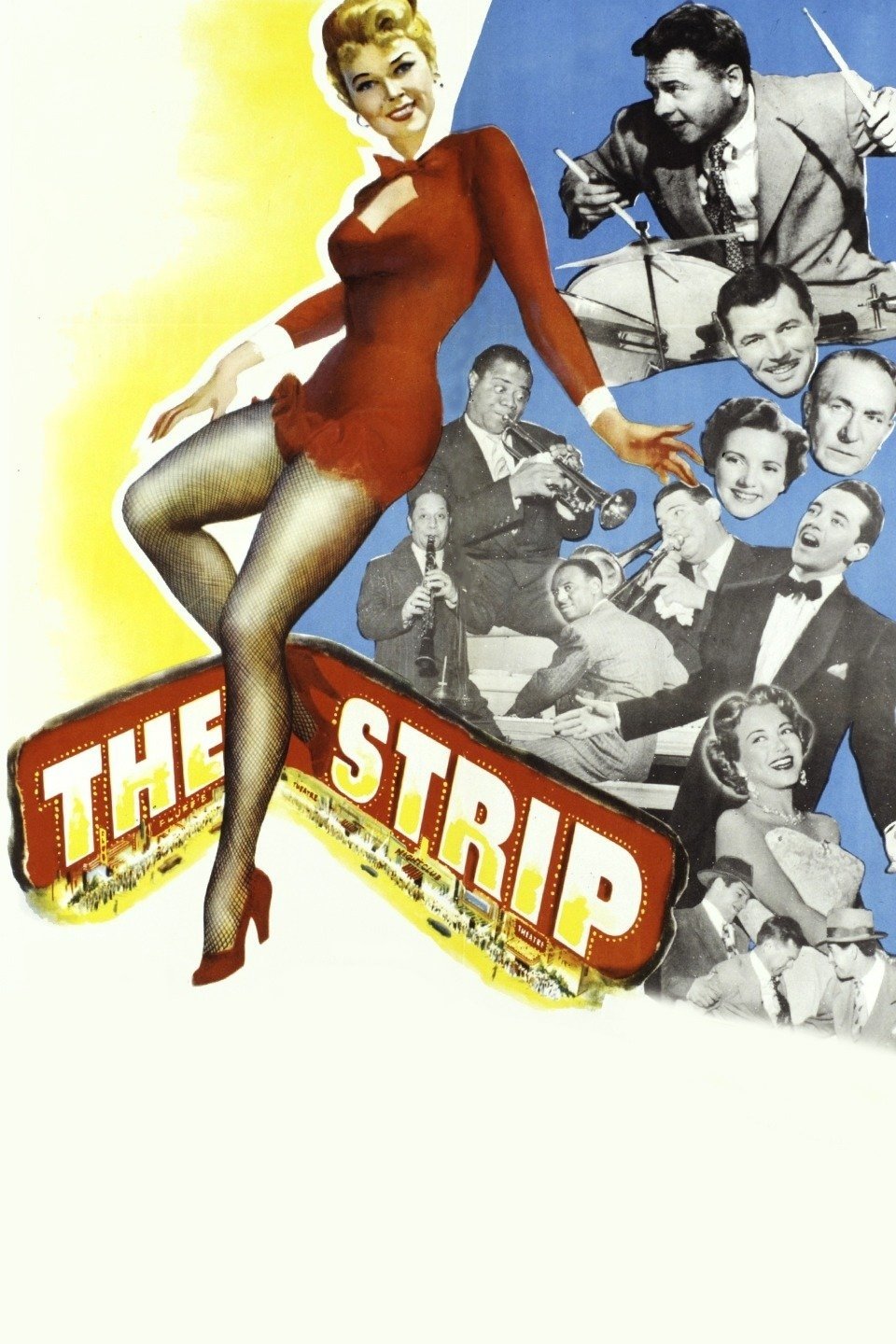
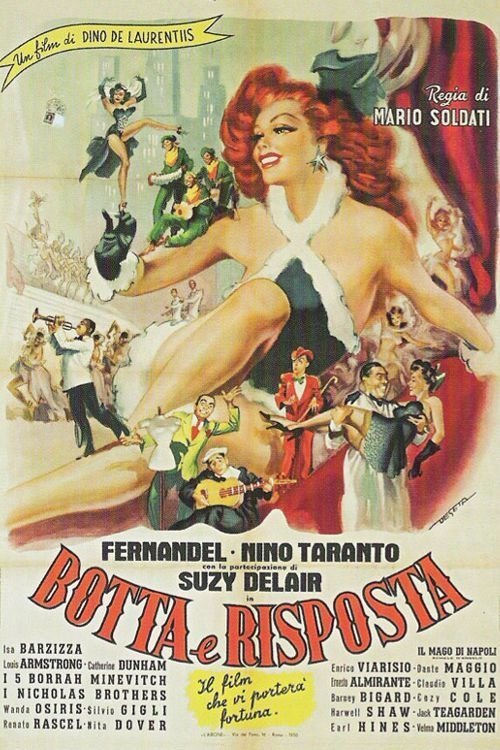
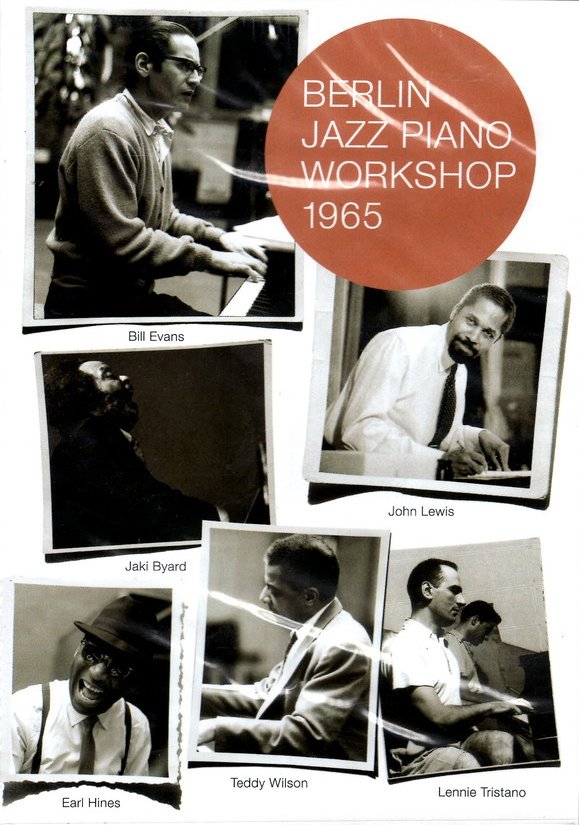
Full Filmography
Every movie Earl Hines has appeared in, with audience ratings and verdicts.
| Year | Movie | Character | Success | More |
|---|---|---|---|---|
| 2007 | Berlin Jazz Piano Workshop 1965 | Self - Pianist | Flop | Similar → |
| 1975 | Earl "Fatha" Hines - Blues Alley, Washington DC | - | Flop | Similar → |
| 1967 | Duke Ellington: Love You Madly | Self | Flop | Similar → |
| 1951 | The Strip | Himself | Average | Similar → |
| 1950 | I'm in the Revue | Musician | Flop | Similar → |
Earl Hines - Frequently Asked Questions
What is the best movie of Earl Hines?
According to audience ratings, the best movie starring Earl Hines is "The Strip" with a rating of 5.6/10.
How many movies has Earl Hines acted in?
Earl Hines has been featured in at least 5 major films throughout their career.
What are some other popular movies by Earl Hines?
Other notable films include "I'm in the Revue", "Earl "Fatha" Hines - Blues Alley, Washington DC", and "Berlin Jazz Piano Workshop 1965".