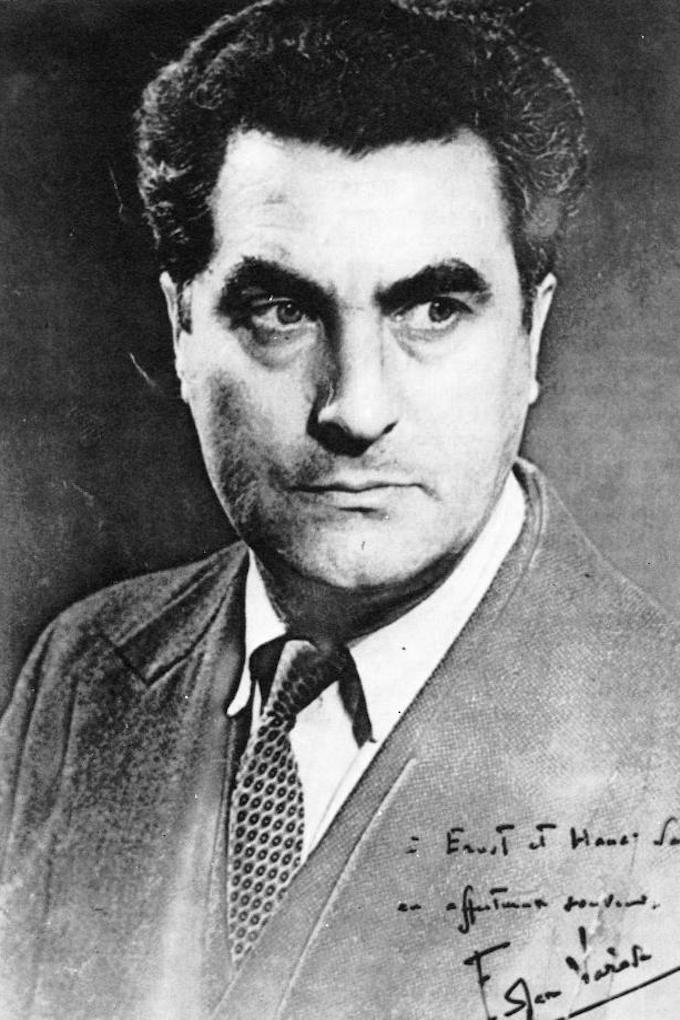
Edgard Varèse
SoundAbout Edgard Varèse
Edgard Varèse or Edgar Varèse (both spellings were used by the composer himself at different times in his life) was a French naturalized American composer, born December 22, 1883 in Paris and died November 6, 1965 in New York. Initially trained at the Schola Cantorum and the Paris Conservatory, Varèse found with more independent artists, such as Debussy and Busoni, the necessary encouragement for his personal expression. Indeed, well before 1914, Varèse considered abandoning classical composition methods, the tempered system and traditional musical instruments to use “the sound material itself”. This ideal led him to destroy his first scores as far as Americas — where he already used the frequency and intensity modulated sounds of a siren — and to encourage research in the field of acoustics, from the dynamophone to the productions of Léon Theremin and Maurice Martenot. Varèse abandons the orchestra from Arcana, for more reduced and individualized instrumental ensembles. However, the absence of technical means, a recording studio or a laboratory silenced him for the duration of the Second World War and until the mid-1950s, when studio recording techniques were developed. essays by Pierre Schaeffer and Pierre Henry. Varèse was then able to produce a work such as the Poème électronique, for the Universal Exhibition in Brussels in 1958. Maintaining close relations with important representatives of the scientific community of his time, Varèse's interest in science is reflected in the titles he gives to his works, evoking mathematics (Intégrales), metallurgy (Densité 21 ,5), crystallography (Hyperprism), botany (Octandre), chemistry (Ionization) and even alchemy (Arcana). At first, Varèse's work seemed very abstract. However, his music has a great power of incantation, as soon as the human voice intervenes (Offerings, Ecuatorial, Nocturnal). The scandal of the creation of Déserts, on December 2, 1954 in Paris, revealed him for a new generation of classical (including Iannis Xenakis and Bruno Maderna) and popular (like Frank Zappa) composers who recognized in him much more than a "precursor", a model to follow and one of the great innovators of the 20th century along with Stravinsky, Bartók, Henry Cowell and Anton Webern.
Edgard Varèse Movies & Career Overview
The filmography of Edgard Varèse reflects a career marked by diverse experimentation. Across 5 major appearances, the actor has built a reputation through performances in multiple genres and storytelling styles.
Dominant Genre
A large portion of Edgard Varèse's work falls within the Documentary genre, where audiences tend to respond most strongly to their on-screen presence.
Success Ratio
Approximately 40% of Edgard Varèse's films maintain ratings above 6.5, indicating a consistent level of audience approval.
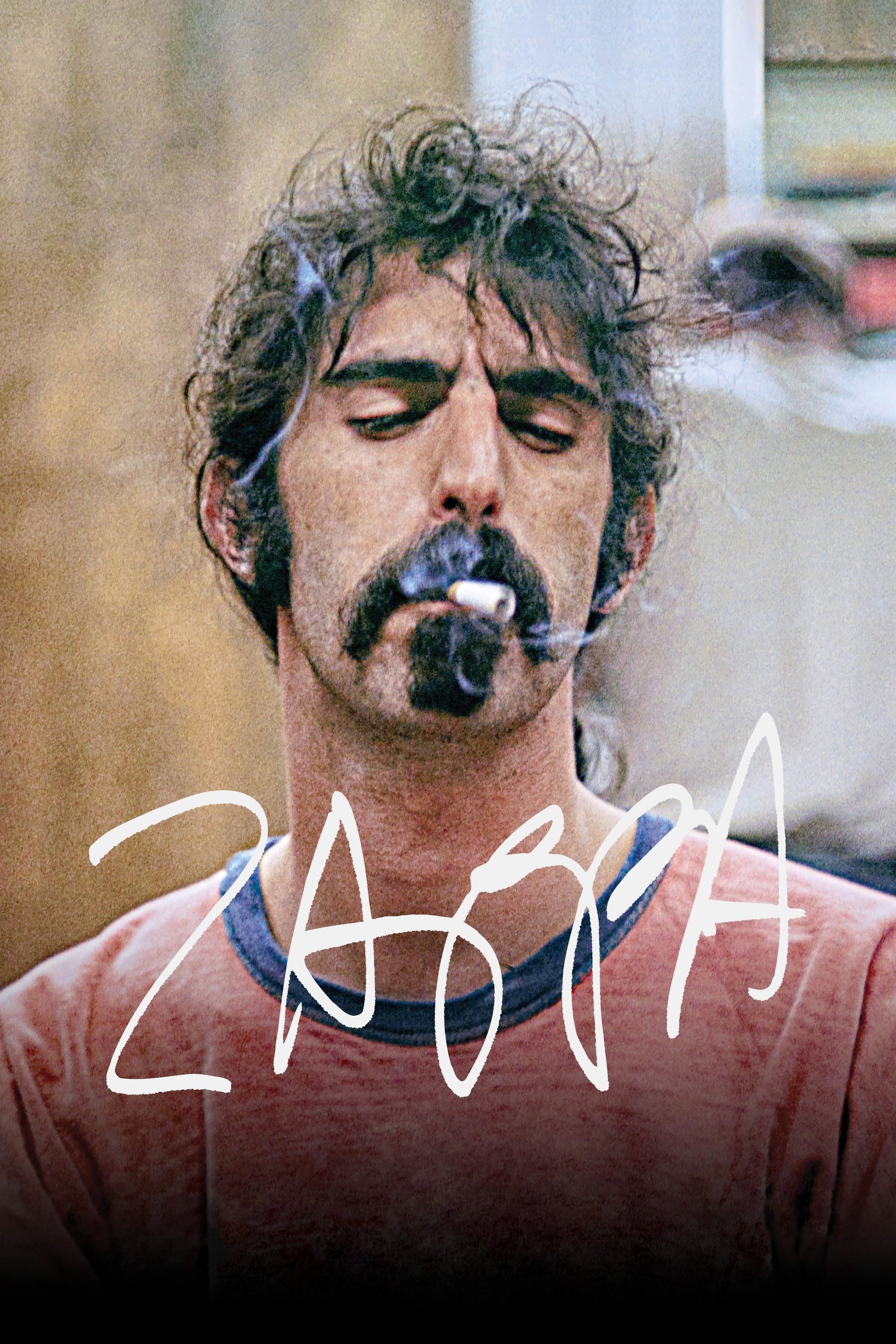
One of the most highly rated entries in their career remains Zappa, which stands out as a key performance.
Best Edgard Varèse Movies Ranked
Must-watch hits from Edgard Varèse's career based on audience ratings.
Full Filmography
Every movie Edgard Varèse has appeared in, with audience ratings and verdicts.
| Year | Movie | Character | Success | More |
|---|---|---|---|---|
| 2020 | Zappa | Self (archive footage) | Hit | Similar → |
| 2002 | Frank Zappa: Phase II - The Big Note | Self (archive footage) | Flop | Similar → |
| 2000 | Frank Zappa: The Present-Day Composer Refuses To Die | Self (archive footage) | Flop | Similar → |
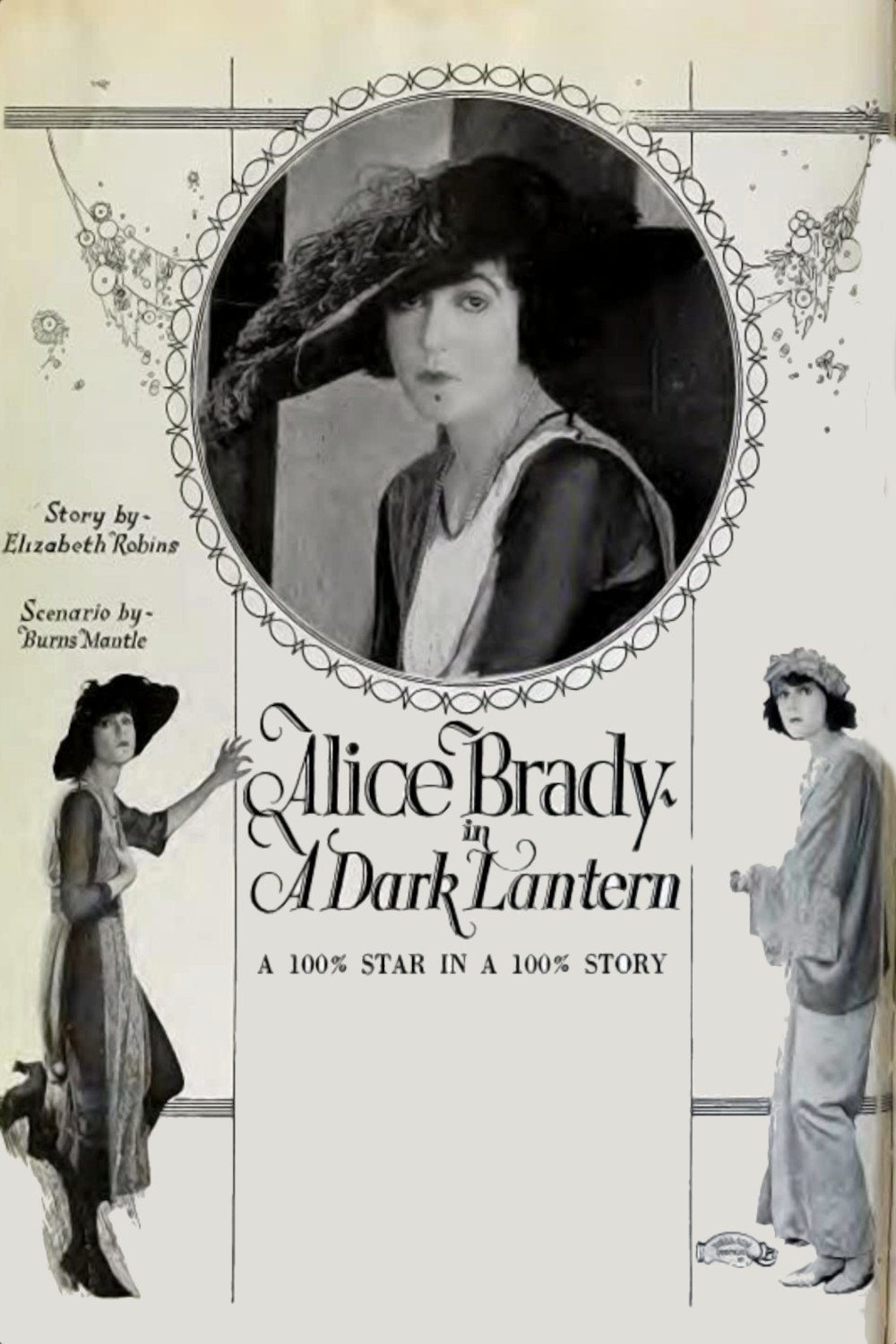
| 1920 | A Dark Lantern | Count Wilhelm | Flop | Similar → |
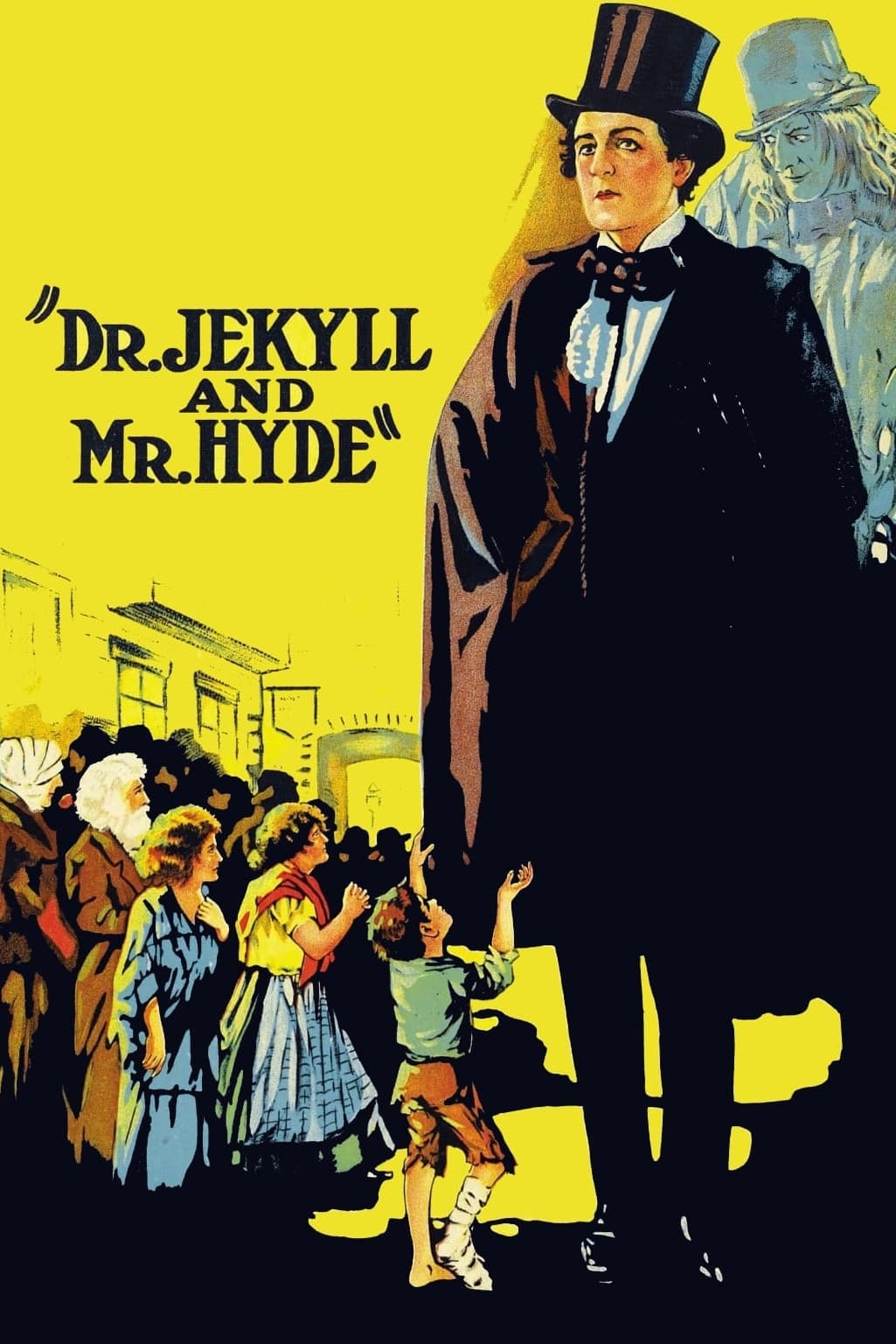
| 1920 | Dr. Jekyll and Mr. Hyde | Policeman (uncredited) | Hit | Similar → |
Edgard Varèse - Frequently Asked Questions
What is the best movie of Edgard Varèse?
According to audience ratings, the best movie starring Edgard Varèse is "Zappa" with a rating of 7.3/10.
How many movies has Edgard Varèse acted in?
Edgard Varèse has been featured in at least 5 major films throughout their career.
What are some other popular movies by Edgard Varèse?
Other notable films include "Dr. Jekyll and Mr. Hyde", "Frank Zappa: The Present-Day Composer Refuses To Die", and "Frank Zappa: Phase II - The Big Note".