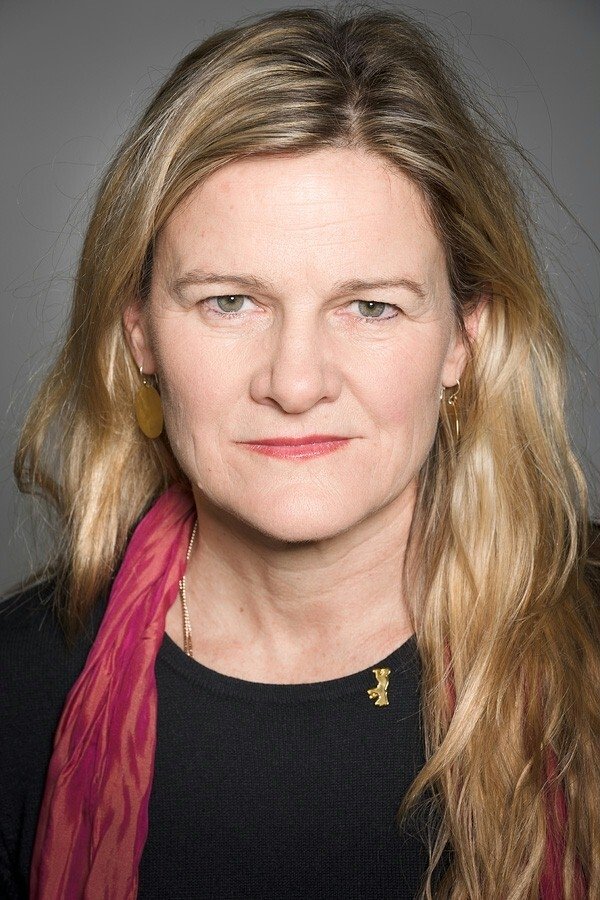
Ellen Kuras
CameraAbout Ellen Kuras
Ellen Kuras ASC (born July 10, 1959 in New Jersey) is an American cinematographer and director. She has collaborated several times with directors Michel Gondry and Spike Lee. In 2013 she was a member of the jury at the 63rd Berlin International Film Festival.
Ellen Kuras Movies & Career Overview
The filmography of Ellen Kuras reflects a career marked by diverse experimentation. Across 6 major appearances, the actor has built a reputation through performances in multiple genres and storytelling styles.
Dominant Genre
A large portion of Ellen Kuras's work falls within the Documentary genre, where audiences tend to respond most strongly to their on-screen presence.
Success Ratio
Approximately 17% of Ellen Kuras's films maintain ratings above 6.5, indicating a consistent level of audience approval.
One of the most highly rated entries in their career remains Side by Side, which stands out as a key performance.
Best Ellen Kuras Movies Ranked
Must-watch hits from Ellen Kuras's career based on audience ratings.

Full Filmography
Every movie Ellen Kuras has appeared in, with audience ratings and verdicts.
| Year | Movie | Character | Success | More |
|---|---|---|---|---|
| 2016 | The 4%: Film's Gender Problem | Self | Flop | Similar → |
| 2012 | Side by Side | Self | Hit | Similar → |
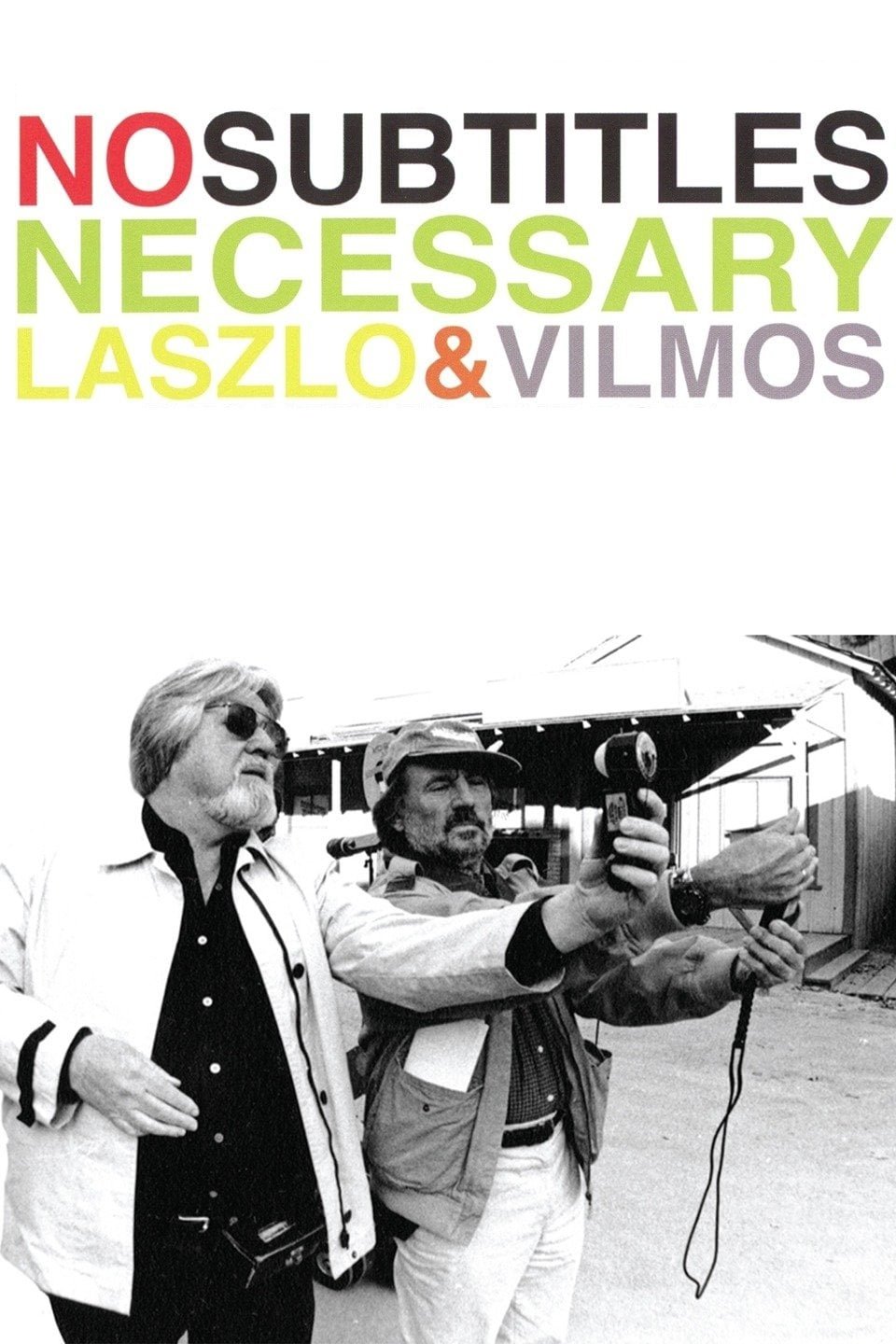
| 2009 | No Subtitles Necessary: Laszlo & Vilmos | Self | Average | Similar → |
| 2008 | Shooting Women | Self | Flop | Similar → |
| 2007 | Women Behind the Camera | Self | Flop | Similar → |
| 2006 | September in Brooklyn: The Making of Block Party | Self | Flop | Similar → |
Ellen Kuras - Frequently Asked Questions
What is the best movie of Ellen Kuras?
According to audience ratings, the best movie starring Ellen Kuras is "Side by Side" with a rating of 7.2/10.
How many movies has Ellen Kuras acted in?
Ellen Kuras has been featured in at least 6 major films throughout their career.
What are some other popular movies by Ellen Kuras?
Other notable films include "No Subtitles Necessary: Laszlo & Vilmos", "The 4%: Film's Gender Problem", and "Women Behind the Camera".