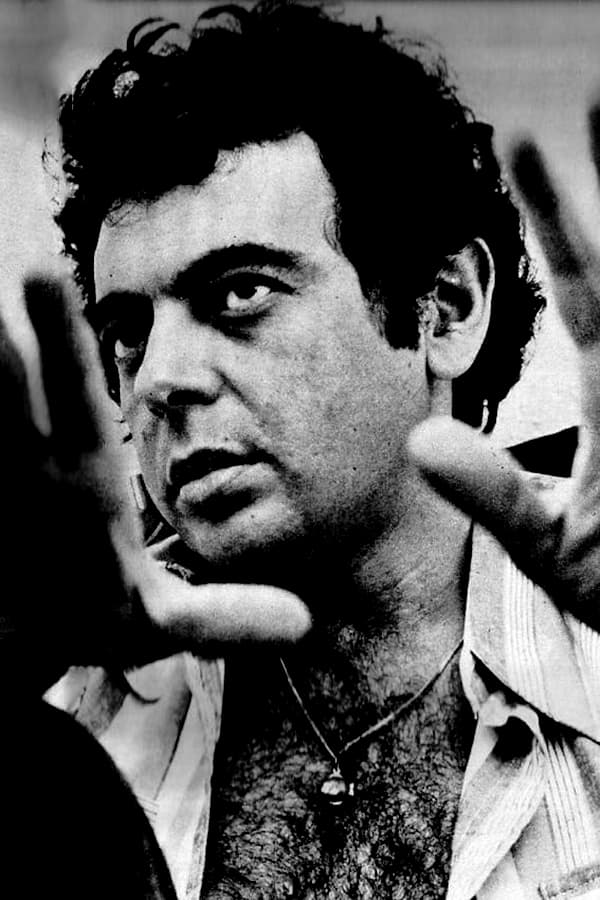
Glauber Rocha
DirectingAbout Glauber Rocha
Glauber de Andrade Rocha (Vitória da Conquista, March 14, 1939 — Rio de Janeiro, August 22, 1981) was a Brazilian filmmaker, considered by critics, specialized journalists and the public as one of the biggest names in the history of Brazilian cinema. Revered as a revolutionary genius, he was one of the founders of the avant-garde Cinema Novo movement, and many of his works, such as Deus e o Diabo Na Terra do Sol, Terra em Transe and O Dragão da Maldade Contra o Santo Guerreiro, are often listed as some of the best Brazilian films of all time.
Glauber Rocha Movies & Career Overview
The filmography of Glauber Rocha reflects a career marked by diverse experimentation. Across 50 major appearances, the actor has built a reputation through performances in multiple genres and storytelling styles.
Dominant Genre
A large portion of Glauber Rocha's work falls within the Documentary genre, where audiences tend to respond most strongly to their on-screen presence.
Success Ratio
Approximately 34% of Glauber Rocha's films maintain ratings above 6.5, indicating a consistent level of audience approval.
One of the most highly rated entries in their career remains Life is Strange, which stands out as a key performance.
Best Glauber Rocha Movies Ranked
Must-watch hits from Glauber Rocha's career based on audience ratings.

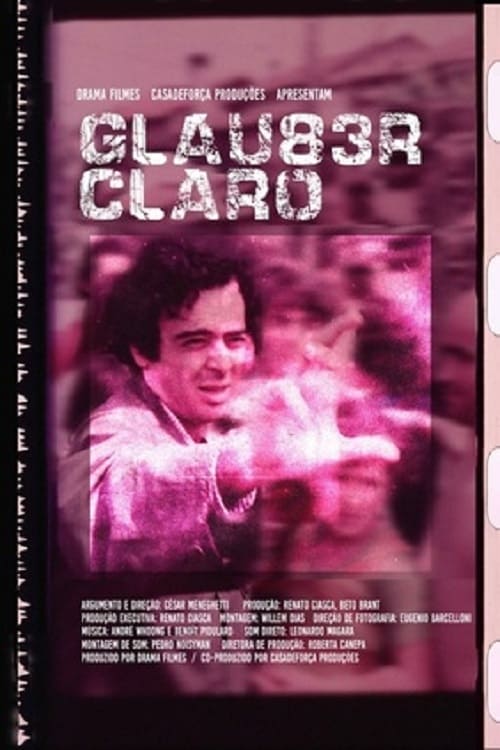
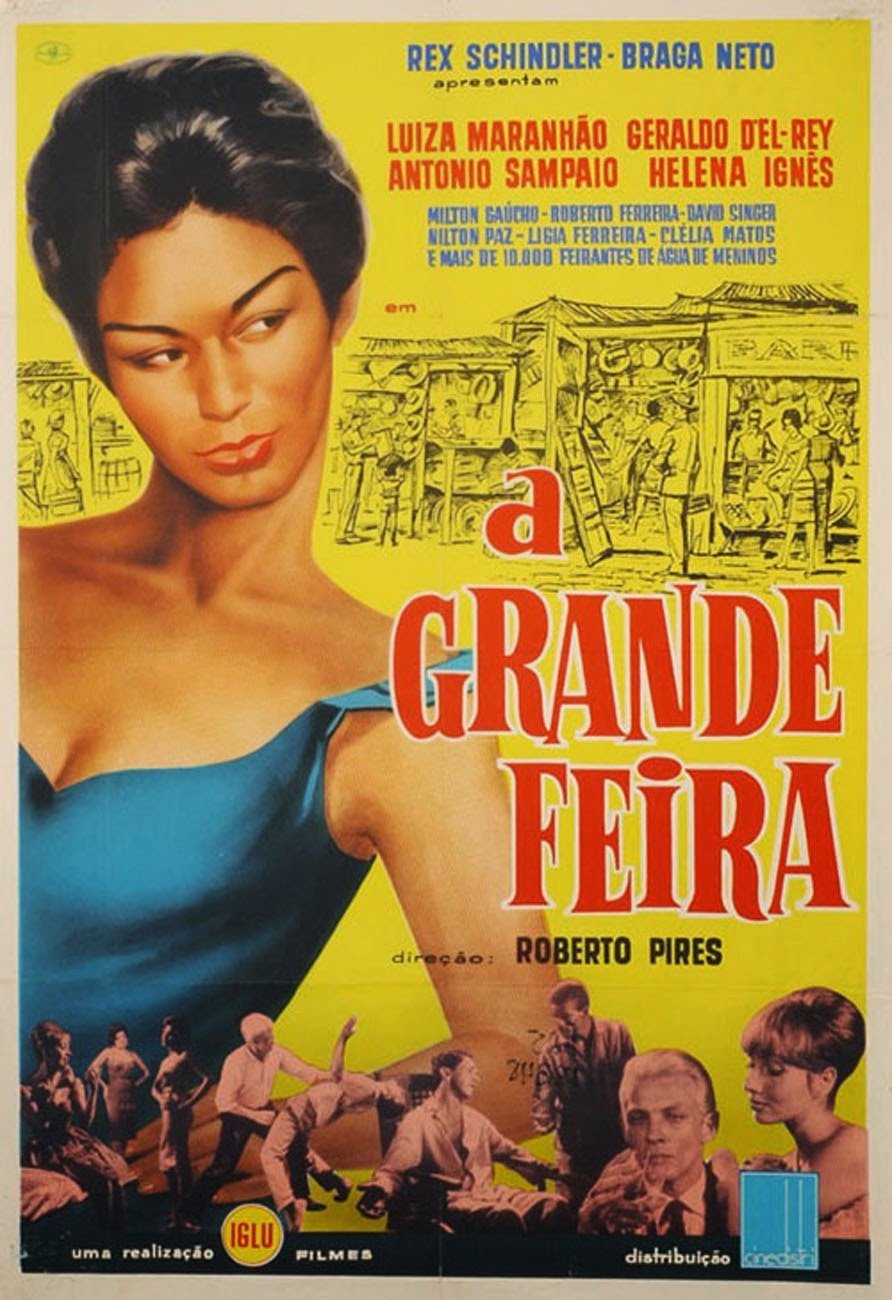

Full Filmography
Every movie Glauber Rocha has appeared in, with audience ratings and verdicts.
Glauber Rocha - Frequently Asked Questions
What is the best movie of Glauber Rocha?
According to audience ratings, the best movie starring Glauber Rocha is "Life is Strange" with a rating of 10.0/10.
How many movies has Glauber Rocha acted in?
Glauber Rocha has been featured in at least 50 major films throughout their career.
What are some other popular movies by Glauber Rocha?
Other notable films include "Corman's Eyedrops Got Me Too Crazy", "Glauber, Claro", and "A Grande Feira".