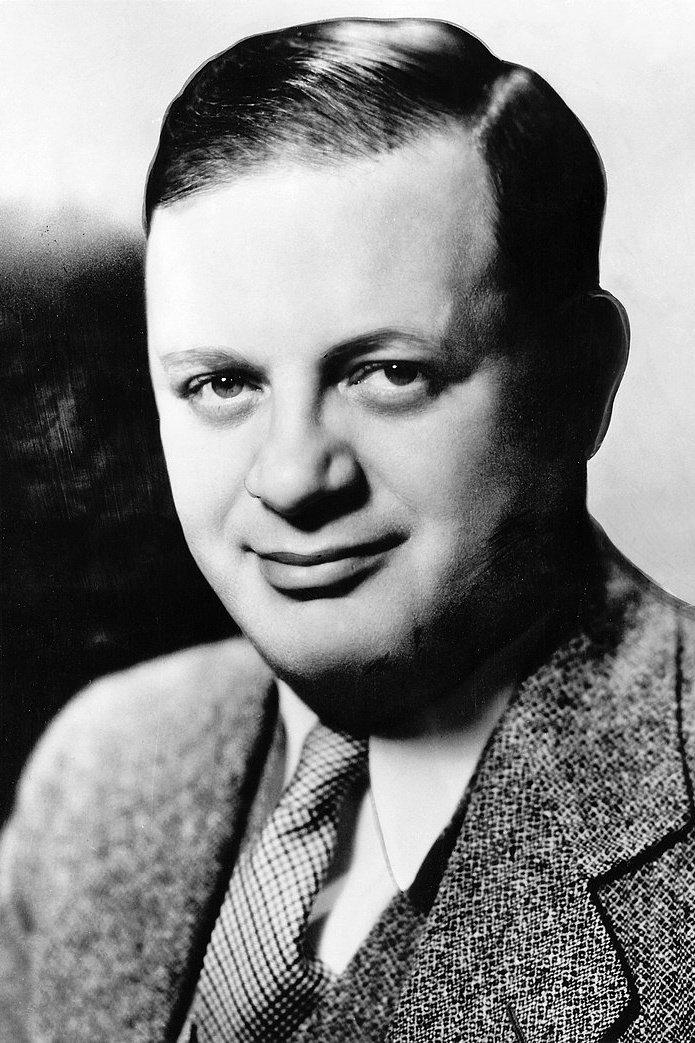
Herman J. Mankiewicz
WritingAbout Herman J. Mankiewicz
Herman Jacob Mankiewicz (November 7, 1897 – March 5, 1953; New York City) was an American screenwriter, who, with Orson Welles, wrote the screenplay for Citizen Kane (1941). Earlier, he was the Berlin correspondent for the Chicago Tribune and the drama critic for The New York Times and The New Yorker. Alexander Woollcott said that Herman Mankiewicz was the "funniest man in New York". Both Mankiewicz and Welles received Academy Awards for their screenplay. Mankiewicz's younger brother was Joseph L. Mankiewicz (1909–1993), an Oscar-winning Hollywood director, screenwriter, and producer. His nephew Tom Mankiewicz (1942 – 2010) was also a screenwriter and director. He was often asked to fix the screenplays of other writers, with much of his work uncredited. Occasional flashes of what came to be called the "Mankiewicz humor" and satire distinguished his films, and became valued in the films of the 1930s. The style of writing included a slick, satirical, and witty humor, which depended almost totally on dialogue to carry the film. It was a style that would become associated with the "typical American film" of that period. Among the screenplays he wrote or worked on, besides "Citizen Kane", were "The Wizard of Oz", "Man of the World", "Dinner at Eight", "Pride of the Yankees", and "The Pride of St. Louis". Film critic Pauline Kael credits Mankiewicz with having written, alone or with others, "about forty of the films I remember best from the twenties and thirties. ... he was a key linking figure in just the kind of movies my friends and I loved best.". Mankiewicz was an alcoholic. Ten years before his death, he wrote: “I seem to become more and more of a rat in a trap of my own construction, a trap that I regularly repair whenever there seems to be danger of some opening that will enable me to escape. I haven’t decided yet about making it bomb proof. It would seem to involve a lot of unnecessary labor and expense". A future Hollywood biographer went so far as to suggest that Mankiewicz’s behavior “made him seem erratic even by the standards of Hollywood drunks.” Herman Mankiewicz died March 5, 1953, of uremic poisoning, at Cedars of Lebanon Hospital in Los Angeles.
Herman J. Mankiewicz Movies & Career Overview
The filmography of Herman J. Mankiewicz reflects a career marked by diverse experimentation. Across 4 major appearances, the actor has built a reputation through performances in multiple genres and storytelling styles.
Dominant Genre
A large portion of Herman J. Mankiewicz's work falls within the Drama genre, where audiences tend to respond most strongly to their on-screen presence.
Success Ratio
Approximately 50% of Herman J. Mankiewicz's films maintain ratings above 6.5, indicating a consistent level of audience approval.
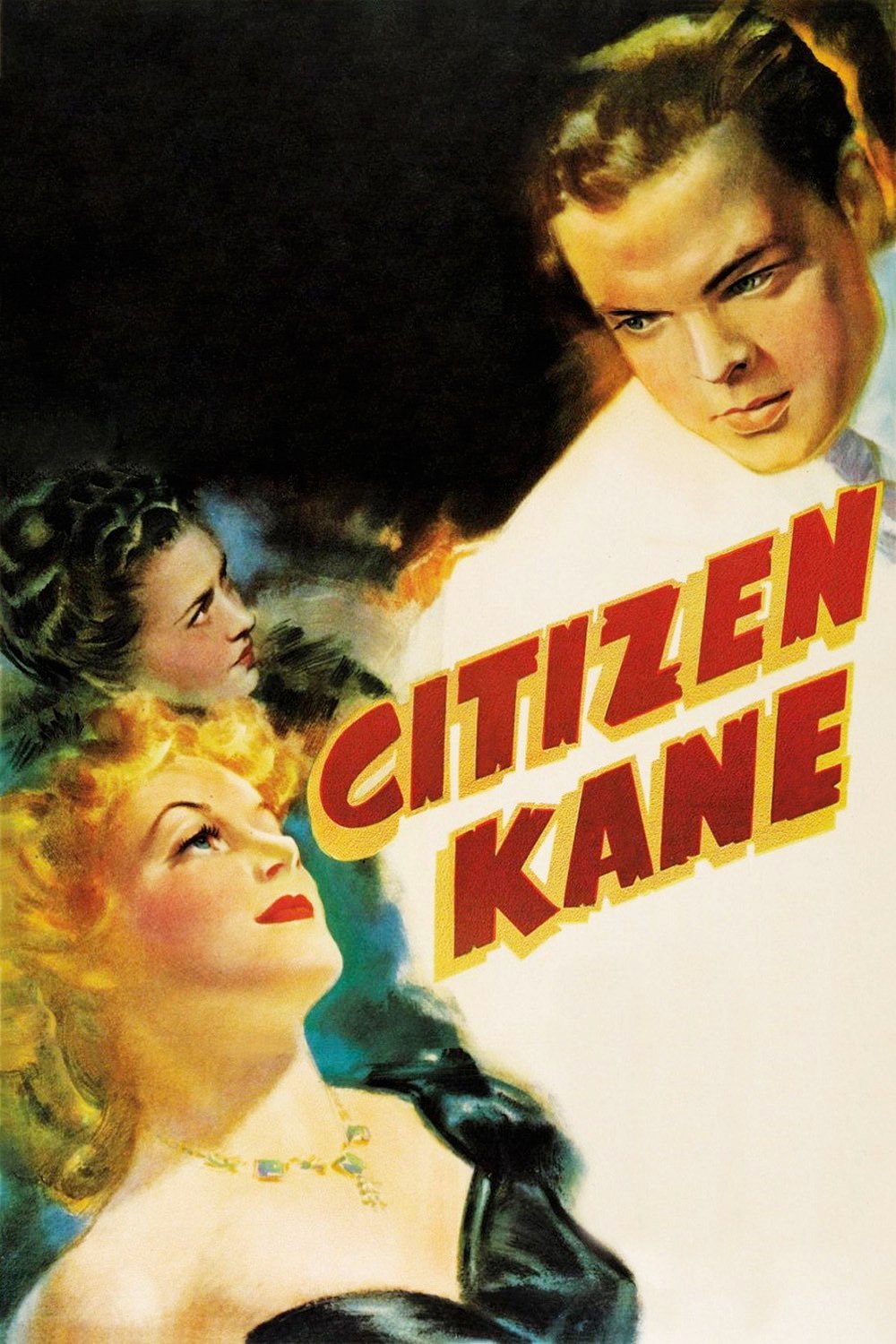
One of the most highly rated entries in their career remains Citizen Kane, which stands out as a key performance.
Best Herman J. Mankiewicz Movies Ranked
Must-watch hits from Herman J. Mankiewicz's career based on audience ratings.


Full Filmography
Every movie Herman J. Mankiewicz has appeared in, with audience ratings and verdicts.
| Year | Movie | Character | Success | More |
|---|---|---|---|---|
| 2026 | Mad Dog of Europe | Self (archive footage) | Flop | Similar → |
| 1941 | Citizen Kane | Newspaperman (uncredited) | Super Hit | Similar → |
| 1931 | The Front Page | Undetermined Secondary Role (uncredited) | Hit | Similar → |
| 1928 | The Mating Call | Newspaperman | Average | Similar → |
Herman J. Mankiewicz - Frequently Asked Questions
What is the best movie of Herman J. Mankiewicz?
According to audience ratings, the best movie starring Herman J. Mankiewicz is "Citizen Kane" with a rating of 8.0/10.
How many movies has Herman J. Mankiewicz acted in?
Herman J. Mankiewicz has been featured in at least 4 major films throughout their career.
What are some other popular movies by Herman J. Mankiewicz?
Other notable films include "The Front Page", "The Mating Call", and "Mad Dog of Europe".