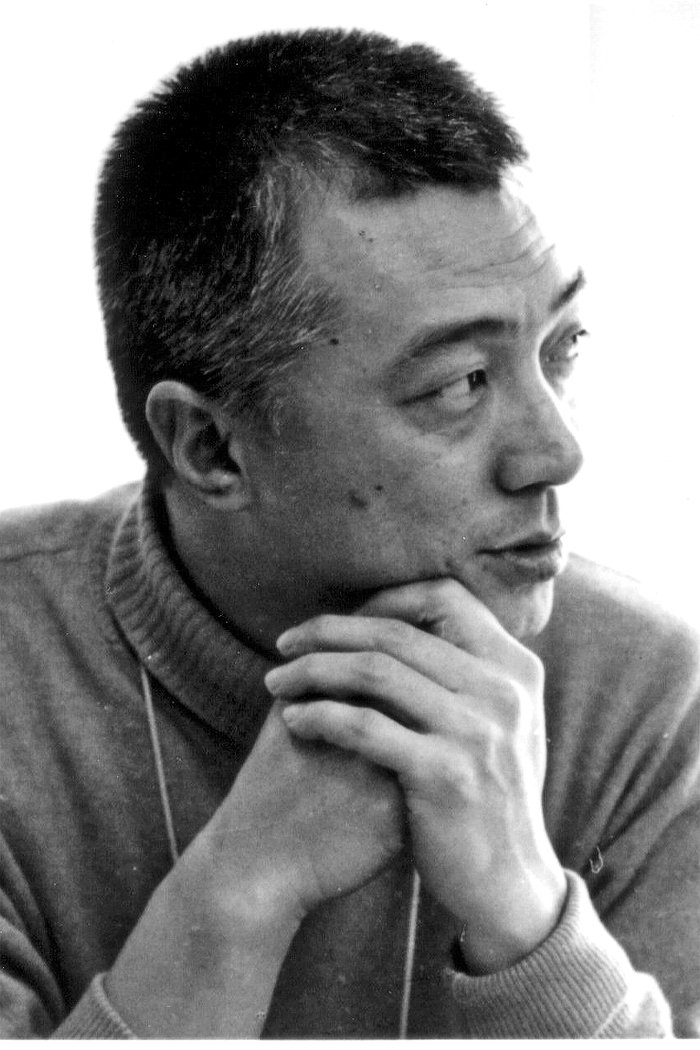
Hiroshi Teshigahara
DirectingAbout Hiroshi Teshigahara
Hiroshi Teshigahara (January 28, 1927 – April 14, 2001) was an avant-garde Japanese filmmaker. He was born in Tokyo, son of Sofu Teshigahara, founder and grand master of the Sogetsu School of ikebana. He graduated in 1950 from the Tokyo National University of Fine Arts and Music and began working in documentary film. He directed his first feature film, Pitfall (1962), in collaboration with author Kōbō Abe and musician Tōru Takemitsu. The film won the NHK New Director's award, and throughout the 1960s, he continued to collaborate on films with Abe and Takemitsu while simultaneously pursuing his interest in ikebana and sculpture on a professional level. In 1965, the Teshigahara/Abe film Woman in the Dunes (1964) was nominated for an Academy Award and won the Special Jury Prize at the Cannes Film Festival. In 1972, he worked with Japanese researcher and translator John Nathan to make the movie Summer Soldiers, a film set during the Vietnam War about American deserters living on the fringe of Japanese society. From the mid-1970s onwards, he worked less frequently on feature films as he concentrated more on documentaries, exhibitions and the Sogetsu School and became grand master of the school in 1980. In 1978, Teshigahara Hiroshi directed the final two episodes of the long running and popular Japanese television series Shin Zatouichi, starring Shintarō Katsu as the blind wandering Yakuza. During Akira Kurosawa's 5 year hiatus from filmmaking, he watched a lot of television and was particularly taken by the final episode of Shin Zatouichi - Episode: Journey of Dreams (1978). The influence of this particular episode included the initial casting of Shintaro Katsu in the lead roles in Kagemusha and the extended artistic dream sequences contributed to those seen in Kagemusha (1980). On the first anniversary of his death, April 14, 2002, a DVD box set containing his best known work was released in Japan in commemoration.
Hiroshi Teshigahara Movies & Career Overview
The filmography of Hiroshi Teshigahara reflects a career marked by diverse experimentation. Across 2 major appearances, the actor has built a reputation through performances in multiple genres and storytelling styles.
Dominant Genre
A large portion of Hiroshi Teshigahara's work falls within the Documentary genre, where audiences tend to respond most strongly to their on-screen presence.
Success Ratio
Approximately 0% of Hiroshi Teshigahara's films maintain ratings above 6.5, indicating a consistent level of audience approval.
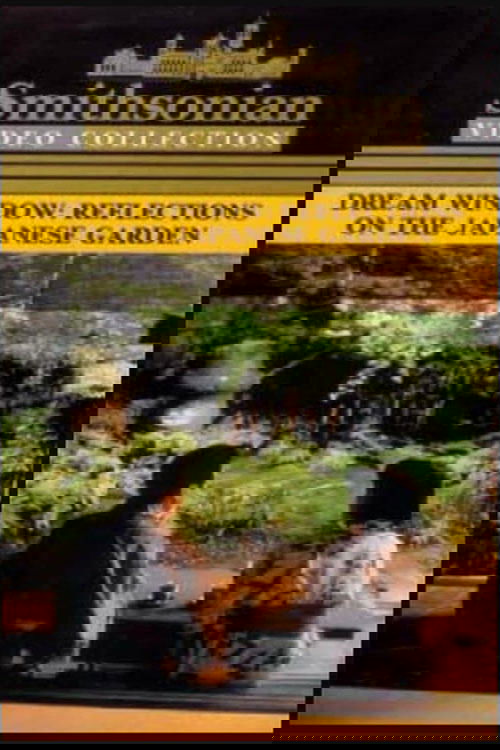
One of the most highly rated entries in their career remains Dream Window: Reflections on the Japanese Garden, which stands out as a key performance.
Best Hiroshi Teshigahara Movies Ranked
Must-watch hits from Hiroshi Teshigahara's career based on audience ratings.
Full Filmography
Every movie Hiroshi Teshigahara has appeared in, with audience ratings and verdicts.
| Year | Movie | Character | Success | More |
|---|---|---|---|---|
| 1992 | Dream Window: Reflections on the Japanese Garden | - | Flop | Similar → |
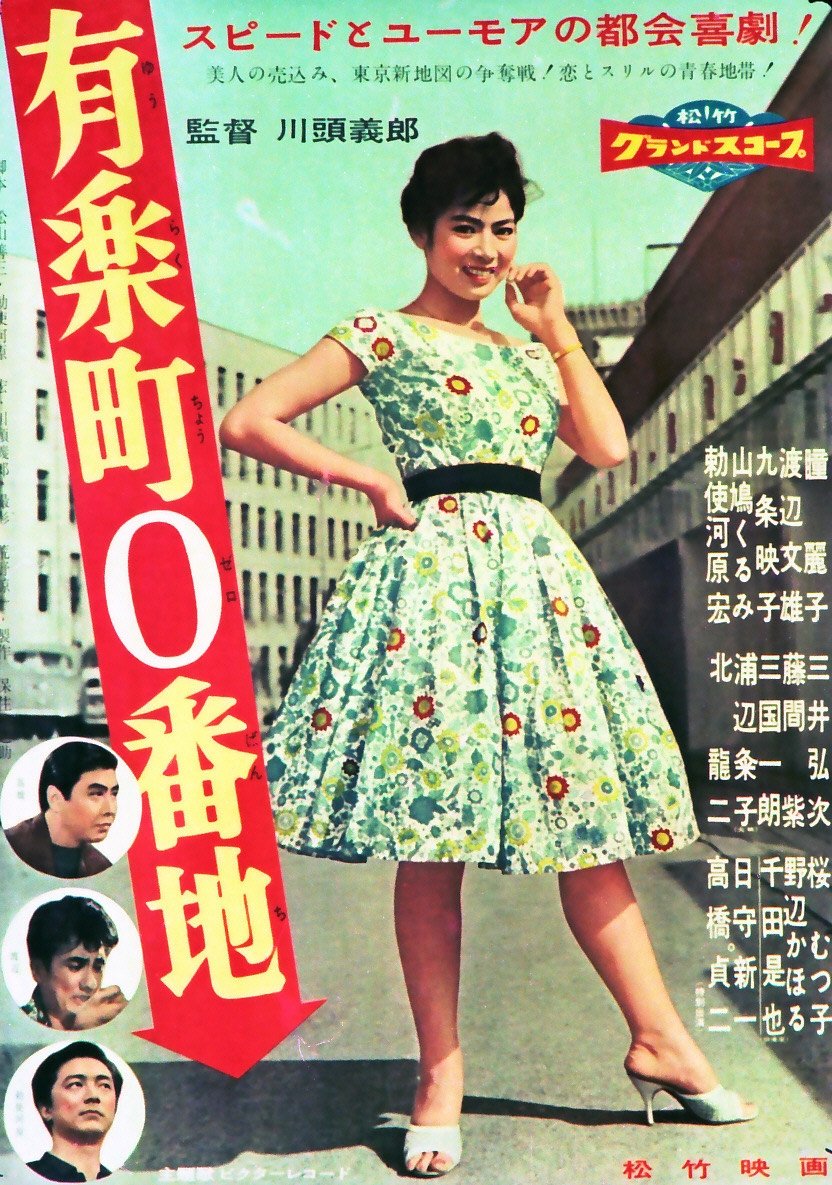
| 1958 | Yurakucho 0 Street | Ryoji (Poet) | Flop | Similar → |
Hiroshi Teshigahara - Frequently Asked Questions
What is the best movie of Hiroshi Teshigahara?
According to audience ratings, the best movie starring Hiroshi Teshigahara is "Dream Window: Reflections on the Japanese Garden" with a rating of 0.0/10.
How many movies has Hiroshi Teshigahara acted in?
Hiroshi Teshigahara has been featured in at least 2 major films throughout their career.