
Mary Badham
ActingAbout Mary Badham
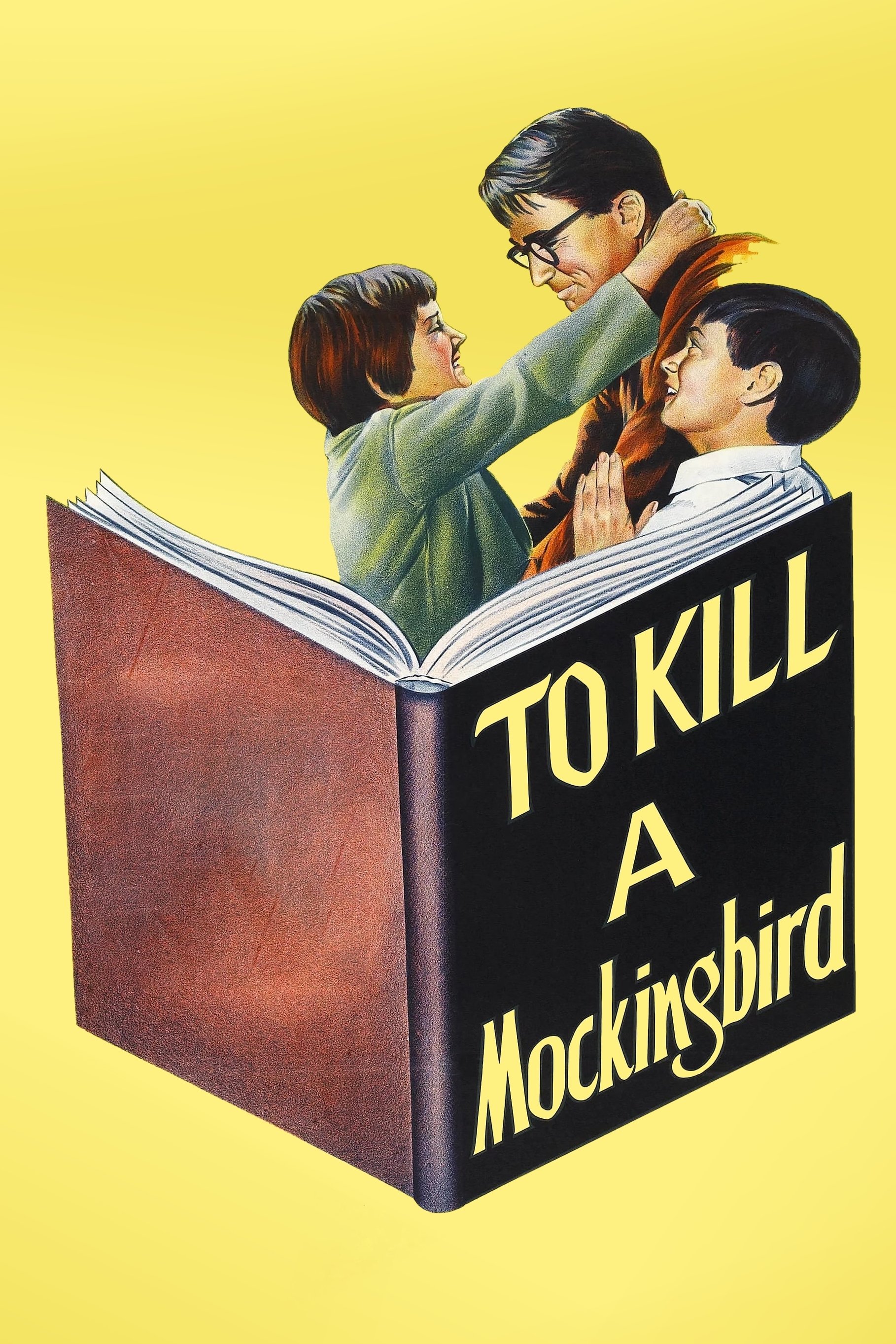
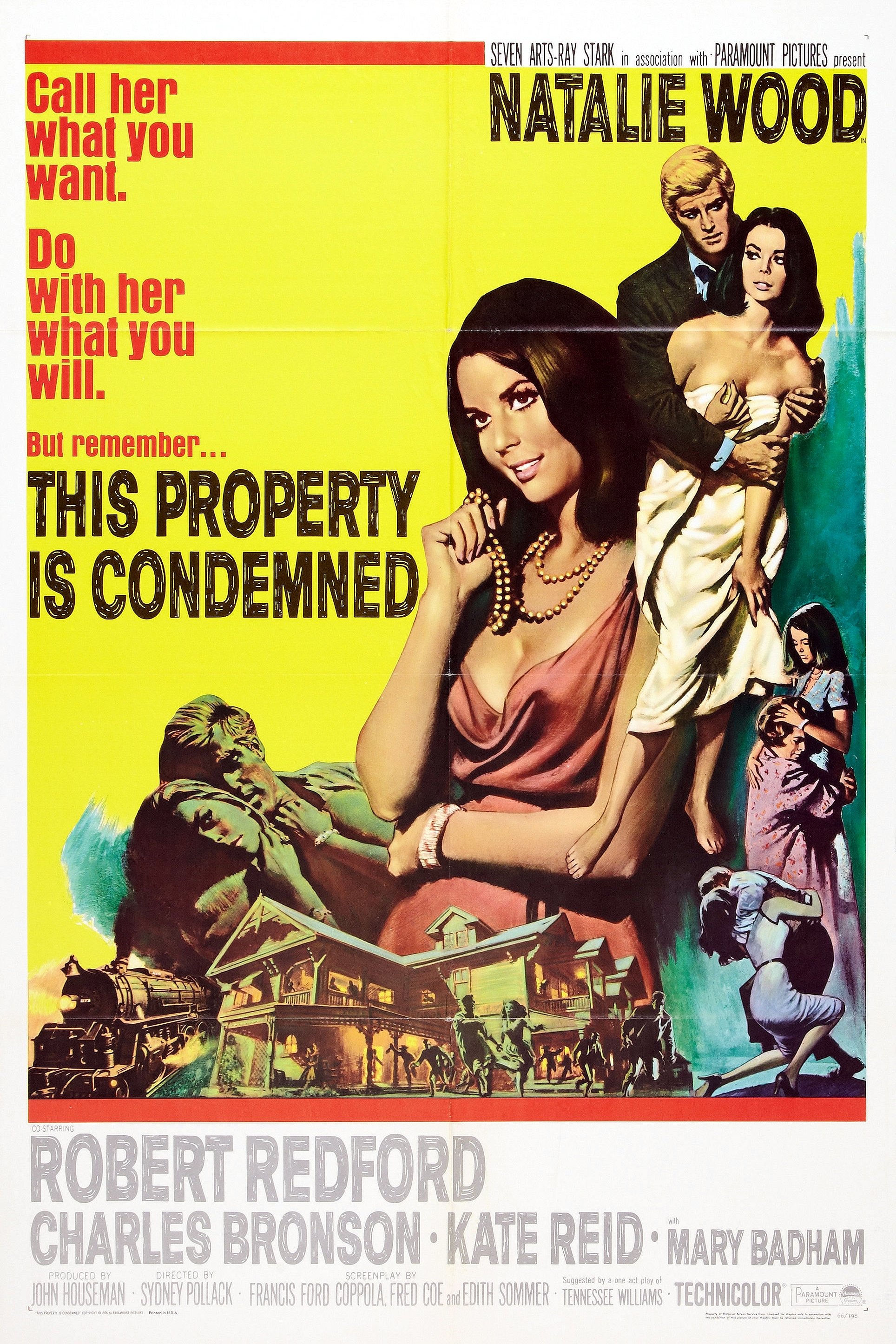
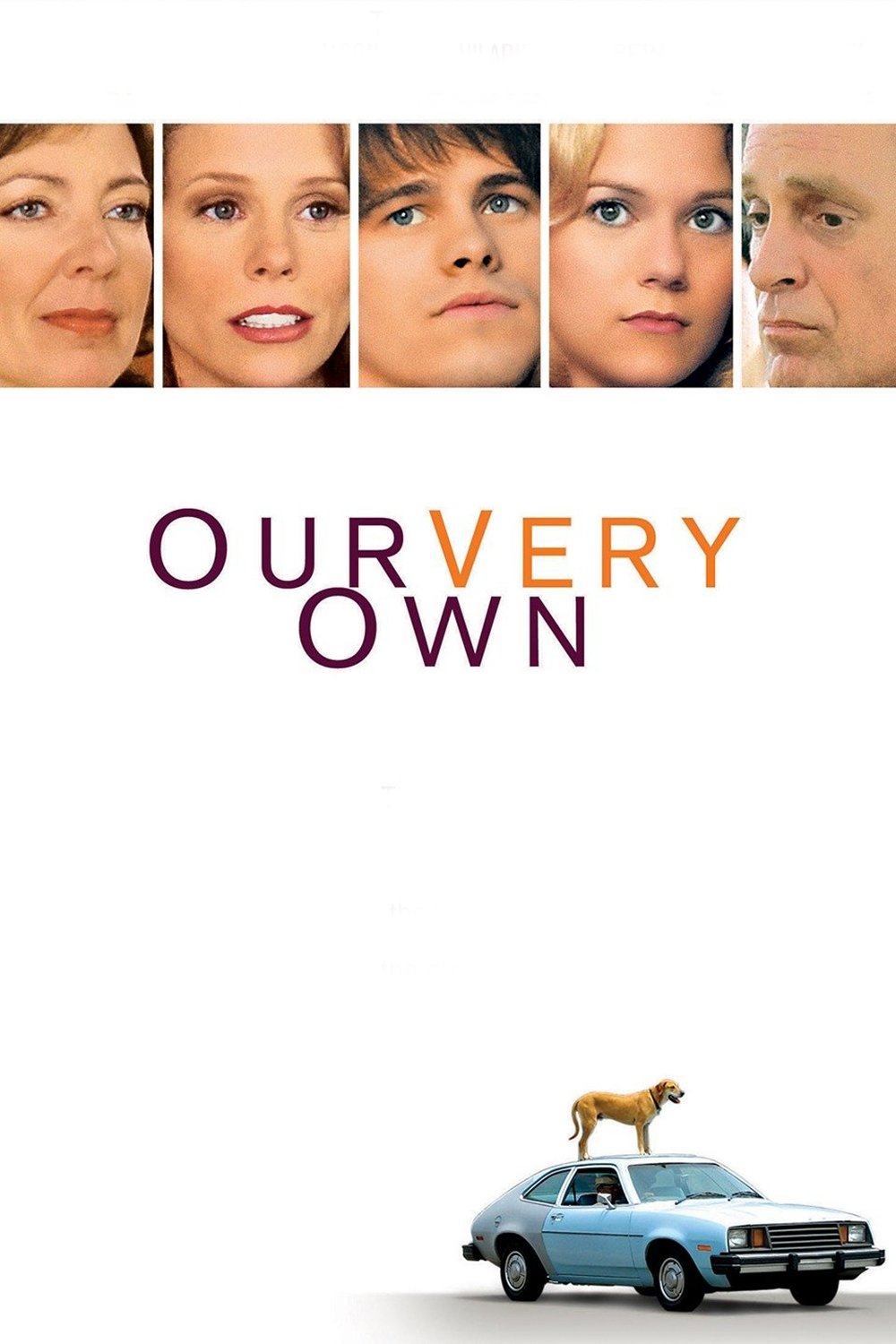
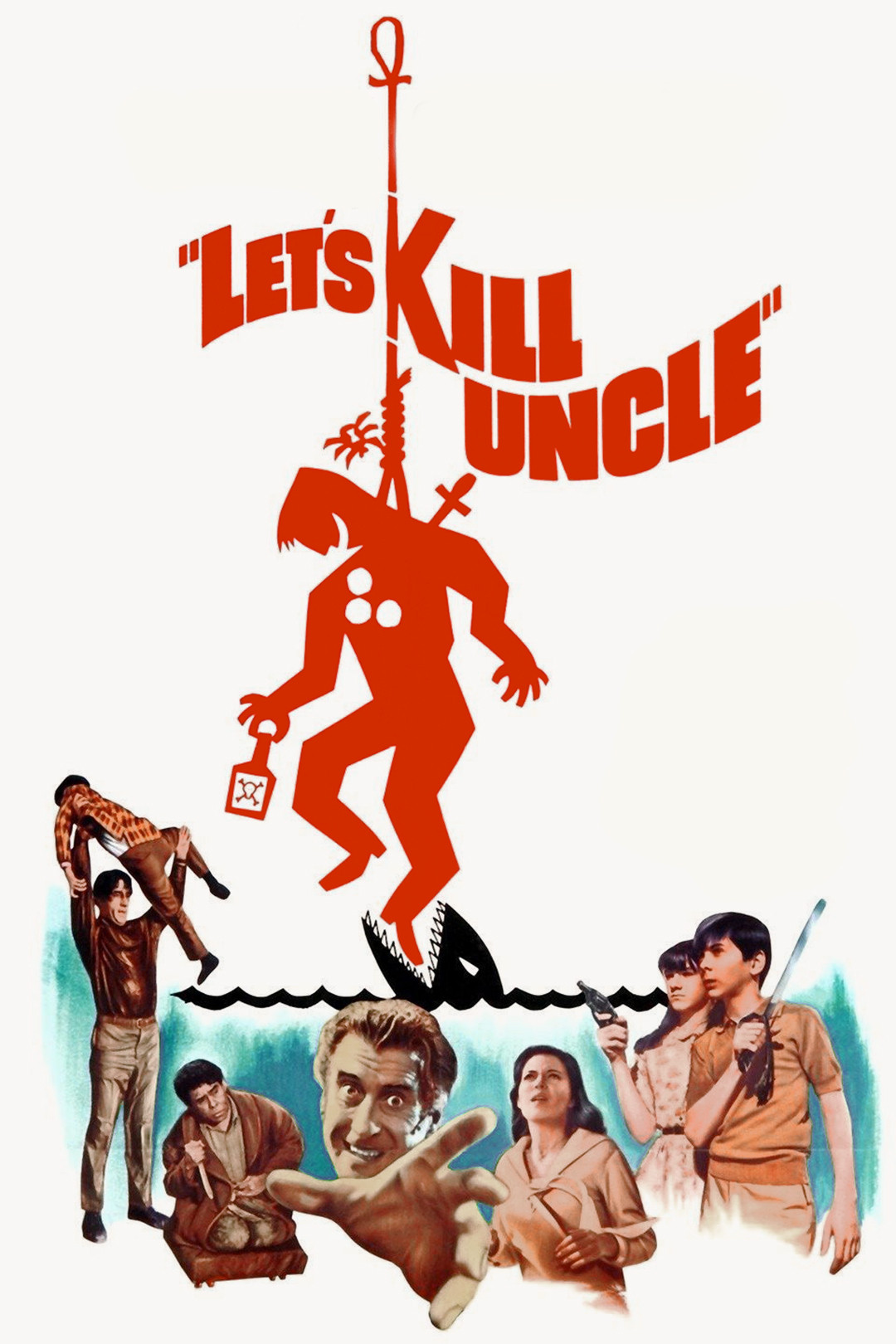
From Wikipedia, the free encyclopedia Mary Badham (born October 7, 1952) is an American actress, known for her portrayal of Jean Louise 'Scout' Finch in To Kill a Mockingbird (1962), for which she was nominated for an Academy Award for Best Supporting Actress. At the time, Badham (age 10) was the youngest actress ever nominated in this category. Mary Badham is the younger (by thirteen years) sister of film director John Badham. The Badham siblings, however, have never worked together on the same film. Badham had no prior film acting experience before being cast in To Kill a Mockingbird. The Oscar in her category went to another child actress, Patty Duke for The Miracle Worker. During filming, Badham became particularly close to actor Gregory Peck who played Scout's father, and afterwards she remained in touch with him, always calling him by his character's name, 'Atticus', until his death in 2003. Badham is also widely known for her role as 'Sport Sharewood' in The Bewitchin' Pool, the final episode of the original Twilight Zone series. She also appeared in the films Let's Kill Uncle and This Property Is Condemned before retiring from the acting profession. At the urging of actor/writer/director Cameron Watson, Badham came out of retirement to play an offbeat cameo opposite Keith Carradine for his film Our Very Own. Watson stated he would not accept any other actress for the part. He had managed to contact her via Monroeville, Alabama, where she had been invited to attend a stage version of To Kill a Mockingbird. At present Badham is an art restorer and a college testing coordinator. Married to a school teacher, and the mother of two (Anthony and Anna), she also travels around the world recalling her experiences making To Kill a Mockingbird while expounding on the book's messages of tolerance and compassion. Description above from the Wikipedia article Mary Badham, licensed under CC-BY-SA, full list of contributors on Wikipedia.
Career Statistics & Market Influence
Analyzing the cinematic journey of Mary Badham reveals a career defined by diverse artistic exploration. With a total of 9 major appearances, the actor has established a significant footprint in global cinema.
Genre Dominance: Drama
The majority of Mary Badham's filmography leans towards the Drama genre. Audience data suggests that viewers respond most favorably to this persona, though their versatility has allowed for successful crossovers into other categories.
The "Box Office" Signature
With a 22% Success Ratio (movies rated above 6.5), Mary Badham remains a reliable draw for studios. Their peak performance was recorded in To Kill a Mockingbird, which continues to be the benchmark for their career rating-wise.
Best Mary Badham Movies Ranked
Must-watch hits from Mary Badham's career based on audience ratings.
Complete Filmography & Success Status
Tracking the career evolution and box office verdicts of Mary Badham.
| Year | Movie | Character | Success | More |
|---|---|---|---|---|
| 2025 | Was Once a Hero | Nurse Mary | Flop | Similar → |
| 2019 | Erasing His Dark Past | Barbara | Flop | Similar → |
| 2011 | Hey, Boo: Harper Lee & To Kill a Mockingbird | Self | Flop | Similar → |
| 2005 | Our Very Own | Mrs. Nutbush | Average | Similar → |
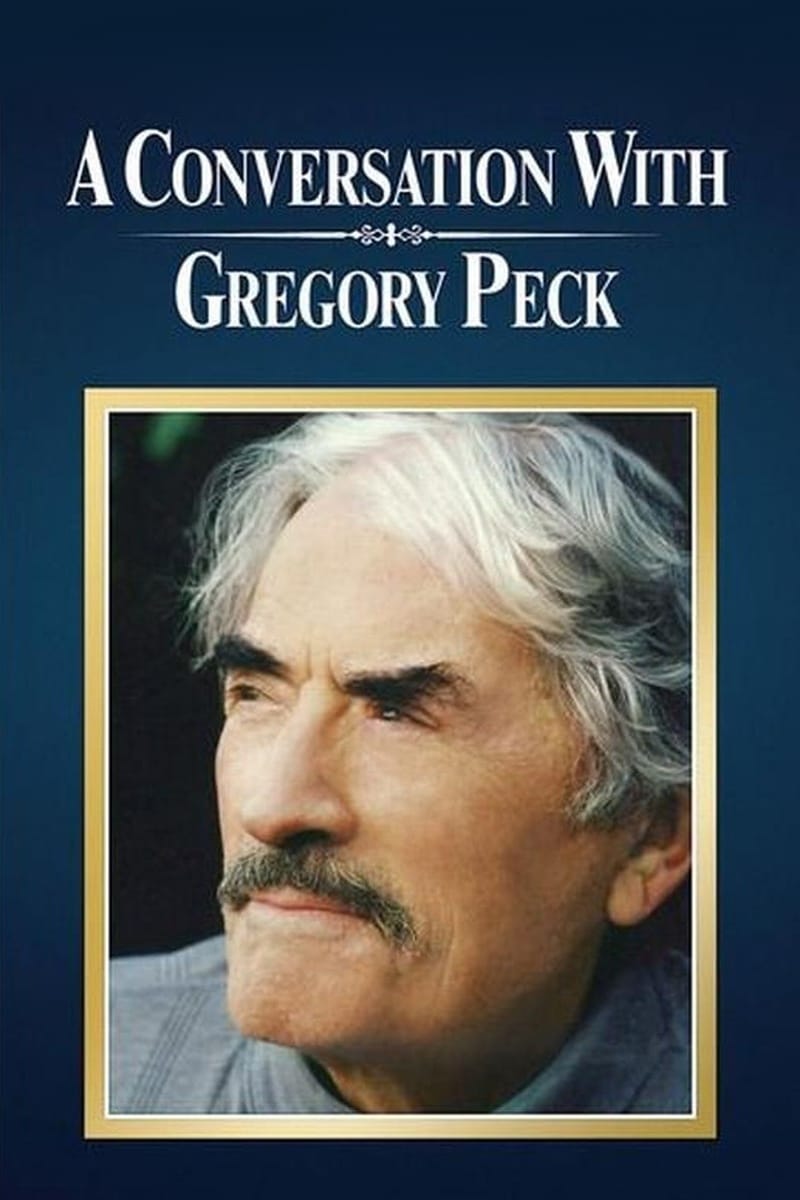
| 1999 | A Conversation with Gregory Peck | Self | Hit | Similar → |
| 1998 | Fearful Symmetry | Self | Flop | Similar → |
| 1966 | Let's Kill Uncle | Chrissie | Average | Similar → |
| 1966 | This Property Is Condemned | Willie Starr | Average | Similar → |
| 1962 | To Kill a Mockingbird | Scout Finch | Super Hit | Similar → |
Mary Badham - Frequently Asked Questions
What is the best movie of Mary Badham?
According to audience ratings, the best movie starring Mary Badham is "To Kill a Mockingbird" with a rating of 8.0/10.
How many movies has Mary Badham acted in?
Mary Badham has been featured in at least 9 major films throughout their career.
What are some other popular movies by Mary Badham?
Other notable films include "A Conversation with Gregory Peck", "This Property Is Condemned", and "Our Very Own".