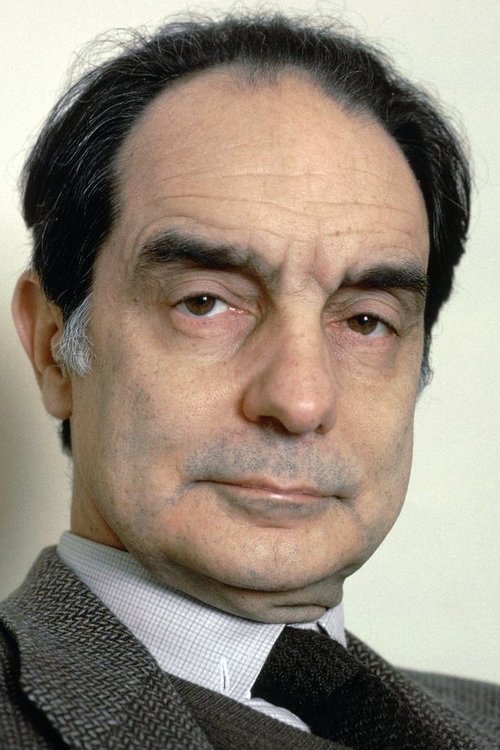
Italo Calvino
WritingAbout Italo Calvino
Italo Calvino (15 October 1923 – 19 September 1985) was an Italian writer and journalist. His best known works include the Our Ancestors trilogy (1952–1959), the Cosmicomics collection of short stories (1965), and the novels Invisible Cities (1972) and If on a winter's night a traveler (1979). Admired in Britain, Australia and the United States, Calvino was the most translated contemporary Italian writer at the time of his death. He is buried in the garden cemetery of Castiglione della Pescaia in Tuscany. Italo Calvino was born in Santiago de las Vegas, a suburb of Havana, Cuba, in 1923. His father, Mario, was a tropical agronomist and botanist who also taught agriculture and floriculture. Born 47 years earlier in Sanremo, Italy, Mario Calvino had emigrated to Mexico in 1909 where he took up an important position with the Ministry of Agriculture. In an autobiographical essay, Italo Calvino explained that his father "had been in his youth an anarchist, a follower of Kropotkin and then a Socialist Reformist". In 1917, Mario left for Cuba to conduct scientific experiments, after living through the Mexican Revolution. Calvino's mother, Giuliana Luigia Evelina "Eva" Mameli, was a botanist and university professor. A native of Sassari in Sardinia and 11 years younger than her husband, she married while still a junior lecturer at Pavia University. Born into a secular family, Eva was a pacifist educated in the "religion of civic duty and science". Eva gave Calvino his unusual first name to remind him of his Italian heritage, although since he wound up growing up in Italy after all, Calvino thought his name sounded "belligerently nationalist". Calvino described his parents as being "very different in personality from one another", suggesting perhaps deeper tensions behind a comfortable, albeit strict, middle-class upbringing devoid of conflict. As an adolescent, he found it hard relating to poverty and the working-class, and was "ill at ease" with his parents' openness to the labourers who filed into his father's study on Saturdays to receive their weekly paycheck. In 1925, less than two years after Calvino's birth, the family returned to Italy and settled permanently in Sanremo on the Ligurian coast. Calvino's brother Floriano, who became a distinguished geologist, was born in 1927. ... Source: Article "Italo Calvino" from Wikipedia in English, licensed under CC-BY-SA 3.0.
Career Statistics & Market Influence
Analyzing the cinematic journey of Italo Calvino reveals a career defined by diverse artistic exploration. With a total of 2 major appearances, the actor has established a significant footprint in global cinema.
Genre Dominance: Documentary
The majority of Italo Calvino's filmography leans towards the Documentary genre. Audience data suggests that viewers respond most favorably to this persona, though their versatility has allowed for successful crossovers into other categories.
The "Box Office" Signature
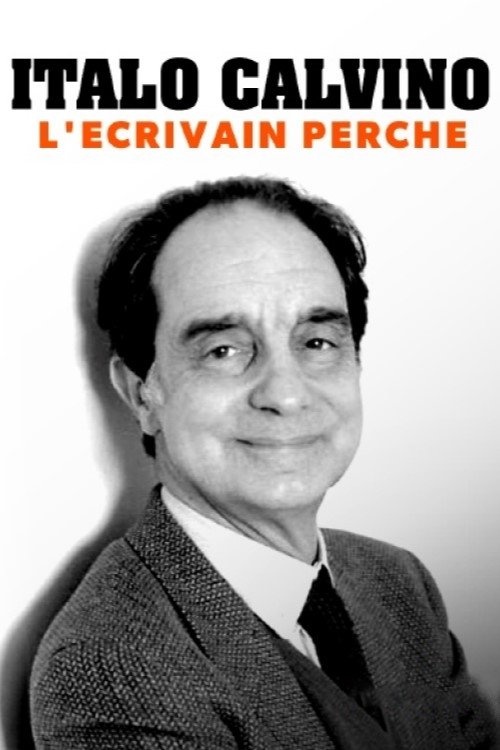
With a 50% Success Ratio (movies rated above 6.5), Italo Calvino remains a reliable draw for studios. Their peak performance was recorded in The Writer in the Trees, which continues to be the benchmark for their career rating-wise.
Best Italo Calvino Movies Ranked
Must-watch hits from Italo Calvino's career based on audience ratings.
Complete Filmography & Success Status
Tracking the career evolution and box office verdicts of Italo Calvino.
| Year | Movie | Character | Success | More |
|---|---|---|---|---|
| 2023 | The Writer in the Trees | Self (archive footage) | Hit | Similar → |
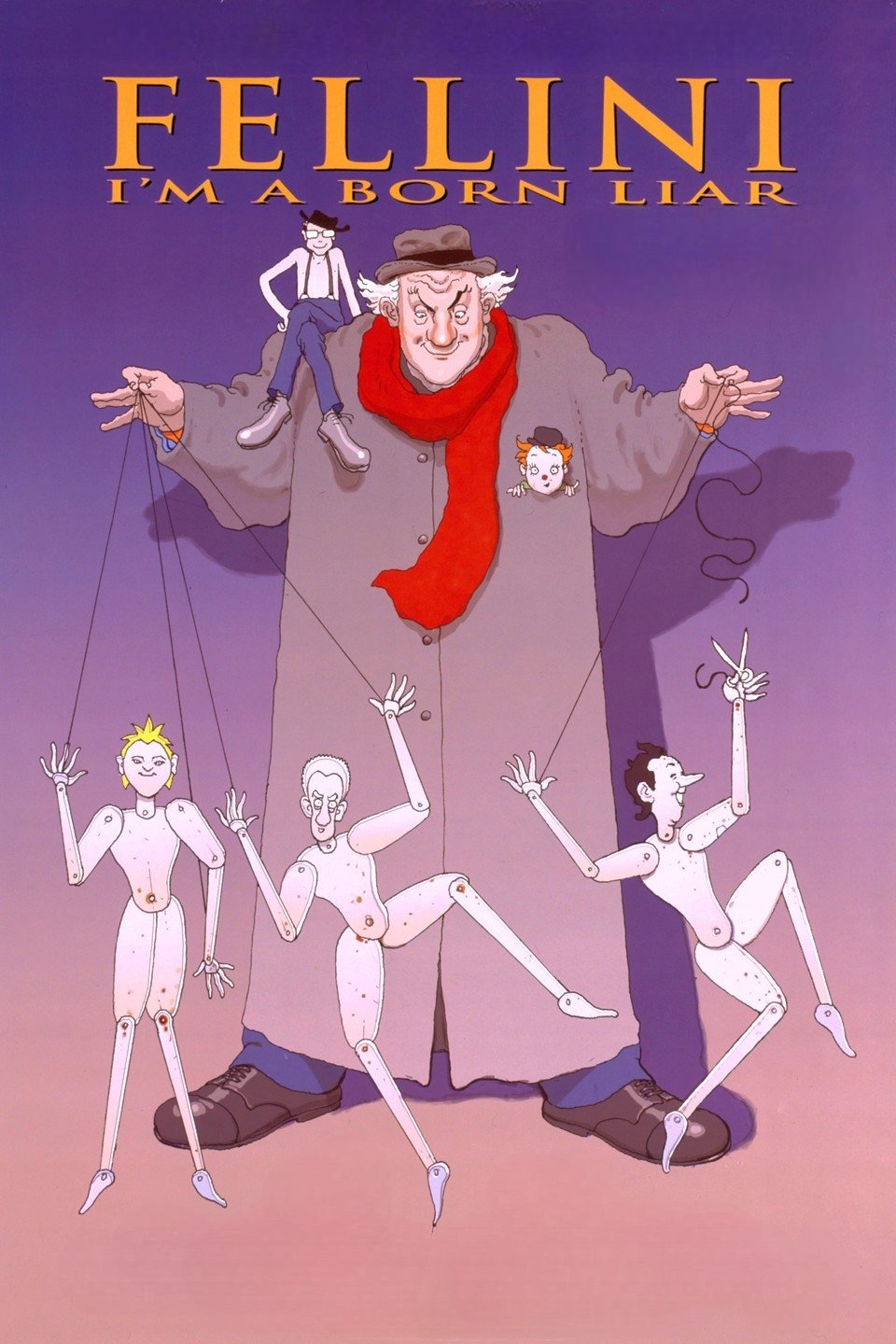
| 2003 | Fellini: I'm a Born Liar | Self - Ecrivain (archive footage) | Average | Similar → |
Italo Calvino - Frequently Asked Questions
What is the best movie of Italo Calvino?
According to audience ratings, the best movie starring Italo Calvino is "The Writer in the Trees" with a rating of 6.5/10.
How many movies has Italo Calvino acted in?
Italo Calvino has been featured in at least 2 major films throughout their career.