
Jay Ilagan
ActingAbout Jay Ilagan
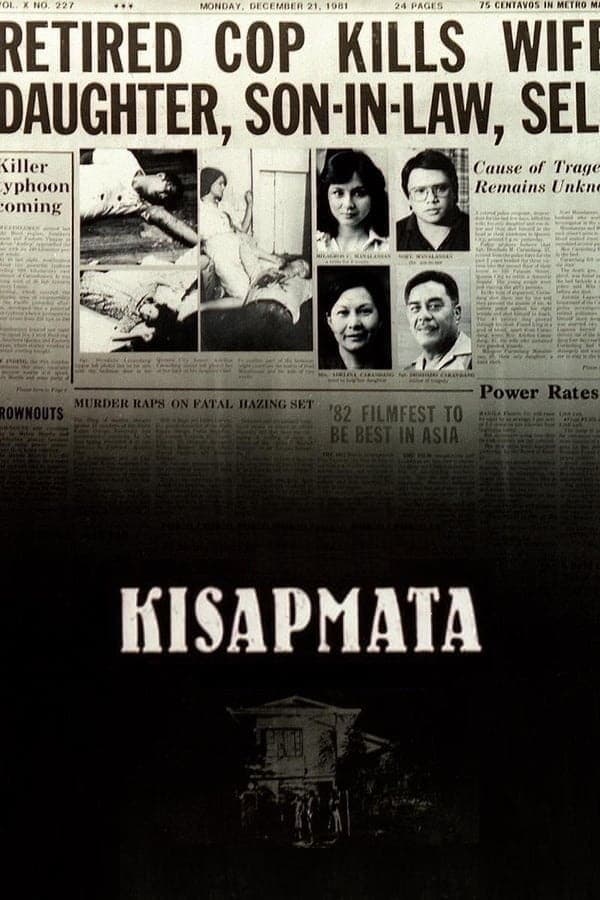
Julius Abad Ilagan (January 20, 1953 – February 4, 1992) was a Filipino actor. His good looks eventually made him a matinee idol, starring in the films Maruja (1967), Tubog Sa Ginto (1970), Pinoy Crazy Boys (1974), and Hinog Sa Pilit. And because the looks came with deep talent, Jay survived the transition from teen star to adult actor - winning a Gawad Urian Best Supporting Actor trophy in 1982 for the movie, Kisapmata, another Gawad Urian Best Actor in 1985 for his role in Sister Stella L., and 1988 FAMAS and Film Academy of the Philippines Best Actor for his acting in Maging Akin Ka Lamang. His acting range was versatile as he has also appeared in a number of comedy movies and TV shows alongside critically-acclaimed dramatic films.
Jay Ilagan Movies & Career Overview
The filmography of Jay Ilagan reflects a career marked by diverse experimentation. Across 50 major appearances, the actor has built a reputation through performances in multiple genres and storytelling styles.
Dominant Genre
A large portion of Jay Ilagan's work falls within the Drama genre, where audiences tend to respond most strongly to their on-screen presence.
Success Ratio
Approximately 26% of Jay Ilagan's films maintain ratings above 6.5, indicating a consistent level of audience approval.
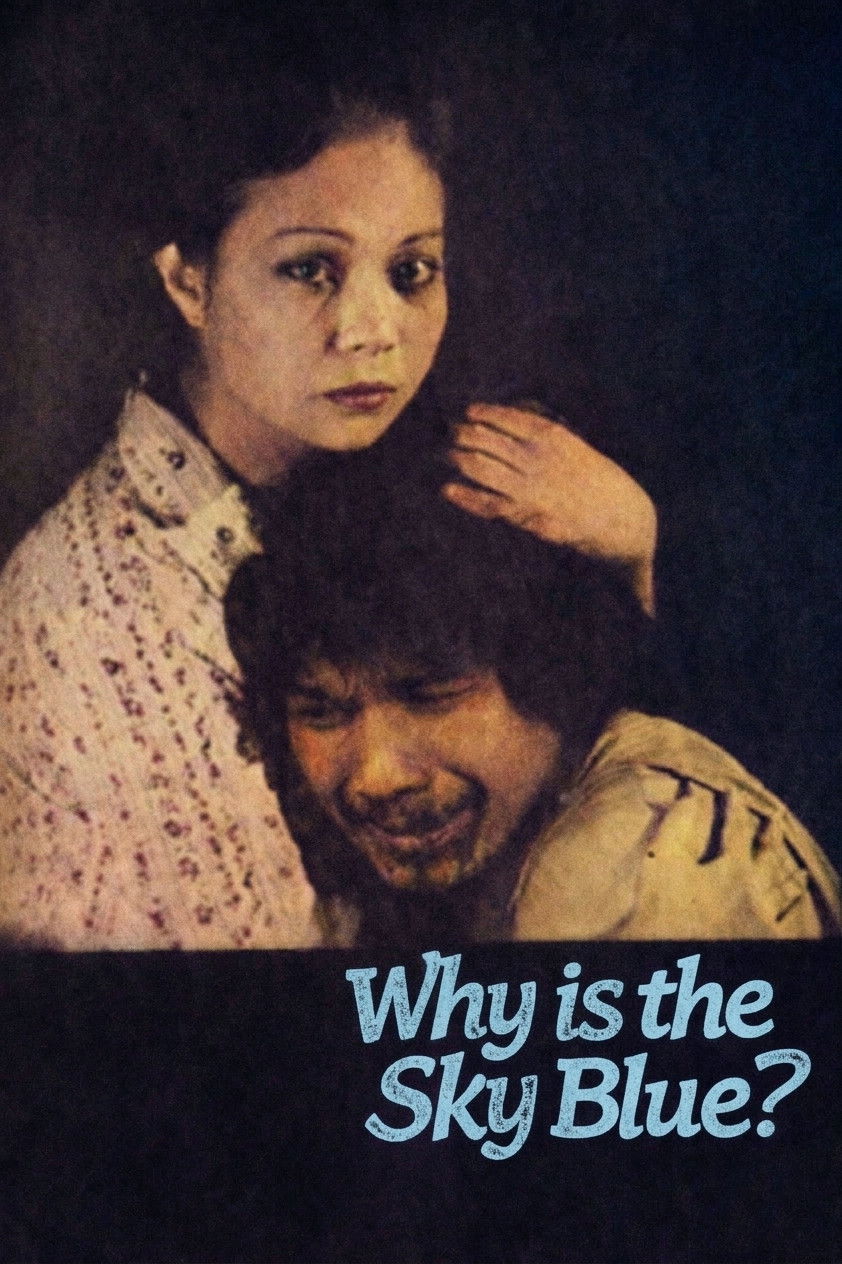
One of the most highly rated entries in their career remains Why Is the Sky Blue?, which stands out as a key performance.
Best Jay Ilagan Movies Ranked
Must-watch hits from Jay Ilagan's career based on audience ratings.

Full Filmography
Every movie Jay Ilagan has appeared in, with audience ratings and verdicts.
Jay Ilagan - Frequently Asked Questions
What is the best movie of Jay Ilagan?
According to audience ratings, the best movie starring Jay Ilagan is "Why Is the Sky Blue?" with a rating of 10.0/10.
How many movies has Jay Ilagan acted in?
Jay Ilagan has been featured in at least 50 major films throughout their career.
What are some other popular movies by Jay Ilagan?
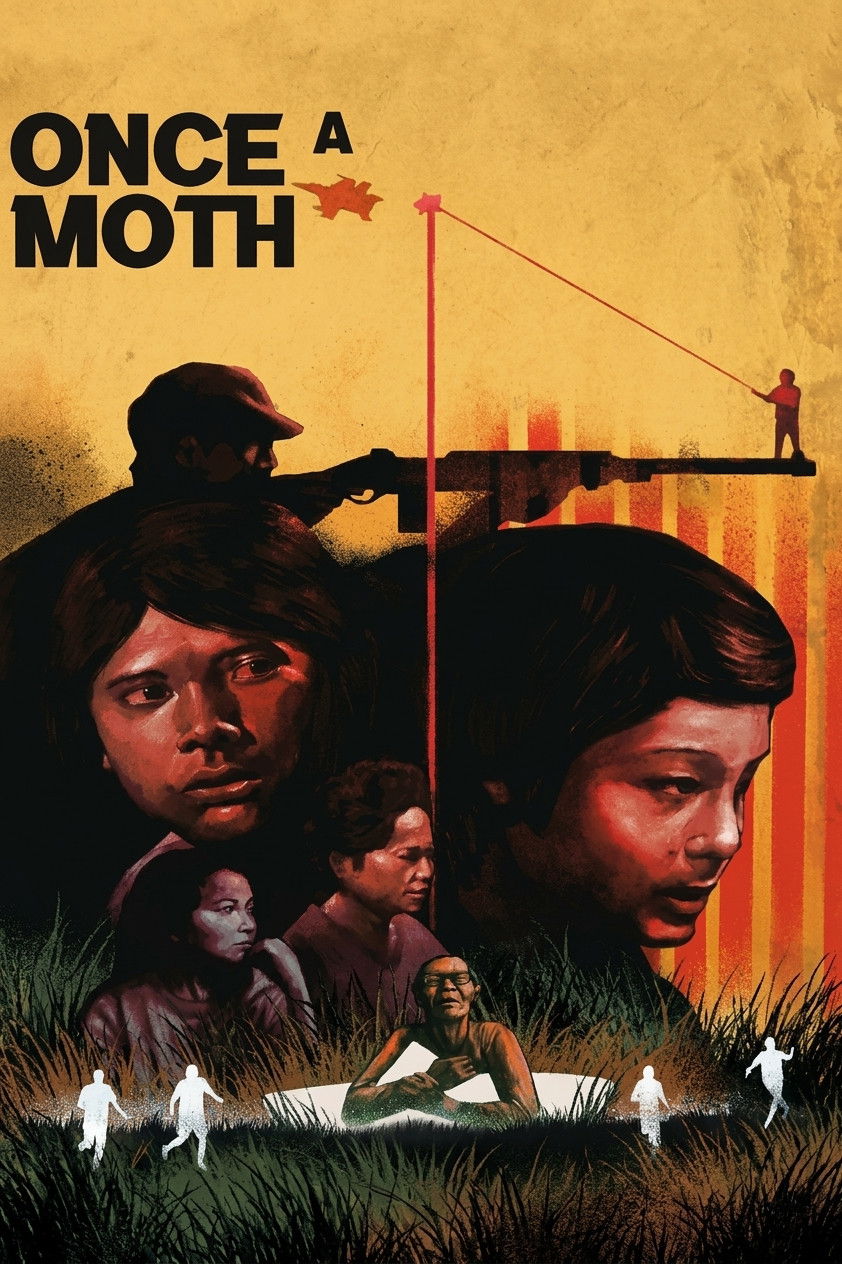
Other notable films include "Annie Batungbakal", "Once a Moth", and "Kisapmata".