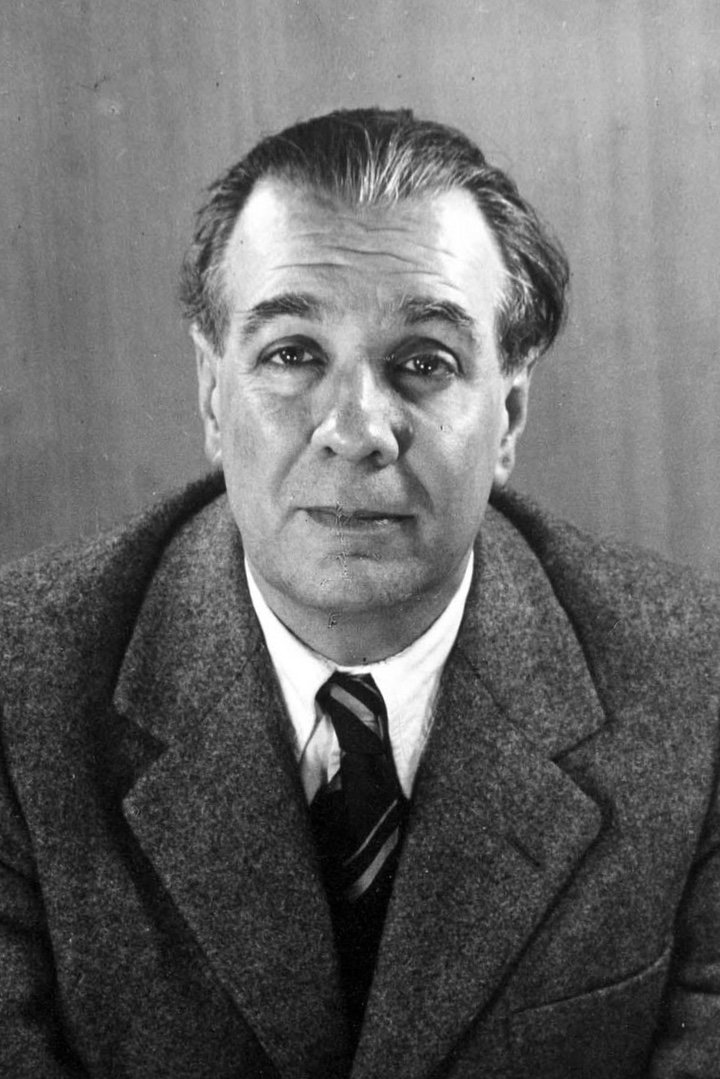
Jorge Luis Borges
WritingAbout Jorge Luis Borges
Jorge Francisco Isidoro Luis Borges Acevedo (24 August 1899 – 14 June 1986) was an Argentine short-story writer, essayist, poet and translator regarded as a key figure in Spanish-language and international literature. His best-known books, Ficciones (transl. Fictions) and El Aleph (transl. The Aleph), published in the 1940s, are collections of short stories exploring motifs such as dreams, labyrinths, chance, infinity, archives, mirrors, fictional writers and mythology. Borges's works have contributed to philosophical literature and the fantasy genre, and have had a major influence on the magic realist movement in 20th century Latin American literature. Born in Buenos Aires, Borges later moved with his family to Switzerland in 1914, where he studied at the Collège de Genève. The family travelled widely in Europe, including Spain. On his return to Argentina in 1921, Borges began publishing his poems and essays in surrealist literary journals. He also worked as a librarian and public lecturer. In 1955, he was appointed director of the National Public Library and professor of English Literature at the University of Buenos Aires. He became completely blind by the age of 55. Scholars have suggested that his progressive blindness helped him to create innovative literary symbols through imagination. By the 1960s, his work was translated and published widely in the United States and Europe. Borges himself was fluent in several languages. In 1961, he came to international attention when he received the first Formentor Prize, which he shared with Samuel Beckett. In 1971, he won the Jerusalem Prize. His international reputation was consolidated in the 1960s, aided by the growing number of English translations, the Latin American Boom, and by the success of García Márquez's One Hundred Years of Solitude. He dedicated his final work, The Conspirators, to the city of Geneva, Switzerland. Writer and essayist J. M. Coetzee said of him: "He, more than anyone, renovated the language of fiction and thus opened the way to a remarkable generation of Spanish-American novelists." Jorge Francisco Isidoro Luis Borges Acevedo was born into an educated middle-class family on 24 August 1899. They were in comfortable circumstances but not wealthy enough to live in downtown Buenos Aires so the family resided in Palermo, then a poorer neighbourhood. Borges's mother, Leonor Acevedo Suárez, came from a traditional Uruguayan family of criollo (Spanish) origin. Her family had been much involved in the European settling of South America and the Argentine War of Independence, and she spoke often of their heroic actions. His 1929 book Cuaderno San Martín includes the poem "Isidoro Acevedo", commemorating his grandfather, Isidoro de Acevedo Laprida, a soldier of the Buenos Aires Army. A descendant of the Argentine lawyer and politician Francisco Narciso de Laprida, Acevedo Laprida fought in the battles of Cepeda in 1859, Pavón in 1861, and Los Corrales in 1880. Acevedo Laprida died of pulmonary congestion in the house where his grandson Jorge Luis Borges was born. ... Source: Article "Jorge Luis Borges" from Wikipedia in English, licensed under CC-BY-SA 3.0.
Jorge Luis Borges Movies & Career Overview
The filmography of Jorge Luis Borges reflects a career marked by diverse experimentation. Across 11 major appearances, the actor has built a reputation through performances in multiple genres and storytelling styles.
Dominant Genre
A large portion of Jorge Luis Borges's work falls within the Documentary genre, where audiences tend to respond most strongly to their on-screen presence.
Success Ratio
Approximately 0% of Jorge Luis Borges's films maintain ratings above 6.5, indicating a consistent level of audience approval.
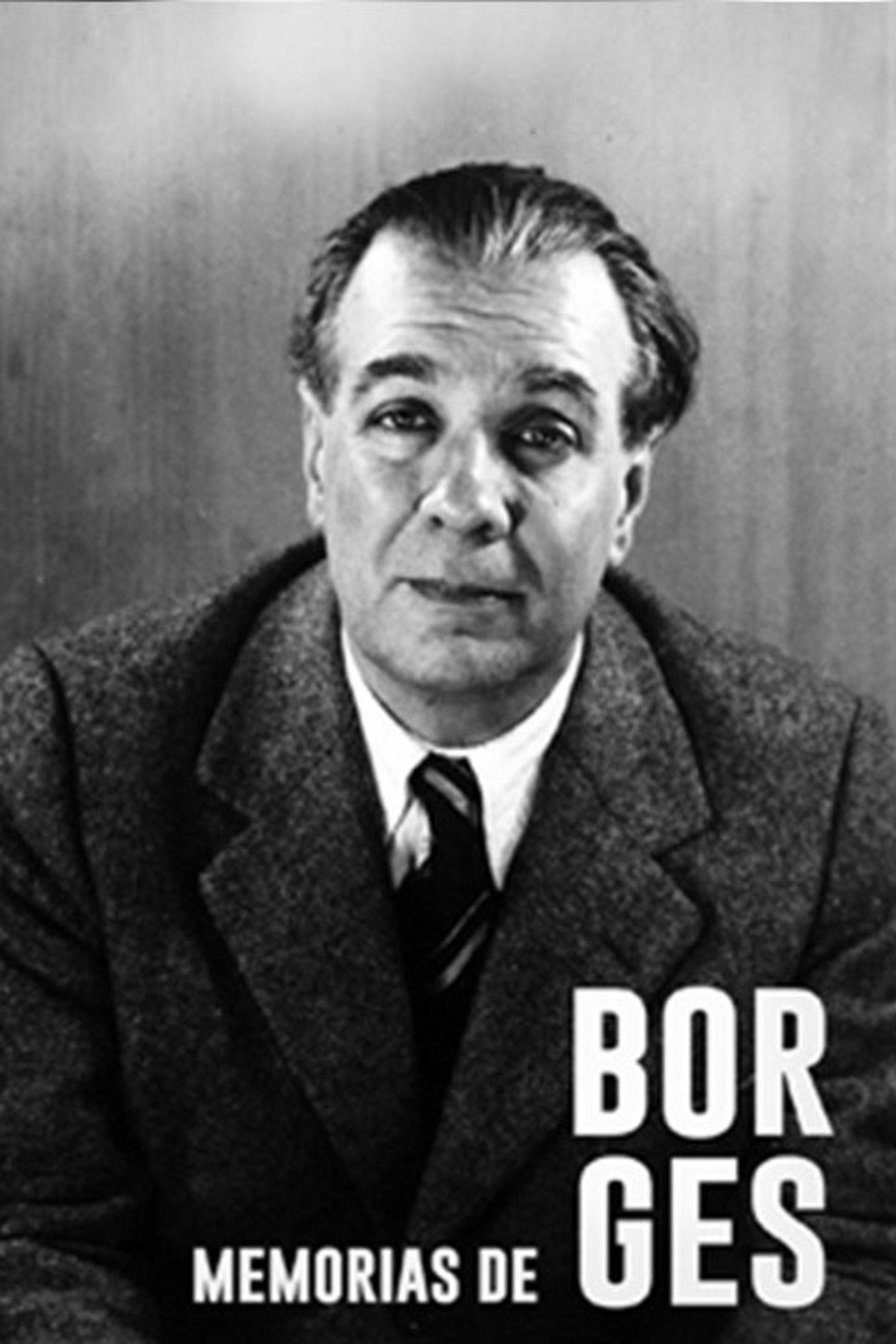
One of the most highly rated entries in their career remains Memorias de Borges, which stands out as a key performance.
Best Jorge Luis Borges Movies Ranked
Must-watch hits from Jorge Luis Borges's career based on audience ratings.

Full Filmography
Every movie Jorge Luis Borges has appeared in, with audience ratings and verdicts.
| Year | Movie | Character | Success | More |
|---|---|---|---|---|
| 2015 | Memorias de Borges | Self (Archive Footage) | Average | Similar → |
| 2000 | Harto the Borges | Self (archive footage) | Average | Similar → |
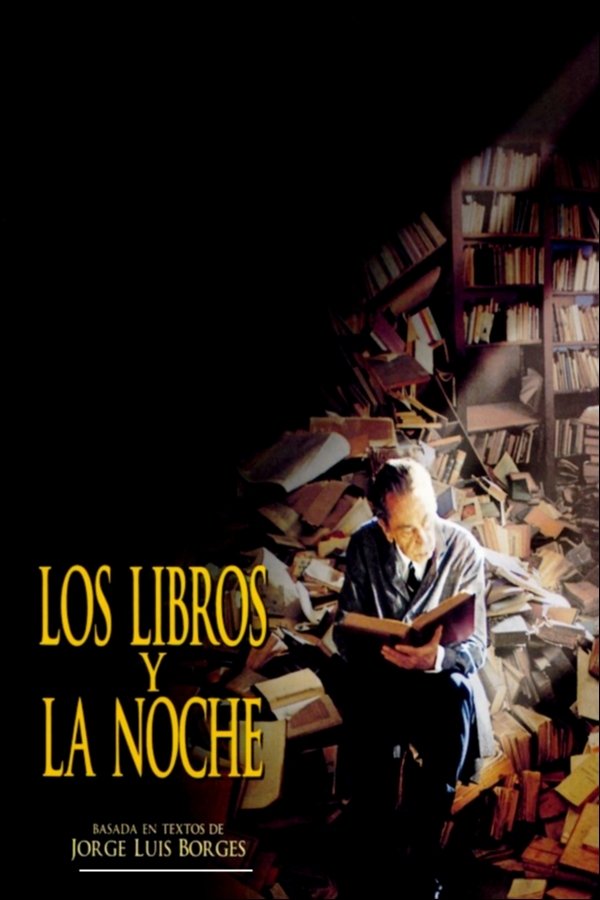
| 2000 | The Books and the Night | Himself (archive footage) | Average | Similar → |
| 1999 | Jorge Luis Borges, the Mirror Man | Himself (archive footage) | Flop | Similar → |
| 1999 | Soriano | - | Flop | Similar → |
| 1998 | Borges: A Life in Poetry | Self - Writer (archive footage) | Flop | Similar → |
| 1983 | Profile of a Writer: Borges | Himself | Flop | Similar → |
| 1978 | Borges para millones | Himself | Flop | Similar → |
| 1977 | Firing Line with William F. Buckley Jr.: Borges: South America's Titan | - | Flop | Similar → |
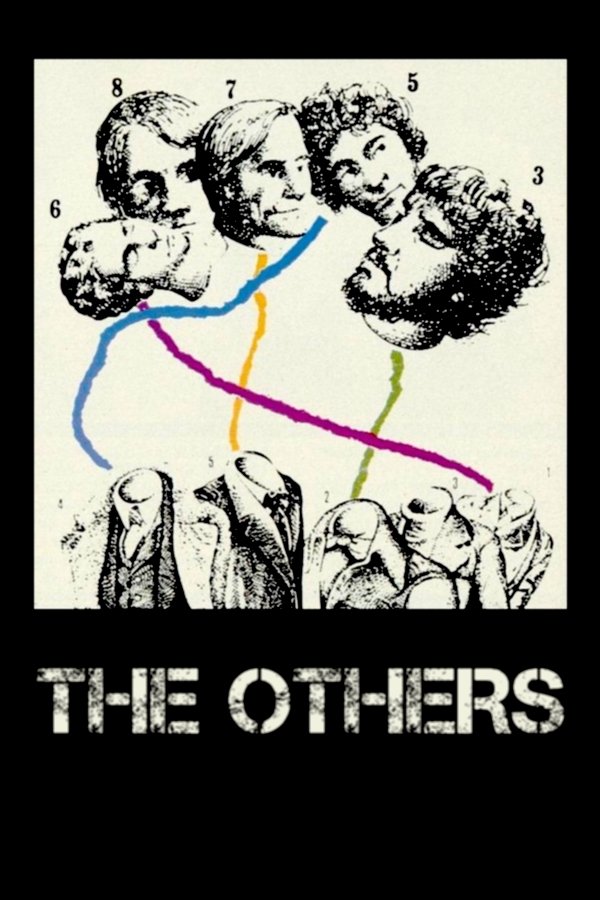
| 1975 | The Others | - | Average | Similar → |
| 1975 | Borges 75 | - | Flop | Similar → |
Jorge Luis Borges - Frequently Asked Questions
What is the best movie of Jorge Luis Borges?
According to audience ratings, the best movie starring Jorge Luis Borges is "Memorias de Borges" with a rating of 6.0/10.
How many movies has Jorge Luis Borges acted in?
Jorge Luis Borges has been featured in at least 11 major films throughout their career.
What are some other popular movies by Jorge Luis Borges?
Other notable films include "The Others", "Harto the Borges", and "The Books and the Night".