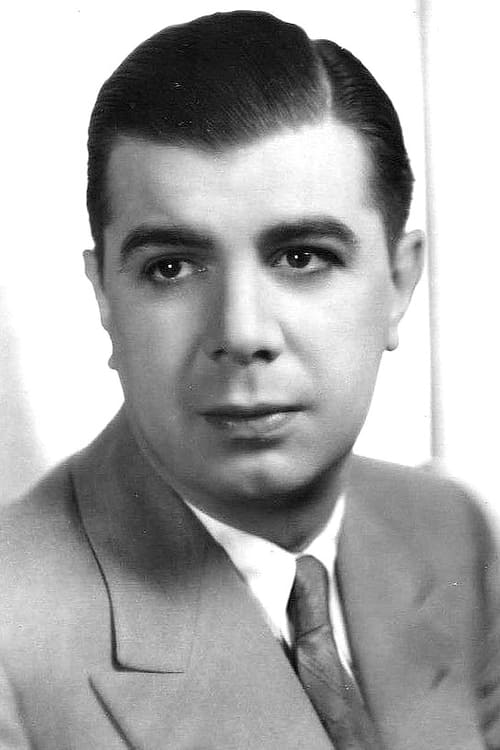
Ken Murray
ActingAbout Ken Murray
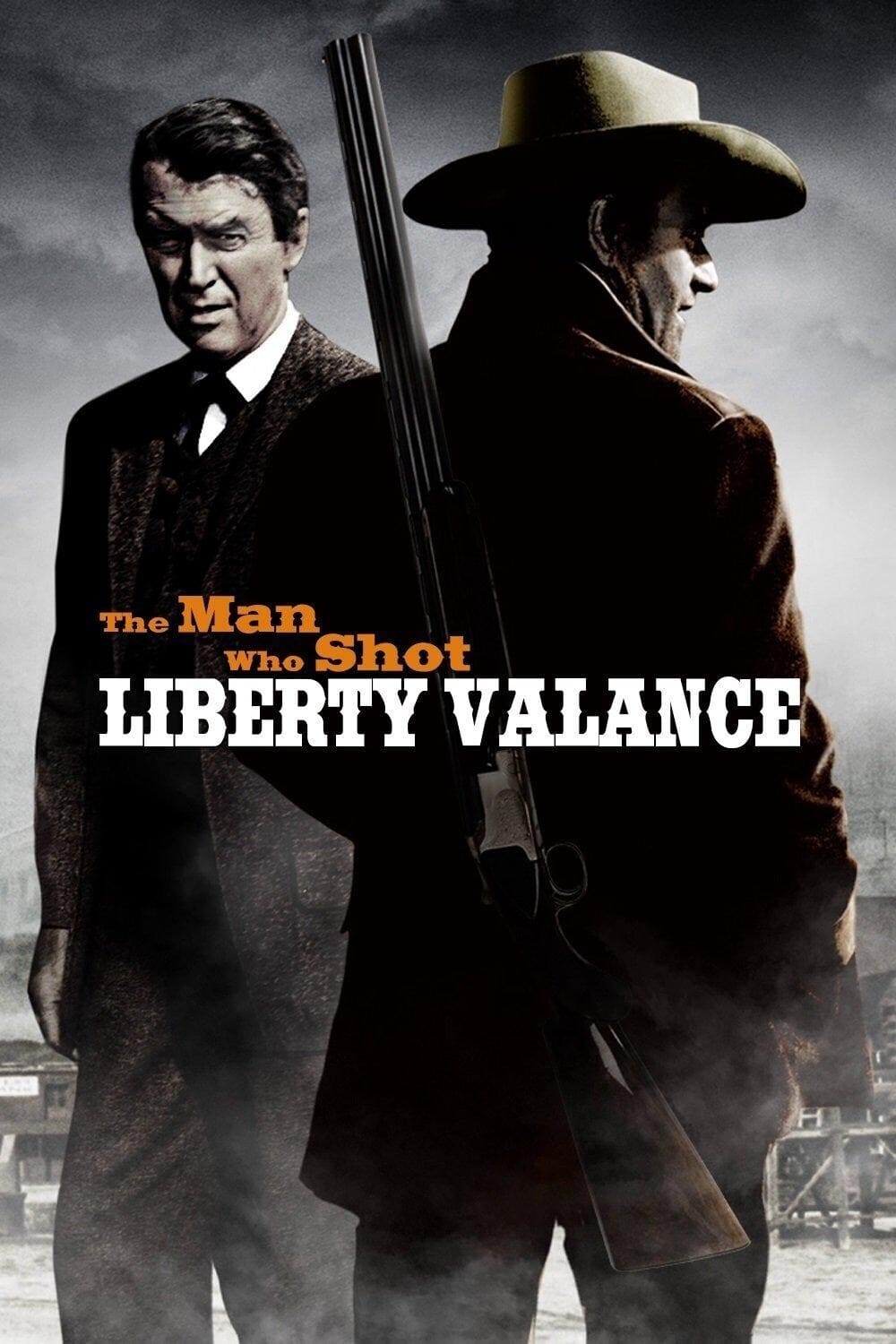
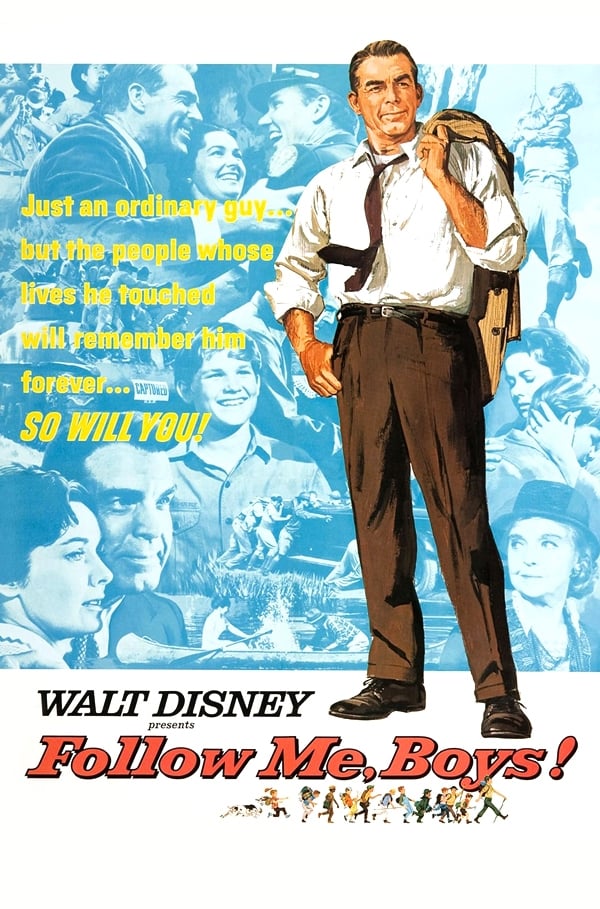
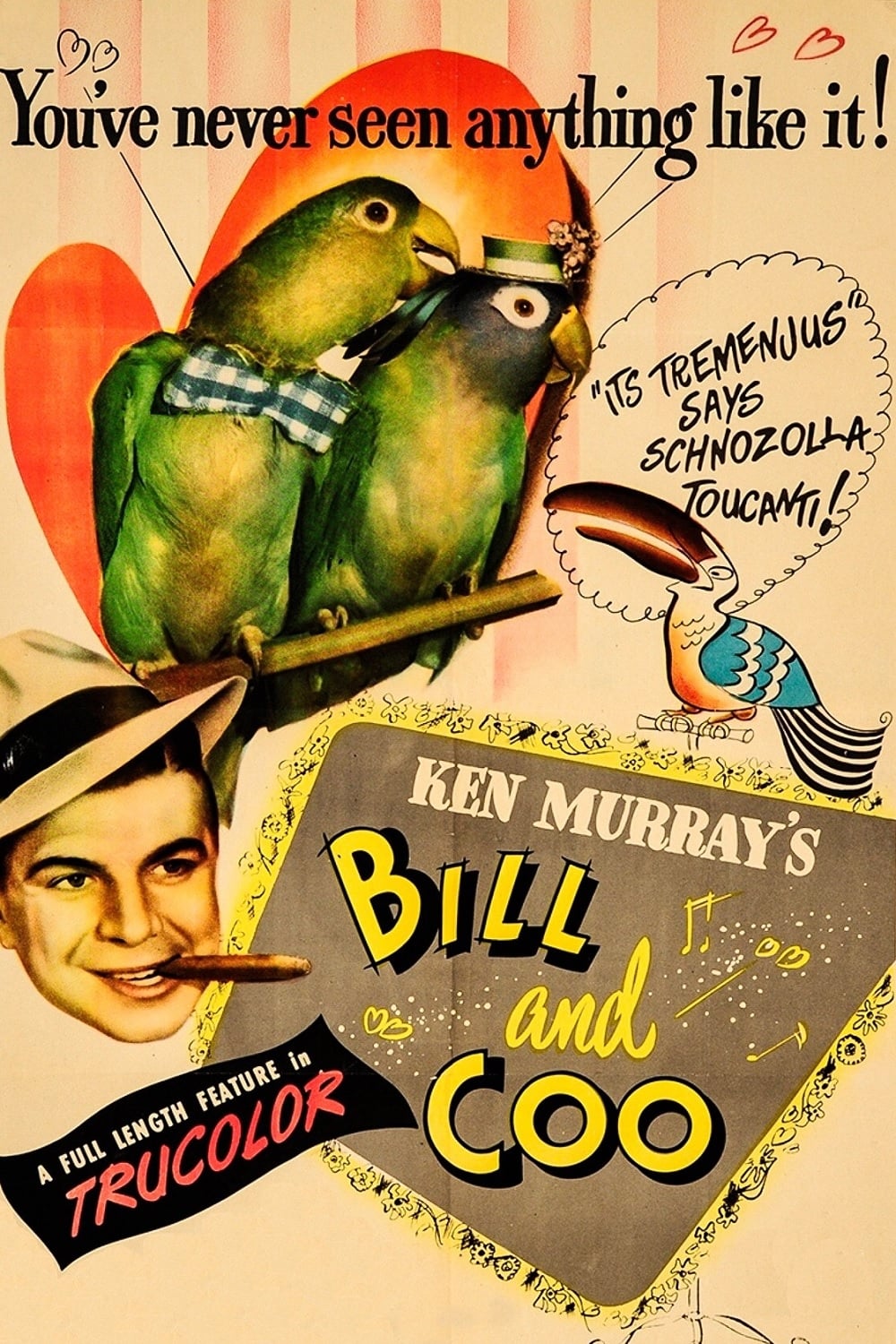
Ken Murray (born Kenneth Abner Doncourt, July 14, 1903 – October 12, 1988) was an American comedian, actor, radio and television personality and author. After finding success on the vaudeville stage, Murray moved to Hollywood and made his film debut in the 1929 romantic drama Half Marriage, followed by a role in Leathernecking in 1930. Murray was the host of a weekly radio variety show (The Ken Murray Show) on NBC 1932-33 and on CBS 1936–37. He later was the original host (1945-57) of Queen for a Day, on the Mutual Broadcasting System radio show, which was simulcast on KTSL (now KCBS-TV), Channel 2 in Los Angeles. During World War II, Murray was one of the many celebrities to volunteer at the Hollywood Canteen. In 1947, he produced Bill and Coo, a feature film using trained birds and other animals as actors. Bill and Coo won a special Academy Award for "novel and entertaining use of the medium of motion picture" and "artistry and patience" . He was also the host of The Ken Murray Show, a weekly music and comedy show on CBS Television that ran from 1950 to 1953. The show was the first to win a Freedom Foundation Award. Murray also guest starred on several television series, including The Ford Show, Starring Tennessee Ernie Ford and The Bing Crosby Show. Murray produced and co-starred as "Smiling Billy Murray" in a 1953 film, The Marshal's Daughter, a western that featured his protege Laurie Anders in the title role, her sole film performance. In 1962, Murray portrayed the top hat wearing, cigar chewing, drunken Doc Willoughby in John Ford's The Man Who Shot Liberty Valance starring John Wayne and James Stewart, arguably his most memorable screen role. Paired off for most of the picture with Edmond O'Brien as an alcoholic newspaper editor, he drunkenly rolls over the gunshot corpse of villain Liberty Valance (Lee Marvin) with his boot, looks around off-handedly, and says "Dead" to the surrounding crowd of euphoric Mexicans. In 1964, Murray played Whipsaw, the operator of a stagecoach depot in the episode "Little Cayuse" of the television series Death Valley Days, hosted by Stanley Andrews. He and his partner take in a Cayuse orphan (Larry Domasin), who demonstrates his loyalty to the men during an Indian attack. In 1965, Murray played a THRUSH financier and owner of a caribbean casino in The Man from U.N.C.L.E.. In 1966, Murray was cast as Melody Murphy in the Walt Disney film Follow Me, Boys! starring Fred MacMurray, Vera Miles and Kurt Russell.
Career Statistics & Market Influence
Analyzing the cinematic journey of Ken Murray reveals a career defined by diverse artistic exploration. With a total of 25 major appearances, the actor has established a significant footprint in global cinema.
Genre Dominance: Comedy
The majority of Ken Murray's filmography leans towards the Comedy genre. Audience data suggests that viewers respond most favorably to this persona, though their versatility has allowed for successful crossovers into other categories.
The "Box Office" Signature
With a 12% Success Ratio (movies rated above 6.5), Ken Murray remains a reliable draw for studios. Their peak performance was recorded in The Man Who Shot Liberty Valance, which continues to be the benchmark for their career rating-wise.
Best Ken Murray Movies Ranked
Must-watch hits from Ken Murray's career based on audience ratings.
Complete Filmography & Success Status
Tracking the career evolution and box office verdicts of Ken Murray.
Ken Murray - Frequently Asked Questions
What is the best movie of Ken Murray?
According to audience ratings, the best movie starring Ken Murray is "The Man Who Shot Liberty Valance" with a rating of 7.8/10.
How many movies has Ken Murray acted in?
Ken Murray has been featured in at least 25 major films throughout their career.
What are some other popular movies by Ken Murray?
Other notable films include "A Preferred List", "Follow Me, Boys!", and "Bill and Coo".