Kwame Nkrumah
ActingAbout Kwame Nkrumah
Francis Kwame Nkrumah (Nzema: [kʷame nkruma], 21 September 1909 — 27 April 1972) was a Ghanaian politician, political theorist, and revolutionary, who served as Prime Minister of the Gold Coast from 1952 until 1957, when it gained independence from Britain. He was then the first prime minister and then the president of Ghana, from 1957 until 1966. An influential advocate of Pan-Africanism, Nkrumah was a founding member of the Organization of African Unity (OAU) and winner of the Lenin Peace Prize from the Soviet Union in 1962. After twelve early years abroad pursuing higher education, developing his political philosophy, and organizing with other diasporic pan-Africanists, Nkrumah returned to the Gold Coast to begin his political career as an advocate of national independence. He formed the Convention People's Party, which achieved rapid success through its unprecedented appeal to the common voter. He became Prime Minister in 1952 and retained the position when he led Ghana to independence from Britain in 1957, a first in sub-Saharan Africa at the time. In 1960, Ghanaians approved a new constitution and elected Nkrumah as president. His administration was primarily socialist as well as nationalist. It funded national industrial and energy projects, developed a strong national education system and promoted a pan-Africanist culture.[6] Under Nkrumah, Ghana played a leading role in African international relations and the pan-africanist movement during Africa's decolonization period, supporting numerous liberation struggles. After multiple failed attempts on his life, coupled with increasingly difficult local economic conditions, Nkrumah's government became authoritarian in the 1960s, as he repressed political opposition and conducted elections that were neither free nor fair. In 1964, a constitutional amendment made Ghana a one-party state, with Nkrumah as president for life of both the nation and its party. He fostered a personality cult, forming ideological institutes and adopting the title of 'Osagyefo Dr.' Nkrumah was deposed in 1966 in a coup d'état by the National Liberation Council. Claims of CIA involvement in his overthrow have been verified. Nkrumah lived the rest of his life in Guinea, where he was named honorary co-president. In 1999, He was voted BBC African of the millennium.
Career Statistics & Market Influence
Analyzing the cinematic journey of Kwame Nkrumah reveals a career defined by diverse artistic exploration. With a total of 4 major appearances, the actor has established a significant footprint in global cinema.
Genre Dominance: Documentary
The majority of Kwame Nkrumah's filmography leans towards the Documentary genre. Audience data suggests that viewers respond most favorably to this persona, though their versatility has allowed for successful crossovers into other categories.
The "Box Office" Signature
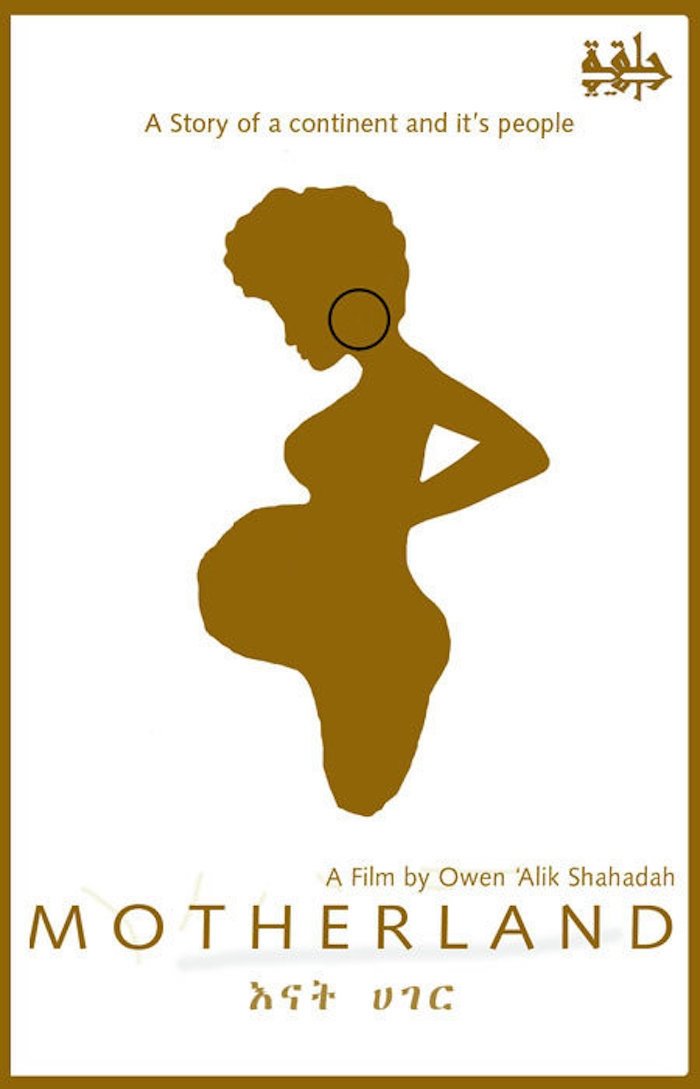
With a 50% Success Ratio (movies rated above 6.5), Kwame Nkrumah remains a reliable draw for studios. Their peak performance was recorded in Motherland, which continues to be the benchmark for their career rating-wise.
Best Kwame Nkrumah Movies Ranked
Must-watch hits from Kwame Nkrumah's career based on audience ratings.
Complete Filmography & Success Status
Tracking the career evolution and box office verdicts of Kwame Nkrumah.
| Year | Movie | Character | Success | More |
|---|---|---|---|---|
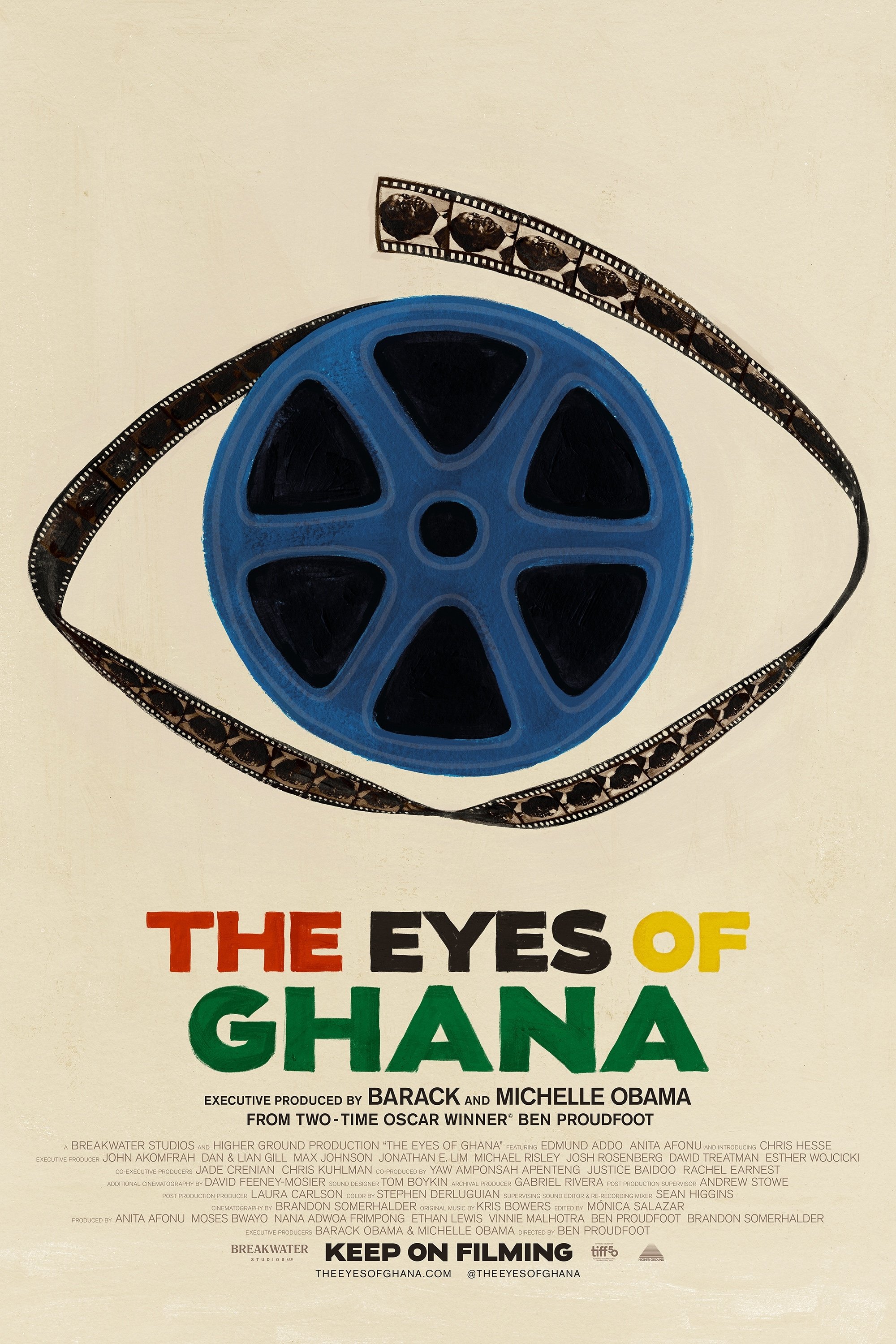
| 2025 | The Eyes of Ghana | Self (archive footage) | Flop | Similar → |
| 2019 | Africa Rising | Self - Politician (archive footage) | Super Hit | Similar → |
| 2010 | Motherland | Self (archive footage) | Super Hit | Similar → |
| 1964 | The Proud African | Self | Flop | Similar → |
Kwame Nkrumah - Frequently Asked Questions
What is the best movie of Kwame Nkrumah?
According to audience ratings, the best movie starring Kwame Nkrumah is "Motherland" with a rating of 8.0/10.
How many movies has Kwame Nkrumah acted in?
Kwame Nkrumah has been featured in at least 4 major films throughout their career.
What are some other popular movies by Kwame Nkrumah?
Other notable films include "Africa Rising", "The Proud African", and "The Eyes of Ghana".