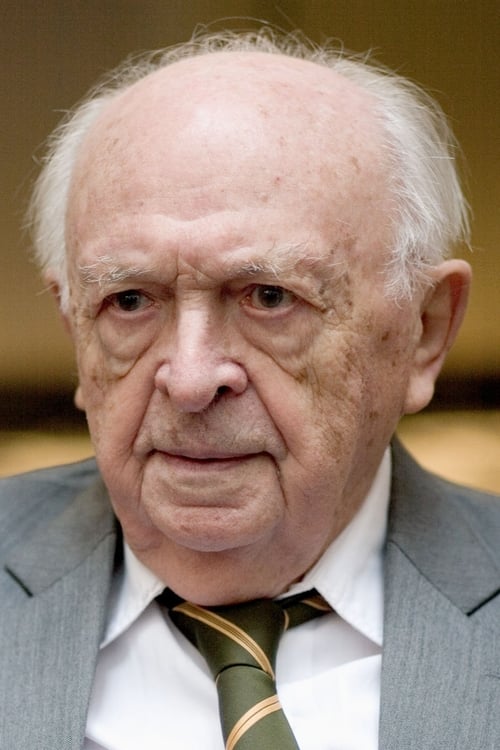
Otakar Vávra
DirectingAbout Otakar Vávra
Otakar Vávra (28 February 1911 – 15 September 2011) was a Czech film director, screenwriter and pedagogue. Vávra attended universities in Brno and Prague, where he studied architecture. During 1929–30, while still a student, he participated in the making of a handful of documentaries and wrote movie scripts. In 1931, he produced the experimental film Světlo proniká tmou. The first movie he directed was 1937's Panenství. His 1938 film The Merry Wives was praised in Variety for "first-rate direction, a salty yarn and elaborate production effort", even though it had undergone certain cuts because it was considered too "ribald" by American censors. Vávra was a member of the Communist Party from 1945 to 1989. After the Communists seized power in 1948, Vávra adapted quickly to the new political climate and produced films praising the current regime and supporting the new, official interpretation of the past. In the 1950s he filmed the "Hussite Trilogy", one of his most famous works, consisting of Jan Hus (1954), Jan Žižka (1955) and Against All (1957).[2] In the 1960s, Vávra made his most celebrated films Zlatá reneta (1965), Romance for Bugle (1966) and Witchhammer (1969). Romance for Bugle was entered into the 5th Moscow International Film Festival where it won the Special Silver Prize. In the 1970s Vávra produced his "War Trilogy" consisting of semi-documentary movies Dny zrady, Sokolovo and Osvobození Prahy, all being heavily influenced by communist propaganda. The film Dny zrady (Days of Betrayal, 1973) was entered into the 8th Moscow International Film Festival where it won a Diploma. In 1979 he was a member of the jury at the 11th Moscow International Film Festival. Since the 1950s Vávra taught film direction at Film and TV School of the Academy of Performing Arts in Prague. Among his students were several directors of the "Czech New Wave".
Career Statistics & Market Influence
Analyzing the cinematic journey of Otakar Vávra reveals a career defined by diverse artistic exploration. With a total of 6 major appearances, the actor has established a significant footprint in global cinema.
Genre Dominance: Documentary
The majority of Otakar Vávra's filmography leans towards the Documentary genre. Audience data suggests that viewers respond most favorably to this persona, though their versatility has allowed for successful crossovers into other categories.
The "Box Office" Signature
With a 17% Success Ratio (movies rated above 6.5), Otakar Vávra remains a reliable draw for studios. Their peak performance was recorded in CzechMate: In Search of Jiří Menzel, which continues to be the benchmark for their career rating-wise.
Best Otakar Vávra Movies Ranked
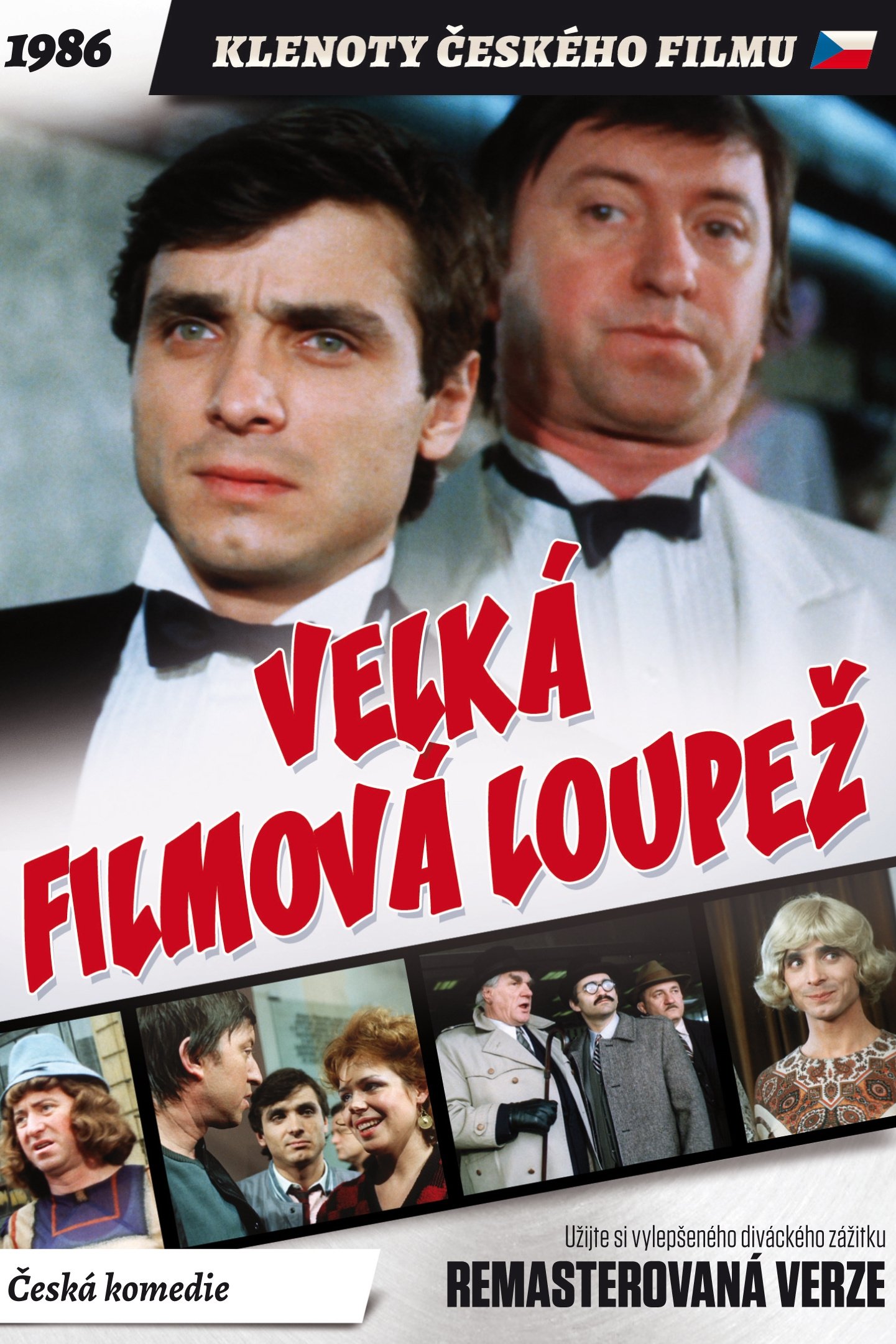
Must-watch hits from Otakar Vávra's career based on audience ratings.

Complete Filmography & Success Status
Tracking the career evolution and box office verdicts of Otakar Vávra.
| Year | Movie | Character | Success | More |
|---|---|---|---|---|
| 2018 | CzechMate: In Search of Jiří Menzel | Self | Hit | Similar → |
| 2005 | Searching for Ester | Himself | Flop | Similar → |
| 2002 | Moje Praha | Self | Flop | Similar → |
| 1987 | The Great Movie Robbery | - | Average | Similar → |
| 1985 | Barrandovské nokturno aneb Jak film tančil a zpíval | Self - Audience Member | Flop | Similar → |
| 1958 | A Box of Film | Self | Flop | Similar → |
Otakar Vávra - Frequently Asked Questions
What is the best movie of Otakar Vávra?
According to audience ratings, the best movie starring Otakar Vávra is "CzechMate: In Search of Jiří Menzel" with a rating of 6.5/10.
How many movies has Otakar Vávra acted in?
Otakar Vávra has been featured in at least 6 major films throughout their career.
What are some other popular movies by Otakar Vávra?
Other notable films include "The Great Movie Robbery", "A Box of Film", and "Moje Praha".