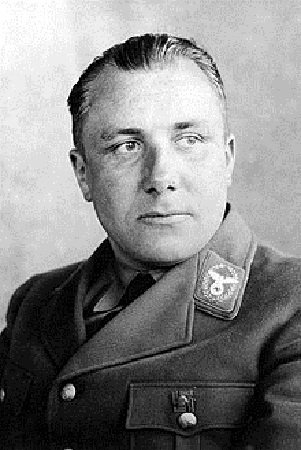
Martin Bormann
ActingAbout Martin Bormann
Martin Ludwig Bormann (17 June 1900 – 2 May 1945) was a German Nazi Party official and head of the Nazi Party Chancellery, private secretary to Adolf Hitler, and a war criminal. Bormann gained immense power by using his position as Hitler's private secretary to control the flow of information and access to Hitler. He used his position to create an extensive bureaucracy and involve himself as much as possible in the decision-making. Bormann joined a paramilitary Freikorps organisation in 1922 while working as manager of a large estate. He served nearly a year in prison as an accomplice to his friend Rudolf Höss (later commandant of Auschwitz concentration camp) in the murder of Walther Kadow. Bormann joined the Nazi Party in 1927 and the Schutzstaffel (SS) in 1937. He initially worked in the party's insurance service, and transferred in July 1933 to the office of Deputy Führer Rudolf Hess, where he served as chief of staff. Bormann gained acceptance into Hitler's inner circle and accompanied him everywhere, providing briefings and summaries of events and requests. He was appointed as Hitler's personal secretary on 12 April 1943. After Hess's solo flight to Britain on 10 May 1941 to seek peace negotiations with the British government, Bormann assumed Hess's former duties, with the title of Head of the Parteikanzlei (Party Chancellery). He had final approval over civil service appointments, and helped review and approve legislation. He was a leading proponent of reducing the influence of Christian churches and favoured harsh treatment of Jews and Slavs in the areas conquered by Germany during World War II. Bormann returned with Hitler to the Führerbunker in Berlin on 16 January 1945 as the Red Army approached the city. After Hitler committed suicide, Bormann and others attempted to flee Berlin on 2 May to avoid capture by the Soviets. Bormann probably committed suicide on a bridge near Lehrter station. His body was buried nearby on 8 May 1945, but was not found and confirmed as Bormann's until 1973; the identification was reaffirmed in 1998 by DNA tests. The missing Bormann was tried in absentia by the International Military Tribunal in the Nuremberg trials of 1945 and 1946. He was convicted of war crimes and crimes against humanity and sentenced to death by hanging. Description above from the Wikipedia article Martin Bormann, licensed under CC-BY-SA, full list of contributors on Wikipedia.
Martin Bormann Movies & Career Overview
The filmography of Martin Bormann reflects a strong mix of popular and critically appreciated roles. Across 3 major appearances, the actor has built a reputation through performances in multiple genres and storytelling styles.
Dominant Genre
A large portion of Martin Bormann's work falls within the Documentary genre, where audiences tend to respond most strongly to their on-screen presence.
Success Ratio
Approximately 67% of Martin Bormann's films maintain ratings above 6.5, indicating a consistent level of audience approval.
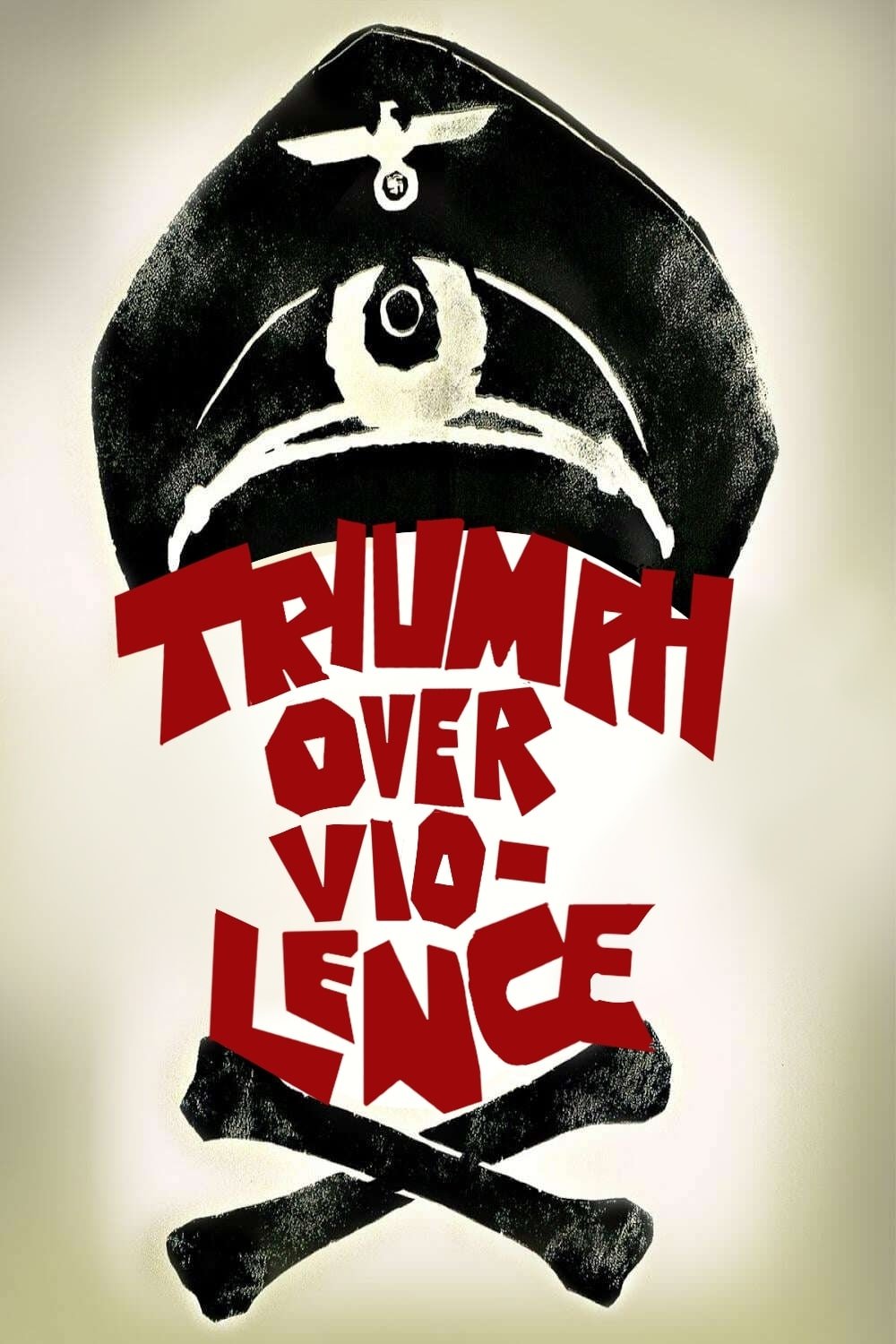
One of the most highly rated entries in their career remains Triumph Over Violence, which stands out as a key performance.
Best Martin Bormann Movies Ranked
Must-watch hits from Martin Bormann's career based on audience ratings.
Full Filmography
Every movie Martin Bormann has appeared in, with audience ratings and verdicts.
| Year | Movie | Character | Success | More |
|---|---|---|---|---|
| 1965 | Triumph Over Violence | Self (archive footage) | Hit | Similar → |
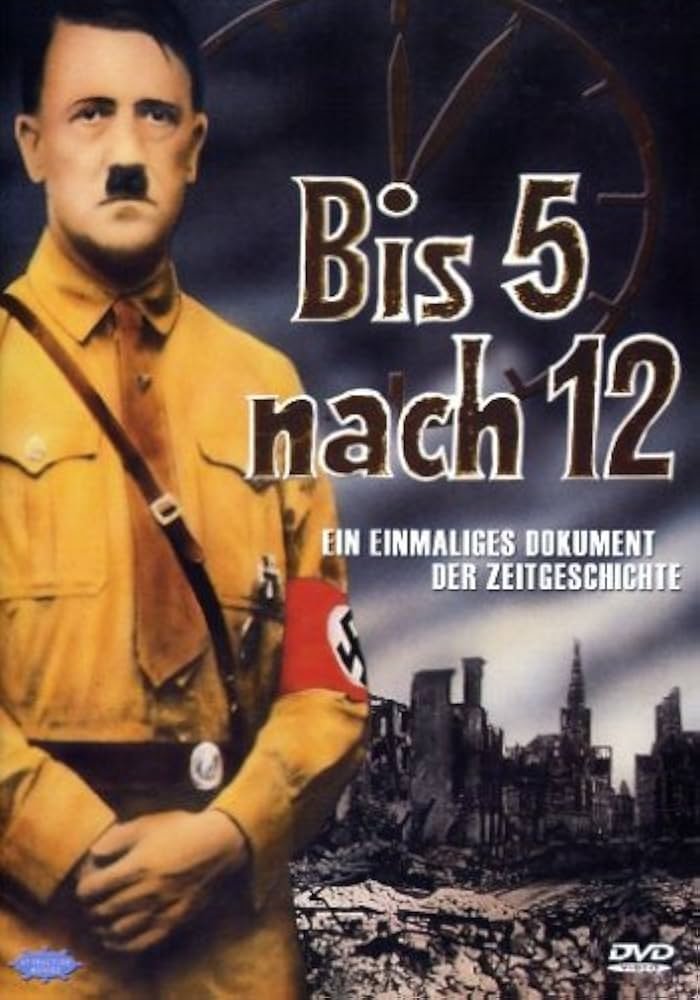
| 1953 | Adolf Hitler - Ein Volk, ein Reich, ein Führer: Dokumente der Zeitgeschichte | Self (archive footage) | Flop | Similar → |
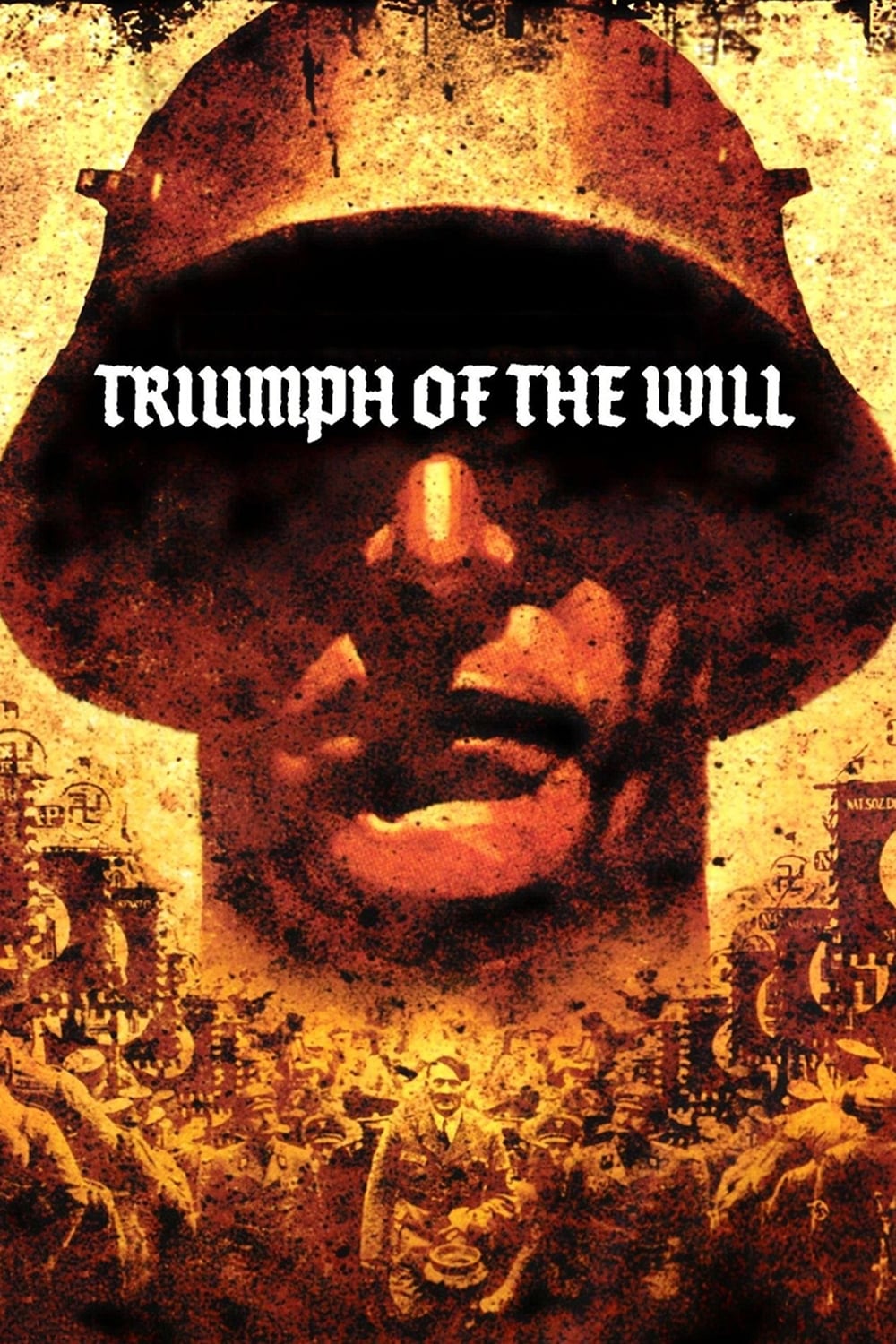
| 1935 | Triumph of the Will | Self | Hit | Similar → |
Martin Bormann - Frequently Asked Questions
What is the best movie of Martin Bormann?
According to audience ratings, the best movie starring Martin Bormann is "Triumph Over Violence" with a rating of 7.4/10.
How many movies has Martin Bormann acted in?
Martin Bormann has been featured in at least 3 major films throughout their career.