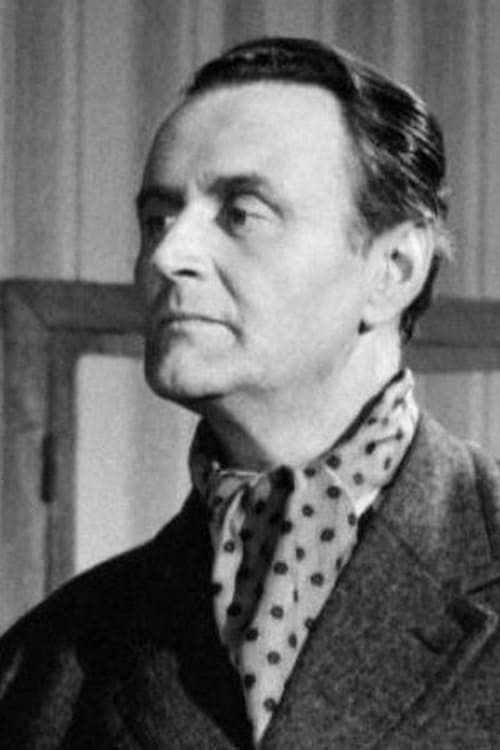
Harald Wolff
ActingAbout Harald Wolff
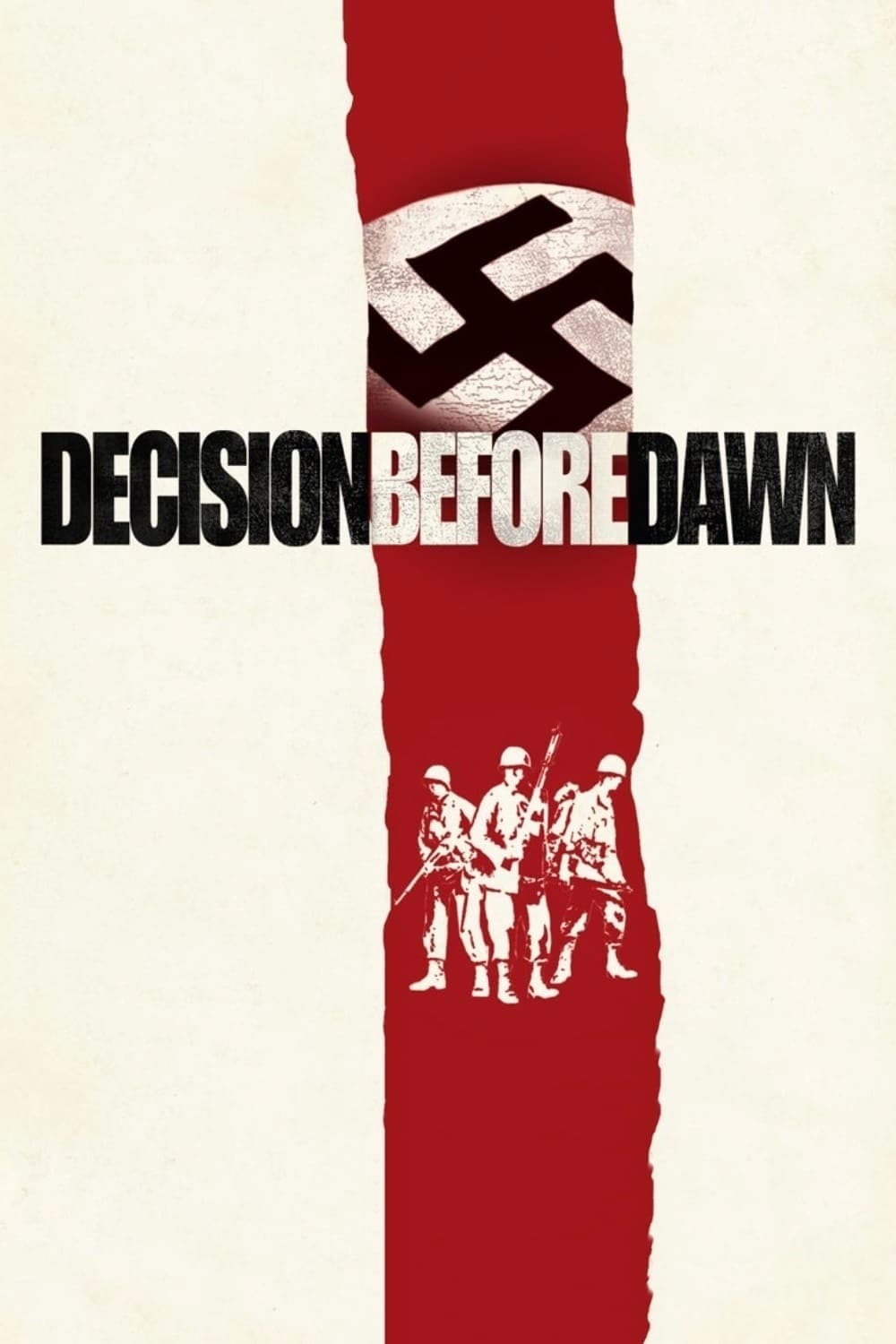
Harald Otto Walther Wolff (11 January 1909 – June 1977) was a German stage, film and television actor. Harald Wolff, born in Barmen in 1909, first completed an apprenticeship as a businessman after graduating from high school before switching to acting. Wolff played his first film role in 1939 in Helmut Käutner 's comedy Kitty and the World Conference. After World War II, in addition to appearances in German films, he also took part in various international film productions, including the 1951 American war drama Decision Before Dawn by director Anatole Litvak; 1956 in the French comedy film Two Men, a Pig, and the Night of Paris by Claude Autant-Lara; 1957 in Maurice Labro s literary adaptation Spione alongside Henri Vidal, Barbara Laage or Lino Ventura and in 1964 in Jacques Demy's musical The Umbrellas of Cherbourg. In 1972, he acted in Costa-Gavras political thriller The Invisible Uprising. In addition, Wolff, as a voice actor, has lent his voice to many internationally known fellow actors over the decades. In the 1960s, he dubbed Desmond Llewelyn as Q in the James Bond films Goldfinger and Thunderball. He also dubbed Charles Boyer in the 1967 Bond parody Casino Royale. Vincent Price in Cry of the Banshee and Claude Rains in The Adventures of Robin Hood were dubbed by Wolff. Source: Article "Harald Wolff" from Wikipedia in English, licensed under CC-BY-SA 3.0.
Career Statistics & Market Influence
Analyzing the cinematic journey of Harald Wolff reveals a career defined by diverse artistic exploration. With a total of 12 major appearances, the actor has established a significant footprint in global cinema.
Genre Dominance: Drama
The majority of Harald Wolff's filmography leans towards the Drama genre. Audience data suggests that viewers respond most favorably to this persona, though their versatility has allowed for successful crossovers into other categories.
The "Box Office" Signature
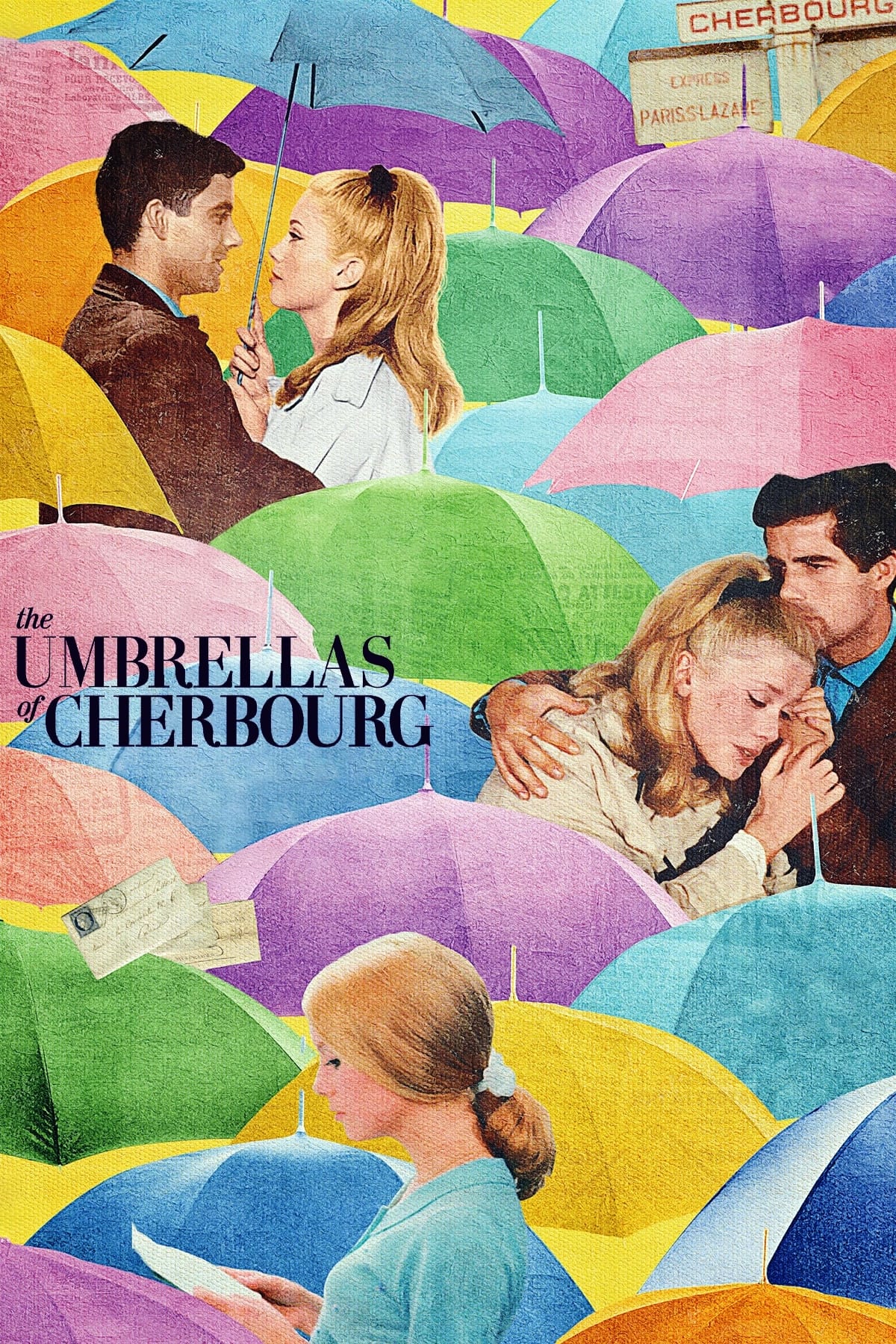
With a 33% Success Ratio (movies rated above 6.5), Harald Wolff remains a reliable draw for studios. Their peak performance was recorded in The Umbrellas of Cherbourg, which continues to be the benchmark for their career rating-wise.
Best Harald Wolff Movies Ranked
Must-watch hits from Harald Wolff's career based on audience ratings.
Complete Filmography & Success Status
Tracking the career evolution and box office verdicts of Harald Wolff.
| Year | Movie | Character | Success | More |
|---|---|---|---|---|
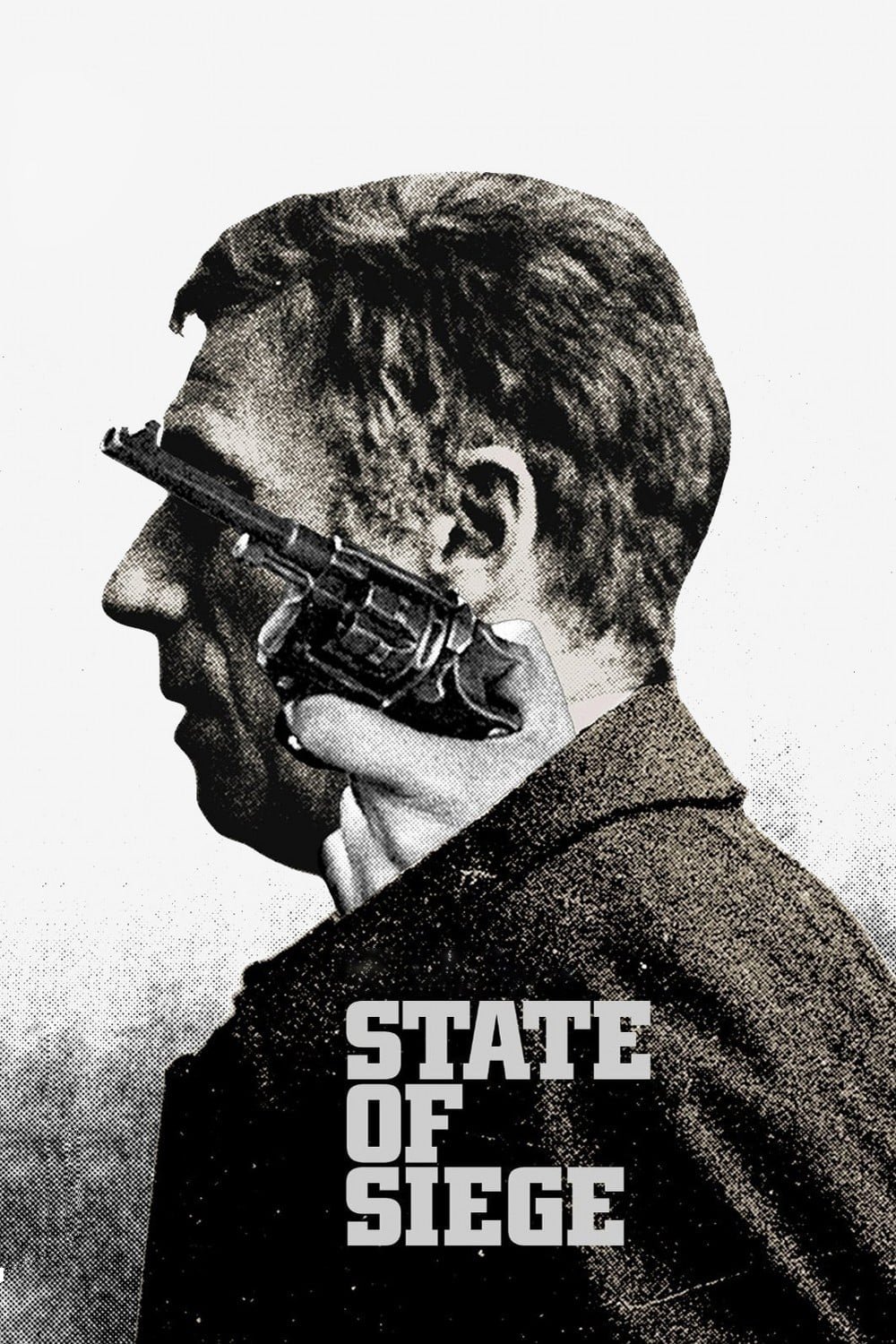
| 1972 | State of Siege | Minister of Foreign Affairs | Hit | Similar → |
| 1966 | Johnny Colt | Thomas King | Average | Similar → |
| 1964 | The Umbrellas of Cherbourg | Monsieur Dubourg | Hit | Similar → |
| 1962 | Bells Without Joy | Commander von Ulbricht | Flop | Similar → |
| 1961 | Sahara on Fire | Peter | Flop | Similar → |
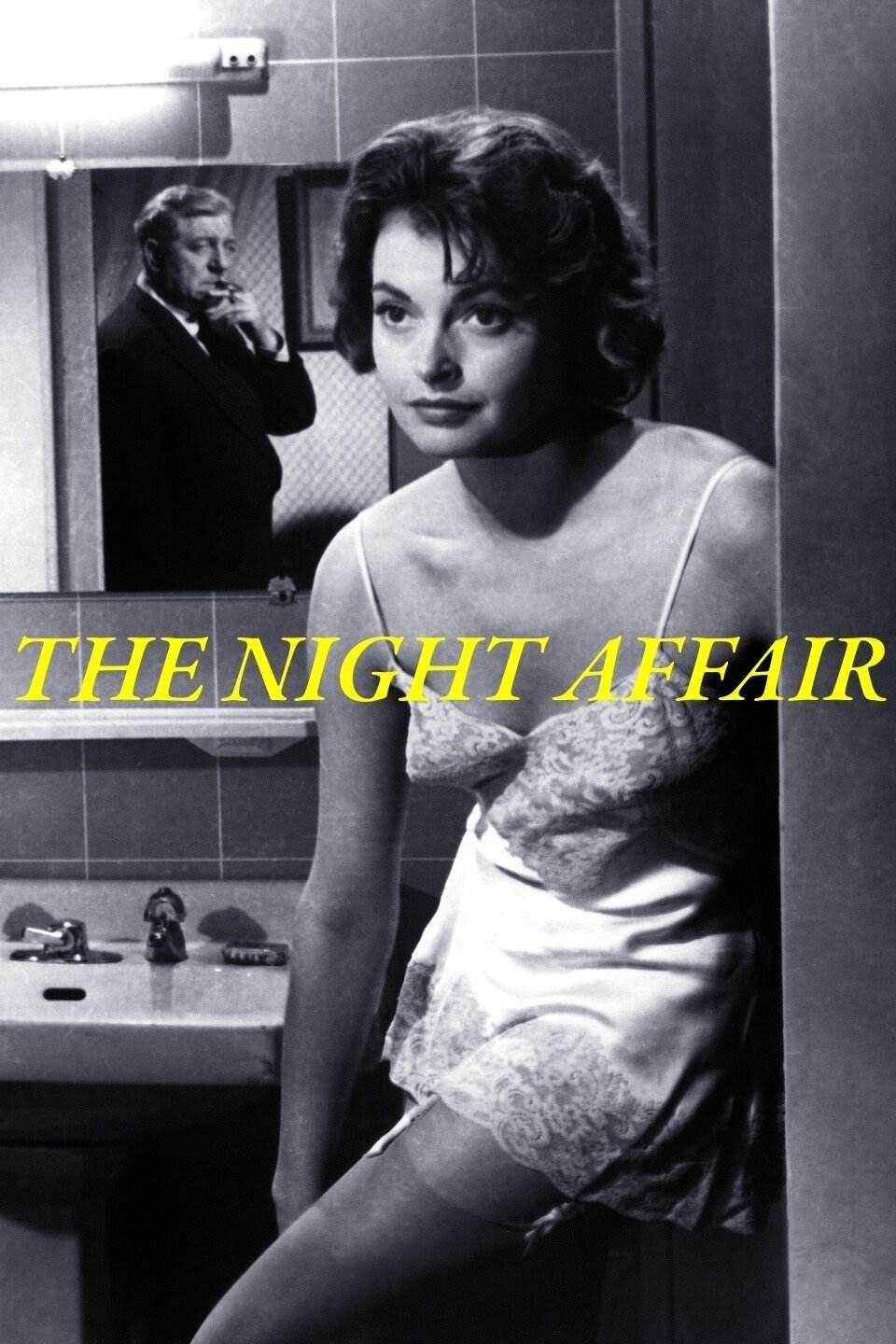
| 1958 | The Night Affair | Lucky's Father | Average | Similar → |
| 1958 | The Cat | Colonel Richting | Average | Similar → |
| 1957 | To Catch a Spy | Lindbaum | Flop | Similar → |
| 1956 | La Traversée de Paris | German Commander (uncredited) | Hit | Similar → |
| 1953 | Geheimakten Solvay | von Kreß | Flop | Similar → |
| 1951 | Decision Before Dawn | Hartmann (uncredited) | Hit | Similar → |
| 1939 | Kitty and the World Conference | Sekretär der englischen Delegation Collins | Flop | Similar → |
Harald Wolff - Frequently Asked Questions
What is the best movie of Harald Wolff?
According to audience ratings, the best movie starring Harald Wolff is "The Umbrellas of Cherbourg" with a rating of 7.4/10.
How many movies has Harald Wolff acted in?
Harald Wolff has been featured in at least 12 major films throughout their career.
What are some other popular movies by Harald Wolff?
Other notable films include "La Traversée de Paris", "State of Siege", and "Decision Before Dawn".