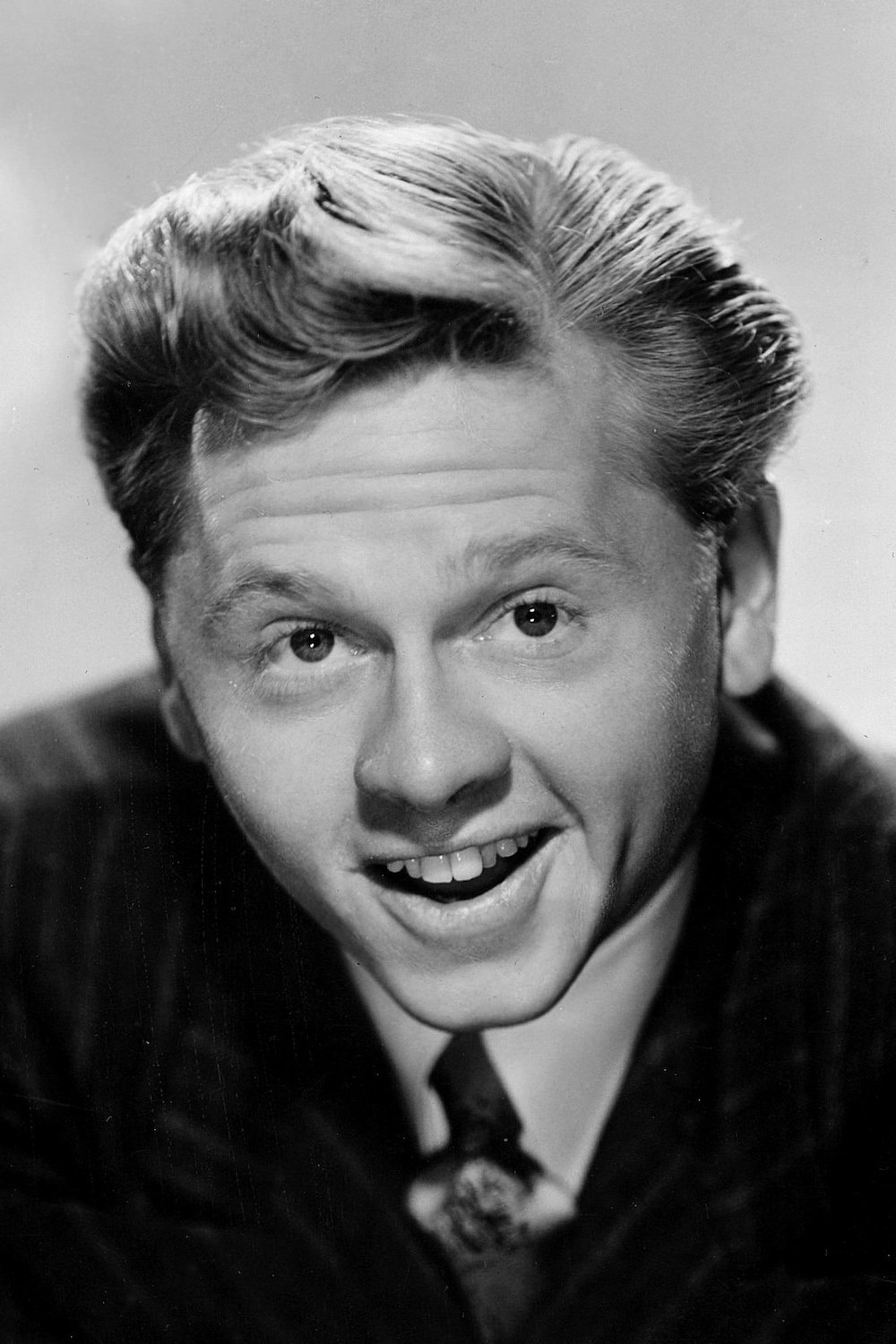
Mickey Rooney
ActingAbout Mickey Rooney
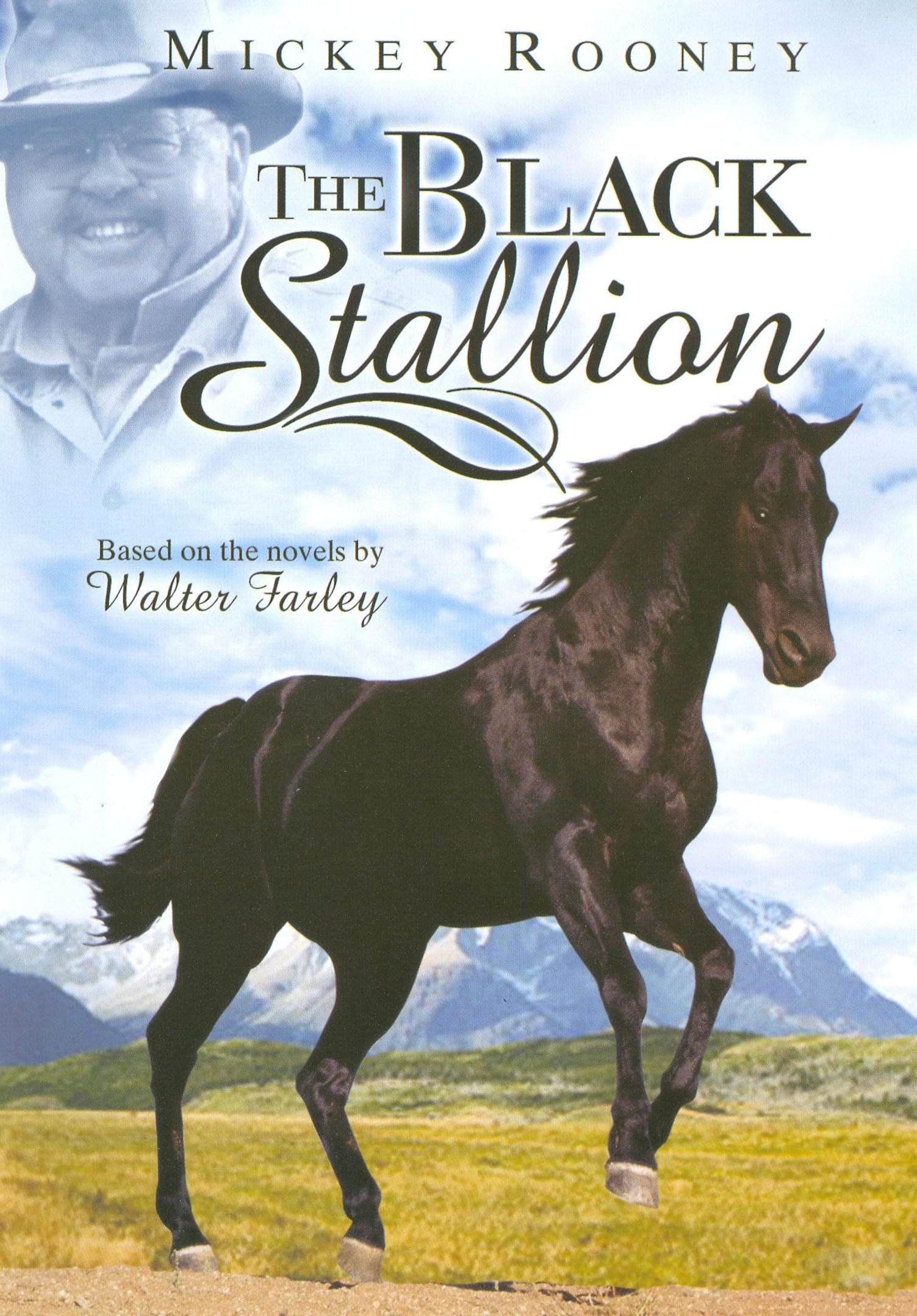
From Wikipedia, the free encyclopedia Mickey Rooney (born Joseph Yule Jr.; September 23, 1920 – April 6, 2014) was an American actor, vaudevillian, comedian, producer, and radio personality. In a career spanning nine decades and continuing until shortly before his death, he appeared in more than 300 films and was among the last surviving stars of the silent film era. At the height of a career that was marked by declines and comebacks, Rooney performed the role of Andy Hardy in a series of 16 films in the 1930s and 1940s that epitomized American family values. A versatile performer, he became a celebrated character actor later in his career. Laurence Olivier once said he considered Rooney "the best there has ever been". Clarence Brown, who directed him in two of his earliest dramatic roles, National Velvet and The Human Comedy, said he was "the closest thing to a genius I ever worked with". Rooney first performed in vaudeville as a child and made his film debut at the age of six. At 14, he played Puck in the play and later the 1935 film adaptation of A Midsummer Night's Dream. Critic David Thomson hailed his performance as "one of the cinema's most arresting pieces of magic". In 1938, he co-starred in Boys Town. At 19, he was the first teenager to be nominated for an Oscar for his leading role in Babes in Arms, and he was awarded a special Academy Juvenile Award in 1939. At the peak of his career between the ages of 15 and 25, he made 43 films, which made him one of Metro-Goldwyn-Mayer's most consistently successful actors and a favorite of MGM studio head Louis B. Mayer. Rooney was the top box-office attraction from 1939 to 1941 and one of the best-paid actors of that era, but his career would never again rise to such heights. Drafted into the Army during World War II, he served nearly two years entertaining over two million troops on stage and radio and was awarded a Bronze Star for performing in combat zones. Returning from the war in 1945, he was too old for juvenile roles but too short to be an adult movie star, and was unable to get as many starring roles. Nevertheless, Rooney's popularity was renewed with well-received supporting roles in films such as Breakfast at Tiffany's (1961), Requiem for a Heavyweight (1962), It's a Mad, Mad, Mad, Mad World (1963), and The Black Stallion (1979). In the early 1980s, he returned to Broadway in Sugar Babies and again became a celebrated star. Rooney made hundreds of appearances on TV, including dramas, variety programs, and talk shows, and won an Emmy in 1982 plus a Golden Globe for his role in Bill (1981).
Mickey Rooney Movies & Career Overview
The filmography of Mickey Rooney reflects exceptional commercial consistency. Across 50 major appearances, the actor has built a reputation through performances in multiple genres and storytelling styles.
Dominant Genre
A large portion of Mickey Rooney's work falls within the Documentary genre, where audiences tend to respond most strongly to their on-screen presence.
Success Ratio
Approximately 100% of Mickey Rooney's films maintain ratings above 6.5, indicating a consistent level of audience approval.
One of the most highly rated entries in their career remains Marilyn and I, which stands out as a key performance.
Best Mickey Rooney Movies Ranked
Must-watch hits from Mickey Rooney's career based on audience ratings.
Full Filmography
Every movie Mickey Rooney has appeared in, with audience ratings and verdicts.
Mickey Rooney - Frequently Asked Questions
What is the best movie of Mickey Rooney?
According to audience ratings, the best movie starring Mickey Rooney is "Marilyn and I" with a rating of 10.0/10.
How many movies has Mickey Rooney acted in?
Mickey Rooney has been featured in at least 50 major films throughout their career.
What are some other popular movies by Mickey Rooney?
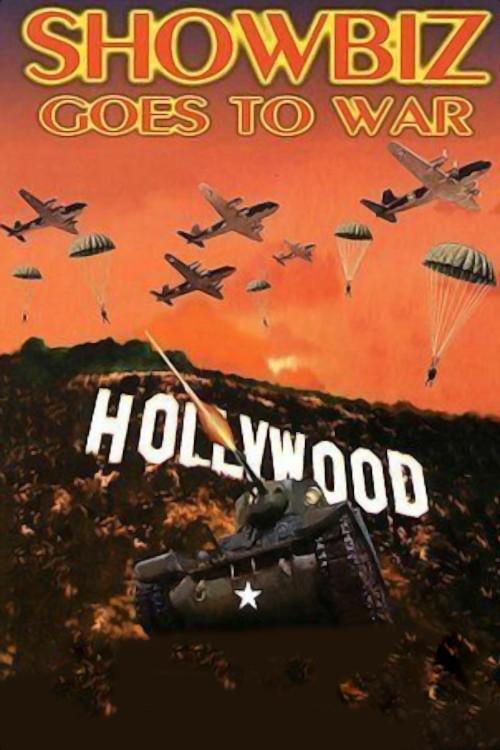
Other notable films include "Showbiz Goes to War", "Internet Love", and "Adventures of the Black Stallion".