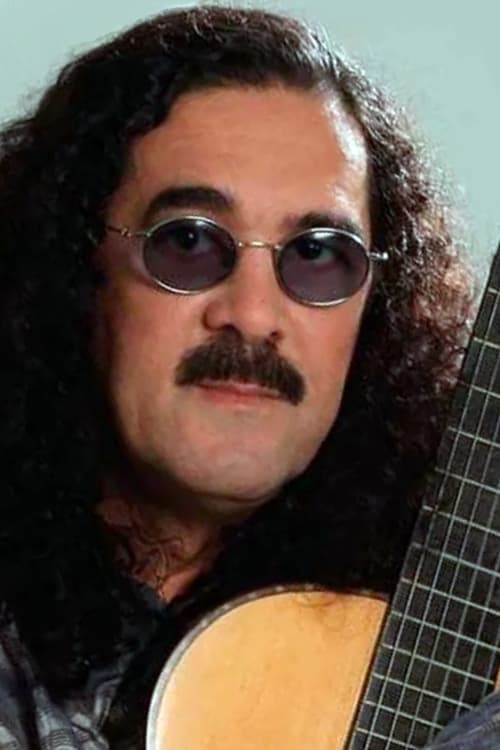
Moraes Moreira
ActingAbout Moraes Moreira
Antônio Carlos Moreira Pires (July 8, 1947 – April 13, 2020), better known as Moraes Moreira, was a Brazilian musician and songwriter. During the 1970s he played guitar and sang in the band Novos Baianos, after which he embarked on a solo career recording 29 albums. Moreira was involved in recording 40 full-length albums with Novos Baianos and Trio Elétrico Dodô e Osmar, and two more albums with guitarist Pepeu Gomes. Moreira was one of the most versatile composers of Brazil, mixing the genres of rock, samba, choro, frevo, baião, and classical. Moreira began playing the accordion in festivals at São João and other events in Ituaçu, Brazil such as "Portal da Chapada Diamantina". In his youth he learned to play the classical guitar while taking a science class in Caculé, Bahia, Brazil. He moved to Salvador and there met Tom Zé, and was also introduced to rock music. On meeting Baby Consuelo, Pepeu Gomes, Paulinho Boca de Cantor, and Luiz Galvão, they formed the band Novos Baianos, and were active from 1969 until 1975. Together with Pepeu Gomes, he composed almost all of the songs of the group. The album Acabou Chorare, released by the band in 1972, has been ranked by Rolling Stone Brasil as the greatest Brazilian music album of all time. Moraes began his solo career in 1975, and has since then recorded more than 20 albums. In his solo career, he was the lead singer in the trio Trio de Dodô e Osmar, and recorded many popular songs associated with Brazilian Carnival, in what was conventionally called "frevo trieletrizado". Some of the hits during this part of his career include, "Pombo Correio", "Vassourinha Elétrica", and "Bloco do Prazer". During the 1980s he distanced himself from the Bahian Carnival due to increasing commercialization from tourism. In 1994 he recorded "Brasil Tem Concerto" which was influenced by classical music, and in the following year appeared in the MTV Brasil special Moraes Moreira Acústico MTV which was later released as a CD and DVD. In 1997, he recorded the album 50 Carnavais which commemorated his 50th birthday and 50 carnivals. Two years later, he recorded 500 Sambas (in honor of the discovery of Brazil 500 years before) which focused on samba music. In 2000, he released Bahião com H, playing baião with characteristic Bahian rhythms. In 2003, with the release of Meu Nome é Brasil (2003), he completed his Brazil's themed trilogy, which, also, included Lá Vem o Brasil Descendo a Ladeira (1979) and O Brasil tem Concerto (1994). In 2005, he independently released the album De Repente, which mixed hip hop with Northeastern Brazilian influences and included his characteristic classical guitar swing rhythms. He published the book, A história dos Novos Baianos e outros versos (The History of the Novos Baianos and other verses), in which he told the history of the group in a chapbook and interesting aspects of his solo career. The book resulted in a Brazilian tour of the same name where he played his major hits and recited passages from the book. In 2009, it was released as a DVD and CD. In 2012, he recorded the album A Revolta dos Ritmos, a compilation of 12 of his unedited recordings. Moreira died on April 13, 2020, at age 72 from a heart attack. Source: Article "Moraes Moreira" from Wikipedia in English, licensed under CC-BY-SA 3.0.
Career Statistics & Market Influence
Analyzing the cinematic journey of Moraes Moreira reveals a career defined by diverse artistic exploration. With a total of 15 major appearances, the actor has established a significant footprint in global cinema.
Genre Dominance: Documentary
The majority of Moraes Moreira's filmography leans towards the Documentary genre. Audience data suggests that viewers respond most favorably to this persona, though their versatility has allowed for successful crossovers into other categories.
The "Box Office" Signature
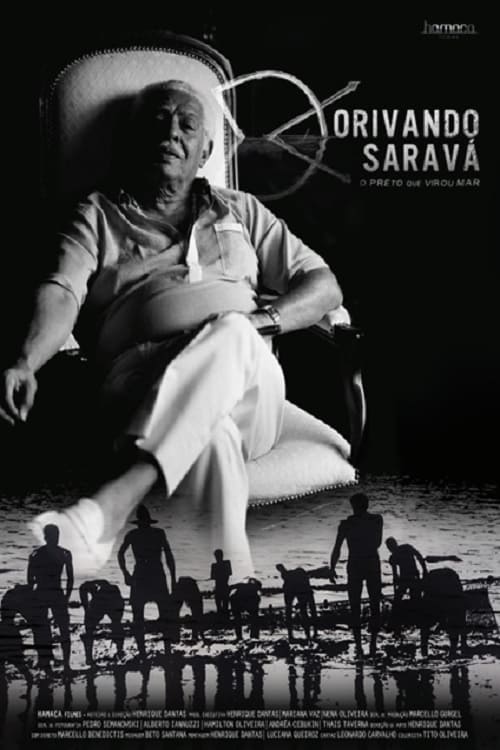
With a 40% Success Ratio (movies rated above 6.5), Moraes Moreira remains a reliable draw for studios. Their peak performance was recorded in Dorivando Saravá, o Preto Que Virou Mar, which continues to be the benchmark for their career rating-wise.
Best Moraes Moreira Movies Ranked
Must-watch hits from Moraes Moreira's career based on audience ratings.


Complete Filmography & Success Status
Tracking the career evolution and box office verdicts of Moraes Moreira.
| Year | Movie | Character | Success | More |
|---|---|---|---|---|
| 2019 | Dorivando Saravá, o Preto Que Virou Mar | Self | Super Hit | Similar → |
| 2019 | O Barato de Iacanga | Self (archive footage) | Super Hit | Similar → |
| 2017 | Acabou Chorare Novos Baianos se Encontram | - | Super Hit | Similar → |
| 2017 | Dunas do Barato | Self | Average | Similar → |
| 2016 | Trem da Alegria - Arte, Futebol e Ofício | - | Super Hit | Similar → |
| 2016 | Beard, Hair & Stache | Self | Flop | Similar → |
| 2016 | Guitarra Baiana - A Voz do Carnaval | Self | Flop | Similar → |
| 2011 | Filhos de João, O Admirável Mundo Novo Baiano | Self | Super Hit | Similar → |
| 1997 | Marisa Monte: Barulhinho Bom - Uma Viagem Musical | - | Flop | Similar → |
| 1996 | Bahia de Todos os Sambas | Self | Flop | Similar → |
| 1995 | Flamengo: A Century of Passion | Self | Flop | Similar → |
| 1982 | Pirlimpimpim | Visconde de Sabugosa | Flop | Similar → |
| 1980 | Vinicius para Criança: A Arca de Noé | Self | Flop | Similar → |
| 1973 | Novos Baianos F.C. | Himself | Super Hit | Similar → |
| 1973 | Novos Baianos: Programa Ensaio | - | Flop | Similar → |
Moraes Moreira - Frequently Asked Questions
What is the best movie of Moraes Moreira?
According to audience ratings, the best movie starring Moraes Moreira is "Dorivando Saravá, o Preto Que Virou Mar" with a rating of 10.0/10.
How many movies has Moraes Moreira acted in?
Moraes Moreira has been featured in at least 15 major films throughout their career.
What are some other popular movies by Moraes Moreira?
Other notable films include "Novos Baianos F.C.", "Filhos de João, O Admirável Mundo Novo Baiano", and "Acabou Chorare Novos Baianos se Encontram".