Nigel Williamson
ActingAbout Nigel Williamson
Nigel Williamson (born 1954) is a British journalist. Educated at University College London, Williamson worked as a reporter on Tribune (1982–84) and was then briefly its literary editor (1984) before becoming editor (1984–87) as successor to Chris Mullin. Just before the 1987 general election he was hired as the editor of the Labour Party's members' magazine Labour Party News (1987–89), to which he added the editorship of the party's monthly New Socialist (1987–89) replacing Stuart Weir. He also served as a press officer to Labour leader Neil Kinnock during the 1987 general election. In 1989 Williamson joined The Times as a political correspondent with a twice weekly column on the op-ed page. He became diary editor (1990–92), then home news editor (1992–95) and Whitehall correspondent (1995–96). He went freelance in 1996 to become a music critic, celebrity interviewer and obituarist for The Times. He writes on pop and world music for a variety of publications and was a contributing editor to the magazines Uncut and Billboard. He is also a contributing editor of Songlines magazine. He has written several books, including Journey Through The Past: The Stories Behind The Classic Songs Of Neil Young, The Rough Guide to Bob Dylan, The Rough Guide to Led Zeppelin, The Rough Guide to The Best Music You've Never Heard and The Rough Guide to the Blues, The Straight Ahead Guide to Bob Dylan and The Straight Ahead Guide to Led Zeppelin. Williamson is also a member of Kent County Cricket Club. He expressed his concern over Kent's logo rebrand in 2010, calling it "banal and meaningless". In 2011, Williamson and fellow member Graham Holland started a campaign for more open and accountable management of Kent County Cricket Club and for the club's first contested committee election since 2008.
Career Statistics & Market Influence
Analyzing the cinematic journey of Nigel Williamson reveals a career defined by diverse artistic exploration. With a total of 6 major appearances, the actor has established a significant footprint in global cinema.
Genre Dominance: Documentary
The majority of Nigel Williamson's filmography leans towards the Documentary genre. Audience data suggests that viewers respond most favorably to this persona, though their versatility has allowed for successful crossovers into other categories.
The "Box Office" Signature
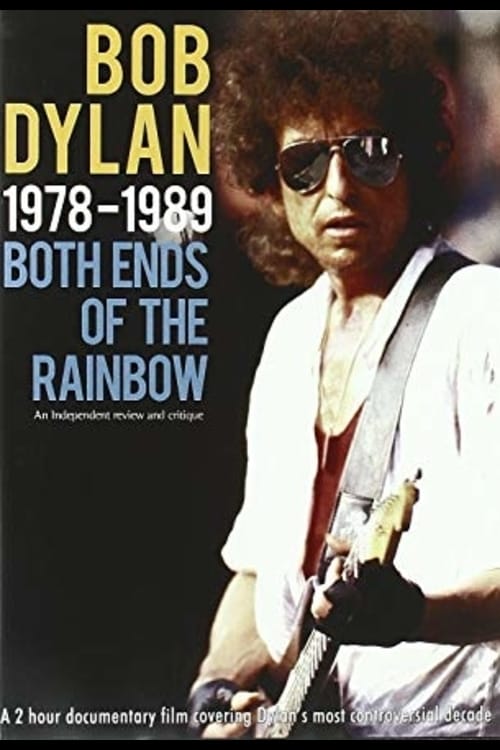
With a 50% Success Ratio (movies rated above 6.5), Nigel Williamson remains a reliable draw for studios. Their peak performance was recorded in Bob Dylan: 1978-1989 - Both Ends of the Rainbow, which continues to be the benchmark for their career rating-wise.
Best Nigel Williamson Movies Ranked
Must-watch hits from Nigel Williamson's career based on audience ratings.
Complete Filmography & Success Status
Tracking the career evolution and box office verdicts of Nigel Williamson.
| Year | Movie | Character | Success | More |
|---|---|---|---|---|
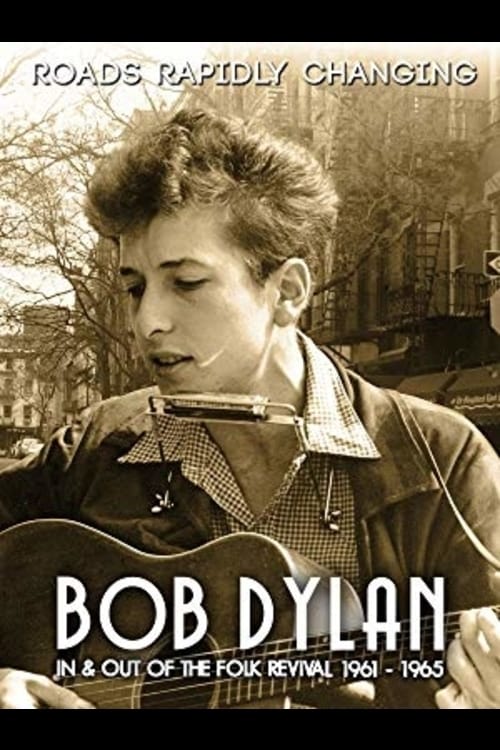
| 2015 | Bob Dylan: Roads Rapidly Changing - In & Out of the Folk Revival 1961 - 1965 | Self | Super Hit | Similar → |
| 2011 | The Roaring 20s: Mick Jagger's Glory Years | Self | Average | Similar → |
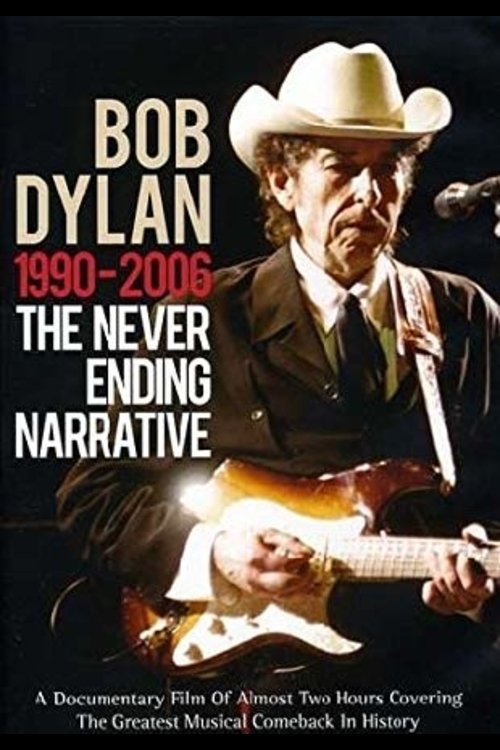
| 2011 | Bob Dylan: 1990-2006 - The Never Ending Narrative | Self | Super Hit | Similar → |
| 2011 | Pink Floyd: Whatever Happened to Pink Floyd? The Strange Case of Waters and Gilmour | Self | Average | Similar → |
| 2008 | Bob Dylan: 1978-1989 - Both Ends of the Rainbow | Self | Super Hit | Similar → |
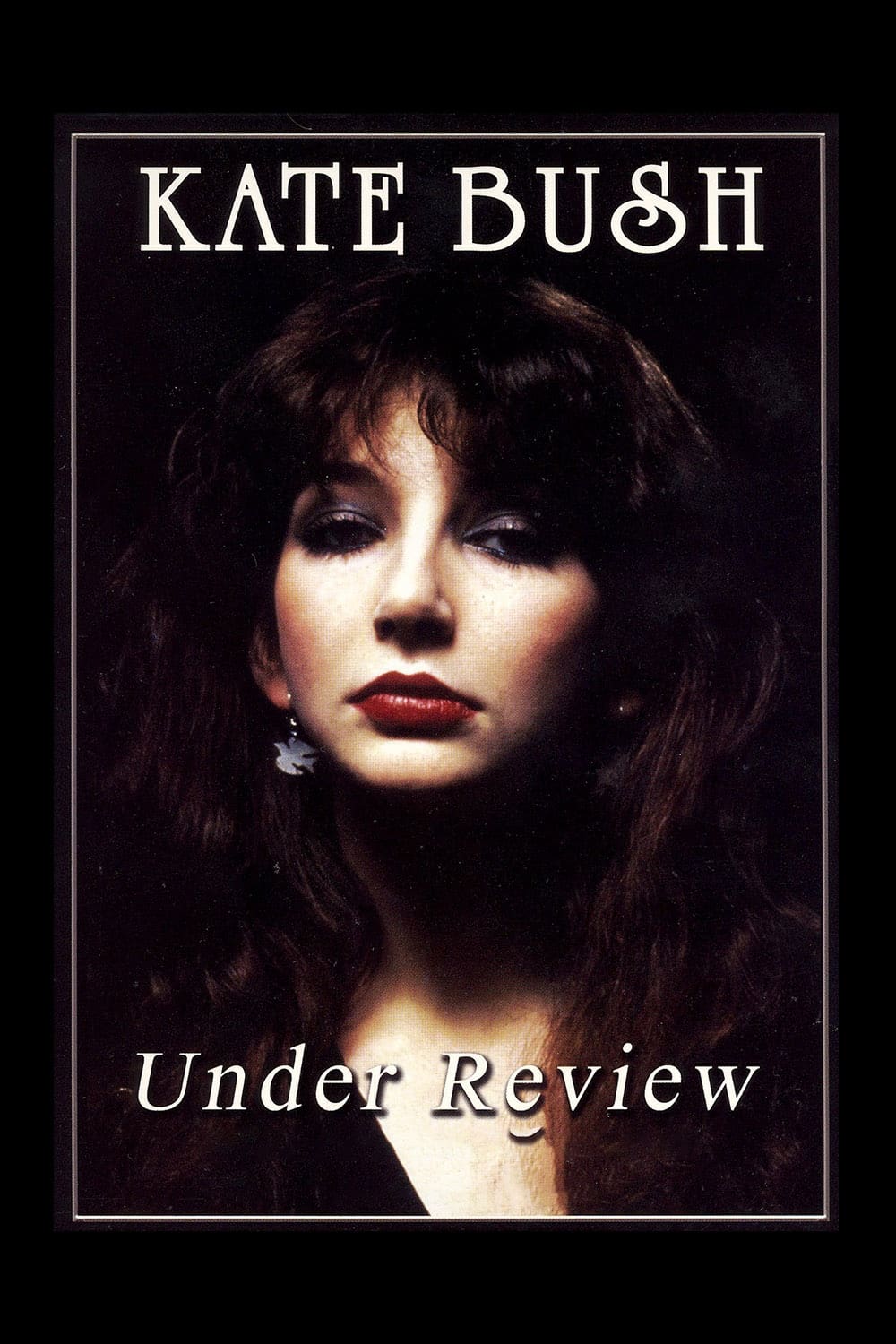
| 2006 | Kate Bush: Under Review | Himself | Average | Similar → |
Nigel Williamson - Frequently Asked Questions
What is the best movie of Nigel Williamson?
According to audience ratings, the best movie starring Nigel Williamson is "Bob Dylan: 1978-1989 - Both Ends of the Rainbow" with a rating of 10.0/10.
How many movies has Nigel Williamson acted in?
Nigel Williamson has been featured in at least 6 major films throughout their career.
What are some other popular movies by Nigel Williamson?
Other notable films include "Bob Dylan: 1990-2006 - The Never Ending Narrative", "Bob Dylan: Roads Rapidly Changing - In & Out of the Folk Revival 1961 - 1965", and "Kate Bush: Under Review".