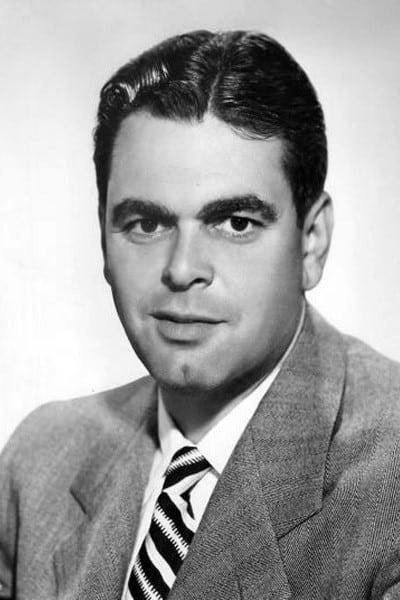
Pandro S. Berman
ProductionAbout Pandro S. Berman
From Wikipedia, the free encyclopedia Pandro Samuel Berman (March 28, 1905 – July 13, 1996), also known as Pan Berman, was an American film producer. Berman was an assistant director during the 1920s under Mal St. Clair and Ralph Ince. In 1930, Berman was hired as a film editor at RKO Radio Pictures, then became an assistant producer. When RKO supervising producer William LeBaron walked out during production of the ill-fated The Gay Diplomat (1931), Berman took over LeBaron's responsibilities, remaining in the post until 1939. After David O. Selznick became chief of production at RKO in October 1931, Berman managed to survive Selznick's general firing of most of the staff. Selznick named Berman producer for the adaptation of Fannie Hurst's short story Night Bell, a tale of a Jewish doctor's rise out of the Lower East Side ghetto to the height of becoming a Park Avenue physician, which Selznick personally retitled Symphony of Six Million. He ordered Berman to have references to ethnic life in the Jewish ghetto restored. The movie was a box-office and critical success. Both Selznick and Berman were proud of the picture, with Berman later saying it was the "first good movie" he had produced. The Fred Astaire/Ginger Rogers musicals were in production during the Berman regime, Katharine Hepburn rose to prominence, and such RKO classics as The Hunchback of Notre Dame and Gunga Din (both 1939) were completed. Upset when an RKO power play diminished his authority, Berman left for MGM in 1940, where he oversaw such productions as Ziegfeld Girl (1941), National Velvet (1944), The Bribe (1949), Father of the Bride (1950), Blackboard Jungle (1955) and Butterfield 8 (1960). He survived several executive shake-ups at MGM and remained there until 1963, then went into independent production, closing out his career with the unsuccessful Move (1970). Berman was the winner of the 1976 Irving G. Thalberg Memorial Award. Six of his films were nominated for Academy Award for Best Picture: The Gay Divorcee (1934), Alice Adams and Top Hat (both 1935), Stage Door (1937), Father of the Bride (1950), and Ivanhoe (1952). Berman died of congestive heart failure on July 13, 1996 in his Beverly Hills home, aged 91. He was buried at the Hillside Memorial Park, Culver City, California.
Pandro S. Berman Movies & Career Overview
The filmography of Pandro S. Berman reflects a strong mix of popular and critically appreciated roles. Across 5 major appearances, the actor has built a reputation through performances in multiple genres and storytelling styles.
Dominant Genre
A large portion of Pandro S. Berman's work falls within the Documentary genre, where audiences tend to respond most strongly to their on-screen presence.
Success Ratio
Approximately 60% of Pandro S. Berman's films maintain ratings above 6.5, indicating a consistent level of audience approval.
One of the most highly rated entries in their career remains A Cinderella Named Elizabeth, which stands out as a key performance.
Best Pandro S. Berman Movies Ranked
Must-watch hits from Pandro S. Berman's career based on audience ratings.



Full Filmography
Every movie Pandro S. Berman has appeared in, with audience ratings and verdicts.
| Year | Movie | Character | Success | More |
|---|---|---|---|---|
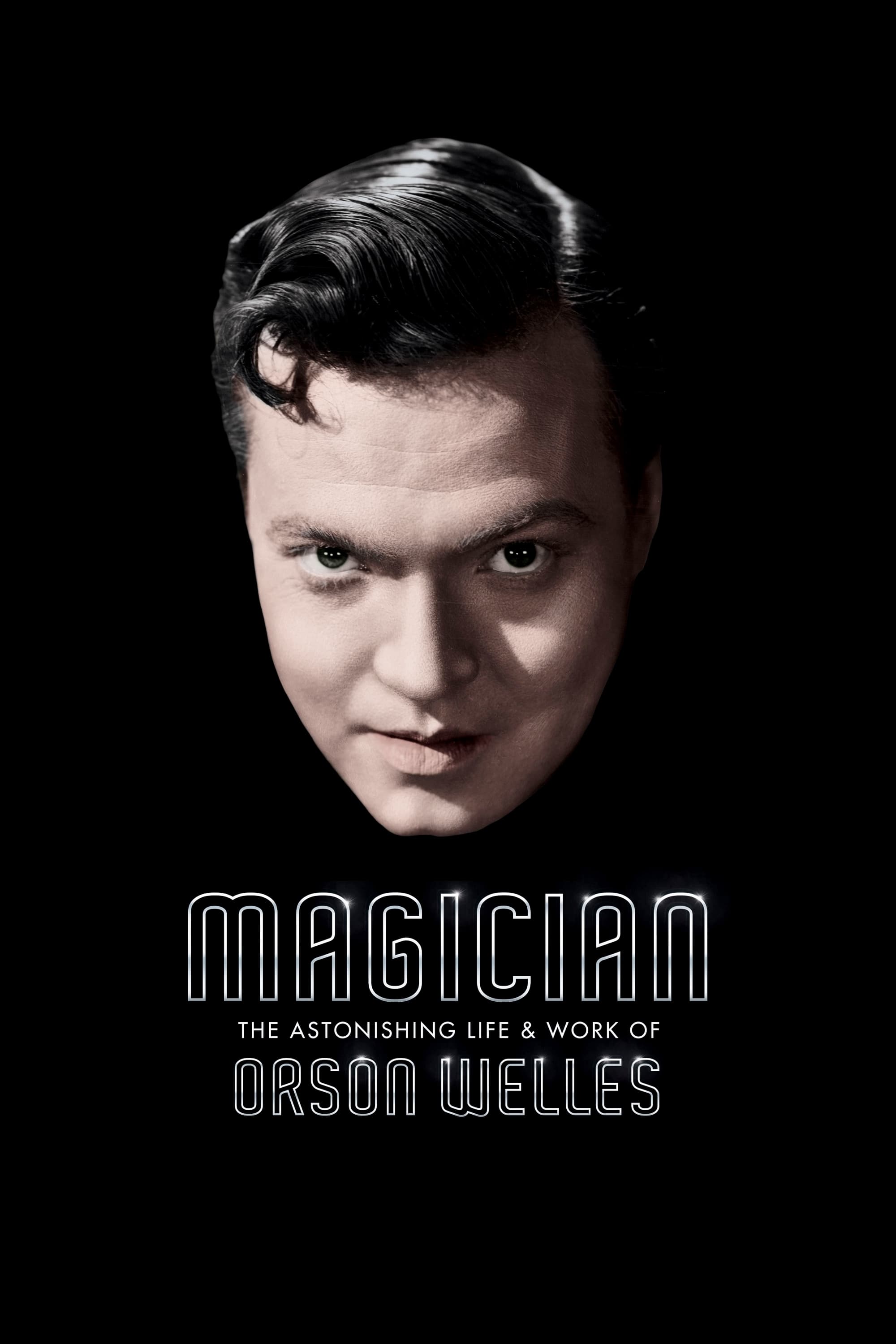
| 2014 | Magician: The Astonishing Life and Work of Orson Welles | Self - Producer (archive footage) | Hit | Similar → |
| 2006 | Astaire and Rogers: Partners in Rhythm | Self (archive footage) | Hit | Similar → |
| 2004 | On Location with Gunga Din | Self | Flop | Similar → |
| 1985 | George Stevens: A Filmmaker's Journey | Self | Average | Similar → |
| 1965 | A Cinderella Named Elizabeth | Self | Hit | Similar → |
Pandro S. Berman - Frequently Asked Questions
What is the best movie of Pandro S. Berman?
According to audience ratings, the best movie starring Pandro S. Berman is "A Cinderella Named Elizabeth" with a rating of 7.0/10.
How many movies has Pandro S. Berman acted in?
Pandro S. Berman has been featured in at least 5 major films throughout their career.
What are some other popular movies by Pandro S. Berman?
Other notable films include "Astaire and Rogers: Partners in Rhythm", "Magician: The Astonishing Life and Work of Orson Welles", and "George Stevens: A Filmmaker's Journey".