Ray Heindorf
SoundAbout Ray Heindorf
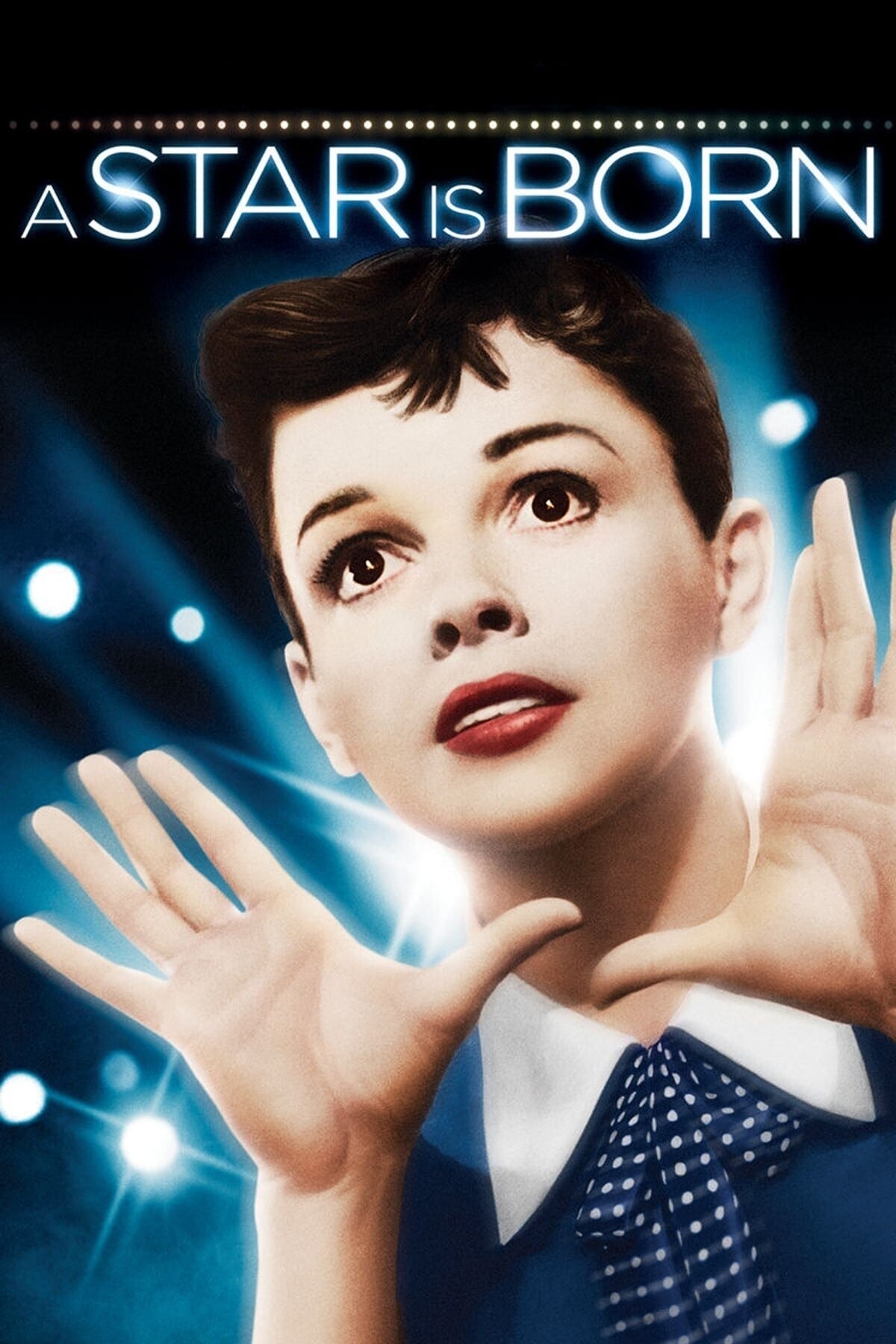
From Wikipedia, the free encyclopedia Ray Heindorf (August 25, 1908 – February 3, 1980) was an American songwriter, composer, conductor, and arranger. Born in Haverstraw, New York, Heindorf worked as a pianist in a movie house in Mechanicville in his early teens. In 1928, he moved to New York City, where he worked as a musical arranger before heading to Hollywood. He gained his first job as an orchestrator at MGM, where he worked on Hollywood Revue of 1929, and subsequently went on the road playing piano for Lupe Vélez. After completing this engagement, he joined Warner Bros., composing and/or arranging and conducting music exclusively for the studio for nearly forty years. Heindorf, along with Georgie Stoll at MGM, were jazz aficionados well known in the black entertainment community for employing minority musicians in their studio music departments. He undertook the musical direction of Judy Garland's comeback film A Star is Born (1954) and made a cameo appearance as himself in the premiere party sequence where Jack Carson's character congratulates him on a great score. Among Heindorf's other screen credits are 42nd Street, Gold Diggers of 1935, The Great Lie, Knute Rockne All American, Kings Row, Night and Day, Tea for Two, A Streetcar Named Desire, The Jazz Singer, No Time for Sergeants, The Helen Morgan Story, Marjorie Morningstar, Damn Yankees, Auntie Mame, Finian's Rainbow, and his final musical for Jack L. Warner, 1776. Between 1943 and 1969 he was nominated for eighteen Academy Awards, 17 nominations for Best Score and 1 nomination for Best Song. Heindorf won three, in the category of Best Score of a Musical, for Yankee Doodle Dandy, This is the Army, and The Music Man. His wins for the former two films made him the first to accomplish consecutive wins in a musical category. Heindorf died in Tarzana, California, aged 71, and reputedly was buried with his favorite conducting baton.
Career Statistics & Market Influence
Analyzing the cinematic journey of Ray Heindorf reveals a career defined by diverse artistic exploration. With a total of 5 major appearances, the actor has established a significant footprint in global cinema.
Genre Dominance: Music
The majority of Ray Heindorf's filmography leans towards the Music genre. Audience data suggests that viewers respond most favorably to this persona, though their versatility has allowed for successful crossovers into other categories.
The "Box Office" Signature
With a 20% Success Ratio (movies rated above 6.5), Ray Heindorf remains a reliable draw for studios. Their peak performance was recorded in A Star Is Born, which continues to be the benchmark for their career rating-wise.
Best Ray Heindorf Movies Ranked
Must-watch hits from Ray Heindorf's career based on audience ratings.
Complete Filmography & Success Status
Tracking the career evolution and box office verdicts of Ray Heindorf.
| Year | Movie | Character | Success | More |
|---|---|---|---|---|
| 1954 | A Star Is Born | Movie Premiere Attendee (uncredited) | Hit | Similar → |
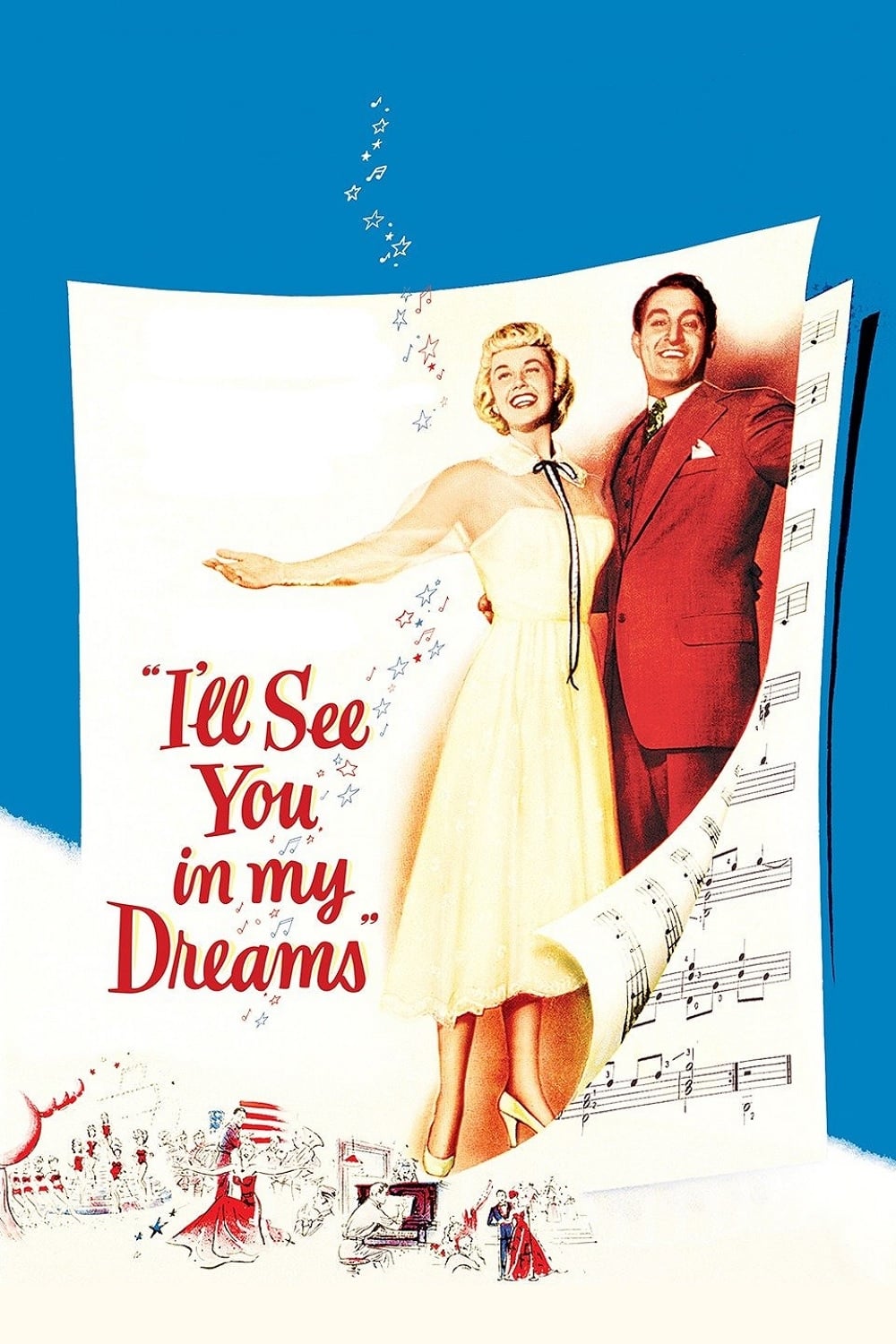
| 1951 | I'll See You in My Dreams | Orchestra Leader at Kahn Benefit (uncredited) | Flop | Similar → |
| 1951 | The Screen Director | Self (uncredited) | Average | Similar → |
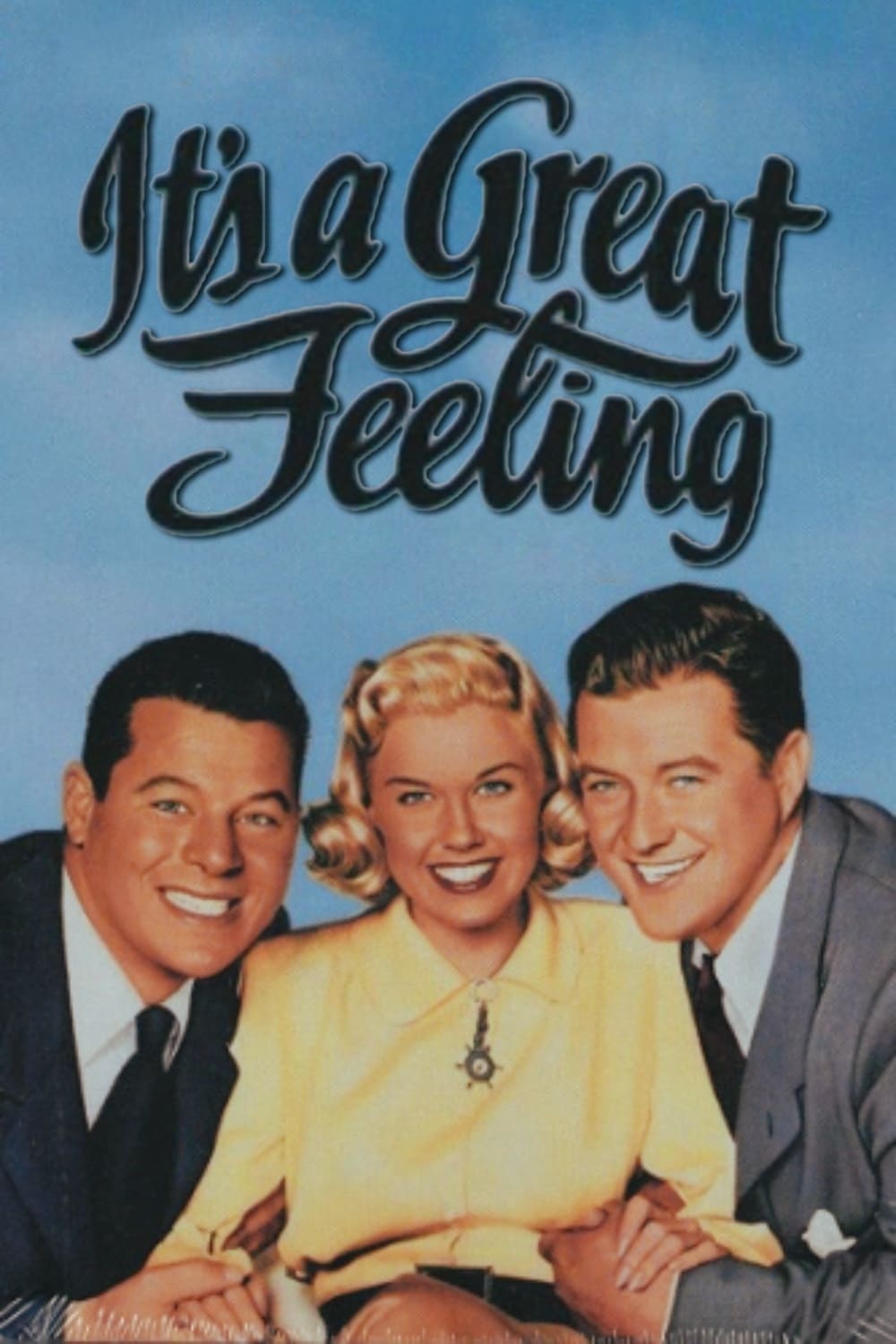
| 1949 | It's a Great Feeling | Ray Heindorf (uncredited) | Average | Similar → |
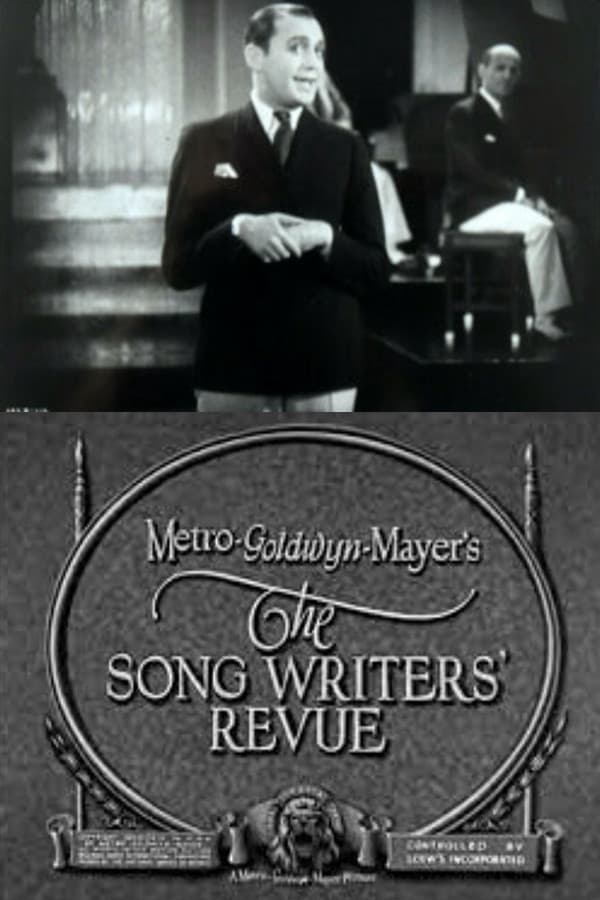
| 1929 | The Song Writers' Revue | Himself | Flop | Similar → |
Ray Heindorf - Frequently Asked Questions
What is the best movie of Ray Heindorf?
According to audience ratings, the best movie starring Ray Heindorf is "A Star Is Born" with a rating of 7.1/10.
How many movies has Ray Heindorf acted in?
Ray Heindorf has been featured in at least 5 major films throughout their career.
What are some other popular movies by Ray Heindorf?
Other notable films include "The Screen Director", "It's a Great Feeling", and "I'll See You in My Dreams".