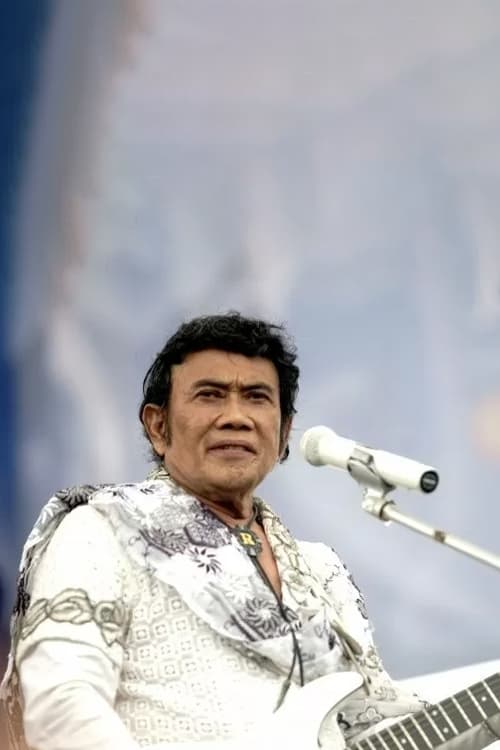
Rhoma Irama
ActingAbout Rhoma Irama
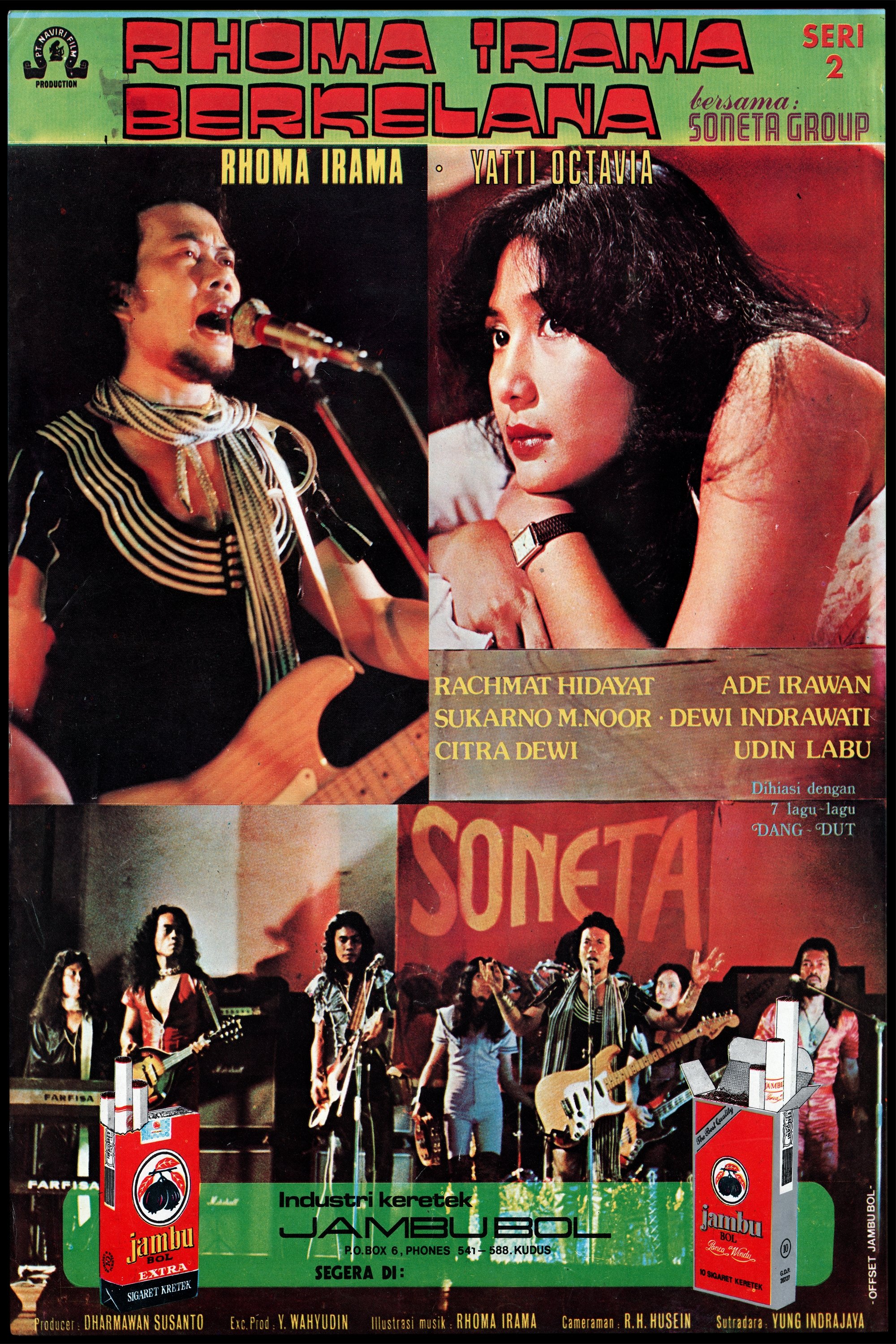
Raden Haji Oma Irama (born December 11, 1946, in Tasikmalaya, West Java), known as Rhoma Irama, is an Indonesian dangdut musician, singer, songwriter, and actor. Starting from the late 1960's, he began his musical career as Oma Irama as a part of the pop band Orkes Melayu Purnama, pioneering several dangdut music elements. He then formed his band Soneta Group, achieving multitudes of musical successes with groundbreaking dangdut style which incorporates Western, Malay, and Bollywood influences. From the late 1970s, he began transforming into more Islamic-oriented style, commanding the religiously pious popular music culture. During the height of his stardom in the 1970s, he was dubbed "Raja Dangdut" ("the King of Dangdut") with his Soneta Group.
Career Statistics & Market Influence
Analyzing the cinematic journey of Rhoma Irama reveals a career defined by diverse artistic exploration. With a total of 26 major appearances, the actor has established a significant footprint in global cinema.
Genre Dominance: Drama
The majority of Rhoma Irama's filmography leans towards the Drama genre. Audience data suggests that viewers respond most favorably to this persona, though their versatility has allowed for successful crossovers into other categories.
The "Box Office" Signature
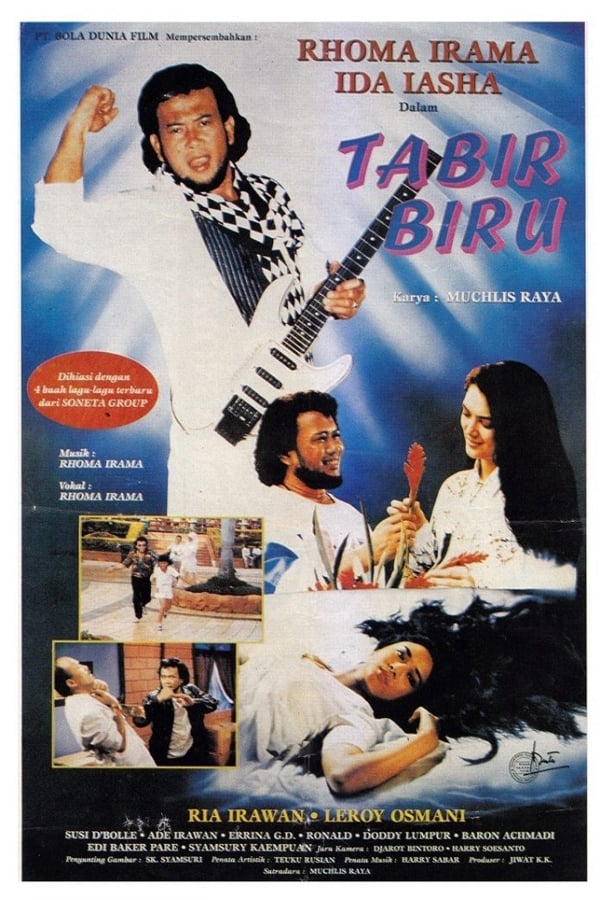
With a 4% Success Ratio (movies rated above 6.5), Rhoma Irama remains a reliable draw for studios. Their peak performance was recorded in Tabir Biru, which continues to be the benchmark for their career rating-wise.
Best Rhoma Irama Movies Ranked
Must-watch hits from Rhoma Irama's career based on audience ratings.
Complete Filmography & Success Status
Tracking the career evolution and box office verdicts of Rhoma Irama.
Rhoma Irama - Frequently Asked Questions
What is the best movie of Rhoma Irama?
According to audience ratings, the best movie starring Rhoma Irama is "Tabir Biru" with a rating of 10.0/10.
How many movies has Rhoma Irama acted in?
Rhoma Irama has been featured in at least 26 major films throughout their career.
What are some other popular movies by Rhoma Irama?
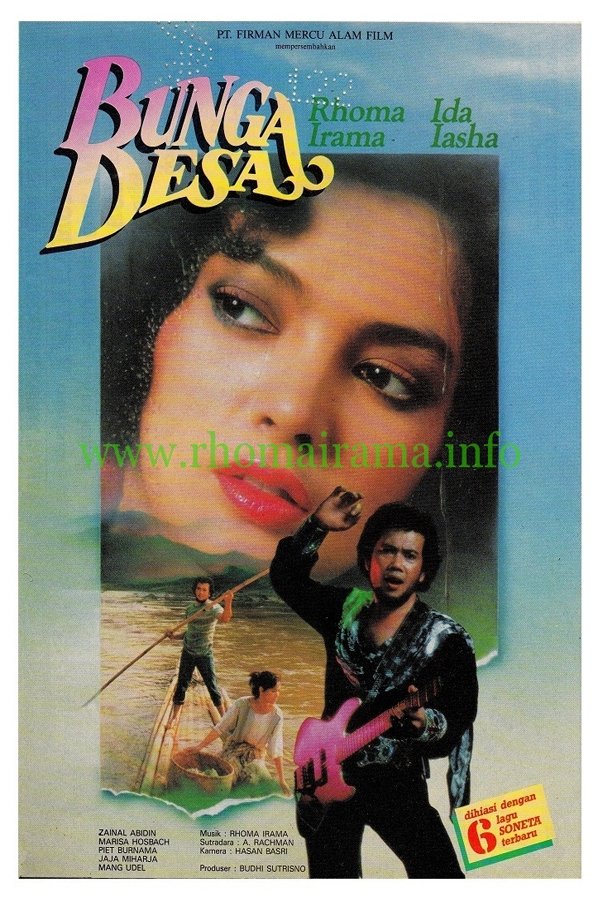
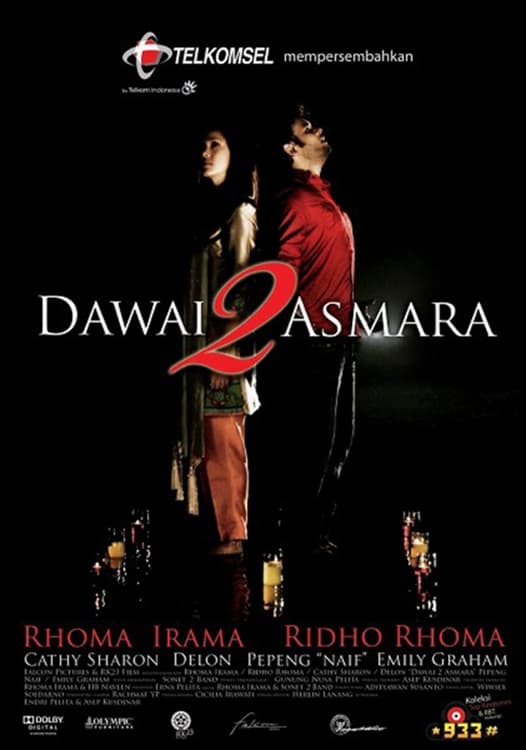
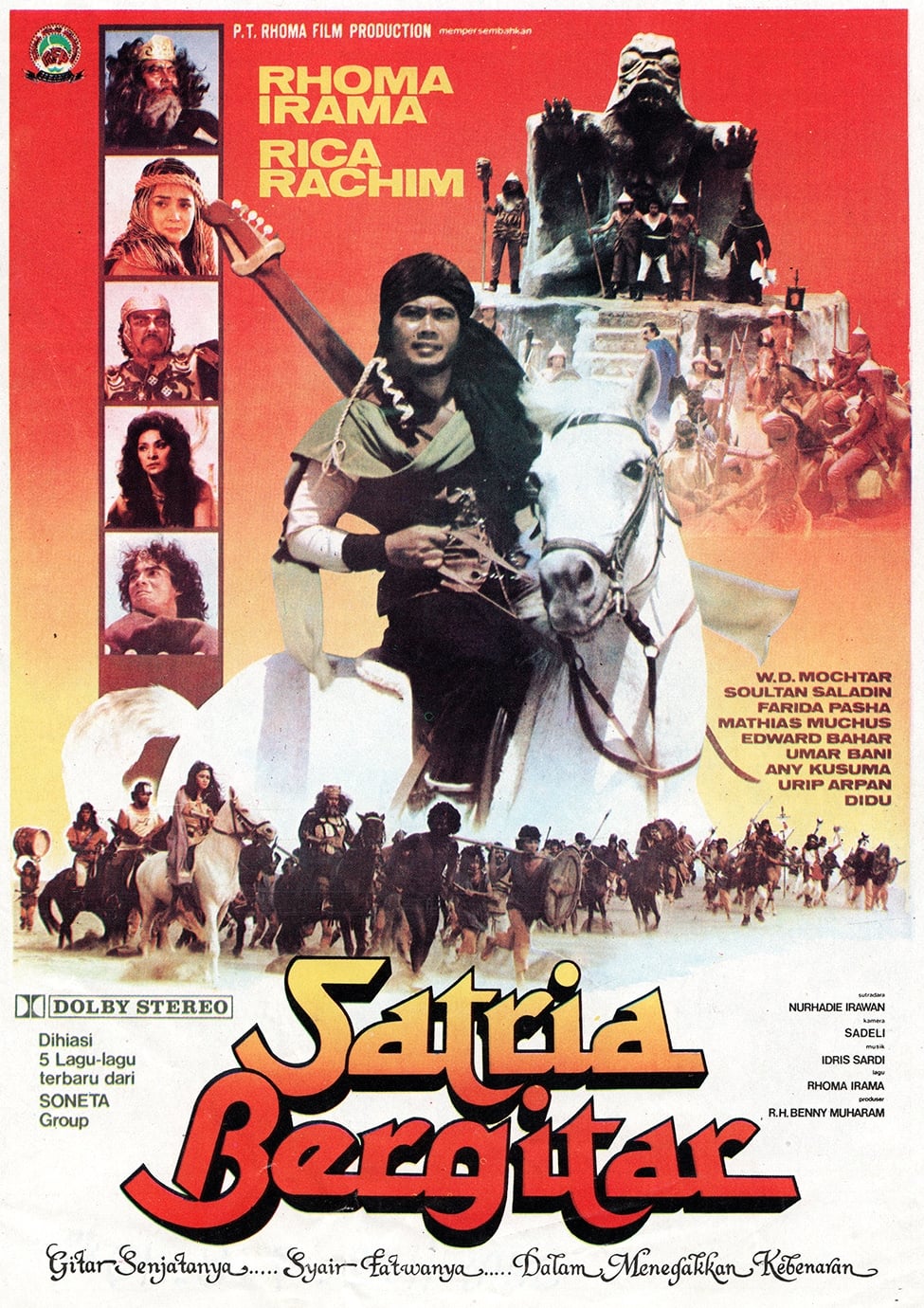
Other notable films include "Bunga Desa", "Dawai 2 Asmara", and "Satria Bergitar".