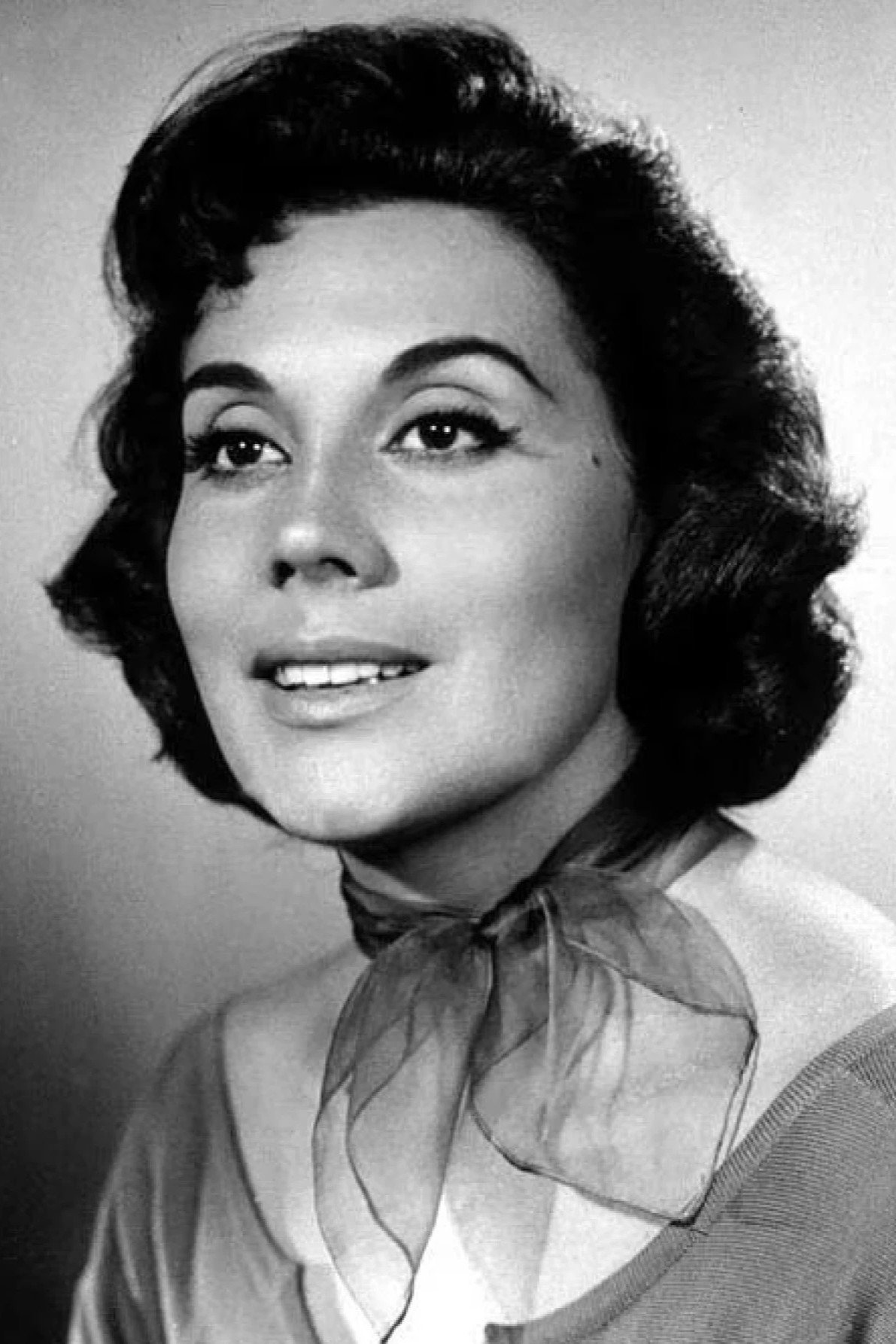
Rita Macedo
ActingAbout Rita Macedo
From Wikipedia, the free encyclopedia Rita Macedo was a Mexican actress who performed during the Golden Age of Mexican cinema. She was nominated for an Ariel Award for her 1956 performance in "Ensayo de un crimen" and in 1991 for a TVyNovelas Prize for "Alcanzar una estrella". She won the Best Actress Ariel Award in 1972 for "Tú, yo, y nosotros". She also was instrumental in bringing many works of international writers to the Mexican stage. She was married to a pioneer of Mexican radio, television and film, Luis de Llano Palmer, by whom she had two children, Julissa, an actress and musician, and Luis de Llano Macedo, renowned telenovela producer. On December 5, 1993, Macedo committed suicide after being diagnosed with cancer.
Rita Macedo Movies & Career Overview
The filmography of Rita Macedo reflects a career marked by diverse experimentation. Across 50 major appearances, the actor has built a reputation through performances in multiple genres and storytelling styles.
Dominant Genre
A large portion of Rita Macedo's work falls within the Drama genre, where audiences tend to respond most strongly to their on-screen presence.
Success Ratio
Approximately 28% of Rita Macedo's films maintain ratings above 6.5, indicating a consistent level of audience approval.
One of the most highly rated entries in their career remains Nazarín, which stands out as a key performance.
Best Rita Macedo Movies Ranked
Must-watch hits from Rita Macedo's career based on audience ratings.

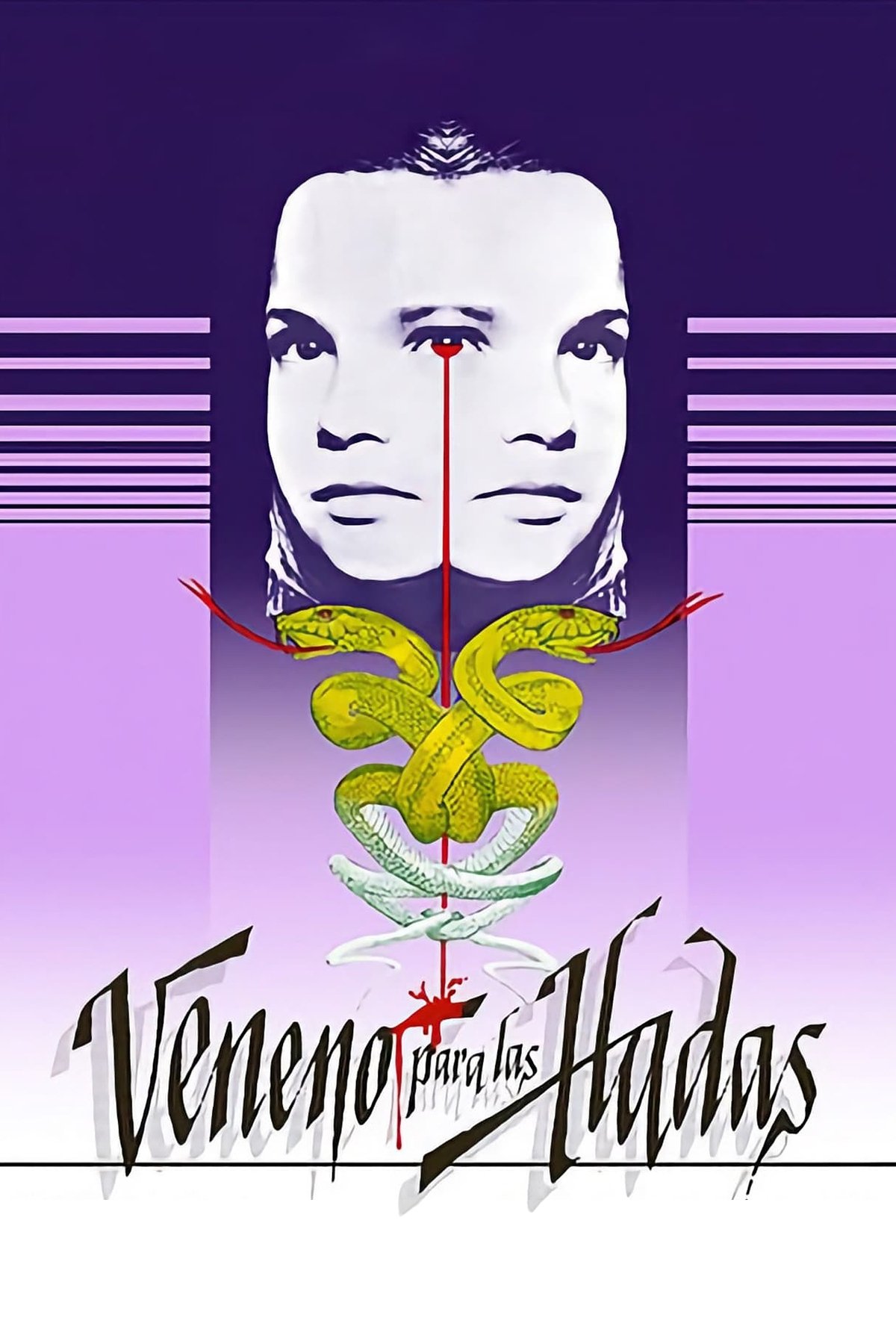

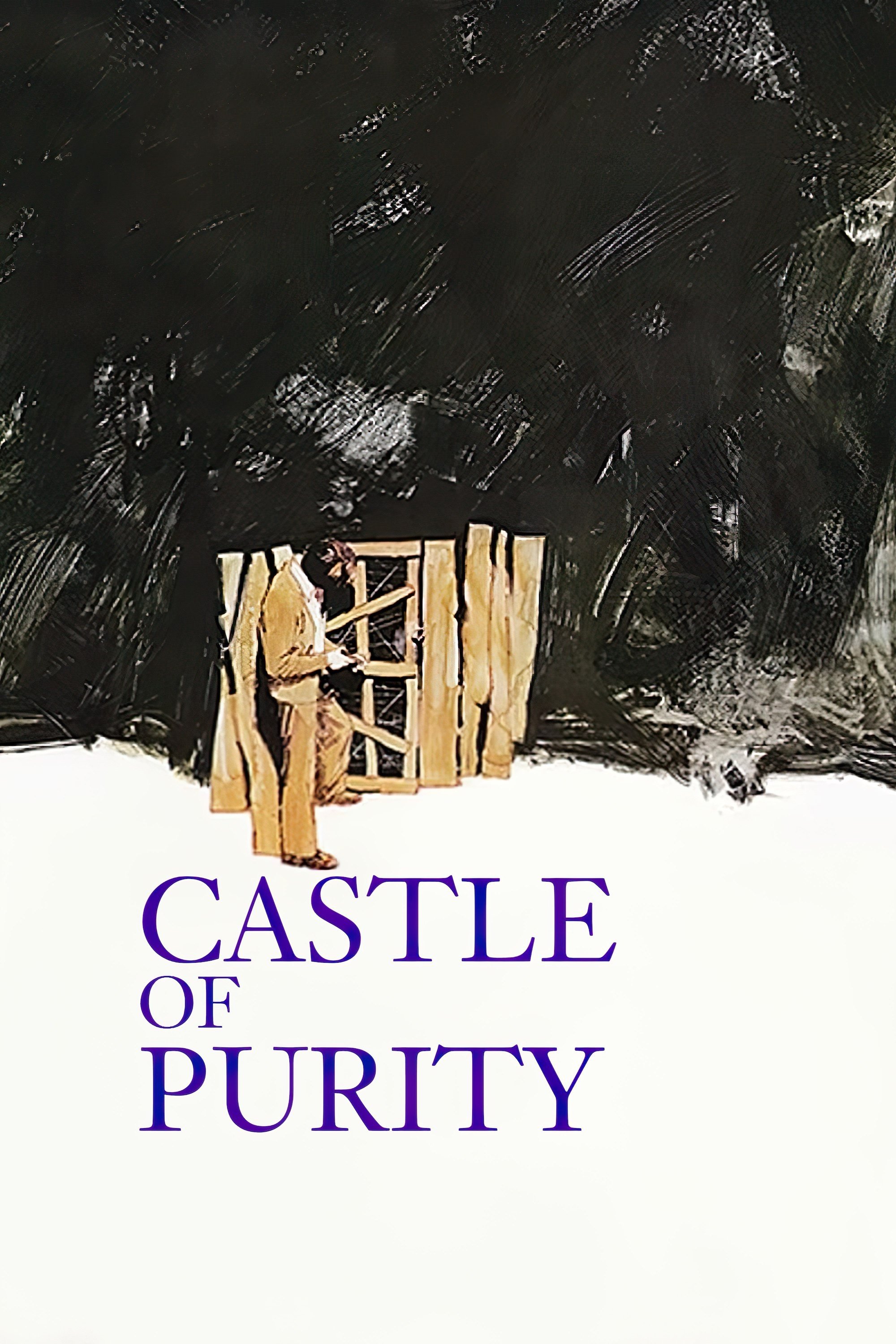
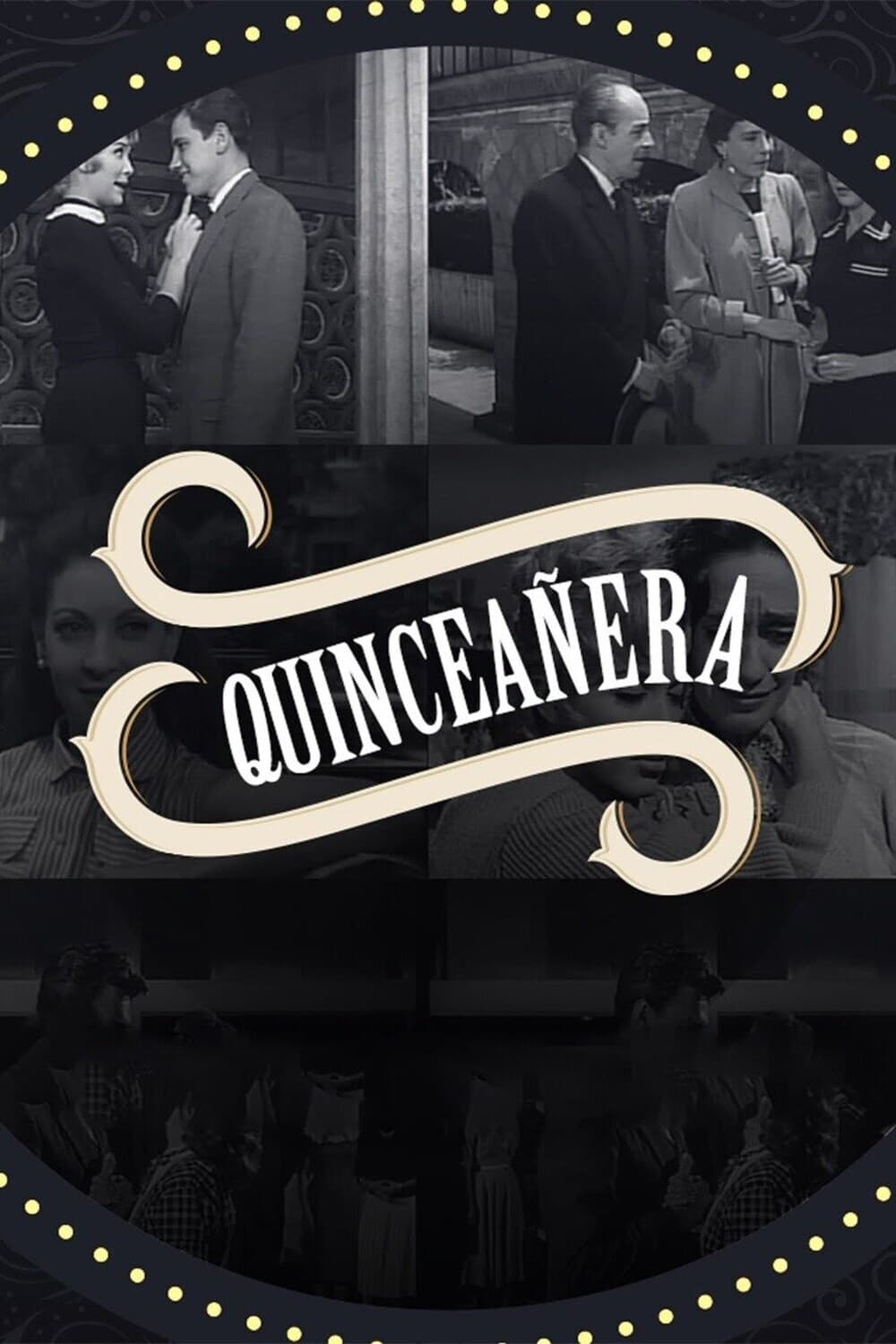
Full Filmography
Every movie Rita Macedo has appeared in, with audience ratings and verdicts.
Rita Macedo - Frequently Asked Questions
What is the best movie of Rita Macedo?
According to audience ratings, the best movie starring Rita Macedo is "Nazarín" with a rating of 7.7/10.
How many movies has Rita Macedo acted in?
Rita Macedo has been featured in at least 50 major films throughout their career.
What are some other popular movies by Rita Macedo?
Other notable films include "Poison for the Fairies", "The Criminal Life of Archibaldo de la Cruz", and "Castle of Purity".